You want a honeymoon that feels romantic and memorable, but you’re unsure whether a glamping stay can deliver luxury, privacy and comfort without the risks of a bad pick. Maybe you’ve seen photos of glowing domes under the stars and wondered if the reality matches, or you’re worried about shared bathrooms, thin walls and cold nights. Those concerns are fair, and the difference between a magical stay and a disappointing one usually comes down to how well you choose.
This guide walks you through glamping honeymoons step by step: why standalone stays work so well for couples, which stay types suit different personalities, the amenities that matter most, realistic costs and booking timelines, how to pick the right location and season, and how to vet a site before you commit. By the end, you’ll know exactly what to look for and what to ask, so your first nights as newlyweds feel effortless.
Why Glamping Honeymoons Work for Couples
The biggest reason couples choose glamping for their honeymoon is simple: privacy. Instead of a hotel corridor with neighbors on both sides, you get a standalone structure, often on its own patch of land with no one in sight. Most romantic glamping sites also cap occupancy at 2 adults, which means no families, no groups and no noise drifting through shared walls. That kind of seclusion is something hotels rarely match at any price.
Romance built into the design
Romantic touches come standard at many sites rather than being expensive add-ons. Think wood-fired hot tubs steaming under the evening sky, stargazing decks with lounge chairs, and outdoor showers surrounded by trees. Many hosts also add small gestures like lantern-lit paths or firepits set up for two, so the atmosphere feels intentional from the moment you arrive.
Timing matters too. A 3-4 night stay is the most common honeymoon glamping length, and it strikes a nice balance: long enough to properly unwind, short enough to pair with a city stop or a second destination. For couples who want more than a week at a resort, glamping adds a chapter of adventure and quiet nights under the stars that a standard hotel stay rarely provides.
Best Stay Types for a Romantic Glamping Trip
Not all glamping stays suit every couple, and the type you pick shapes the whole mood of your honeymoon. A dome under a glass ceiling feels completely different from a canvas tent on a veranda, so it’s worth matching the structure to how the two of you like to travel. If you’re torn between options, it helps to understand the key differences between yurts, domes and safari tents before you book.
Geodesic domes are the most popular honeymoon choice for good reason. Their panoramic skylights let you stargaze from bed, and most are insulated and heated, so you get the novelty of sleeping “outside” with genuine comfort. Safari tents suit couples who want space, with roomy interiors, verandas and a bush-lodge feel that works especially well on larger sites.
- Yurts: The round interior and thick canvas insulation make them the coziest pick for cooler months, and many include a small wood stove that doubles as a romantic focal point.
- Treehouses: Elevated stays deliver maximum privacy and often include full ensuite bathrooms, plus the playful thrill of climbing a ladder or staircase to your own hideaway.
- Cabins: A good middle ground if one of you is hesitant about camping, offering solid walls, real heating and often a kitchenette while keeping the secluded, nature-first setting.
Whichever type you choose, check what’s included in the structure itself, such as heating, blackout options for the skylight and how far the unit sits from neighbors. Those details matter more than the shape of the roof when you’re spending several nights there.
Amenities That Make or Break a Honeymoon Stay
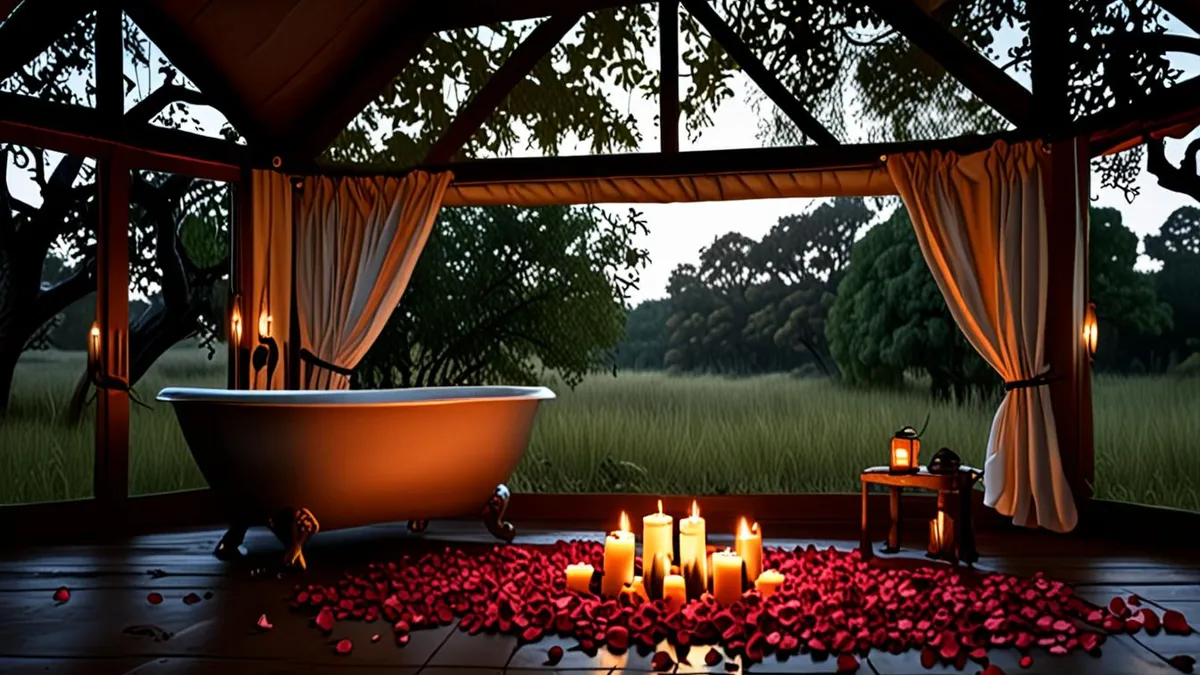
Amenities can make or break a glamping honeymoon, because you’re paying for comfort as much as scenery. The single most important thing to prioritize is a private hot tub or wood-fired soaking tub. It’s the top-requested couples amenity for a reason: there’s nothing like ending a hike with a soak under the stars, and a shared tub two fields away loses most of the romance.
Bathrooms come a close second. Confirm that your unit has an ensuite bathroom or a private outdoor shower rather than shared facilities down the path. Sharing a bathroom block with strangers is the fastest way to turn a romantic stay into a campsite experience, so ask directly before booking rather than assuming from the photos.
Food logistics matter more than couples expect. Look for a kitchenette or on-site dining so you don’t need to drive for every meal, especially if the site is remote. And before you go, run through a solid glamping packing checklist, since remote sites rarely have a shop around the corner.
- Firepit with provided wood: Ask whether firewood is included or sold on-site, since gathering your own is often not allowed and a cold firepit on a chilly night is a missed evening.
- Hammocks and lounge seating: Two hammocks rather than one signal a host who actually thinks about couples, and a covered porch lets you sit outside even in light rain.
- Breakfast baskets or welcome touches: Some hosts deliver breakfast baskets or champagne on arrival, which saves you a grocery run on your first night and adds a celebratory feel.
- Quality bedding and blackout options: Check that the bed is a real double or queen with proper linens, and whether the skylight or windows have blinds if you’re sensitive to early light.
When to Book and What Glamping Honeymoons Cost
Glamping honeymoons typically run $150-$500 per night, and the price climbs toward the top of that range for luxury domes and treehouses with standout views. A basic safari tent with a shared bathhouse sits at the lower end, while a geodesic dome with a private hot tub and panoramic skylight commands a premium. If you want a fuller picture of what different setups cost, this guide to typical glamping prices breaks it down by accommodation type.
Timing your booking matters just as much as your budget. For May-October peak dates, plan to book 3-6 months ahead. If you have your heart set on a sought-after destination, especially one with a small number of units, push that to 6-12 months out. The most romantic sites often have only a handful of accommodations, so they fill quickly for summer weekends.
How to shave money off your stay
One of the easiest ways to save is to travel midweek. Midweek stays often run 15-30% cheaper than weekend rates, and there’s a bonus: the site itself feels quieter. Fewer neighbors means more privacy on your deck, an easier shot at the hot tub, and a genuinely peaceful night under the stars. For a honeymoon, that calm is arguably worth more than the discount.
Choosing the Right Location and Season
Before you fall in love with a particular dome or treehouse, decide on your setting. A coastal site brings salt air, sea breezes and sunset views over the water, while mountains deliver crisp mornings and dramatic backdrops right outside your door. Forest sites feel intimate and sheltered, ideal if you want the sense of having the woods to yourselves, and desert locations offer wide-open skies that are hard to beat for stargazing. Each one changes the entire mood of your trip, so pick the atmosphere you want first and let it guide your search rather than booking a unit and hoping the location fits.
Season matters too. May-June and September-October are the sweet months: peak scenery, fewer crowds, and milder prices than the busy July-August stretch. Shoulder months can bring cooler nights and the occasional rain shower, so pack layers and a waterproof jacket regardless of your destination. If your dates are flexible, shifting your stay by even a week can make a noticeable difference in both crowds and rates.
Once you have a setting and season in mind, focus on the practical details that shape daily life on site. These are the questions couples most often wish they had asked before booking:
- Drive time to town: Check how far the nearest grocery or pharmacy is. If you arrive late or forget champagne, a two-hour round trip can eat half a day of your honeymoon.
- Distance from busy areas: Favor sites at least 30 minutes from towns or highways. That buffer is what keeps light pollution down and your nights quiet.
- Cell coverage: If you genuinely want to disconnect, verify that coverage is weak or absent, not strong. Some remote sites actually have full bars.
- Wi-Fi availability: If one of you needs to stay reachable for work or family, confirm the connection quality directly with the host rather than assuming it exists.
Getting these four details right before booking prevents the most common honeymoon surprises, from unexpected noise to a dead zone where you needed a signal. A short message to the host covering each point takes minutes and saves days of frustration later.
How to Vet a Site Before You Commit
A glamping site can look dreamy in photos and still disappoint in person. The lighting is flattering, the angles are clever, and the reality of a thin tent wall or a shared bathroom a short walk away only becomes clear after you’ve paid your deposit. A little vetting before you commit goes a long way toward making sure your first nights as newlyweds are everything you imagined. Since most romantic glamping sites cap occupancy at 2 adults, the host should have no trouble answering direct questions about your specific stay. Work through these steps in order:
- Read recent couple-specific reviews. Filter or search reviews for words like “honeymoon” or “anniversary.” Comments from other couples tell you whether the romance holds up in real life, not just in marketing shots.
- Ask the host about privacy and noise. Message them directly and ask how far apart the units sit and whether neighboring sites are audible from the deck or hot tub. A confident, specific answer is a good sign; a vague one is not.
- Confirm cancellation and weather terms. Find out exactly what happens if you need to cancel, and whether shoulder-month weather problems allow rebooking rather than forfeiting your payment. Get the policy in writing.
- Request a photo of your exact unit. Sites with multiple accommodations often show their best unit in listings. Ask for current photos of the specific dome, tent or treehouse you’ll actually occupy, including the bathroom and outdoor areas.
Most hosts respond happily to these questions, and the ones who don’t are telling you something useful. A site that answers promptly, shares honest photos and puts its policies in writing is far more likely to deliver the honeymoon experience it promises. Build this vetting into your booking timeline rather than treating it as an afterthought, and you’ll arrive with no surprises beyond the good kind.
Planning Your Romantic Glamping Getaway
So, can a glamping stay really deliver a honeymoon that feels both romantic and luxurious? Yes, when you choose carefully. The right dome, tent or treehouse offers privacy that hotels rarely match, plus amenities like private hot tubs and outdoor showers, all typically for $150-$500 per night. The risks of a bad pick come down to skipping the vetting, so read recent couple reviews, ask the host direct questions and confirm the exact unit before you commit.
The path is simple: pick your stay type and setting, aim for the May-October season or the quieter shoulder months, and book 3-6 months ahead for peak dates. Vet the amenities and reviews, pack smart, and your first nights as newlyweds can be every bit as memorable as any resort week. If this helped you plan, leave a comment or share the article with another couple.