Plenty of travelers have been there: you find a villa with a sparkling pool, glowing photos and an irresistible price, pay the deposit, and arrive to discover the property looks nothing like the listing. Some villas are mislisted, some are overpriced once you add the hidden fees, and a few were never real at all. That is why booking a villa rental online requires a bit more scrutiny than booking a hotel.
The good news is that the checks are simple and take less than an hour. This guide walks you through verifying the listing photos and description, reading reviews the right way, understanding pricing, deposits and payment terms, and checking cancellation and refund policies. It also covers when to book and how to confirm availability directly with the host, how to match the villa to your travel style and destination, and a pre-booking checklist you can run through before every payment.
Verify the Listing Photos and Description
Photos are the first thing scammers and careless hosts manipulate, so treat them as evidence rather than decoration. A reliable listing usually shows 15-25 photos covering every room, the pool and the surrounding area. If you count fewer than a dozen images and they all show the same terrace from slightly different angles, you are probably looking at a listing designed to hide something, such as a dated kitchen or a bedroom with no window. Take a few minutes to study every image properly before you get excited about a price.
Next, make the description earn its claims. If the listing promises a sea view, that view should be visible in at least one photo, not suggested by words like “coastal” or “panoramic” next to a picture of the garden. Also look for a floor plan or exact square meters, because “sleeps 8” can mean anything from eight comfortable bedrooms to four double beds plus two sofa beds crammed into a living room. Vague wording combined with sparse photos is a pattern worth taking seriously.
- Check the photo sequence. Trustworthy listings move logically from exterior and pool through each bedroom and bathroom; a jumbled order often means the host is mixing real photos with borrowed ones.
- Zoom in on details. Look at light switches, faucets and window frames in close-up shots — consistent condition across rooms suggests the photos are current and of the same property.
- Run a reverse-image search. Take two or three photos and search them; if they appear on other listings or stock photo sites, the villa has been copied and you should walk away.
- Compare the view angle. If the pool photo shows a sea view but the terrace photos show walls or neighboring roofs, ask the host which picture was taken from where.
Read Reviews the Right Way
Reviews are your best defense against a beautiful listing that hides real problems, but only if you read them properly. Most legitimate villa reviews appear on at least two independent platforms, so a villa with glowing testimonials only on the owner’s own website deserves suspicion. Owner-curated testimonials can be trimmed, translated or simply invented, while platform reviews usually come from verified stays.
Skip straight past the five-star raves and start with the 3-star reviews. These guests liked the villa enough not to be bitter, which makes them the most honest narrators of drawbacks: thin walls between you and the neighbors, a steep unpaved access road your rental car will hate, or a beach that is a 20-minute drive rather than the stroll the map implied. Then check the dates — a villa whose reviews all cluster before 2022 may have changed owners or simply slipped in maintenance, and the photos may be just as old.
- Search reviews for your dealbreakers. Use the platform’s search or your browser’s find function for terms like “air conditioning”, “mosquitoes” or “road noise” — one mention is anecdote, three mentions is a pattern.
- Look at reviewer profiles. Guests with several detailed reviews across different properties are far more credible than a first-time reviewer leaving a single enthusiastic paragraph.
- Note how hosts respond. A host who replies calmly to a critical review and explains the fix is a better bet than one who argues with every mildly negative comment.
- Weigh recent reviews more heavily. A pool resurfaced or a kitchen renovated last year matters more than a glowing review from five years ago.
Understand Pricing, Deposits and Payment Terms
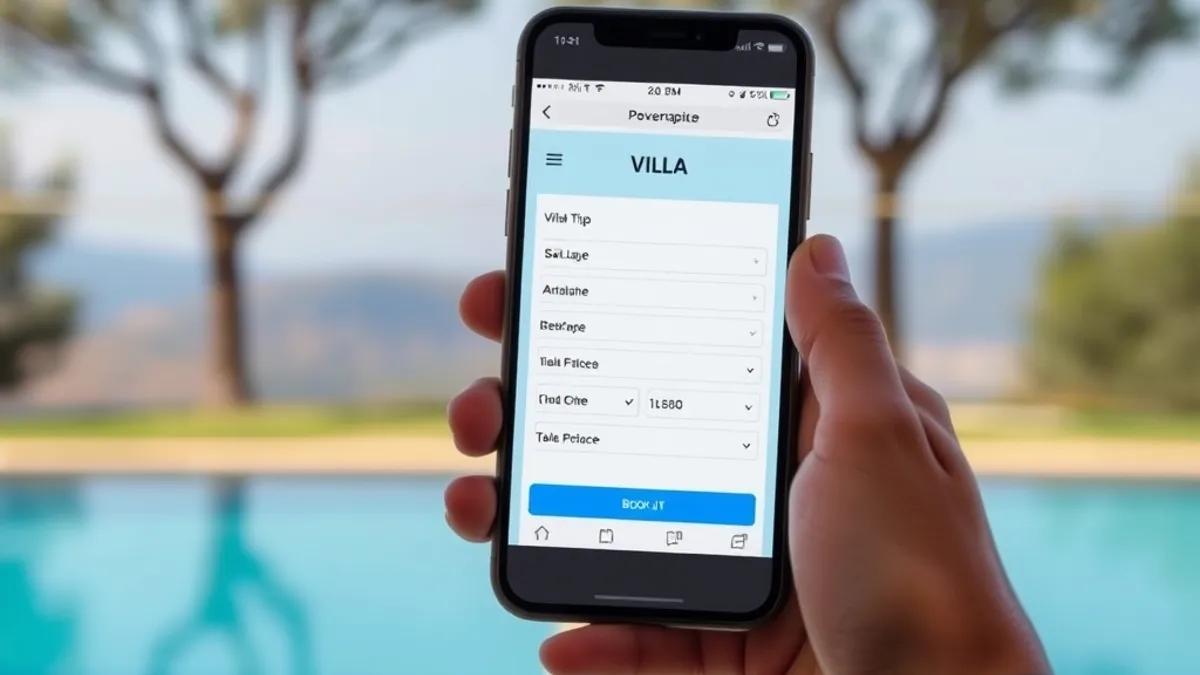
Villa pricing is rarely as simple as the number in the headline. Deposits of 20-30% of the total price are standard when reserving a villa, with the final balance usually due 4-8 weeks before check-in. If a listing asks for 100% upfront months in advance with no contract, treat that as a warning sign rather than a bargain.
The bigger budget surprise is what the quoted price excludes. Cleaning fees, pool heating, linen changes and air-conditioning surcharges are the usual hidden extras, and in a hot Mediterranean summer an air-conditioning charge per unit or per day can add up fast. Ask the host for a written total covering your exact dates and party size before you pay anything. Seasonal swings matter too: peak-season rates in July and August typically run 40-70% above shoulder-season prices in May-June and September, so when comparing villas, compare the same weeks, not the same listing. For a detailed regional example, see this breakdown of what a villa rental really costs in Croatia.
- Pay by card or through a platform with buyer protection. Card chargebacks and platform escrow give you a route to recover money if the villa does not exist or is materially different from the listing.
- Avoid bank transfers to personal accounts. A transfer to an individual IBAN with no rental contract offers almost no recourse if things go wrong.
- Get the payment schedule in writing. Confirm the deposit amount, the balance due date and what currency you are paying in — exchange rates and card fees can quietly add a few percent.
- Ask for a simple rental contract. A one-page agreement naming the property, dates, total price and cancellation terms protects both sides and is a hallmark of a legitimate host.
Check Cancellation and Refund Policies
Cancellation policies are where a dream booking can quietly turn into a costly mistake. Many villas offer flexible rates that allow a full refund if you cancel somewhere between 14 and 30 days before arrival, but the exact cutoff date varies by property. Never assume the platform’s general policy applies — ask the host to confirm the specific date in writing, ideally in the booking message thread, so there is a record you can refer to later.
It is just as important to think about the opposite scenario: what happens if the owner cancels on you? A villa that gets double-booked or sold out from under you in peak summer can leave a family scrambling for alternatives at short notice. Reputable platforms typically either rebook you into a comparable property or refund you in full, while a private owner booking made outside a platform may offer neither. Before you pay the deposit, know which situation you are in.
- Read the policy tier, not just the word “flexible.” Some listings label themselves flexible but only refund the deposit, not the balance you paid closer to arrival.
- Check whether travel insurance covers owner cancellation. A separate policy can fill the gap if the villa is not on a platform with rebooking protection.
- Note any exceptions for peak weeks. A few owners exclude July and August bookings from the standard refund window, so the terms you read in May may not match the ones applying to your August stay.
- Confirm how refunds are processed. Ask whether money returns to your original card or as a platform credit, since credits can tie you to one site for a future trip you may not want.
Finally, screenshot the cancellation terms at the exact moment you book. Policies sometimes change between the time you browse and the time you pay, and a dated screenshot is the clearest proof of what was promised to you if a dispute ever arises.
Time Your Booking and Confirm Availability Directly
Timing matters more with villa rentals than with hotel rooms, because most villas are single properties with a single calendar. A hotel can shuffle guests between rooms when demand spikes; a villa cannot. Once the good summer weeks in a popular region are gone, they are gone — and the remaining options tend to be the priciest, the least appealing, or both. That is why experienced renters treat the search like a short project: they fix their dates first, shortlist a handful of villas, and move decisively when the right one appears. Hesitation is the most common way people lose a good booking, not price or competition from other travelers.
- Plan your dates before you browse. Decide on your travel window and a backup week first, so you can act quickly when a suitable villa appears rather than losing it while deliberating. Knowing your flexibility — even one shift of a few days — widens your options considerably.
- Book 3-6 months ahead for July and August. In popular Mediterranean destinations this is when the best selection and rates are still available; waiting until spring usually means paying more for less. Shoulder-season weeks offer more breathing room, but the most desirable properties still go early.
- Message the host before paying anything. Ask one simple, specific question — whether the pool is heated, what time check-in opens, whether the grill is gas or charcoal. A slow, vague or evasive reply is a red flag about how the whole stay will go, while a quick, concrete answer tells you the host actually knows and manages the property.
- Confirm the exact address and check-in method before the final payment. Legitimate hosts share this without hesitation, whether it is a lockbox code, a local key holder or an in-person handover. Hesitation or excuses here deserve scrutiny, especially if you are arriving late or relying on a driver to find the place.
- Get the confirmation in writing. A short written summary of dates, price and check-in arrangements protects both sides and gives you something to point to if plans shift. It takes the host two minutes to send and can save you an argument later.
One more practical note: hosts who respond within a few hours during the booking stage usually keep that responsiveness during your stay, which matters when the wifi fails or the gate jams mid-vacation. A villa is not just a property — it is a service relationship with one person on the other end. Treat the pre-booking conversation as a preview of the service you are buying, and let slow, careless communication weigh as heavily in your decision as the photos do.
Match the Villa to Your Travel Style and Destination
The best villa on paper can still be the wrong villa for you. Before you book, think honestly about who is traveling and what each person needs from the property, because villas vary far more than hotel rooms in layout, privacy and surroundings.
Couples and small groups should focus on privacy. Check whether the villa has a separate entrance, how far the pool sits from neighboring properties, and whether photos show terraces overlooked by other houses. A stunning villa can feel exposed if the pool faces a next-door balcony. Families have a different checklist: a fenced or gated pool is often non-negotiable with small children, and the bedroom layout matters — parents usually want to sleep near younger kids, while teenagers appreciate the opposite.
Research the destination’s rhythm
Destinations fill up at different speeds. Coastal hotspots such as Montenegro’s Budva Riviera or Albania’s Sarandë see demand surge fastest in summer, so their best villas are gone earliest. Mountain and lake regions often peak on a different schedule, which can work in your favor if your dates are flexible. Match the villa’s setting to your plans too — a hillside property with a view may mean a winding access road and a drive to the beach every day.
Villa or apartment?
For groups of four or more, villas usually win on space, private outdoor areas and pool access, and the per-person cost often compares well once you factor in shared meals and no need for multiple rooms. For smaller groups or shorter city-based trips, an apartment can be simpler. If you are weighing the two for a Montenegro trip, our article on choosing between a villa and an apartment in Montenegro breaks down the trade-offs in detail.
Your Pre-Booking Checklist at a Glance
So what should you actually verify before you hand over a deposit? Start with the core checks: photos that are verified and cover the whole property, reviews that appear across at least two independent platforms, and a transparent price where the deposit sits in the standard 20-30% range with all extras spelled out. These three steps filter out most mislisted and fake listings before they can cost you money.
From there, timing and communication seal the deal. Book 3-6 months ahead for peak season to get the best choice, confirm cancellation terms of 14-30 days before arrival, and hold off on the final balance until you have them in writing. A host who answers quickly and shares the exact address and check-in details without hesitation is the last piece of a safe booking. If this checklist helped you plan your next villa stay, leave a comment or share the article with a fellow traveler.