Choosing between a villa and an apartment is the biggest booking decision you’ll make for the Montenegrin coast, and getting it wrong either burns money or costs you the holiday you imagined. A private-pool villa on a hillside above Kotor Bay is a completely different experience from a compact apartment 200 meters from Budva’s beach — and each suits a different kind of traveler. This villa vs apartment in Montenegro comparison breaks down exactly where each option wins.
We’ll cover the core differences between the two stay types, what each really costs in peak and shoulder season, and the specific situations where a villa beats an apartment (and vice versa). You’ll also find guidance on the best areas and timing for each, a practical checklist for verifying listings before you pay, and a short framework for making your final choice. By the end, the decision should come down to three simple factors: your group size, your transport plans, and how much a private pool matters to you.
Villa vs Apartment in Montenegro: The Core Differences
Villas and apartments in Montenegro are built for different holidays, and the differences start with the property itself. A villa typically gives you a private pool, a full kitchen, outdoor dining space and multiple bedrooms under one roof — a complete, self-contained home. An apartment offers compact living: usually one or two bedrooms, a kitchenette or small kitchen, and shared building amenities like a communal entrance, elevator or parking area.
Location is where the two really diverge. Apartments dominate the town centers — you’ll find them packed inside and around Budva and throughout Kotor old town, often in traditional stone buildings. Villas cluster on the hillsides and outskirts, positioned specifically for sea views and quiet, which means trading convenience for scenery.
Walkability: the biggest practical difference
Most coastal apartments sit within walking distance of beaches and restaurants — many are just 100-500 meters from the water, close enough to pop back for lunch or a forgotten towel. Villas are a different story: they’re often 1-3 km inland or up a hillside, so a car or taxis are almost always required. Before booking either, be honest about how much you want to walk versus drive, because it shapes every day of your trip.
Price Comparison: What Each Option Really Costs
Price is where the villa vs apartment decision gets interesting, because the answer changes dramatically with group size and season. In July and August, a villa with a private pool typically runs 2-4 times the price of a similar-capacity apartment on the coast. At first glance that makes apartments the obvious pick — but the total price isn’t the whole story, and comparing nightly rates alone can lead you to the wrong conclusion.
Look at the per-person cost instead, and the math flips for larger groups. A 4-bedroom villa split between two families can easily beat booking two separate apartments, especially once you factor in that a single villa means one shared kitchen, one pool and one communal living space instead of two of everything. You also get one grocery run, one set of cleaning logistics and far fewer arguments over who hosts dinner.
- Season timing matters more for villas than apartments. In shoulder season (May, late September and October), the price gap narrows significantly, so a villa that’s out of reach in August becomes genuinely attainable — often with the pool still warm enough to use.
- Apartments scale less efficiently. A family of four often needs 2+ bedrooms, pushing apartment sizes toward 70-90 m², and two of those can cost more than you’d expect per person compared to one shared villa.
- Hidden costs differ too. Villas usually require a rental car, which adds to the total, while a central apartment lets you skip that expense entirely — worth pricing out before comparing nightly rates.
Before you book, run the numbers for your actual group rather than relying on rules of thumb. Add up the nightly rate, the car rental, fuel and any cleaning fees for each option, then divide by the number of travelers. The cheapest headline price is often not the cheapest stay once everything is included, and the option that looks expensive upfront can turn out to be the best value of your trip.
When a Villa Is the Better Choice
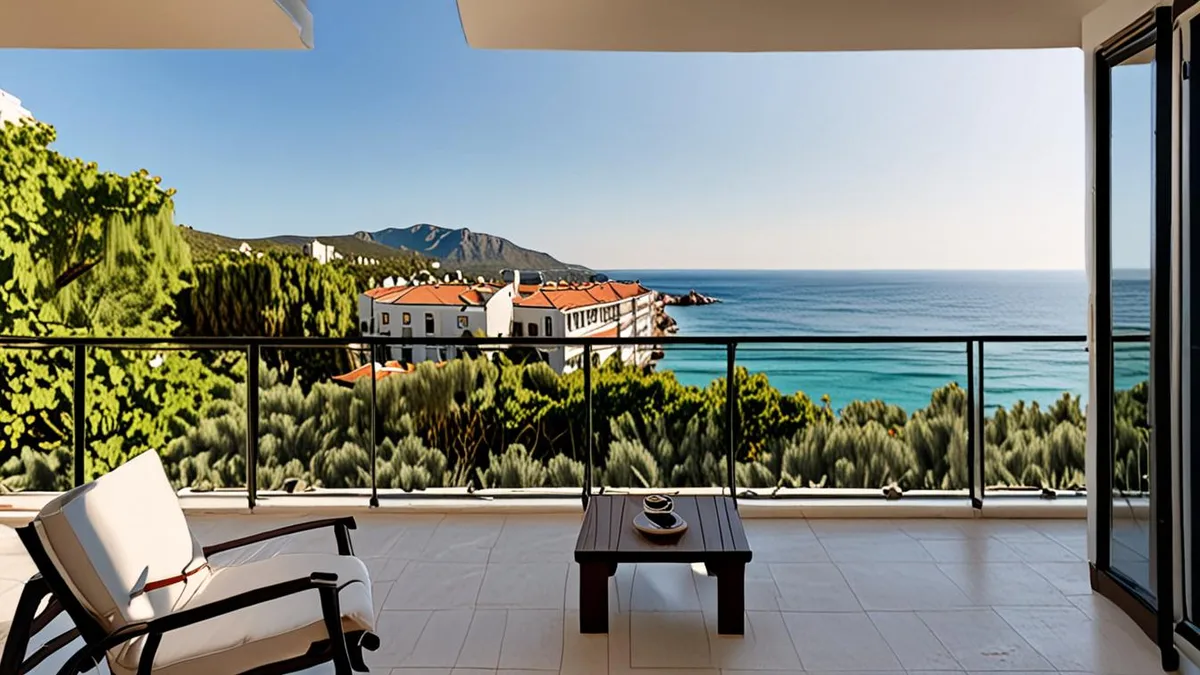
Some trips are simply made for a villa, and it usually comes down to who you’re traveling with and what your days look like. If your ideal holiday involves long breakfasts on a terrace, an afternoon by your own pool and evenings watching the sun drop over the water, no apartment can replicate that. Here’s where villas deliver the most value.
- Groups of 6-10 people. Sharing one villa instead of booking multiple units gives you the best value per person, plus a shared living room and pool where everyone actually spends time together rather than splitting between rooms. Splitting the rental cost between several couples or friends often makes a large villa surprisingly affordable compared with booking separate apartments.
- Families with young children. A private pool means you can watch the kids swim from the terrace instead of supervising at a crowded public beach, and fenced grounds let toddlers roam safely. You also skip hauling umbrellas, toys and coolers to the beach every morning — the pool and shade are already there. With multiple bedrooms, everyone gets real space to nap and unwind after a day in the sun.
- Privacy seekers and slow travelers. If you want an unhurried holiday with sunset views over walkability, a hillside villa delivers exactly that. You trade the ability to stroll out for dinner for total quiet and your own space, which many travelers find worth the trade-off.
The common thread is control: your own pool, your own schedule, your own kitchen. If that appeals more than stepping out your door straight into restaurants and beaches, a villa is the right call — just plan around the driving it requires.
When an Apartment Wins
If you’re traveling as a couple or solo for a short 3-5 night trip, an apartment usually makes more financial sense than a villa. You skip the private pool you’d barely use, and a central location means you may not need a rental car at all. That alone can save you a meaningful chunk of your budget, since car hire plus parking adds up quickly on a short stay.
Car-free travelers should look closely at apartments in Budva or Kotor. Many coastal apartments sit just 100-500 m from the beach, so you can walk down in the morning with a towel and nothing else. Buses connect the main towns well, and staying in town means restaurants, minimarkets and the old town are all on foot.
Nightlife-focused trips are another clear apartment win. Budva’s bars and clubs cluster around the center, and an apartment there puts you minutes from the action. A hillside villa sounds romantic until you’re calculating taxi fares after every dinner.
- Short trips reward simplicity: with only 3-5 nights, the time spent driving to a villa, shopping for groceries and managing a full kitchen eats into hours you could spend on the beach.
- Check the actual walking route to the beach, not just the distance — a 400 m stroll down a steep road feels very different from a flat 400 m along the promenade.
- If you plan day trips by bus rather than rental car, pick an apartment within easy walk of the main bus station in Budva or Kotor so arrivals and departures stay stress-free.
- Light sleepers should still check reviews for noise: central Budva apartments trade convenience for late-night sound, so request an upper floor or courtyard-facing unit if that matters to you.
Best Areas and Seasons for Each Stay Type
Kotor Bay is villa territory. The bay’s fjord-like setting — steep mountains dropping into calm, dark water — rewards stays that linger on a terrace rather than rush out the door. Villas perched above Perast, Dobrota or the hills toward Tivat trade walkability for those sweeping views, so they work best if you have a car and plan to swim, cook and watch the light change across the water.
Budva and the Riviera, by contrast, suit apartments. The long beaches, promenades and restaurant strips are built for stepping out of your front door in flip-flops. Many coastal apartments here sit within a short walk of the sand, which matters far more in Budva than in the bay, where the shoreline is often rocky and access points are scattered.
Timing your booking
Peak season runs mid-June to early September, and demand on the coast is intense. For that window, book a villa 4-6 months ahead — the best hillside properties with private pools get picked over early. Apartments give you more flexibility, but 2-3 months ahead is still wise for July and August.
Why shoulder season favors villas
May, late September and October change the math. Rates drop, the coast road through the bay quiets down, and in warm late September a private pool is still genuinely usable. If a villa has tempted you but felt out of reach in peak summer, this is when to book it. The same logic applies elsewhere on the Adriatic — if you’re weighing a villa holiday in the region, it’s worth reading about beach villas in Sarandë for sunny holidays to see how shoulder-season value plays out across the coast.
How to Verify a Listing Before You Book
Villa photos can flatter. A pool shot from three summers ago, a “5 minutes to beach” claim measured by a seagull — before you pay a deposit, especially for a hillside villa, spend twenty minutes verifying the details yourself. Here’s how.
- Read reviews with a checklist in mind. Filter or search recent reviews for mentions of the pool (is it clean, heated, actually private?), air conditioning (older villas sometimes have units in bedrooms only, leaving living areas sweltering in August), and the access road. Hillside villas often sit down steep, narrow lanes with tight switchbacks — reviewers frequently mention if a nervous driver will hate the approach.
- Measure distances yourself. Open a map app and drop a pin from the listing’s exact location to the beach and the nearest supermarket. Villas are often 1-3 km inland or up on hillsides, so a “close to everything” claim can mean a 25-minute walk in heat with beach gear. If the pin seems vague, ask the host for the exact coordinates.
- Ask about parking before booking. Confirm that parking is private, on-site and included in the rate. For a villa stay, where you’ll be driving daily, street parking or a shared gravel turnout is a real quality-of-life issue — and some properties charge separately for a guaranteed spot.
Doing this homework costs you nothing but a few messages to the host. Legitimate owners answer quickly and precisely; vague or evasive replies are themselves useful information. Ten minutes of checking can be the difference between the holiday you pictured and the one you actually get.
Making Your Montenegro Choice
So which should you book in Montenegro? If you’re a group of friends or two families traveling together, or you simply want a private pool and space to spread out, a villa is hard to beat — especially in shoulder season, when the price gap narrows and rates drop enough to make a hillside place with sea views genuinely attainable.
If you’re a couple on a short trip, skipping the rental car and staying steps from the beach and nightlife, a central apartment in Budva or Kotor will likely serve you better and cost far less. In the end, it comes down to three things: your group size, how you plan to get around, and how much a private pool matters to you. Weigh those honestly and the right choice usually becomes obvious. If this helped you decide, leave a comment or share the article with your travel crew.