Choosing between Tuscany vs Amalfi coast for a villa holiday is a genuinely tough call, because both deliver that postcard-perfect Italy you have in your head. The catch is that they suit very different trips. A Tuscan farmhouse with a pool typically runs €3,000 to €10,000+ per week in peak season, while an Amalfi Coast villa usually starts higher, at €5,000 to €15,000+, and often sleeps fewer people. One region means rolling hills, vineyards and space to spread out; the other means vertical villages, sea views and a shorter rental season.
This guide breaks the decision down piece by piece: the core differences at a glance, what each region charges in peak season, when to go and how far ahead to book, the airports and driving reality of each, and which region fits your group size and travel style. We will also cover how to pick the right villa once you have chosen a region, and finish with a clear bottom line. By the end, the choice should feel obvious for your trip.
Tuscany vs Amalfi Coast: The Core Differences at a Glance
Countryside living versus cliffside living
Tuscany is fundamentally an inland experience. Villas here are farmhouses and country estates set among vineyards, olive groves and cypress-lined lanes, often minutes from walled hill towns. The coast exists as an option, not the point: many travelers spend a week without seeing the sea at all, and never miss it.
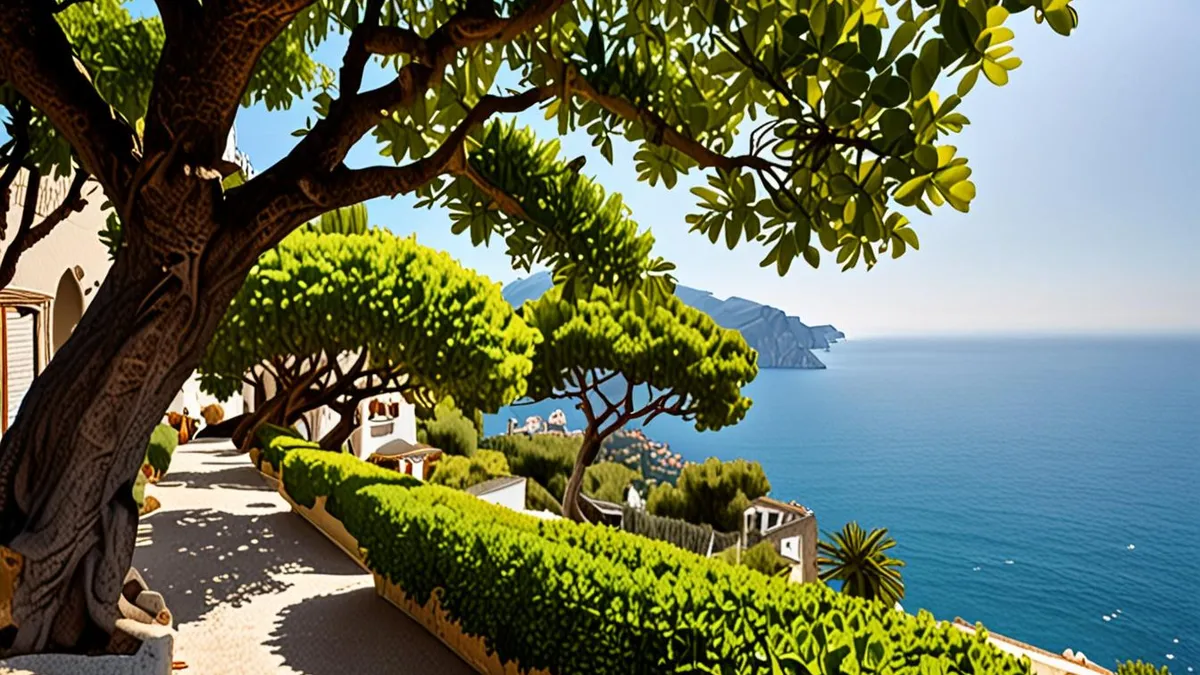
The Amalfi Coast is the opposite. It is a dramatic vertical stretch of coastline where villages like Positano and Ravello cling to cliffs above the Tyrrhenian Sea. The water is the whole reason you came. Your villa’s terrace, your morning view and your swim are the daily routine, and everything else revolves around it.
Two very different rhythms
These landscapes shape how you travel. Tuscany rewards self-driven exploration: you base yourself in one spacious property and fan out to wineries, markets and hill towns, returning each evening for long dinners at home. Privacy and land are part of the package, which is why large farmhouses dominate the market there.
The Amalfi Coast favors staying put. Villas are typically smaller and perched on the cliffs, roads are slow and parking is scarce, so days tend to center on the villa, the beach or a boat rather than a driving itinerary. It suits couples and smaller groups who want glamour and sea views over square footage.
So frame the decision early with one simple question: do you want landscape, space and privacy, or sea views and coastal drama? Answer that first, and everything else—budget, season, logistics—falls into place.
Villa Rental Costs: What Each Region Charges in Peak Season
Let’s talk numbers, because villa budgets look very different on each side of the peninsula. In peak season (July and August), a Tuscan farmhouse typically runs from €3,000 to €10,000+ per week. Spread across a group of 8 to 12 sharing, that often works out to a very reasonable per-bedroom rate, especially for properties with pools and big kitchens.
Amalfi Coast villas start higher and climb faster. Expect €5,000 to €15,000+ per week at the top of the season, and the properties with genuine, unobstructed sea views sit at the very top of that range. A terrace overlooking Positano can double the price of an equally nice villa a few streets back from the water.
Timing moves the needle more than most travelers expect. On the Amalfi Coast, shifting your stay to May, June, September or October can noticeably cut the weekly rate while the sea is still warm. In Tuscany, April and October deliver similar savings, with cooler days that suit wine tasting and sightseeing better than beach weather.
Finally, budget for the extras that come with each region, because they add up over a week:
- Amalfi parking: if you do bring a car, expect daily garage fees in towns like Positano and Amalfi, which can rival a nice dinner out each night.
- Boat transfers and water taxis: many Amalfi stays involve at least one private transfer or excursion, a line item Tuscan groups never face.
- Tuscany car hire: two vehicles for a large group plus fuel and tolls can add several hundred euros to the week.
- Longer drives to dinner: Tuscan farmhouses can sit 20 to 40 minutes from a good restaurant, meaning taxi costs or a designated driver most evenings.
- Chef and grocery services: remote Tuscan villas often tempt groups into in-house chefs or pre-stocked fridges, convenient but a real addition to the total.
If your budget stretches further in Tuscany but you still crave a coastal villa vibe, it’s worth comparing nearby alternatives such as the best areas to rent a villa in Portugal, where the Algarve offers sea views at gentler price points.
When to Go: Seasons and Booking Lead Times
Tuscany gives you the longest window to work with. Its villa season runs roughly from April to October, and spring and autumn can be genuinely lovely, with mild days good for walking hill towns and long lunches outside. July and August are the hot, expensive peak: expect high temperatures, higher prices and busier roads around the most popular towns.
The Amalfi Coast is more constrained. Its villa season is roughly May to September, because many properties, restaurants and beach clubs close in the colder months. A villa that looks magical in photos may simply not be bookable, or fully serviced, outside that window, so if Amalfi is your pick, your dates are effectively chosen for you.
Booking lead times for peak summer
If you want July or August in either region, treat it like booking a wedding venue. The best villas, especially those with private pools in Tuscany or true sea views on the Amalfi Coast, are typically reserved 6 to 9 months ahead. Waiting until spring usually means choosing from whatever is left, often at the top of the price range.
For the best overall balance, aim for May, June or September on either coastline. The weather is warm but not punishing, crowds are thinner, and prices sit below peak. September is particularly appealing: the sea is at its warmest after the summer, yet the school-holiday rush has ended. Check current availability and rates with villa agencies early, even for shoulder months, as the most desirable properties still move fast.
Getting There and Getting Around
Tuscany is well connected by air. Florence and Pisa airports both put you within striking distance of the classic villa regions, and Rome is a practical alternative if your rental sits in southern Tuscany, around the Val d’Orcia or the hills near Montepulciano. From any of these, most villa areas are a one to two hour drive away.
The Amalfi Coast funnels through Naples. From the airport, expect around 1.5 to 2 hours by car to Positano in season, longer if traffic on the coast road is heavy. Many travelers break the journey with a private transfer or a ferry from Naples or Sorrento once they are close.
Once you arrive, the two regions demand completely different approaches. Tuscany almost requires a hire car: hill towns are scattered, distances are long, and public transport between villages is thin. On the Amalfi Coast, the equation flips, and a car quickly becomes a liability thanks to narrow roads and scarce, expensive parking.
- In Tuscany, book a car with a smaller footprint; some hill town streets and farm gates were never designed for large SUVs, and gearboxes take a beating on gravel farm drives.
- Consider a car with driver for your Amalfi arrival and departure, so you skip the stress of the coast road on day one with luggage aboard.
- Sita buses connect the main Amalfi towns cheaply, but they jam up in August, so plan around morning departure times.
- Ferries between Positano, Amalfi and Capri are often faster than the road in high season and give you the coast’s best views for free.
- In Tuscany, check whether your villa offers private parking before you arrive; some farmhouses leave you parking along an unpaved lane.
Which Region Suits Your Group and Travel Style
Tuscany is built for groups. Large farmhouses with pools, big shared kitchens and long dinners in naturally suit parties of 6 to 12, and the cost per couple drops fast when everyone splits a substantial property. If your idea of a holiday involves cooking together, opening bottles at a long table and letting the evening run late, the countryside does that better than the coast.
Amalfi villas are usually smaller, typically hosting 2 to 8 guests, and they reward couples and families who want sea views above all else. Space is at a premium on a vertical coastline, so expect tighter rooms, terraces instead of lawns, and a slower, view-first routine rather than a house party.
What you will actually do all day
In Tuscany, the days fill themselves: wine tastings at nearby cellars, cooking classes at the farmhouse, cycling routes through the vineyards, and day trips to Siena, San Gimignano and Florence. Each outing is an easy drive, and you can plan a different direction every morning.
On the Amalfi Coast, the rhythm is beach days, boat trips to Capri, and evenings wandering Positano’s lanes and restaurants. You trade variety for intensity: fewer places, but each one framed by sea views that make you want to stay put and do very little.
How to Choose the Right Villa Once You Pick a Region
Once you have chosen a region, the villa checklist changes. In Tuscany, look closely at the pool and the practicalities: how deep and shaded the pool is for small children, whether the house has proper air conditioning for July heat, and whether the advertised drive times to the towns you plan to visit are realistic rather than optimistic.
On the Amalfi Coast, access is the big one. Many cliffside villas involve 100+ stairs from the road, which sounds romantic until you are hauling suitcases up them in August heat. Ask exactly how many steps there are, whether there is any vehicle access for luggage, and how far the walk is to the nearest restaurant or bus stop.
Before you pay a deposit, confirm the bed configurations and bathroom counts actually match your group. Villas often mix doubles, twins and sofa beds, and a listing that “sleeps 10” may mean four couples plus six children squeezed onto convertibles.
- Ask for recent photos of the pool area, not just the villa interior, since some Tuscan pools sit far from the house or lose sun by mid-afternoon.
- On the Amalfi Coast, check whether the sea view is from every bedroom or only the terrace; “sea view” can mean one window.
- Decide early whether staff and chef service matters, and filter listings for it; in Tuscany a cook for a few evenings is often easier to arrange than daily housekeeping.
- Confirm whether the private pool is exclusive to you; some Tuscan farmhouses share a pool with other apartments on the estate.
- Ask about parking spaces in Amalfi towns if you plan any driving, since a villa with one space may not fit a second car.
The Bottom Line: Tuscany or Amalfi Coast
If you are torn between the two, the comparison comes down to this: Tuscany wins on space, group value and inland culture, while the Amalfi Coast wins on sea views and coastal drama. Costs run higher on the Amalfi Coast, and its season is shorter, whereas Tuscany offers more months of usable weather and more room per euro for larger groups.
The right pick comes down to three simple questions: how many people are traveling, whether you want to drive, and whether the sea or the countryside is the highlight of your trip. Answer those honestly and the decision usually makes itself. If this helped you choose, leave a comment or share the article with your travel group.