Choosing between a hotel or aparthotel is one of the first decisions parents face when planning a trip with kids, and it is rarely obvious. A traditional hotel promises daily housekeeping, breakfast on site and someone at the front desk when things go wrong. An aparthotel offers a kitchenette, a living area and separate bedrooms, but fewer services. Both can work well for families, depending on how long you stay, how old your children are and what your budget looks like.
This guide walks through the differences step by step. We compare what each option actually offers families, how much space and sleeping capacity you can expect, where the real savings hide, and which option suits short city breaks versus longer stays. We also look at pools, parking and kid-friendly extras, share booking tips for family rooms and apartments, and finish with a simple way to match the choice to your own trip.
Hotel or Aparthotel: What Each One Actually Offers Families
The two options look similar on a booking site, but they work very differently once you arrive. A hotel is built around service: your room is cleaned daily, the front desk is staffed around the clock, and there is usually a restaurant or bar on site if nobody wants to go out after a long day of sightseeing. Many hotels also offer concierge help, which is handy when you need a late checkout, a taxi with a child seat or a recommendation for a quiet dinner near the kids’ bedtime.
What an aparthotel actually is
An aparthotel blends the two worlds. You get apartment-style units with a kitchenette and a living area, so you can cook a simple pasta dinner, store yogurt and snacks in the fridge and spread out beyond a single room. Cleaning is usually less frequent than in a hotel, often weekly or on request, and you should not count on room service or a full restaurant.
In practice, the choice comes down to trip style. Hotels suit short stays where convenience matters most, because you spend more time out and about and want everything handled for you. Aparthotels suit longer trips where space, a kitchen and a bit of routine make the difference between a relaxing holiday and a cramped one.
Space and Sleeping Arrangements for Your Family Size
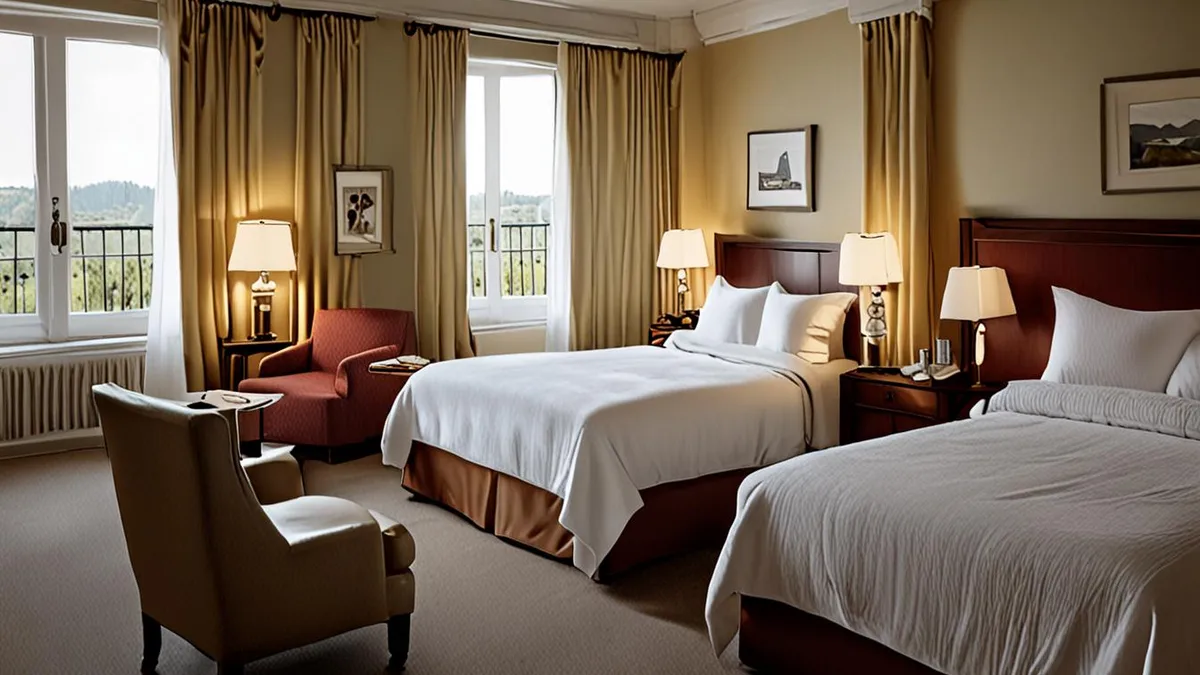
Sleeping arrangements are where the two options diverge most for families, and it is often the detail that decides the whole booking. A standard hotel family room usually caps at four guests, typically with two double beds pushed into one space. That works fine for two adults and two young children, but it gets tight with a teenager, a grandparent or a third child in the mix. Some hotels will add a rollaway bed, but this often comes with an extra charge, takes up floor space you do not have, and needs to be confirmed before you arrive rather than hoped for at the front desk.
Aparthotel apartments solve the space problem more naturally. One- and two-bedroom units commonly sleep five or six people, using a mix of proper beds in the bedrooms and a sofa bed in the living area. The extra room is not just about headcount, either. When children sleep behind a closed door in a separate bedroom, parents can talk, read or watch something quietly in the evening instead of sitting in the dark at 8 pm whispering. That small daily comfort adds up over a week, and it is one of the main reasons families with three or more children end up preferring apartments even when the nightly rate looks similar.
- Check the bed configuration, not just the capacity. Some apartments list “sleeps six” but count two of those on a sofa bed, which may not suit two adults for a full week.
- Ask whether the sofa bed opens automatically. In some units you need to request extra bedding or set it up yourself each night, which matters more than you would expect with tired kids.
- Confirm cot availability in advance. Apartments often have fewer cots on hand than hotels, so request one when you book rather than on arrival.
- Look at the bathroom count. Two-bedroom units sometimes share a single bathroom, which can slow down school-age mornings just as much as a cramped hotel room.
Cost Comparison: Nightly Rates, Food and Hidden Savings
The nightly rate is only the starting point. On stays of five nights or more, aparthotels typically run 10-25% cheaper than comparable hotel rooms, partly because you are paying for space rather than for daily service. The savings grow once you factor in food.
Where the money really goes
Hotel breakfast is the classic example. For a family of four, it can add €30-60 per day, which adds up quickly over a week. In an aparthotel, self-catering breakfasts and simple dinners can cut daily food costs by roughly 40-50%, especially if you shop at a local supermarket and keep lunches light. Even a handful of home-cooked meals makes a noticeable dent in the total.
Then there are the smaller extras that hotels charge and aparthotels often reduce or remove. A minibar nobody touched but the kids opened, hotel laundry prices for a bag of children’s clothes, and paid parking can quietly add a meaningful amount to the bill. In an apartment you wash a load yourself, skip the minibar entirely and often park for less or for free.
None of this makes hotels a bad deal. You are paying for genuine convenience, and on a short trip that convenience can be worth every euro. The point is to compare the full cost of the stay, not just the rate on the booking page.
Trip Length: When a Hotel Beats an Aparthotel
Trip length is often the single biggest factor in this decision. For a quick weekend away or a two- to three-night city stop, a hotel usually wins without much debate. You skip grocery shopping entirely, your room gets cleaned every day, and if a toddler melts down at 7 pm you can order room service instead of cooking.
Short stays simply don’t give an aparthotel’s advantages time to matter. A kitchenette you use for one dinner and a washing machine you never load offer little value, while the things you give up — daily housekeeping, a front desk that answers instantly, breakfast downstairs — are exactly what make a short trip feel effortless.
When longer stays tip the other way
Once your trip stretches to a week or more, the equation flips. On stays of 7+ nights, the kitchen and laundry in an aparthotel genuinely pay off, both in money and in comfort. Eating breakfast at home, washing a load of clothes mid-trip and having space to spread out make a long stay feel far less cramped than a standard hotel room.
Mixing both on multi-city trips
City-hopping families don’t have to pick one option for the whole trip. A practical pattern is to use hotels for the short stops of one or two nights, where convenience counts most, and book an aparthotel as your longest base. If you’re spending five nights in one city between shorter stops, that’s the place to choose the apartment-style unit and settle in.
Location and Facilities: Pools, Parking and Kid-Friendly Extras
Facilities can swing the decision as much as price, but they work differently for each option. Hotels are far more likely to offer the extras families remember: a pool for the evening wind-down, a kids’ club that gives parents a break, and restaurants downstairs for nights when nobody wants to cook or go out. If those matter to you, a hotel is usually the safer bet.
That said, don’t assume a pool is usable year-round. Many hotel pools, especially outdoor ones in Europe, close outside the high season. Check the opening season before you book if swimming is a dealbreaker for your kids, and confirm whether there’s a dedicated children’s pool or just a lap pool.
Aparthotels compensate with practicality rather than amenities. In-unit laundry is the standout: anyone who has hand-washed baby clothes in a hotel sink or packed double the outfits for a beach week knows exactly how valuable a washing machine is.
- Kids’ clubs: ask about age ranges, since many cater to 4-12 year olds and leave toddlers or teens out, and whether sessions are included or paid separately.
- Cots and high chairs: hotels usually provide both free on request, while some aparthotels charge or have limited stock — reserve early.
- On-site dining: hotels may have a restaurant and bar; aparthotels often have just a small shop or none, so check what’s within a five-minute walk.
- Pool towels and hours: in aparthotels with shared pools, opening hours can be shorter and towels aren’t always provided.
Finally, compare parking costs and walking distance to the attractions on your list before booking either option. A cheaper room with expensive overnight parking and a long walk to the old town can end up costing more in time and money than a slightly pricier, better-placed alternative.
How to Book: Timing and Room Types for Family Stays
Booking a family stay takes a bit more planning than booking for two, because genuinely family-friendly rooms are scarcer than standard doubles. Popular family resorts and city aparthotels often hold only a handful of units that actually work for parents with kids, so the best layouts go first. A few simple habits at booking time make a big difference between arriving to a cramped room and getting exactly the setup you need.
- Book early for summer. Family rooms and two-bedroom apartments sell out first, so aim to reserve 2-3 months ahead for summer travel. Waiting until a few weeks out often leaves you choosing between connecting unsuitable rooms or paying for two units.
- Filter by room type, not by “family” label. Search for ‘connecting rooms’ when browsing hotels, or ‘two-bedroom’ units in aparthotels. This confirms the real capacity and layout instead of relying on vague photos or a listing that simply says “sleeps four.”
- Count heads including children. Some listings quote maximum occupancy that assumes two adults; check that kids count fully and that a family of five isn’t quietly over the limit for a standard room.
- Read the cancellation terms carefully. Apartment rates are often less flexible than hotel rates, with shorter free-cancellation windows or stricter change fees. If your plans might shift, compare the flexible rate before committing to the cheapest one.
- Confirm cleaning frequency. Aparthotel cleaning is often weekly or on request rather than daily, so if a mid-stay freshen-up matters, ask what’s included when you book.
It also pays to put questions in writing. A short message asking about bed sizes, cot availability, or whether the kitchen includes basics like a kettle and dishes creates a record you can refer to if anything is missing on arrival. If a property can’t answer clearly, treat that as a warning sign and look elsewhere.
A few minutes of filtering and reading the fine print at booking time spares you the most common family disappointments: a room that technically fits everyone, a rate you can’t change, and a kitchen you didn’t realize came with extra rules. Do it once, carefully, and the rest of the trip gets easier.
The Right Choice for Your Family Trip
So, which one wins? There is no single answer, and that is the point. Choose a hotel for short trips where service, breakfast and location convenience matter most. Choose an aparthotel for longer stays where space, a kitchen and lower food costs win. A family of four squeezed into a standard room for two nights has very different needs from the same family spending a week or more in one city.
The smartest move is to match the choice to your trip length, family size and budget rather than to a fixed rule. Ask how much space you truly need, how often you want to eat out, and whether daily housekeeping or a kitchen matters more. Answer those three questions and the right option usually becomes obvious. If this helped you decide, leave a comment or share the article with another traveling family.