Many first-time visitors book their hotel area in Rome based on price alone, then realize too late that a bargain room across town means long metro rides and bus transfers just to reach the Pantheon. Hours that should be spent in piazzas and gelato lines get eaten up by commuting, and evenings near your hotel feel like a different city from the one you came to see.
The good news is that Rome rewards a little planning. This guide walks through the city’s most practical neighborhoods for first-timers: the walkable Centro Storico and Monti, the characterful Trastevere and Prati, and the budget-friendly Termini area and outer districts. You’ll also learn how to match your area to your travel style and the season, and how to double-check a hotel’s location before you hit the book button. By the end, you’ll know exactly where to base yourself for a first trip that feels effortless.
Why the Right Hotel Area in Rome Makes or Breaks a First Trip
Rome is one of those rare capitals where the sights you came for sit packed into a remarkably small area. The historic center is compact, which means a hotel anywhere near the middle puts the Pantheon, Trevi Fountain and Campo de’ Fiori within a 20-30 minute walk of your door. You can head out for a morning sight, come back for a midday rest, and still fit in an evening stroll past illuminated fountains.
Now compare that with a cheaper room 45 or more minutes away. You’ll typically spend 10-15 EUR per day per person on transit, and more importantly, you’ll lose real sightseeing time to platforms and bus stops. On a three-day first trip, that can easily add up to half a day of your visit.
Walkability beats room size
Here’s a tip repeated by almost everyone who has done Rome right: you will spend very little time in your room. Most days run from early morning to late evening, outdoors. So if you have to choose between a bigger room in a distant neighborhood and a snug room in the center, take the snug room. Location is the amenity that matters most in Rome.
Centro Storico and Monti: Best for Sightseeing on Foot
For first-timers who want everything on foot, Centro Storico is hard to beat. This is the warren of cobbled streets around the Pantheon, Piazza Navona and the Trevi Fountain. Stay here and sightseeing happens in short bursts: step out of your hotel, wander ten minutes, cross another must-see off the list, then stop for coffee. Evenings are just as easy, with restaurants and bars filling the little squares around you.
On the other side of the center, Monti is Rome’s oldest quarter and has a distinctly bohemian feel. Expect vintage shops, small cafés and neighborhood trattorias, all a short stroll from the Colosseum and Roman Forum. Mid-range doubles here typically run around 120-250 EUR per night, similar to the Centro Storico, but the atmosphere feels more local and slightly more relaxed.
What you trade for the location
Central Rome comes with quirks. Streets are narrow, car access is limited, so if you’re renting a vehicle, check how you’d reach your hotel and where you’d park. Prices are also higher than in outer neighborhoods, and rooms can be smaller than the photos suggest. In exchange, you get maximum walkability, which for a first trip is usually the best deal in the city.
Trastevere and Prati: Local Feel at Lower Prices
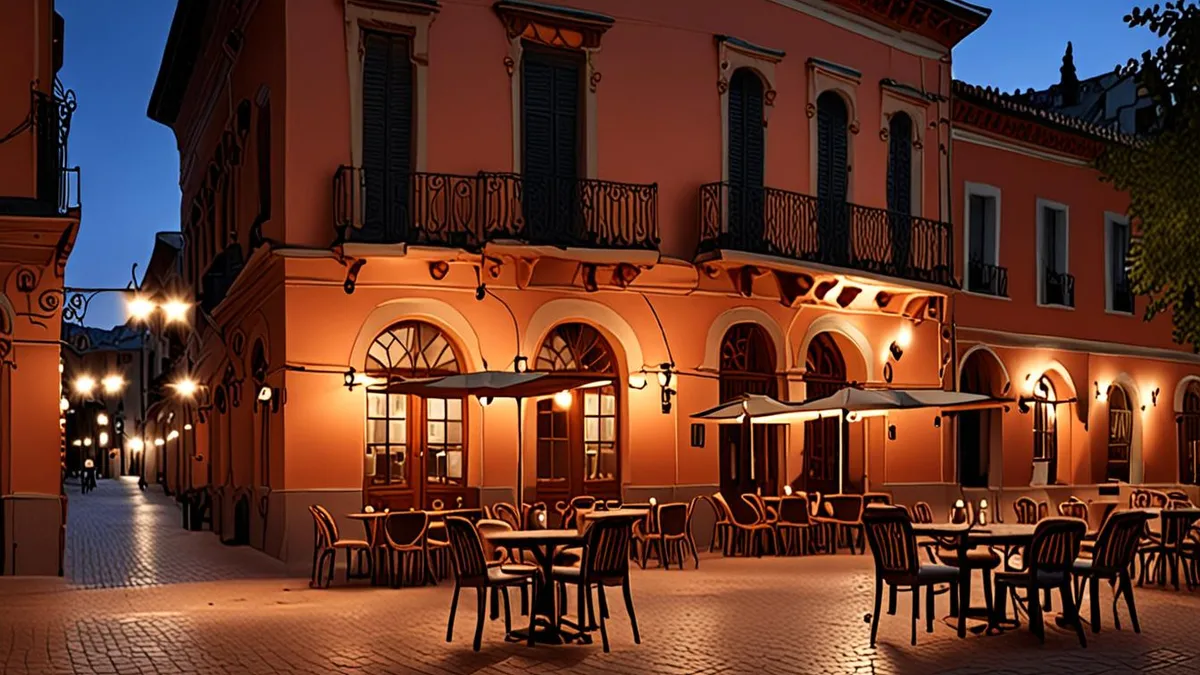
Trastevere sits across the Tiber and delivers exactly what many travelers picture when they imagine Rome: ivy-covered buildings, family-run trattorias and a lively bar scene after dark. Doubles here typically go for 90-180 EUR per night, noticeably less than the historic center. The walk to the main sights takes around 20-25 minutes, and you can also cross the river on one of several bridges or use the tram along the district’s edge.
Prati, just north of the Vatican, is a different kind of neighborhood: quiet, residential and orderly, with leafy streets, local shops and a far calmer feel than the center at night. It offers good value for money and easy access to the metro, which makes reaching the center simple. Being near St. Peter’s also means you can visit the Vatican early, before the crowds build.
Who these areas suit best
Both districts are ideal for travelers who want an authentic neighborhood experience without paying historic-center premiums. If you care about dinner in a Roman trattoria and a genuine local rhythm, Trastevere delivers. If you prefer quiet nights and space to breathe, Prati is the safer pick. Just be honest with yourself about the extra walking or transit time each day.
Termini and Outer Districts: When Budget Comes First
If your main goal is to keep costs down, the area around Termini station is where you will find Rome’s cheapest beds. This is the city’s main rail hub, and it sits about 2-3 metro stops from the historic center, which works out to roughly 10-15 minutes by metro. For the price of a slightly longer morning commute, you can often pay noticeably less than in the Centro Storico.
The real advantage goes beyond the metro. Termini connects you to the airport express trains, regional trains and both metro lines, so it is the most practical base if your trip is built around day trips. Think Orvieto, Florence or Naples by train, with Rome as your home base rather than your main attraction.
When outer districts make sense
Rooms in outer districts can save you 30-50% compared to central rates, but that saving comes with a trade-off: expect 30-45 minutes of daily commuting each way if you want to see the classic sights. Over a three-day stay, that adds up to several hours on buses and metro cars instead of standing in front of the Trevi Fountain.
This area works best for short stays focused on day trips by train rather than evening city atmosphere. If you plan to be out until late wandering piazzas and trattorias, a room near Termini means a late-night metro ride or a taxi fare back. If you are on a tight budget and mostly need a clean bed and a fast train connection, it is a smart, honest choice.
Matching the Area to Your Travel Style and Season
There is no single best area in Rome, only the best area for the way you travel and the time of year you visit. A couple celebrating an anniversary has different needs from a family with young children, and a first-timer with three days and a full itinerary has different needs from both. Matching your neighborhood to your travel style is the step most people skip, and it is often the reason a hotel that looked great online feels wrong in person.
Season matters just as much as location. In high season, which runs from April to June and again from September to October, central districts fill up fast and prices climb. Book 2-3 months ahead to secure better rates in areas like Centro Storico and Monti, and 4-6 months ahead if your trip falls around Easter or in summer, when crowds peak. In low season, from November to February (excluding Christmas and New Year), rates drop roughly 20-40%, which can suddenly make the Centro Storico affordable for travelers who would normally settle for somewhere further out.
To make the match easier, here is how different types of travelers tend to fit Rome’s main areas:
- Couples: Trastevere suits romantic evenings, with its candlelit trattorias and lively bar scene across the river, so you can walk home after dinner without needing a taxi.
- Families: Prati’s quiet, residential streets near the Vatican mean calmer nights for children, wider sidewalks for strollers, and easy metro access for reaching the sights.
- First-timers on tight schedules: Staying in Monti or Centro Storico puts you within walking distance of the Pantheon, Trevi Fountain and Colosseum area, which means less time in transit and more sights checked off each day.
Whichever profile fits you, decide your priorities before you start booking. A hotel in the wrong area is hard to fix once you have arrived, but a slightly smaller room in the right neighborhood usually disappears from memory by the second morning.
How to Check a Hotel’s Location Before You Book
Hotel listings are optimistic by nature. A property described as “in the city center” can sit anywhere from a five-minute stroll to the Pantheon to a forty-minute bus ride away, and both can technically claim the label. Photos rarely help either, since a wide-angle shot of a pretty courtyard tells you nothing about the three-lane road between the hotel and the sights you came for. Before you enter your card details, spend ten minutes verifying the location yourself. It is the single most useful thing you can do after comparing prices, and it costs nothing but a little patience with a map.
- Measure real walking distances on a map. Drop a pin on the hotel and check how far it actually is to the Pantheon or the Colosseum on foot, not as the crow flies. A straight-line distance of one kilometer can easily become a twenty-minute walk once narrow streets and one-way roads are factored in. Remember that Rome’s historic center is compact, with many sights within a 20-30 minute walk of each other, so a genuinely central hotel should sit inside that radius.
- Identify the nearest metro stop. Look for a station on Line A or Line B within reasonable walking distance, and note which line it serves, since this determines how easily you reach the Vatican side or the Colosseum side of the city.
- Trace your arrival route from Termini. If you are arriving by train, work out exactly how you will get from Termini station to the hotel: which metro line, how many stops, and whether the final stretch is a short walk or an awkward drag with luggage over cobblestones. Termini sits roughly 10-15 minutes by metro from the historic center, so anything much longer deserves a second look.
- Read recent reviews that mention noise. Filter or search reviews for the word “noise” and focus on the most recent ones. Rooms facing central piazzas can be loud into the night, and Trastevere’s bars keep the neighborhood lively until late, which some travelers love and others regret.
Ten minutes of checking saves you from the two most common booking mistakes: a hotel that looks central on a map but is not, and a charming room that turns out to sit directly above a piazza full of evening crowds. It also protects your budget, because a hotel that seems cheap per night can quietly add daily transit costs if it sits far from everything on your itinerary. Do this check before you pay, not after you arrive with suitcases in hand, and your first evening in Rome will start on the right foot.
Wrapping Up Your Rome Area Choice
Choosing a hotel in Rome on price alone is how first-time trips go wrong. A cheap room far from the center often means trading your sightseeing hours for bus and metro rides, and the savings shrink fast once you add daily transit costs. The smarter move is to match the area to your priorities before you book. Centro Storico and Monti maximize walkability and put you steps from the major sights. Trastevere and Prati balance price and character, giving you a local feel without historic-center premiums. Termini suits tight budgets and short stays built around train travel.
Timing matters as much as location. Book 2-3 months ahead in high season, and 4-6 months ahead for Easter and summer, to lock in central rates. The right hotel area in Rome comes down to matching walkability, budget and season before you book. If you’ve stayed in one of these neighborhoods, share your experience in the comments below.