You want a Helsinki stay with real Nordic design character, but you are unsure which districts and stay types deliver it at a fair price. That is a common dilemma, because the city’s design hotels are spread across several neighborhoods, and a “stylish” label on a booking site does not always guarantee the genuine article. The good news is that Helsinki design hotels tend to be more affordable than their Stockholm or Copenhagen counterparts, especially if you time your visit well.
This guide walks you through what makes these hotels special, from Finnish design heritage and converted historic buildings to the saunas and locally made textiles you should expect as standard. We cover the best areas to stay, when to book for the lowest rates, how to spot a genuine design hotel before you commit, budget strategies for the Design District, and how to pair your hotel with the city’s design scene. By the end, you will know exactly where to stay and how much to pay.
Why Helsinki Design Hotels Stand Out
Helsinki’s hotel scene is shaped by a design culture that runs far deeper than surface styling. The legacy of Alvar Aalto and Marimekko shows up everywhere: natural wood paneling, clean lines, functional furniture that actually works rather than just photographs well. When you check into one of these hotels, the chairs, lighting and textiles are usually chosen with the same care a Finnish homeowner would apply, which gives the rooms a lived-in authenticity that generic boutique chains struggle to copy.
Buildings with real history
Many of the city’s most characterful properties sit inside converted 1930s functionalist or Art Nouveau buildings rather than purpose-built blocks. That matters more than you might think. Original stairwells, high ceilings and period facades give each hotel a sense of place, and no two stays feel quite the same. A purpose-built design hotel can look sleek, but it rarely tells a story the way a converted harbor office or a former commercial building in the center does.
The other thing that sets Helsinki apart is what counts as standard. Saunas, minimalist spas and locally made textiles are treated as everyday features here, not luxury extras bolted on to justify a higher rate. Even mid-range properties often include a sauna you can book privately, and bedding and bathrobes are frequently produced by Finnish textile brands. In practical terms, this means you get the wellness and craft elements that other cities charge a premium for, often included in a rate that is already reasonable by Nordic standards.
Best Areas for Design Hotels in Helsinki
Helsinki is compact enough that almost any central hotel works, but the character of your stay changes noticeably depending on the district you pick. The three areas below cover the full range, from design-forward boutique quarters to practical central bases. If you are weighing Helsinki against other Nordic capitals, the same logic applies as in our guide to Stockholm hotels for first-time visitors: pick the neighborhood first, the hotel second.
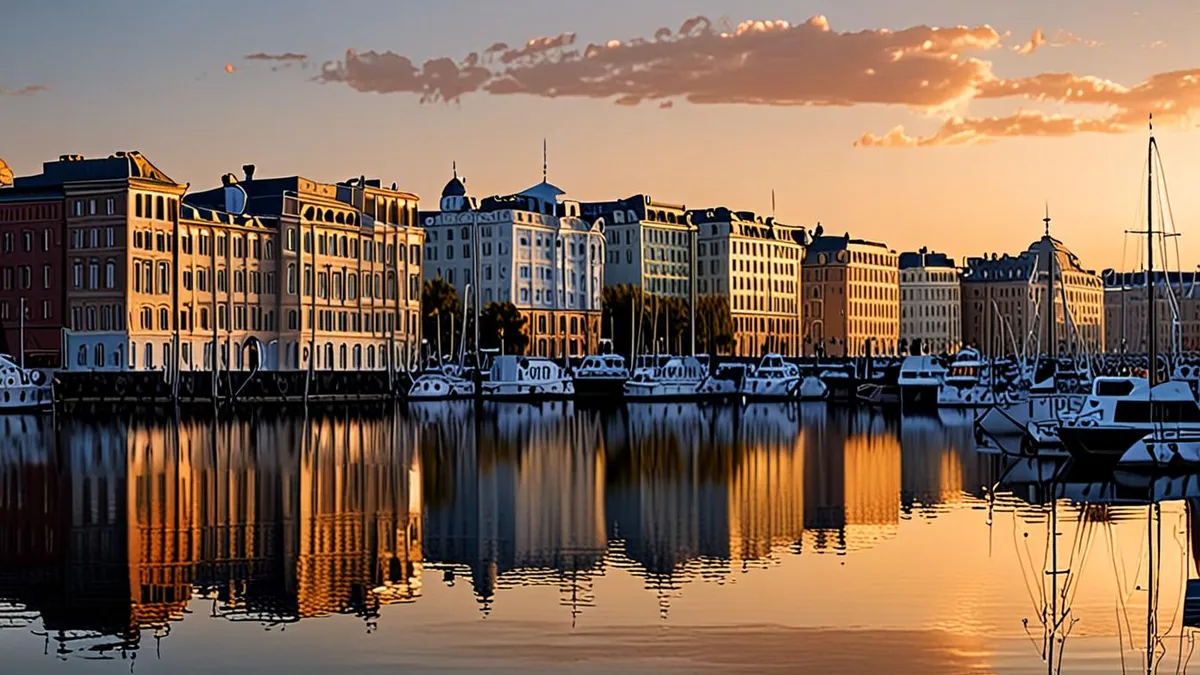
Punavuori and the wider Design District are where design lovers should gravitate. Boutique stays here put you steps from galleries, concept stores and cafes, and you can browse Finnish ceramics and fashion between breakfast and dinner without ever needing a tram. Kamppi suits first-time visitors who want central transport links and mid-range design chains, making it a safe, convenient base. The harbor and Katajanokka area pairs waterfront views with quiet, design-led conversions, often in buildings with genuine maritime history.
- Punavuori after dark: the district doubles as one of Helsinki’s best bar and restaurant quarters, so evening plans are a short walk from your room rather than a taxi ride across town.
- Kamppi practicality: the central bus terminal and major shopping centers sit here, which makes day trips and luggage logistics noticeably easier if you are arriving by coach or ferry.
- Katajanokka calm: the headland setting means less street noise than the central districts, and morning walks along the waterfront ice channel are one of the city’s quiet pleasures.
- Harbour access: staying near the market square area puts you within easy reach of ferry terminals for Suomenlinna and the archipelago, handy for adding a sea excursion to a design-focused trip.
When to Book for the Best Rates
Timing your booking matters more in Helsinki than in many European capitals, because design hotel rates swing sharply between seasons. In high season from June to August, a double room in a design hotel typically runs EUR 150-250 per night, and the long daylight hours plus peak demand keep prices firm. Reserve 2-3 months ahead for summer stays to lock in both availability and a reasonable rate, since the best-located properties fill early.
The low season advantage
Visit between November and March and the picture changes completely. Rates typically drop to EUR 100-160 per night, a saving of 30-40% versus summer, and you trade only a few hours of daylight for that discount. Winter in Helsinki has its own appeal: snow on the harbor, cozy saunas after dark and a calmer pace in the Design District cafes. For design-focused travelers who spend their days indoors anyway, the value here is hard to beat.
One caveat applies to winter trips. Winter weekends sell out faster than weekdays, particularly in December and February when city breaks and events concentrate demand. Book 4-6 weeks ahead for December and February weekend stays, or shift your trip to midweek if your dates are flexible. Midweek low-season travel is where the deepest discounts appear, and you will often find the same rooms that command summer prices available for a fraction of the cost with a day or two of flexibility.
How to Spot a Genuine Design Hotel
Helsinki’s design hotel scene is full of genuinely good properties, but marketing language can make an ordinary room look special. The word “stylish” costs nothing to print, so treat it as noise rather than proof. Real design hotels in Helsinki tend to show their credentials openly, and a few simple checks will separate the real thing from a chain room with a designer chair in the lobby.
Start with the hotel’s own description. Properties with a genuine design identity usually name names: they credit the furniture makers in their rooms, mention collaborations with Finnish brands, or explain which era of Finnish design inspired the interiors. If a website only offers vague adjectives and stock-photo interiors, that tells you something too.
Before booking, work through this short checklist:
- Named designers and brands: A hotel that lists its chair, lamp or textile makers is confident about its interiors. Partnerships with well-known Finnish names like Marimekko or Artek are a strong sign the design is intentional, not decorative.
- The building itself: Look for mentions of a converted 1930s functionalist building or an Art Nouveau facade. Historic structures usually mean varied room layouts, high ceilings and character that purpose-built blocks cannot copy.
- Sauna access: In Helsinki, a sauna is a standard feature, not a luxury add-on. Reviews should mention one, ideally along with whether it is bookable, shared or free to use.
- Natural light: Finnish summers are bright and winters are dark, so window size matters. Guest photos and reviews will quickly reveal whether rooms feel airy or dim.
- Room dimensions: Minimalist Finnish rooms can run smaller than travelers expect. Search reviews for honest comments on space, storage and bed size before you commit to a long stay.
Run these checks and you will book with confidence. A genuine design hotel shows its sources, its building and its sauna without being asked.
Design District Stays on a Budget
Staying in the Design District does not have to mean flagship prices. The single biggest saving comes from timing: Helsinki’s low season runs from November to March, and design hotel rates drop noticeably compared with summer. In practice, that means a double room in the heart of Punavuori can cost what a summer room in a suburban chain would charge. You trade a little darkness for serious value, and you get the city’s cafes and galleries almost to yourself.
Property choice matters just as much. The district is full of small boutique hotels with a handful of rooms, and these typically undercut the big-name design properties by a meaningful margin. What you give up in spa square meters you gain in location and personality, since the smaller places are often the ones tucked into converted historic buildings on quiet residential streets.
Try the shoulder months
If the dark season does not appeal, aim for May or September and book midweek. Rates dip noticeably outside the weekend peak, yet the daylight hours stay long enough for full days of browsing. May brings fresh green to the parks, and September often feels like a second summer with fewer visitors around.
One practical habit: check rates for Tuesday through Thursday nights before assuming a weekend trip is cheaper overall. Midweek availability in the Design District is usually better too, which matters if you have your heart set on a specific small hotel rather than whatever happens to be left. Prices shift from year to year, so compare a few dates before committing.
Pairing Your Hotel with Helsinki’s Design Scene
One of the best things about Helsinki is how little ground you need to cover. The city center is compact and walkable, and most design hotels sit within 15 minutes on foot of the harbor. That means you can plan entire days around walking: breakfast at your hotel, a slow loop through the Design District, then the waterfront for views and market stalls, all without a taxi or a timetable.
Getting around by tram
When your feet need a break, trams 2 and 5 are the design lover’s route. They form a loop that passes the Design District, the harbor and the major design sights, and they run within easy reach of every hotel area in this guide. Buy a day ticket and hop on and off between shops, museums and cafes; the trams are frequent, and riding the loop itself is a pleasant way to orient yourself on your first afternoon.
The Design District from your door
The Design District covers roughly 25 blocks and packs in around 200 design, antique and fashion shops, alongside galleries and cafes. Because most design hotels sit inside or beside it, you can simply step out of your lobby and start browsing. Give yourself a loose plan rather than a strict list: pick one street to work through each morning, stop for coffee when a cafe catches your eye, and save the harbor for the late afternoon light.
A practical tip: keep one afternoon free with no bookings at all. Helsinki rewards wandering, and the best finds in the district tend to be the shops you never planned to enter.
Planning Your Stylish Helsinki Stay
A stylish Helsinki stay does not require guesswork. Design-led hotels with Nordic interiors, historic buildings and saunas cluster in three areas: the Design District, central Kamppi and the harbor. If you want the most character for your money, the Design District and Punavuori deliver boutiques steps from galleries and concept stores, while Kamppi suits travelers who want transport links close at hand.
Timing matters as much as location. The low season from November to March brings rates of EUR 100-160 per night for a double, often 30-40% below summer prices. For a June to August trip, book 2-3 months ahead to secure a room in the EUR 150-250 range. Once you arrive, trams 2 and 5 loop past the design sights from every hotel area, and the compact center puts most stays just a short stroll from the waterfront. If this helped you plan your trip, leave a comment or share the article.