Booking a villa with a private pool always raises the same question: is it worth paying extra for heating? The heated pool vs unheated villa pool debate matters more than most travelers expect, because the difference shows up in both your weekly budget and how much you actually swim. An unheated pool can feel perfect in July and disappointingly cold in October, while a heated one costs more but keeps the water comfortable whenever you arrive.
This guide breaks down the choice step by step. We start with the core difference between the two pool types, then look at when an unheated pool is enough, when a heated pool is worth paying for, and how climate and destination change the answer. After that, you will find practical tips for checking heating details before you book, a full cost comparison, and a simple way to make your final decision based on your dates and swimmers.
Heated Pool vs Unheated Villa Pool: The Core Difference
The practical difference between the two options comes down to water temperature. A heated pool is typically set to 26-28°C and holds that range regardless of the weather outside. An unheated pool simply follows the season: in warm months it can be lovely, but in shoulder months the water often sits around 18-22°C, which most swimmers find too cold for anything beyond a quick dip.
What heating costs
That comfort has a price. Pool heating usually adds €150-€400 per week to the rental, and some owners bill it as an optional extra paid on arrival rather than including it in the quoted rate. That means the figure you see when booking is not always the full cost of a warm swim, so it pays to ask before you confirm.
When the choice actually matters
The decision matters most in April-May and October, when an unheated pool is likely to be cold but a heated one stays inviting. In midsummer, both types feel similar, and paying for heating rarely changes your experience. Knowing your travel dates is therefore the first step in deciding which pool type to book.
When an Unheated Pool Is Enough
For much of the summer, an unheated pool needs no help at all. From June to September in southern Europe, outdoor pools stay comfortably warm on their own, and the sun does the work a heat pump would otherwise charge you for. If your trip falls in that window, skipping heating is often the simplest way to save money without giving up swim time, since the water will feel much the same as a heated pool would anyway.
Peak-summer trips suit families who swim daily and want to avoid the weekly heating surcharge that some villas add to the bill. Over a two-week stay, that saving can add up to a meaningful chunk of your budget, easily covering a couple of restaurant dinners or a family day trip. Short stays are another case where heating rarely makes sense, since pools typically need 24-48 hours to reach temperature, meaning a visit of just a few nights could end before the water has properly warmed up.
It also pays to look beyond the booking page. Two villas in the same region can feel very different in the water depending on sun exposure, depth and how well the pool holds its warmth overnight. A few quick questions to the owner before you book can save you from a chilly surprise on arrival.
- Ask whether the pool gets full sun all day, since a shaded unheated pool warms more slowly even in high summer.
- Check the pool’s depth, because deeper pools hold more cold water at the bottom and take longer to feel warm in June.
- Look for recent guest reviews mentioning water temperature, which reveal how the pool actually felt in your travel month.
- Confirm whether a solar cover is included, as owners often ask guests to pull it on at night to hold in daytime warmth.
When a Heated Pool Is Worth Paying For
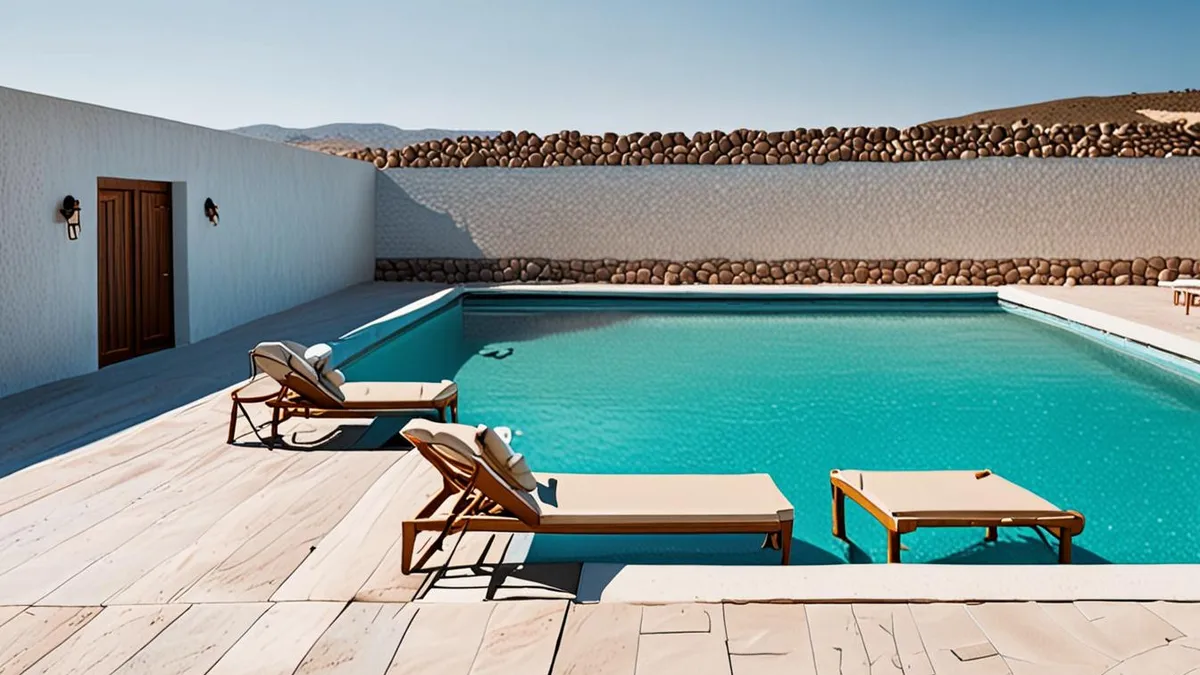
Shoulder-season trips are where heating earns its fee. In April-May and October, an unheated pool often drops to around 18-22°C, which is brisk enough that most guests stop using it after one brave attempt. A heated pool set to 26-28°C turns those same weeks into proper swimming weather, letting you actually enjoy the pool you paid for. If swimming is a big part of why you booked a villa at all, this is the stretch of the year where the extra cost makes the clearest difference.
Travelers with young children or older swimmers benefit most, because they get reliable 26-28°C water regardless of a cool day. Kids are also more sensitive to cold water and will happily swim for hours when it feels right, while a chilly pool cuts a session short after minutes. Older guests and anyone with a low tolerance for cold will simply use the pool far more when it is properly warm, which changes the feel of the whole holiday.
- Shoulder-season rates run roughly 20-40% below July-August peak prices, so the weekly heating fee can still leave the total trip cheaper than an August booking.
- A warm pool extends your usable day, since mornings and evenings stay swim-friendly instead of only the warmest afternoon hours.
- Heating gives you a backup plan for a cold snap, so a week of unseasonable weather does not leave the pool off-limits.
- Remember that a pool needs 24-48 hours to reach temperature, and some owners only switch the heating system on when asked, so request it well before arrival.
Climate and Destination: Matching the Pool to the Region
The Mediterranean coast is kinder to unheated pools than most maps suggest. In destinations like the Costas, the French Riviera or the Italian coastline, sea air moderates temperatures, so an unheated pool usually needs heating only in the April-May and October shoulder months. In midsummer, the water takes care of itself.
Move inland or uphill, though, and the picture changes fast. Villas in Provence, Tuscany’s hill towns or the Spanish interior can sit several hundred meters above the coast, and nights stay cool well into spring. In these regions, even early June can leave an unheated pool brisk in the morning, so heating is worth considering outside the very heart of summer.
Northern destinations: a shorter window
In northern France, the UK, Ireland or the Low Countries, summer is short and often cool. Outside July and August, an unheated pool is a gamble — a sunny week can save it, but a gray one can leave it unusable. If you’re booking a northern villa in June or September and you actually plan to swim, a heated pool is the safer bet.
One last tip: check the villa’s specific region, not just the country. “Spain” covers snowy mountains and subtropical coast, and a sea breeze can knock several degrees off water temperature even in warm air. Read the listing carefully, and if the location sounds high or exposed, ask the owner directly how the pool performs in your travel month.
How to Check Pool Heating Before You Book
Pool heating claims in listings are not always what they seem, so a few minutes of checking before you book can save you an unpleasant surprise on arrival. The key is to verify three things: what type of heating the pool actually has, who pays for it, and whether it will be running for your specific dates.
- Read the listing for the heating type. Look for specific words like heat pump or gas heating. If the listing only mentions a solar cover, treat the pool as essentially unheated in cooler months — a solar cover traps a little warmth overnight but adds very little when the air and water are already cold.
- Ask how the heating cost is handled. Weekly heating typically adds €150-€400, and villas handle this differently: some include it in the rental price, some offer it as a paid option, and some collect it on arrival. Clarify this in writing before you pay, since it materially changes your total trip cost. Our guide to what a villa rental in Croatia really costs covers how extras like this fit into the overall budget.
- Confirm heating for your exact dates. Some owners only switch the system on when a guest requests it, and heated pools need 24-48 hours to reach temperature. If you arrive to a cold pool, you could lose the first two days of your stay. Ask the owner or agent to confirm in writing that heating will be on and at what temperature before your arrival day.
A short message to the owner covering these three points takes five minutes and removes most of the risk. Get the answers in writing, keep them with your booking confirmation, and you will have something to fall back on if the pool is cold when you check in.
Budgeting: Total Cost of Each Option
At first glance, the math seems simple: skip the heating surcharge and you save money. In practice, the cheapest total cost depends more on your travel dates than on the pool itself. An unheated-pool villa booked in July or August avoids the €150-€400 weekly heating fee entirely, but peak-season base rates are the highest of the year, so you rarely escape paying a premium one way or another.
The shoulder-season sweet spot
The interesting calculation happens in April-May and October. Shoulder-season villa rates run roughly 20-40% below July-August peak prices, so even after adding €150-€400 per week for heating, the total often balances out or comes out ahead of a summer booking. A villa that looks more expensive because it lists a heated pool may actually be the cheaper trip once you compare it against peak-week pricing for an unheated one. If you’re still deciding where to base your group, browsing the best areas to rent a villa in Portugal can help you match region and season before you compare prices.
Splitting the cost within a group
If you’re traveling with a group, judge the heating fee per person rather than as a lump sum. A €300 weekly charge split across eight guests is under €40 each for the whole week, which is modest compared with the overall villa cost. Split across only two or three people, the same fee feels much heavier and may tip the decision toward an unheated pool in warmer months. Before booking, divide both the rent and the heating fee by the number of swimmers to see the real value of warm water for your specific group.
Making Your Final Choice
So, is a heated pool worth the extra money? For most travelers, the answer depends on timing. If you are heading to southern Europe between June and September, an unheated pool will feel warm enough on its own, and skipping the heating fee is an easy saving. The same goes for shorter stays of a few nights, where the water may not even reach temperature before you leave.
A heated pool earns its keep in April-May and October, when unheated water can drop to around 18-22°C. It is also the safer bet for families with young children or older swimmers who want reliable 26-28°C water whatever the weather. In the end, the choice comes down to your travel dates, who is swimming, and whether the weekly heating fee fits your budget. Have you faced this decision before? Share your experience in the comments or pass this article along to a fellow traveler.