Most parents have been there: the resort website promises a kids’ club, the booking is made, and then you arrive to discover it covers only ages 4 to 10, or it turns out to be a playroom with a TV and no staff at all. Resort kids’ clubs vary enormously, and the differences usually come down to one thing: your child’s age.
This guide breaks down what each age band actually gets. We look at baby care for under 3s, supervised play for ages 3-5, the full activity programs for ages 6-11, and the reality behind teen offerings for ages 12-17. We also cover how clubs split children by age, and how to check the details before you book so there are no surprises at check-in.
How Resort Kids’ Clubs Are Split by Age Group
Almost every resort that runs a kids’ club divides children into roughly four bands: under 3, ages 3-5, ages 6-11 and ages 12-17. Each band gets a different level of staffing, because younger children need far more supervision per child than teenagers do. A nursery for babies might have one carer for every two or three children, while a teen games room may have no dedicated staff at all.
Why the cut-offs are strict
These age boundaries exist because of supervision and insurance rules, and staff rarely make exceptions. A 2-year-old cannot join the 3-5 group, even if an older sibling is enrolled there and even if the child seems ready. If your children fall into different bands, expect them to be in separate rooms with separate schedules for most of the day.
High season versus the rest of the year
There is one more catch worth knowing before you book. The age bands advertised on a resort’s website often apply only during peak season, when attendance is high enough to fill each group. In quieter weeks, many clubs merge groups to save on staffing, which can mean a combined 3-8 session or a single club covering everyone from toddlers to tweens. That may work fine for your family, or it may mean your 3-year-old spends the afternoon alongside much older children. Ask the resort directly whether the stated ages apply year-round or only in high season, and what happens to the groups when attendance is low.
Under 3s: Baby Care and What It Really Costs
Baby care is by far the rarest offering at resort kids’ clubs. Only larger family resorts typically staff a nursery for children under 3, and even then it usually operates only in peak season, when enough families with infants are on site to justify the carers. If you are traveling outside school holidays, there is a good chance the nursery simply will not be open.
Cost is the second surprise. Unlike clubs for older children, which are often included in the resort fee, baby care is nearly always charged separately, either per hour or per session. Because staffing is tight and spaces are few, most resorts ask you to reserve nursery places well in advance, often 2-4 weeks before arrival, rather than signing up on the day.
Before you commit, ask the resort these practical questions:
- Nap arrangements: is there a quiet nap room with cots, and can staff follow your child’s usual sleep schedule?
- Bottle preparation: will staff prepare formula and sterilize bottles, or must you bring bottles ready-made from your room?
- Parent presence: does the nursery require parents to remain on the resort grounds, or can you leave the property entirely?
- Daily routine: how are feeding times, nappy changes and outdoor time organized, and how do staff update you during the session?
Getting clear answers to these points before booking is the difference between genuine childcare and an expensive disappointment.
Ages 3-5: Supervised Play with Strict Rules
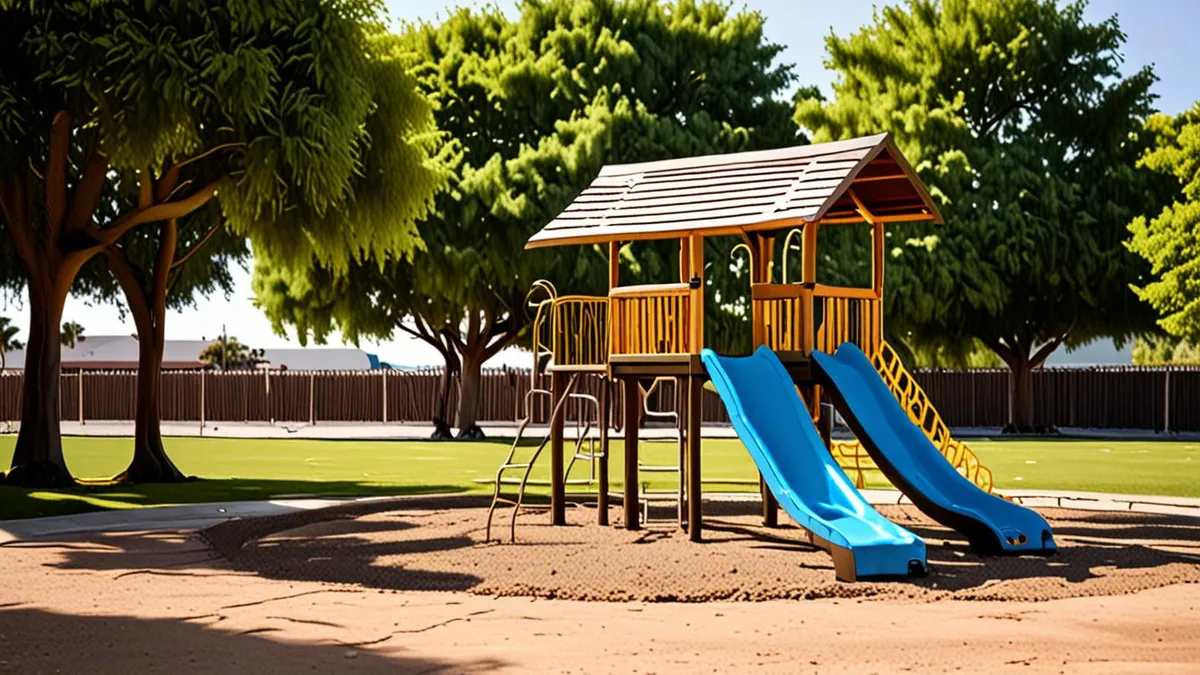
Ages 3-5 form the most common kids’ club band in the resort world. Nearly every family resort that advertises supervised childcare has a group for this age, and it is usually the best-staffed club on site. The program itself is fairly predictable: crafts, board games, singing, storytelling and playground time, organized into morning and afternoon blocks so children get a real break in between.
The toilet training rule
Here is the detail that catches families off guard: clubs for ages 3-5 typically require children to be toilet trained. This is a standard requirement, not a flexible one, because staff are not responsible for nappy changes. If an accident happens or a child needs changing, staff will call the parents to come and handle it. If your 3-year-old is not yet out of nappies, ask the resort whether they make exceptions or whether you should wait another season before using the club.
How the day is structured
Standard supervised hours run about 9:00-12:00 and 15:00-17:30, with the club closing at lunchtime. That midday gap is deliberate: it gives families time to eat together and lets younger children nap or rest before the afternoon session. In summer, some resorts extend to longer all-day sessions, but the two-block pattern is the norm. Plan your days around it, because you should not count on the club covering lunch or early evening.
Ages 6-11: Activities, Sports and Day Trips
If your child falls into the 6-11 band, you’ve hit the sweet spot of resort kids’ clubs. This age group gets the fullest program of any band, because children are old enough to follow instructions, join group games and be supervised in larger numbers. A typical week includes sports tournaments, treasure hunts, pool games and crafts, and many resorts round things off with a mini disco or family evening show where the club kids take part.
Outings beyond the resort
Some resorts add supervised outings to the mix, such as short hikes, boat trips or walks to a nearby beach or village. These are often the highlight of the week for school-age children, but they usually depend on minimum numbers and weather. Check the weekly schedule on arrival and note which activities need advance sign-up, since popular outings can fill quickly.
Opening hours are another advantage here. The 6-11 band typically gets the longest sessions of any club, often running the standard morning and afternoon blocks with some evening sessions added during summer holidays. That gives parents genuine flexibility for a longer dinner or an evening activity of their own. If you’re choosing between destinations, a family resort on the coast with a strong club program makes planning easy, and you can compare options in our guide to Croatia coast resorts for beach holidays.
Ages 12-17: Teen Rooms Versus Real Teen Programs
Teenagers are where most resort kids’ clubs fall short. True supervised teen programs are rare, and the reality at many family resorts is a teen room or games room: consoles, table football, maybe a pool table and Wi-Fi. That can keep a 13-year-old entertained for an hour or two, but it’s essentially an indoor hangout space, not a club with staff-led activities.
When a real program exists
A handful of larger resorts do run genuine teen programs, and they look different from the younger clubs. Instead of fixed daily sessions with crafts and structured games, teen offerings usually center on sports such as football or beach volleyball, water games in the pool, and informal evening meet-ups where the group decides what to do. Attendance tends to be drop-in rather than registration-based, and the atmosphere works best when a consistent group forms over the course of the week.
One question matters more than any other for this age band: can teens sign themselves in and out? Policies vary widely between resorts. Some require parents to authorize departure at registration, others let teens come and go freely, and a few offer both options with a written consent form. Ask before you book, especially if your teenager expects some independence on holiday. If the answer is a strict sign-out rule, a 16-year-old may simply skip the club altogether, and you’ll want to know that in advance rather than discover it on day one.
How to Check a Kids’ Club Before You Book
Kids’ clubs are the feature most often assumed rather than verified, and that’s where most disappointments start. A resort can truthfully advertise “kids’ club available” while running it for only two months of the year, in a language your child doesn’t speak, with a fee per session. Photos on the booking site rarely tell you whether the club was taken during peak season or whether it looks like that in the week you actually travel. The good news is that every one of these gaps can be closed before you pay a deposit. A short email before booking sorts all of this out, and it takes less time than packing the suitcases.
- Request the current weekly activity schedule. Ask the resort to send the actual program for your travel dates, not a brochure summary. The schedule shows which activities run daily, which need sign-up, and whether the club operates at all in the week you’re traveling.
- Confirm the exact age bands. Don’t accept “kids’ club available” as an answer. Ask which ages each group covers and whether the bands are strict, so you know where your child fits and whether siblings will be split up.
- Verify the opening months. Many family resorts in Central and Southeast Europe run club programs only from mid-June to late August, and elsewhere clubs typically operate only during school holiday periods. If you’re traveling in May or October, the club may be closed entirely.
- Ask about staff-to-child ratios. Ratios affect both safety and how much individual attention your child gets, and they can differ between age bands. A vague answer here is worth probing.
- Check the language of activities. A club that runs in a language your child doesn’t understand loses most of its appeal, especially for younger children who can’t yet follow group instructions.
- Clarify the cost structure. Ask whether registration is free or charged per session or per day, and whether any activities, such as outings, carry extra fees.
Send these questions in one email and you’ll usually have a clear picture within a day or two. Keep the replies, because if anything differs on arrival, a written answer is far easier to reference than a phone call you half remember. If a resort can’t or won’t answer specifics about ages, dates and staffing, treat that as useful information in itself and keep looking. Resorts that run a serious club program tend to answer quickly and in detail, because they know exactly what they offer and are used to parents asking. Silence or a generic brochure PDF is often the answer you needed anyway: it suggests the club is a seasonal add-on rather than a core part of the resort, and you’re better off knowing that before you book than after you arrive with an expecting child.
Matching the Club to Your Child’s Age
The disappointment most parents know well arrives on day one: the website promised a kids’ club, but the reality covers only a narrow age band, or it turns out to be little more than a playroom with a TV. The gap between the brochure and the actual offer usually comes down to one thing nobody checked in advance — which age group the club actually serves.
Kids’ clubs vary most by age band. Under-3 care is scarce and seasonal, ages 3-5 get standard supervised play in fixed morning and afternoon blocks, ages 6-11 get the richest program of sports, games and outings, and teens often get only a games room. Checking age bands, opening months and session times before booking prevents the most common disappointment. The right match depends on your child’s age, not on the resort’s star rating or price. If this helped you plan, leave a comment or share the article with another traveling family.