Booking a villa should feel like a win: more space, a private pool, and the freedom to cook your own meals. But there’s one detail that trips up almost every traveler. Villa kitchens range from fully equipped cooking setups to little more than a kettle, a microwave and a few mismatched plates. Until you know which one you’re getting, you can’t plan meals, write a grocery list, or even decide whether to book that countryside stay an hour from the nearest restaurant.
This guide walks you through what you can realistically expect. We’ll cover the standard equipment list that appears in nearly every rental, the small appliances you can usually count on, and the gaps that are worth packing for. We’ll also help you match the kitchen to your cooking style, show you what to check before you pay, and explain how kitchen setups differ across European regions. By the end, you’ll know exactly which questions to ask a host and what to toss in your suitcase.
What Villa Kitchens Include: The Standard Equipment List
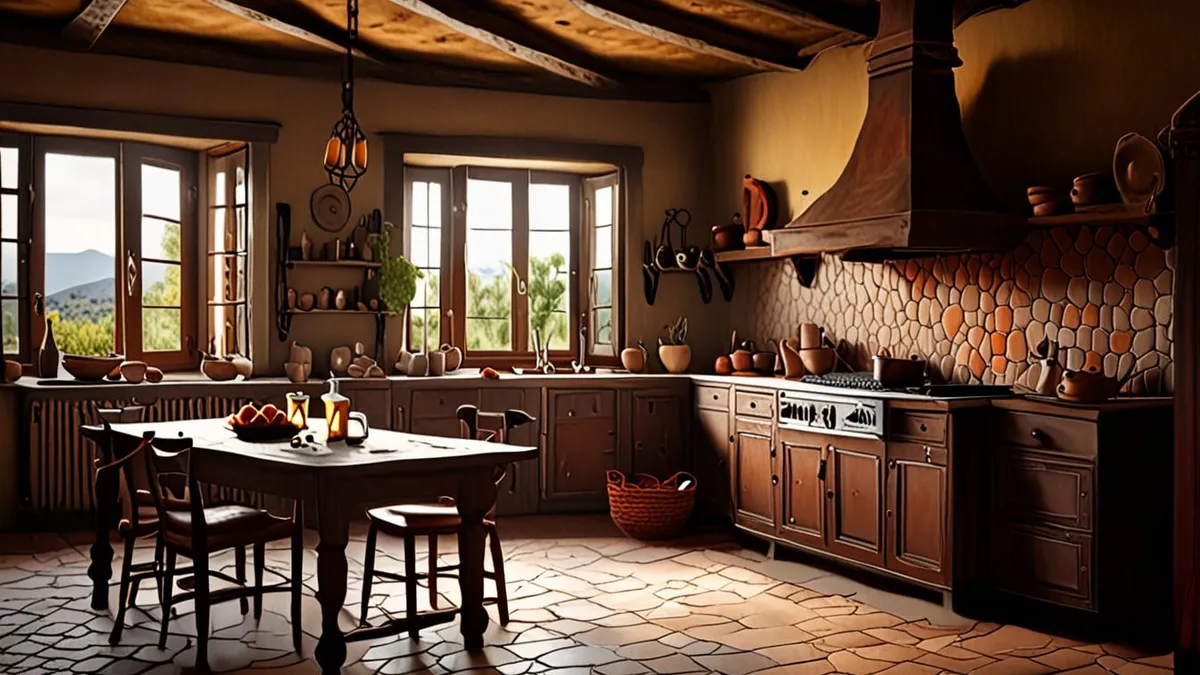
The good news is that the baseline in villa kitchens is more generous than most travelers fear. Nearly every rental includes a full-size fridge-freezer, a proper hob with four burners, and either a standard oven or a combination microwave that handles baking and grilling. That combination alone is enough to cook real meals, not just reheat them, which is exactly what most self-catering guests need on a week-long stay.
Cookware is the next layer, and it’s usually adequate for the group size the villa advertises. Basic cookware typically covers four to six pots and pans, which suits groups of four to eight guests comfortably. Alongside the pots you should find a chopping board, a set of knives, a colander for pasta, a few mixing bowls and at least one baking tray. These aren’t glamorous items, but they cover the everyday cooking most people actually do on holiday: pasta dishes, grilled meat, roasted vegetables and simple breakfasts.
Tableware and place settings
Tableware is generally matched to the villa’s stated capacity, running from four to twelve place settings of plates, glasses and cutlery depending on the size of the property. A villa advertised for six guests should have settings for at least six, often a few more as spares. If you’re booking for a larger group or plan to host extra visitors for dinner, it’s worth confirming the count with the host rather than assuming.
Small Appliances You Can Usually Count On
Beyond the core appliances, villa kitchens almost always include a small trio that makes mornings easy: a kettle, a toaster and a coffee maker. The coffee maker varies by property and region, so you might find a filter machine, a capsule system or a simple moka pot on the stovetop. If you’re particular about your morning brew, check which type is listed before you pack your supplies.
Larger properties tend to add the appliances that make group stays far more comfortable. Villas marketed for six or more guests almost always include a dishwasher and a washing machine, either in the kitchen itself or in an adjacent utility area. That’s a genuine quality-of-life difference when you’re cooking dinner for a full table every night.
- Microwaves: These are standard across villa kitchens, typically used for reheating leftovers, defrosting and quick breakfasts rather than full cooking.
- Combi microwave-ovens: In compact villas and smaller apartments-style rentals, a combination unit often replaces a full-size oven entirely, so study the listing photos to see which you’re getting.
- Dishwashers: In mid-range and larger villas these save significant time on group trips, but they’re less common in smaller two-person properties, so treat them as a bonus rather than a given.
- Washing machines: When present near the kitchen, they let you pack lighter for longer stays, which is especially useful for families with young children.
The main thing to verify is the oven situation. Photos of the kitchen will quickly show whether you have a full oven, a combi unit or neither, and that detail matters if you plan to bake or roast during your stay.
What Is Often Missing and Worth Packing
Here’s where villa kitchens tend to fall short, and knowing the gaps in advance saves you an annoying first-evening scramble. Pantry staples are the biggest one. Spices, cooking oil, salt, coffee and similar basics are usually absent entirely, or half-used bottles left by previous guests of uncertain age. Plan a grocery run for your first day rather than assuming you can start cooking the moment you arrive.
Specialty tools are another hit-and-miss category. Some villas have a surprisingly well-stocked drawer, while others offer one blunt knife and a fork as a wine opener. If a gadget matters to your cooking, bring your own small version.
- Blenders: Rare in standard villa kitchens, so pack a small travel blender if you make smoothies or sauces daily.
- Sharp chef’s knives: Villa knife blocks often contain dull, lightweight knives; a single good blade in your checked luggage transforms meal prep.
- Graters and peelers: Frequently missing or worn out, yet they take up almost no suitcase space.
- Wine openers: Surprisingly inconsistent; a compact corkscrew is one of the most useful things you can pack.
Leftover storage is the final gap. Storage containers and cling film are rarely provided in useful quantities, which becomes a real problem if you cook larger meals and want to save portions for the next day. A few zip-top bags or a couple of collapsible containers weigh almost nothing and solve the issue completely. Add a small bottle of dish soap and a sponge too, since starter supplies sometimes run out mid-week.
Matching the Kitchen to Your Cooking Style
The right villa kitchen depends less on what it has and more on how you plan to use it. A family of five cooking breakfast and dinner every day needs a very different setup from a couple who mostly eats out and just wants morning coffee. Before booking, be honest about how many meals you’ll actually make.
If you’re cooking most of your meals
Self-catering families should treat the kitchen as a core feature, not an afterthought. Confirm the villa has a full oven, not just a combi microwave, since roasting and baking with kids usually needs proper oven space. A dishwasher matters even more at this end of the scale, because nobody wants to hand-wash dishes three times a day on holiday. Villas marketed for 6 or more guests almost always include one, plus a washing machine nearby.
Also check the tableware count. You want enough place settings for the whole group, so look for 4-12 place settings matched to the villa’s stated capacity. If a villa sleeps eight but only sets the table for six, someone will be eating off a mismatched plate every night.
If you mostly eat out
Couples and light cooks need far less. A hob, a decent fridge and basic cookware are enough for pasta, salads and breakfasts, and even budget villas reliably provide that baseline. Skip the premium filter for a full oven and dishwasher and put the savings toward dinners out.
One more number worth knowing: if you plan to cook daily, budget roughly 30-50 euros per person per week for groceries. That covers fresh produce, meat or fish, pantry staples and a bit of local wine, and it helps you compare the true cost of self-catering against eating out.
Checking Kitchen Details Before You Book
Villa photos love to show off infinity pools, sea views and rows of sun loungers. The kitchen, however, is where you’ll actually spend time every morning and evening, brewing coffee, packing lunches and getting dinner on the table after a long beach day. It deserves the same scrutiny as the view. A few minutes of deliberate checking before you pay can save you a whole week of improvising with a single dented saucepan and no wine opener. Here’s how to vet a villa kitchen properly before you commit.
- Study the kitchen photos specifically. Scroll past the pool and terrace shots and zoom in on the kitchen images. Look at the appliances themselves: is there a full oven or only a combi microwave, how much counter space is actually free, and are the cabinets stocked with visible cookware? Listings usually include enough angles to verify this if you look deliberately rather than skimming.
- Message the host or agency with your must-haves. Don’t assume anything. Ask directly about a dishwasher, a high chair, a full oven or whatever your group can’t do without, and get the answer in writing before paying. This also tells you how responsive the host is, which matters if something breaks mid-stay.
- Book early for peak summer. If you’re traveling in July or August with a family that needs a proper kitchen, plan well ahead: kitchen-equipped family villas tend to sell out first, often 3-6 months ahead of the peak weeks. Waiting until spring usually means choosing from the leftovers nobody else wanted.
Budget is the other piece of the puzzle, and the kitchen factors into it more than you’d think. A villa with a dishwasher and a full oven often prices differently from one with a basic studio-style kitchenette, so knowing exactly what you’re paying for helps you compare fairly between listings. It also affects your food costs: a properly equipped kitchen makes cooking most nights realistic, while a bare-bones setup pushes you toward restaurants whether you planned for it or not. If you’re heading to the Adriatic coast, it’s worth reading up on what villa rentals typically cost in Croatia before you start comparing kitchens and prices side by side.
Regional Differences in Villa Kitchens Across Europe
Villa kitchens aren’t uniform across Europe, and the differences usually follow the climate and local holiday habits. Knowing the regional patterns helps you set realistic expectations before you book, especially if you’re moving between countries on the same trip.
The Mediterranean: cooking moves outdoors
In Croatia and Montenegro, many villas add an outdoor summer kitchen or a large covered BBQ area, and it’s easy to see why. Warm evenings make grilling far more appealing than standing over a hot indoor hob, so hosts invest in outdoor counters, sinks and dining space. The indoor kitchen may be more compact as a result, so check photos if you plan heavy indoor cooking. If you’re comparing options on the Adriatic, our guide on how to choose a villa rental in Croatia covers the broader selection process.
Mountains, countryside and the well-equipped west
Head into the mountains and countryside of Serbia, Slovakia or Andorra, and you may find traditional extras like wood-burning stoves alongside the standard appliances. These can be charming and genuinely useful in cooler months, though they’re a bonus rather than something to count on, so treat them as a pleasant surprise when they appear.
At the other end of the spectrum, villas in the UK and Spain tend to have the most complete appliance sets, with dishwashers and dryers commonly provided as standard. That makes them a safe bet for families who want a near-home kitchen experience. Wherever you book, the regional pattern is a starting point, not a guarantee, so always verify the specific villa’s equipment with the host before committing.
The Takeaway on Villa Kitchen Equipment
A villa kitchen is far more predictable than most travelers assume. The basics are almost always there: a full-size fridge, an oven or combi microwave, a 4-burner hob, 4-6 pots and pans, and enough plates, glasses and cutlery for the stated guest count. That means you can plan real meals and a proper grocery shop before you arrive, instead of gambling on a kettle-and-microwave situation.
The main gaps to close before booking are the small appliances and pantry items: confirm the dishwasher, coffee maker and any must-haves directly with the host, and pack a few personal favorites like a sharp knife or wine opener. Then match the kitchen spec to how much you actually plan to cook, and if you’re a family aiming for a peak summer stay, book early. If this helped you plan your next villa trip, leave a comment or share the article with a fellow traveler.