You’ve found two options for your weekend break at nearly the same total price: a self-contained lodge or a standard hotel room. On paper, the lodge vs hotel room choice looks like a coin flip, but the two nights you actually spend there can feel completely different. One gives you space, a kitchen and a base for the group; the other gives you location, service and zero effort.
This guide walks through the core differences for a 2-night stay, compares what you typically pay, and shows when each option comes out ahead. We’ll cover booking lead times and seasonal timing, how your destination changes the answer, and a simple way to make the final pick. By the end, you’ll know exactly which one suits your next weekend away.
Lodge vs Hotel Room: The Core Differences for a 2-Night Stay
The most fundamental difference comes down to structure. A lodge is a standalone unit with its own private entrance, so you never walk through a shared lobby or down a corridor to reach your door. Most lodges also come with a terrace or deck, and many include a kitchen, which changes how you spend your evenings. A hotel room, by contrast, is a single room inside a larger building, with neighbors on the other side of the wall and staff coming and going around you.
How many people can actually stay?
Space is the second big divider. Most lodges sleep 2-6 guests, with separate bedrooms, a living area and often more than one bathroom. A typical hotel room is built for 2 people, and adding a third usually means a rollaway bed or upgrading to a family room. If you’re a couple traveling with another couple, one lodge keeps everyone together, while a hotel stay means booking two rooms and coordinating meetups in the hallway.
For a 2-night weekend, these differences play out in practical ways. The lodge’s kitchen and living space let you cook a simple dinner, open a bottle of wine on the terrace and spread out on a sofa instead of sitting on the bed. You trade away daily housekeeping and on-site dining to get it, so if fresh towels each morning and a restaurant downstairs matter most to you, the hotel room holds its own. The right pick depends less on which is “better” and more on how you want your Friday-to-Sunday break to feel.
Price Comparison for Weekend Breaks
Price is often the deciding factor for a weekend break, and it helps to go in with realistic expectations. A lodge typically costs 10-30% more per night than a comparable hotel room in the same region. That premium buys you space, privacy and a kitchen, but if you book a lodge for two the way you would book a hotel room for two, the bill will almost always come out higher.
The trick: divide the lodge by the number of friends
This is where the math flips. Most lodges sleep 2-6 guests, so if you split a lodge between two or three couples, the per-person cost can drop below what each of you would pay for a separate hotel room. A four-person lodge shared by two couples often works out cheaper per couple than booking two hotel rooms, and you get a living room and kitchen as a bonus. If you are traveling solo, though, the numbers rarely favor a lodge unless you find a compact one-bedroom unit at a fair rate.
Last-minute deals: hotels win here
Hotels discount more often to fill empty weekend rooms, so a flexible traveler can sometimes grab a bargain a few days out. Lodges rarely drop prices on weekends, because owners tend to hold out for full-price bookings on their peak Friday-to-Sunday slots. If your plan is to book late and hunt for a deal, a hotel room is usually the safer bet; if you want the lodge, book early rather than hoping for a price cut that likely will not come.
When a Lodge Wins for a Weekend
Some weekends are all about the view from your window. If the whole point of the trip is waking up beside a lake, looking out at pine forest, or watching the light change over a mountain ridge, a lodge usually delivers in a way a standard hotel room can’t. Hotels tend to sit where the roads and towns are; lodges sit where the scenery is. That single difference shapes the entire feel of a 2-night Friday-to-Sunday break.
The money side works in your favor too. With a kitchen included in most lodges, you can cook a simple Saturday dinner instead of paying for two restaurant meals a day. Over a 2-night stay, those skipped dinners and takeaway coffees add up to a noticeable dent in the “lodges cost more” argument.
Couples notice the privacy gap most. In a lodge, your terrace or hot tub is yours alone — no sharing a rooftop pool with a wedding party or hearing neighbors through an adjoining door. You get the kind of quiet, uninterrupted evening that’s hard to replicate in any room inside a larger building.
- Fire up the grill, not the room service menu. Many lodges include outdoor cooking space, so a lakeside barbecue becomes part of the weekend rather than an extra expense.
- Hot tubs are far more common in lodges. Private hot tubs are a standard selling point for many lodge operators, while only higher-tier hotel rooms typically offer anything similar.
- Stargazing comes free with the location. Remote lodge settings usually mean darker skies than any town-based hotel can offer — bring a blanket and step onto your own terrace.
- Wildlife can show up at your door. Forest and lakeside lodge locations often mean morning birdlife or deer sightings from the window, something a city or resort hotel rarely provides.
When a Hotel Room Is the Smarter Weekend Choice
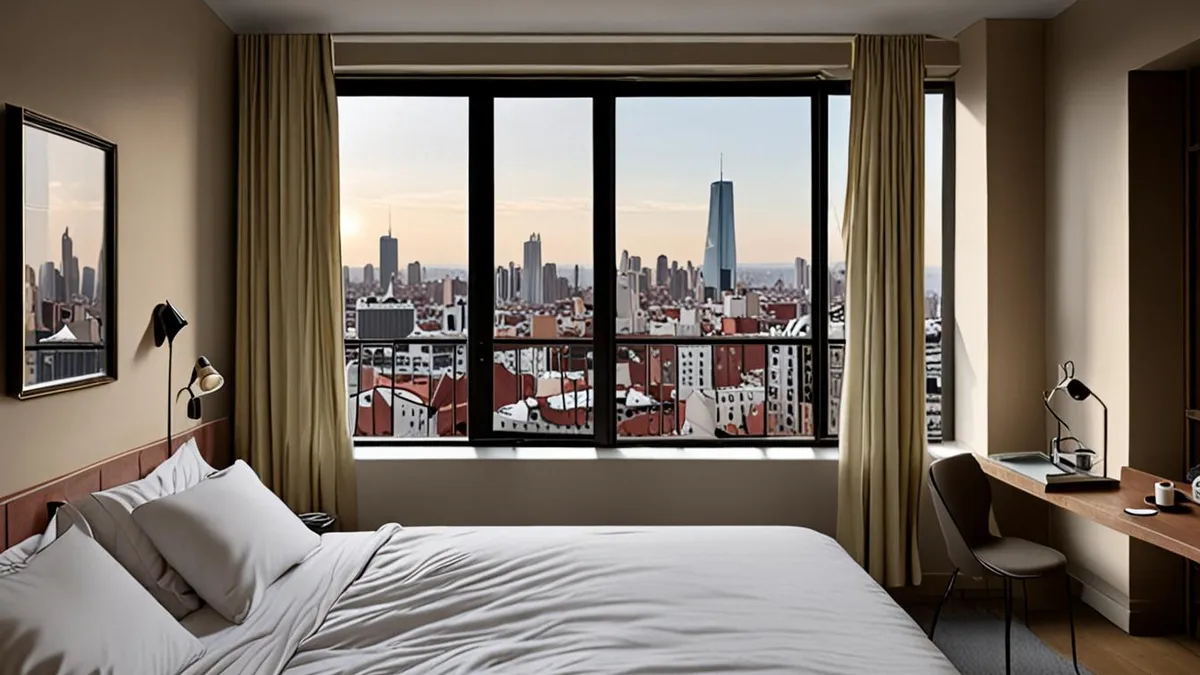
Not every weekend is made for a lodge. If your plan involves restaurants, museums, shopping or nightlife, a hotel room puts you where the action is. Most lodges sit in rural or semi-rural spots, so reaching a café or bar often means driving, and driving means someone skips the wine.
Walkability is the single biggest advantage here. From a city-center hotel, you can park once, check in, and spend two days on foot. A remote lodge can have the better view, but every meal, errand and evening out becomes a car journey. For a weekend where you want to relax rather than organize, that daily logistics load matters.
Service is the other strong argument. A hotel handles the work for you: no bed-making, no dishes, no food shopping before you leave on Friday afternoon. If part of your weekend goal is genuine rest from chores, the hotel model does the heavy lifting.
A few situations where hotels pull clearly ahead:
- One-night stays: many lodges enforce a 2-night minimum, especially on weekends, which rules them out entirely for a quick Saturday-to-Sunday escape.
- Early check-in or late check-out: city hotels can often accommodate this if you ask, useful when you arrive on an early train or leave on a late one.
- Events and festivals: when a concert or match runs late into the evening, being a few minutes’ walk from your bed beats a 30-40 minute drive back to the countryside.
- On-site breakfast: rolling into the dining room at 9am is a small luxury lodges rarely offer unless you cook it yourself.
Booking Lead Times and Seasonal Timing
Lodge weekends reward early planners. For regular weekends outside school holidays, booking 4-8 weeks ahead usually secures both your first-choice property and a fair rate. Left any later, you may find the best-facing terraces and the larger units already gone, leaving you with leftovers rather than options.
Why so much earlier than a hotel? Lodge inventory is small. A hotel might have 100 rooms to sell, while a lodge property often has 5-20 units, so a handful of bookings can wipe out an entire weekend.
Peak season is a different game
For summer weekends in June-August and the December holiday stretch, treat 2-3 months as your realistic lead time. These are the periods when scenic lodges sell out first, and prices on remaining availability tend to climb as the date approaches. If a lakefront terrace in July is the whole point of your trip, book the moment you know your dates.
Hotels work the opposite way. With far more rooms to fill, they frequently discount close to arrival on weekends, so a booking made inside 2 weeks of travel can genuinely save you money. If your weekend plans are spontaneous, or you like deciding on Thursday where to go, a hotel is the lower-risk and often cheaper bet. Just check cancellation terms before you commit either way.
Destination Matters: Where Each Option Fits
Where you are going shapes the lodge-versus-hotel call more than almost anything else. The same property type that feels perfect on a fjord can feel inconvenient in a city, so start with the setting rather than the brand.
Coast, fjords and mountains
Coastal and fjord regions are where lodges earn their premium. The entire appeal is waking up to water and mountains from your own terrace, which standard hotel rooms rarely replicate. If Norway is on your list, this overview of where to stay for the best fjord views shows how much the right lodge location adds. Mountain and ski destinations work for both types, but lodges carry practical advantages: a kitchen for simple dinners, plus space to dry boots and gear after a day on the slopes instead of draping them over a bathroom door.
Cities and short stays
Urban weekends almost always favour hotel rooms. Lodges in or near major cities are uncommon, and the few that exist usually trade on space rather than location, so you still end up commuting to the sights. Combine that with restaurants, bars and galleries at your doorstep in most city hotels, and the hotel room wins on convenience every time. Reserve the lodge for trips where scenery, privacy and self-catering are the reason you booked the weekend at all.
Making the Right Pick for Your Weekend
So which should you book for your two-night weekend break? If the trip is about the setting, space and doing things at your own pace, a lodge wins. You get privacy, a kitchen, room for 2-6 guests instead of 2, and scenery a standard hotel room rarely matches. If the trip is about the destination itself, a hotel room is the smarter pick: better location, breakfast and housekeeping, plus more flexibility when you book close to the weekend.
The simplest way to decide is to match the choice to your group size, your budget and how central you need to be. A couple wanting a quiet lakeside hideaway and a group of friends splitting a larger unit will land on different answers, and both can be right. If this helped you weigh up your next weekend, leave a comment or share the article with a travel friend.