You’ve booked a spa hotel, or you’re thinking about it, and one question keeps coming up: what actually happens once you arrive? Will the pool and saunas cost extra, how much should you budget for a massage, and do you need to reserve treatments before you even pack your bag? These are the details that turn a good stay into a great one, and they’re rarely explained clearly on booking pages.
This guide walks you through what a spa hotel really is and how it differs from a regular hotel with a pool. You’ll find the treatments you can typically book, the facilities to expect from pools to relaxation rooms, and a realistic picture of what a stay costs. We’ll also cover when to reserve rooms and treatments, plus the etiquette rules that help you fit in from day one. By the end, you’ll know exactly what to expect and how to plan for it.
What Is a Spa Hotel and How Does It Differ from a Regular Hotel?
A spa hotel is more than a hotel with a gym and a swimming pool. The defining feature is that treatments and thermal facilities sit right on site: dedicated treatment rooms where therapists work, plus wellness areas like saunas, steam rooms and often thermal or mineral pools. If a property only offers a fitness corner and a standard pool, it’s a regular hotel, not a spa hotel.
There’s an important cost distinction to understand before you book. The wellness areas, meaning the pools, saunas and relaxation zones, are usually included in your room rate, so you can use them as often as you like during your stay. Treatments such as massages and facials are a separate matter: they’re booked and paid individually, either in advance or at the hotel. This split surprises many first-time visitors, so it helps to think of the room rate as covering the facilities and treatments as an optional extra.
Two types of spa hotels
It’s also worth knowing that “spa hotel” covers two quite different kinds of property. Destination spas are built entirely around wellness: the daily schedule, the dining and the activities all revolve around treatments and healthy living, and guests often come specifically for a wellness program. Then there are regular hotels that have added a spa wing, where the spa is one amenity among several and you can use it as much or as little as you want. Neither is better; it depends on whether you want wellness as the focus of your trip or as a relaxing bonus alongside sightseeing.
Common Treatments You Can Book at a Spa Hotel
Treatment menus at spa hotels are usually broad, but a few categories appear almost everywhere. Massages are the backbone of most menus, ranging from quick express sessions to long, thorough full-body treatments. Facials and body treatments form the second big group, aimed at skin care and deep relaxation. Many spas also add their own signature rituals built around local ingredients or traditions, which are often the most memorable part of a stay.
Before you look at a menu, it helps to know the typical formats and what each one is for. Most menus group treatments by length and purpose, so matching the treatment to how you feel is often easier than choosing by fancy name.
- Classic full-body massage: typically lasts 50-80 minutes and covers back, legs, arms and shoulders; a good first choice if you want general tension relief rather than work on one problem area.
- Hot stone massage: warmed stones are placed on the body and used by the therapist to work deeper into tight muscles, popular in cooler months and for stubborn shoulder tension.
- Express treatments: 25-30 minute sessions focused on one area, such as a back or neck massage; ideal if your schedule is full or you want to try a therapist before committing to a longer session.
- Cleansing facials: a deep-clean treatment for the face, usually tailored to skin type; expect to pay roughly 50-120 EUR depending on length and the products used.
- Scrubs and wraps: body treatments that exfoliate the skin or wrap it in nourishing masks; often paired together and a good option after time in the sauna.
- Local and signature rituals: treatments built on regional traditions, such as thermal mud applications or alpine herb themes; these usually combine several elements in one longer session.
If you’re unsure what to pick, reception staff can usually recommend based on how much time you have and whether you want relaxation or something more targeted. And remember that prices vary between properties, so check the current menu before assuming any figure.
Facilities to Expect: Pools, Saunas and Relaxation Zones
The facilities are the part of a spa hotel you’ll use most, since they’re typically included in your room rate and open all day. Most properties center their wellness area on water: a heated indoor pool for swimming lengths, one or more hot tubs for soaking, and often a separate thermal or mineral pool with warmer water and a higher mineral content. That thermal pool is usually the quietest spot in the spa, and many guests spend more time there than anywhere else.
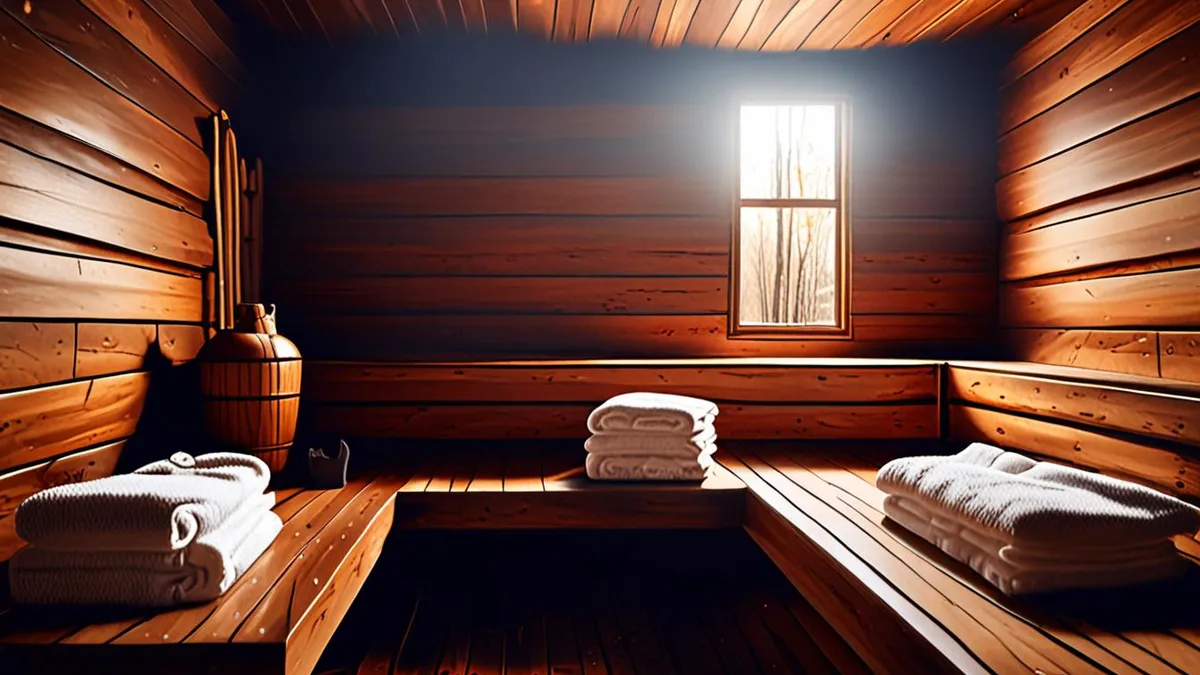
Sauna facilities are usually grouped into a dedicated sauna world, and the range can be surprisingly large. A typical setup includes several saunas at different temperatures plus quieter spaces to cool down between sessions. Look out for these common components:
- Finnish saunas: the classic dry, hot sauna, often offered at several temperature levels so you can choose between a gentle session and an intense one.
- Steam rooms: high-humidity rooms at lower temperatures, gentler on the circulation and popular for breathing comfort.
- Infrared cabins: deep, radiant heat at lower air temperatures, a good option if you find traditional saunas too hot.
- Adults-only zones: some spas designate certain saunas or entire areas as quiet, adults-only spaces, which makes a noticeable difference to the atmosphere.
Don’t overlook the relaxation rooms, which are where most of a spa day actually happens. Expect dimmed loungers, blankets and herbal tea stations, with water usually available as well. Robe and towel service is standard and included, so you don’t need to pack anything beyond swimwear. Many guests alternate between a sauna session, a cool shower and half an hour in the relaxation room, and that rhythm is exactly what these spaces are designed for.
How Much Does a Spa Hotel Stay Cost?
The first thing most travelers notice when comparing prices is that spa hotels rarely match a standard hotel in the same town. Room rates with spa access typically run 20-40% above comparable standard hotels. That premium is not just for the treatments themselves; it covers the upkeep of pools, saunas, thermal zones and the staff who run them, plus extras like robes, towels and tea stations that are included in your stay.
Once you are on site, the extras can add up quickly if you are not prepared. Treatments typically add 60-150 EUR per massage and 50-120 EUR per facial to your bill. A three-night stay with a massage each day can therefore cost as much as the room itself, so it pays to decide before you arrive how many treatments you actually want to book.
Skipping the Overnight Stay
If your budget is tight or you live nearby, day spa access alone costs 20-40 EUR per person if you skip the overnight stay. This usually covers the thermal pools, sauna world and relaxation areas for a half or full day, though exactly what is included varies by property. Some day passes also include a robe and towel, while others charge a small rental fee, so it is worth asking when you reserve.
A practical way to keep costs predictable is to look at packages that bundle treatments with the room rate. These often work out cheaper than paying for each massage separately, especially if the package includes at least one treatment per night. Whichever route you choose, check the current price list directly with the hotel before you travel, since treatment menus and fees change from year to year.
Booking Tips: When to Reserve Rooms and Treatments
Good spa hotels run on tight schedules, and the most popular therapists and treatment slots book out early. A little planning makes the difference between the massage you actually wanted and the leftover slot nobody else chose. The good news is that getting the bookings you want rarely takes more than a few minutes of preparation, either before you leave home or right when you arrive. Follow these steps to lock in the appointments that matter to you.
- Reserve popular treatments 1-2 weeks ahead. Signature massages, hot stone sessions and anything involving a specific therapist tend to disappear first. Booking one to two weeks before your stay gives you the widest choice of times and lets you build your days around your appointments instead of squeezing them in wherever a gap happens to appear.
- Try booking at check-in if you travel off-peak. Off-peak guests can often book at check-in, since the treatment schedule has plenty of gaps midweek outside school holidays. Ask at the spa reception as soon as you arrive rather than waiting until the next morning, when the remaining slots may already be spoken for.
- Aim for a midweek stay. Weekend and holiday slots fill fastest, so midweek stays offer better availability and often softer rates. Tuesday to Thursday visits also mean quieter pools and sauna areas, which many guests find far more relaxing than sharing a hot tub with a crowd.
- Check whether treatments are included in packages before paying separately on site. Many room rates that look expensive already include one or two treatments per night, which can bring the total cost close to or even below booking everything individually. Compare the package price against the room rate plus individual treatment prices, and confirm in writing exactly what is covered so there are no surprises on your final bill.
One last habit worth adopting: reconfirm your treatment times the evening before each appointment. Schedules shift, therapists take days off, and a quick confirmation at the spa desk avoids arriving robe in hand for a session that has quietly moved to another hour.
Etiquette and Practical Rules at Spa Hotels
Spa hotels are shared spaces, and a few simple rules keep them pleasant for everyone. Most of the etiquette is obvious once you think about it, but a couple of European customs catch first-time visitors by surprise, so it helps to know them before you pack your bag.
The two customs worth knowing in advance concern clothing. Swimwear is required in shared pools, and robes are expected in relaxation areas at most properties. Saunas in many European spas, however, are textile-free, meaning guests enter completely unclothed, usually with a towel to sit or lie on. This applies to men and women alike in mixed saunas, and some spas offer separate textile-free zones for each gender. If this feels uncomfortable, look for a spa with a swimsuit-allowed sauna area, which does exist, or use the steam room instead.
Timing and hygiene matter just as much as what you wear. Here are the practical points to keep in mind:
- Arrive 10-15 minutes early for treatments so you can change, use the restroom and settle in; rushing in late shortens your session and stresses both you and the therapist.
- Shower before entering pools or saunas, removing lotions, oils and makeup, since residues clog filters and affect water quality for everyone.
- Sit or lie on a towel inside the sauna, both for hygiene and because bare skin on hot wood can leave marks and is considered poor manners.
- Keep your voice low in relaxation rooms and quiet zones; these areas are designed for resting, not conversation, and phone use is usually unwelcome.
Finally, a word on tipping. Tipping therapists around 5-10% is appreciated but not always expected in Europe, where service staff are generally paid a proper wage. If a treatment stood out, hand the tip directly to the therapist or add it at checkout; either is accepted at most properties.
Wrapping Up Your Spa Hotel Stay
A spa hotel brings accommodation, treatments and thermal facilities together under one roof, so you can swim, sweat and unwind without leaving the building. Expect a menu of massages and facials, a pool and sauna area included with your room, and a bill that reflects the extras. Compared with a standard room elsewhere, you will pay a premium for the wellness access built into your rate, and each treatment adds roughly 60-150 EUR for a massage or 50-120 EUR for a facial.
To make the most of it, book popular treatments 1-2 weeks ahead, check whether packages already include them, and follow the basic house rules on swimwear, showering and sauna etiquette. Do that, and your stay should feel relaxing from check-in to checkout rather than full of surprises. If this guide helped you plan your trip, feel free to leave a comment or share it with a fellow traveler.