Booking a resort stay often comes with the same quiet worry: will the resort entertainment programs actually fill your days and evenings, or will they just fill a nicely printed schedule that nobody joins? Brochures promise pool parties, dance lessons and themed nights, but it is hard to know from photos alone how much is really on offer and how it will fit your travel style.
This guide walks through what a typical program includes, how daytime activities usually run from morning to late afternoon, what kids’ clubs and teen programs cover by age group, and what to expect from evening shows and live music. We also look at how schedules change by season and resort type, and how to choose a resort whose program genuinely matches what you want from your holiday, whether that is a full calendar of games or a quiet deck chair and a book.
What Resort Entertainment Programs Actually Include
A typical resort entertainment program is a mix of pool games, sports tournaments, aqua gym sessions, dance lessons and craft workshops, all run by the resort’s animation team. On a busy day you might see a stretching class by the pool in the morning, a water volleyball match after lunch, a salsa lesson before dinner and a quiz night afterwards. The variety is deliberate: resorts try to cover different ages and energy levels within one weekly plan.
Where to find the schedule
All-inclusive resorts usually publish a weekly schedule at reception, on notice boards near the pool or restaurant, and increasingly in the resort’s app. The schedule lists times, meeting points and whether registration is needed. Taking a photo of it on your first day saves you from constantly walking back to reception to check what starts when.
Optional, not obligatory
Participation is almost always optional. The animation team invites guests to join, sometimes quite enthusiastically, but no one is obliged to take part in anything. If you prefer to read by the pool while a tournament unfolds nearby, that is a perfectly normal way to spend the afternoon. Program intensity also varies widely by resort type: family resorts run fuller schedules than quiet nature retreats, where a guided walk and an evening campfire may be the whole plan.
Daytime Activities: From Pool Games to Sports Tournaments
Mornings are the gentlest part of the day. Most resorts start around 10:00 with low-key options such as stretching, darts, boules and aqua gym, winding down as lunch approaches. It is a good window for travelers who want to move a little without committing to anything loud or competitive.
Afternoons are the loudest slot. Between 14:00 and 17:00, expect pool games, water polo and team tournaments, with an announcer, music and a small crowd around the pool. If you want peace, this is the time to head to the beach, a quieter terrace or your room. Alongside the scheduled games, many resorts offer non-motorised sports at no extra cost, which is common at beach resorts along the Croatian coast and elsewhere in the Mediterranean.
- Tennis and table tennis: usually free, but courts and paddles may need booking at reception, and busy resorts can run short of equipment in peak hours.
- Beach volleyball: often organized as casual drop-in games in the afternoon, with occasional guest-versus-animation-team matches.
- Mini golf: a family favorite that rarely fills up, making it a reliable fallback when the pool area is crowded.
If you skip the pool scene entirely, look for quiet alternatives such as guided walks or cooking demos. These smaller sessions suit travelers who want to learn something or explore the surroundings rather than cheer on a water polo match.
Kids’ Clubs and Teen Programs by Age Group
Standard kids’ clubs cover ages 4 to 12, with supervised crafts, games and mini discos, the latter usually held in the late afternoon as a warm-up to the evening show. Clubs are run by trained staff, and children are signed in and out, so parents get a genuine break. In high season, clubs typically run 5 to 7 days a week, often with reduced hours in shoulder months, so check the exact schedule for your travel dates.
Teens get a looser program
Teens up to 16 or 17 rarely want a structured club, so larger resorts offer looser programs instead: sports challenges, gaming corners and evening meet-ups where they can socialize without parents nearby. These are usually drop-in rather than sign-in, which suits teenagers who come and go on their own schedule.
What to check before booking
Confirm the minimum age for the kids’ club and whether toddlers need a parent present. Some clubs accept children from around 4 without an adult, while younger ones may only be welcome with a parent joining the session. Also ask which languages the club staff speak, since a child who cannot understand the animator will often lose interest quickly. These details matter more than the photos on the resort’s website, and a quick email to the resort before booking can save a disappointing week.
Evening Shows, Live Music and Night Entertainment
As the sun goes down, resort entertainment shifts gears. Most evening programs kick off between 20:00 and 21:30, and the first item on the bill is usually a mini disco for children. Expect a short burst of songs and dances on a stage or dance floor, often led by the animation team, with plenty of kids waving glow sticks. It typically lasts 20-30 minutes, so plan dinner reservations around it if your little ones won’t want to miss it.
After the children clear out, the main show begins. This is where resorts bring in the bigger productions: professional revue numbers with costumes and choreography, themed nights built around a country or decade, karaoke sessions for braver guests, and live bands playing everything from pop covers to local music. Shows generally wrap up by 23:00, so even night owls on a family holiday get a reasonable bedtime.
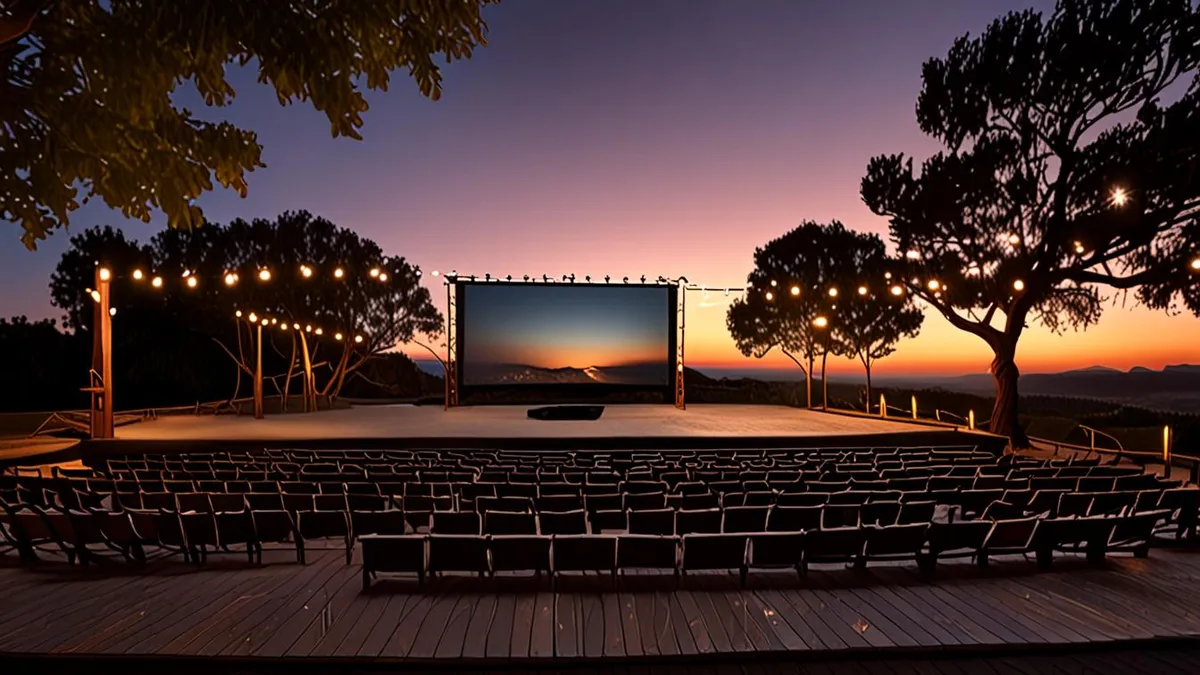
Larger resorts rotate their venues across the week to keep things fresh. One night might be a big amphitheatre production, the next a relaxed acoustic set at the poolside bar, and the following evening a quiz or cabaret in an indoor lounge. Check the weekly program to see which venue hosts what, since seating and atmosphere differ quite a bit between them.
If cabaret isn’t your thing, most resorts keep quieter options running in parallel. Adults-only bars and terraces often stay open later than the main show venue, offering cocktails, conversation and sometimes a pianist or small jazz duo instead of a full-stage production.
- Amphitheatre shows: usually the biggest productions of the week, with tiered seating; arrive 15-20 minutes early in high season to get a decent spot.
- Poolside bar evenings: a more casual setting where you can watch from a lounger with a drink, though shows here are often smaller acoustic or DJ sets.
- Indoor lounges: the fallback for cooler or breezy nights, and typically where quizzes, bingo and comedy-style acts take place.
- Adults-only terraces: some resorts restrict these to guests over 18, making them a good pick for couples who want a late-night drink without background disco music.
- Themed nights: common themes include pirate nights, white parties and local culture evenings, sometimes paired with a special dinner buffet in the main restaurant.
How Entertainment Differs by Season and Resort Type
Beach resorts: full throttle in summer
Beach resorts run their fullest programs from mid-June to early September, when the animation team is at full strength and the schedule can fill seven days a week. In May and October, the same properties typically thin things out considerably — fewer shows, shorter kids’ club hours and more gaps in the daytime line-up. If you’re booking a beach holiday outside the peak window, ask specifically what will still be running during your dates.
Mountains, lakes and shoulder seasons
Ski and mountain resorts concentrate their entertainment around mid-December to early January and again during February school breaks, when families arrive in numbers. Outside those weeks, evening programs shrink and some venues may close entirely — worth checking before you book a winter trip to destinations like Slovakia’s ski resorts, where the pace is often more relaxed than in the big Alpine hubs.
Lake and nature resorts take a different approach altogether. Their schedules stay light year-round, favouring guided hikes, campfire evenings and the occasional live music night rather than a packed animation calendar. These properties suit travelers who want entertainment to be an option, not a schedule.
Shoulder-season guests at any resort type should expect roughly 2-3 organized activities per day plus one evening show, instead of the full weekly program with 6-7 activity days that family resorts commonly run in high season. That’s not necessarily a downgrade — many travelers find the calmer rhythm more enjoyable, as long as they know what to expect before arrival.
Choosing a Resort Whose Program Matches Your Travel Style
A resort’s entertainment program can make or break a holiday, and the mismatch usually comes from assumptions rather than false advertising. A couple expecting a quiet week books a family property famous for its loud poolside games; a family with young children books a stylish adults-oriented hotel with no kids’ club at all. Both trips end in disappointment, and both could have been avoided with fifteen minutes of research before booking. The tricky part is that resort websites rarely make this easy: photos show infinity pools at golden hour, not the water polo match splashing beside you at 15:00. The good news is that a few targeted questions, asked before you pay, reveal almost everything you need to know about how a property actually feels day to day. Here’s how to match a resort’s program to your travel style, whether you want a week of tournaments and shows or a lounger nobody will disturb.
- Request a sample weekly entertainment schedule. Email the resort before booking and ask for a recent example week rather than judging from marketing photos, which show the pool at its most photogenic but tell you nothing about the noise level at 15:00. A helpful reservations team will usually send one; reluctance to share is itself a useful signal.
- Check the size of the animation team. A small team usually means fewer, calmer activities; a large one signals a fuller, louder schedule. Neither is better — it depends entirely on what you want from your stay.
- Look for separate adult zones if you’re a couple seeking quiet. Resorts with a dedicated adults-only pool or terrace give you a genuine escape from the family side, instead of a quiet corner that turns out to be next to the stage.
- Confirm kids’ club details if you’re traveling with 4-12 year olds. Ask about the club’s operating hours, which languages the staff speak, and whether the club is included in the rate or charged separately — this varies more than most families expect, and it can shift a resort from good value to expensive.
- Read reviews that mention the animation team. Guest reviews naming specific team members are the fastest way to gauge whether the program is fun or intrusive, since frequent praise or complaints about the same names reveal a consistent style rather than a one-off bad week.
Ten minutes spent on these checks costs nothing and saves you from the most common booking regret in resort travel. Remember that a program suited to a family of five is rarely suited to a honeymooning couple, and vice versa — so filter every brochure claim through your own plans. The best entertainment program isn’t the fullest one; it’s the one whose rhythm matches yours.
Wrapping Up: Making the Most of Day and Night Entertainment
So, will a resort entertainment program actually fill your days and evenings, or just a printed schedule? The honest answer is that it depends on where and when you book. A family beach resort in high season, running 6-7 activity days per week plus nightly shows that wrap up by 23:00, will genuinely keep the calendar full. A quiet nature retreat in the shoulder months, with 2-3 activities a day and low-key evenings, offers a gentler rhythm rather than a packed one.
The key takeaway is that the program follows the resort type and the season: full schedules run mid-June to early September at beach properties and around the winter holidays in the mountains, while quieter spots and quieter months scale things back. Match the resort to your travel style, ask for a sample schedule before booking, and the entertainment will fit your trip instead of the other way around. If this helped you plan, leave a comment or share the article.