Picture this: you book a remote lodge after a long day on the trails, looking forward to a hot sauna, only to discover the “spa” is a tiny infrared cabin shared with ten other guests. Or the opposite — you skip a property assuming the spa costs extra, when a wood-fired sauna with lake views was included all along. Lodge sauna and spa facilities vary enormously between properties, and a listing that mentions wellness amenities does not always tell you what you will actually find on site.
This guide walks you through what lodges typically offer, from Finnish-style saunas and hot tubs to relaxation rooms and treatment spaces, and how access, booking rules and extra charges usually work. We also cover what to pack, how sauna culture differs across destinations, and what to check before you book so the wellness experience you pictured is the one waiting for you.
What Lodge Sauna and Spa Facilities Usually Include
The most common lodge sauna and spa facility is a classic Finnish-style sauna, heated by wood or electricity and typically running at 80-100°C. These are especially widespread at lodges in Nordic and Alpine regions, where an evening sauna is as much a part of the stay as dinner. Larger properties often run two saunas — a hotter dry one and a gentler, steamier option — so guests can choose their preferred intensity.
Smaller lodges and remote cabins frequently skip the full sauna and offer an infrared cabin instead. These sit at a much milder 40-60°C, heat up faster and use less energy, which makes them practical for properties with limited staff or off-grid power. The experience is different — a gentle warming rather than an intense sweat — so it helps to know which type you are getting before you book.
Shared spa zones and extras
Beyond the sauna itself, a shared spa zone at a lodge usually includes a hot tub or a heated plunge pool, along with a relaxation room stocked with loungers, dim lighting and often an herbal tea station. This is where most guests end up after a session, so a comfortable relaxation space matters as much as the sauna.
Some properties go further and add dedicated massage treatment rooms. Keep in mind that treatments are almost always booked separately from your stay, both in terms of scheduling and cost. If a massage is part of your plan, ask at booking or shortly after arrival, since slots with visiting therapists tend to fill quickly in busy periods.
How Sauna and Spa Access Works at Lodges
Shared spa areas at lodges generally open from around 7:00 to 21:00, though exact hours vary by property. In practice, the busiest stretches are early evening, when most guests return from the day’s activities. If you prefer the sauna to yourself, aim for mid-morning or mid-afternoon, which are reliably quieter at most lodges.
Private sauna cabins are a signature feature at romantic and luxury properties, and they are especially common at couples-focused lodges in Sweden where a secluded sauna with a view is part of the appeal. When a private session is not included in your rate, expect a charge of roughly €15-40 per hour. Booking in advance is wise, as many cabins only take one party at a time.
House rules are worth reading before you arrive, since they cover details that rarely appear in the listing itself:
- Reservation requirements: in high season, especially December-February, many lodges ask guests to reserve spa slots 24-48 hours ahead, so decide on your preferred times early in your stay.
- Textile rules: some lodges run clothing-optional or single-sex sauna sessions on certain evenings, which affects when and how you can use the sauna if you are not comfortable with either.
- Session structure: some properties alternate evenings between mixed and single-sex use rather than offering both at once, so your flexible window may be narrower than the posted opening hours suggest.
The simplest approach is to ask about house rules at booking and confirm how sauna scheduling works for your dates. A quick question up front avoids awkward surprises and helps you plan your evenings around the sessions you actually want.
Hot Tubs, Pools and Outdoor Wellness Areas
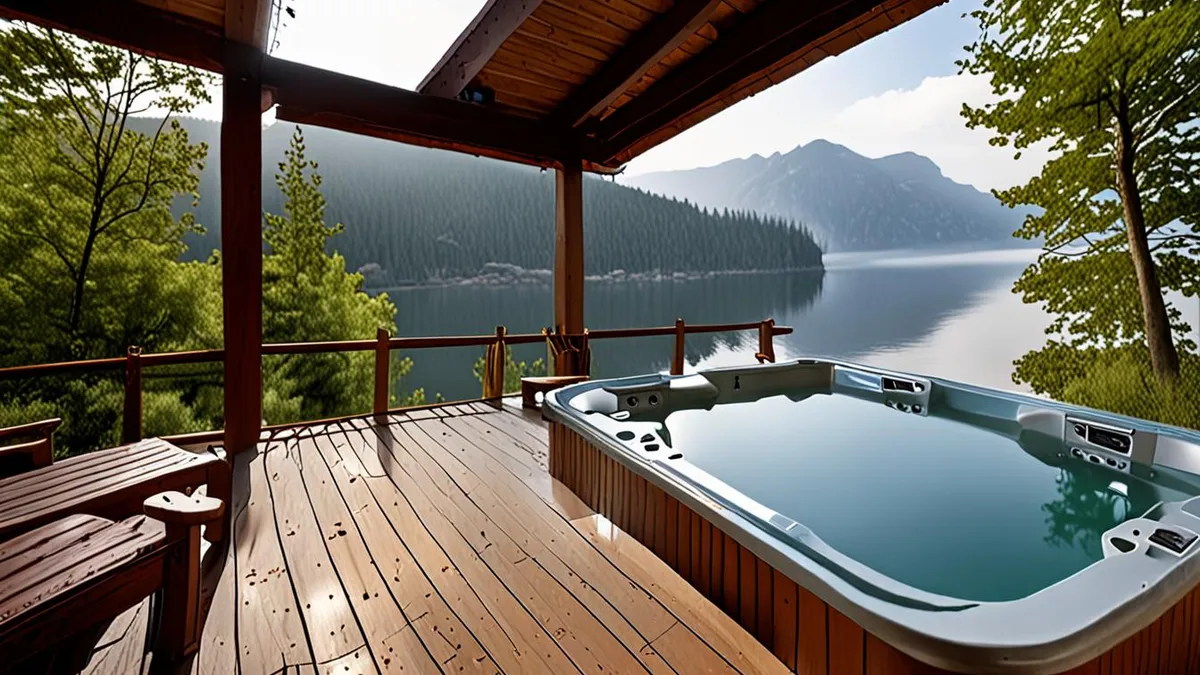
Outdoor hot tubs with a mountain or fjord backdrop are the signature wellness feature at scenic lodges, and for good reason — few experiences beat soaking in steaming water while snow falls around you. One practical detail catches many guests off guard: hot tubs usually need 30-60 minutes to heat before first use. If you want a soak right after dinner, tell staff in advance so they can start heating it. Properties in Norway’s fjord regions often build their whole guest experience around these view-side tubs, so it is worth asking about them when you book.
Pools and the hot-cold cycle
Heated indoor pools appear mainly at larger lodges and dedicated spa resorts. Smaller cabins rarely have one — the space, cost and maintenance are simply too much for a property with a handful of rooms. If a pool is important to you, treat the listing carefully: “spa facilities” does not automatically mean a swimming pool.
In Nordic-style properties, saunas are often paired with a cold plunge bucket or, in lakeside settings, direct lake swimming. The hot-cold cycle is the point: heat up in the sauna, cool off sharply, then rest. Even if it sounds intimidating, try it once — most first-timers find the contrast far more invigorating than expected.
Wellness does not end when the sun goes down in winter. Many lodges extend their spa areas onto terraces equipped with fire pits and heated loungers, letting you stretch an evening soak into hours outdoors. Bring warm layers for the walk back to your cabin, and you can comfortably enjoy the setup even on the coldest nights.
What Is Provided and What You Should Bring
The good news is that most lodges with spa facilities supply the basics: towels and bathrobes are provided at the majority of properties, usually waiting in your cabin or handed over at check-in. That said, budget properties sometimes charge a small fee for them or skip them entirely, so it pays to read the fine print before you pack light.
Flip-flops are the item travelers most often forget. Wet floors around pools, hot tubs and sauna entrances are the norm, and few lodges provide footwear, so a pair of rubber sandals in your bag makes a real difference in comfort and hygiene.
Swimwear rules matter too. In shared pools and hot tubs, swimsuits are required even at properties where the sauna itself is textile-free. If your cabin comes with a private sauna, check whether wood, kindling or a starter kit is included in the rate, since buying supplies on site can be awkward in remote areas.
- A spare swimsuit: useful if you plan a hot tub session in the evening and your only suit is still damp from the afternoon.
- A water bottle: sauna sessions dehydrate you faster than you expect, and not every lodge keeps water coolers in the spa zone.
- A small bag for wet items: a simple dry bag or plastic pouch keeps damp towels and swimwear separate from the rest of your luggage on departure day.
- Hair ties and a brush: practical in hot rooms, where long loose hair is uncomfortable and often asked to be tied up anyway.
Sauna and Spa Culture Across Lodge Destinations
Sauna habits differ noticeably from one lodge destination to the next, and knowing the local style helps you pick the property that matches your expectations.
In Finland and Sweden, sauna use is part of daily life rather than a special treat. Lakeside lodges often pair a wood-fired sauna with a dip in the lake, and guests may repeat the hot-cold cycle several times in one evening. If that sounds appealing, lakeside lodges in Finland for a summer holiday are a great way to experience this rhythm firsthand.
Alpine and Balkan approaches
Alpine lodges in Austria, Slovenia and Slovakia lean toward hotel-style wellness: expect pools, steam rooms and printed treatment menus alongside the sauna. These properties usually have the most structured setup, with dedicated spa staff and clearly marked zones.
Balkan lodge destinations such as Serbia and Bulgaria increasingly add modern spa wings, though facilities in forest retreats can be simpler, sometimes just a single sauna and a hot tub run by the owners.
Where to expect what
As a rule of thumb, Nordic and Alpine countries offer the most developed wellness infrastructure, while remote cabins almost anywhere tend toward rustic, self-service setups. Neither style is better; they simply suit different travelers, so decide early whether you want pampering or a woodpile and a view.
How to Check Sauna and Spa Facilities Before You Book
A little homework before booking saves a lot of disappointment on site. Spa facilities vary widely between lodges, and the details that matter most are rarely shown in the main photo gallery. Photos tend to feature the hot tub with the best view, not the small shared sauna you may actually be using. Work through these steps before you confirm your stay, and you will know exactly what you are paying for.
- Read the room or cabin description specifically. A spa on site does not always mean access from your unit; some lodges restrict the sauna to certain room categories or a separate wing, so check exactly what your booking includes.
- Confirm what is included in the rate. Sauna and hot tub use is sometimes part of the price and sometimes charged per session, and private sauna time can add a noticeable amount to your bill if you use it daily.
- Ask about capacity and booking rules for winter travel. Demand peaks in December-February, so ask how the reservation system works, whether slots fill up quickly and if you can pre-book before arrival.
- Check opening hours against your schedule. Shared spa areas typically open around 7:00 and close by 21:00, so a late arrival or early departure can leave you no window to use the facilities at all.
- Ask who shares the space. A six-cabin lodge and a sixty-room property can both advertise a sauna, but the experience of using each one is very different. If quiet matters to you, ask how many guests the spa serves.
Ten minutes of emails or a careful read of the property page is all it takes. Ask direct questions about access, extra charges and reservation rules, and keep the answers in writing so there is no confusion at check-in. Doing this before you pay means you arrive with realistic expectations, rather than discovering on site that the sauna is a small unit shared with twenty other guests, or that it costs more than you budgeted for.
Wrapping Up Your Lodge Sauna and Spa Stay
The gap between what lodges offer can be huge: two properties at similar prices might deliver completely different experiences. One could have a wood-fired Nordic sauna and an outdoor hot tub, while the other offers nothing more than a small infrared cabin shared with six other rooms. Matching the property type to your expectations is the first step, whether that means a full Alpine spa wing with pools and treatments or a quiet lakeside cabin with a self-service sauna.
Once you know the property type, the details do the rest. Familiarize yourself with typical temperatures like 80-100°C for a Finnish-style sauna, check the opening hours against your arrival and departure times, and confirm whether towels, robes or private sauna sessions cost extra. A quick look at the booking details before you pay ensures the wellness experience you pictured is the one actually waiting on site. If this helped you plan your trip, feel free to leave a comment or share the article.