Booking a lodge for a group of friends sounds simple until the details start to fray. Trips often go wrong over three things: sleeping arrangements that leave someone on a sofa, uneven costs that breed quiet resentment, and shared spaces that don’t actually suit the way your group wants to spend its evenings. The photos looked great online, but nobody asked how many real beds there were or who was paying the deposit.
This guide walks you through the whole process, step by step. We start with group size and sleeping arrangements, then cover how to split the cost fairly, how to choose a location that works for everyone, and which shared amenities make or break a stay. We also look at timing and booking lead times, the house rules and logistics to check before you pay anything, and a short wrap-up to pull your decision together. Get these basics right and choosing a lodge for a group of friends becomes genuinely enjoyable rather than a negotiation.
Start With Group Size and Sleeping Arrangements
The most common mistake groups make is booking for the number of people who said yes three months ago. Count the friends who have actually confirmed, then add one spare bed for the inevitable late addition. Someone always joins at the last minute, and having that flexibility saves an awkward reshuffle of sleeping spots.
Bedroom setup matters more than the headline capacity. Lodges with 3-6 separate bedrooms let couples have their own room and give friends who don’t snore a break from those who do, while shared bunk rooms force everyone into a dorm-style arrangement that few adults enjoy after their mid-twenties.
Before you pay a deposit, run through this checklist:
- Bed configurations, not just headcounts: a lodge sleeping 10 with two sofa beds fits fewer people comfortably than one with proper beds in every room, so ask for a full bed list.
- Bathroom ratio: for groups of 8 or more, confirm at least 2 bathrooms, ideally with separate toilets, to avoid a long queue every morning.
- Room pairing: check which bedrooms share walls or sit next to the living area, since light sleepers will thank you for placing them away from the social zone.
- Ground-floor options: if anyone in the group has mobility issues or is pregnant, confirm at least one bedroom and bathroom on the entry level.
Ask the owner or manager to send photos of each bedroom and bathroom rather than relying on the listing gallery, which often shows only the best rooms. A five-minute email exchange at this stage prevents the most frequent group complaint: someone drew the short straw on sleeping arrangements and didn’t agree to it.
How to Split the Cost of a Lodge for a Group of Friends
The financial case for renting a whole lodge is usually strong. Whole-lodge rentals typically cost 20-40% less per person than booking individual rooms, so always compare options on a per-person basis rather than by the nightly rate alone. A lodge that looks expensive at first glance may work out cheaper per head than four hotel rooms plus restaurant meals.
Set the budget before you search
Agree on a per-person budget before anyone starts sending links. A budget of €50-120 per night covers most mid-range group lodges in Europe, and having that number fixed keeps the search focused. Without it, one friend will find a dream property at triple the agreed range and derail the whole conversation.
Next, decide how costs are shared. Some groups split everything equally; others charge couples and single occupants different shares, since two people sharing a bed use less space than two singles. Have this conversation before booking, not after the deposit is paid. A simple rule stated in the group chat is enough.
Protect the person who pays
Whoever books shouldn’t be out of pocket for the full deposit while everyone reimburses them slowly. Use a shared payment pot or a split-payment booking tool so the cost is divided at the moment of payment. Collect everyone’s contribution before you confirm the booking, not after, and keep a running note of who has paid what so nobody has to chase friends for money during the trip itself.
Choose a Location That Suits the Whole Group
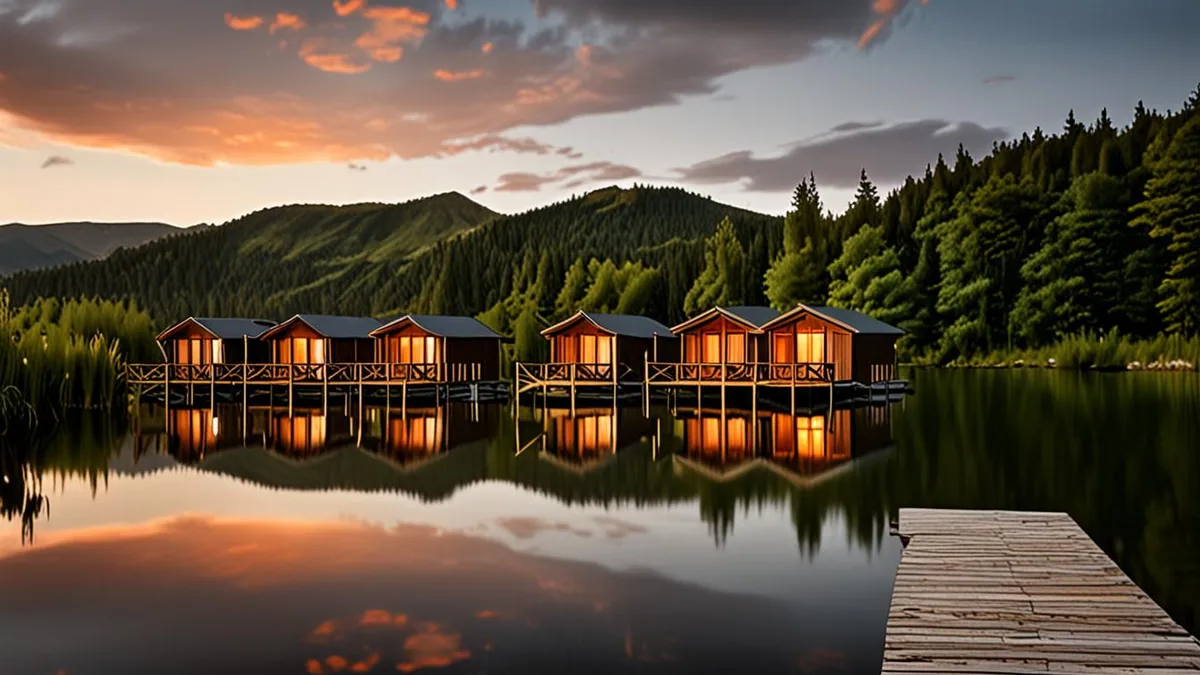
Start by matching the setting to your group’s energy. Lakeside lodges suit relaxed summer trips built around swimming, saunas and long dinners, while mountain lodges suit active groups who want hiking, skiing or climbing on the doorstep. If you’re drawn to the water version, this guide to Finland lakeside lodges for summer holidays shows what a lake-focused trip looks like in practice.
Then look past the nearest town and check driving distances to the things you’ll actually do: trailheads, ski lifts or the coast. A lodge can be “close to everything” according to the listing and still sit 40 minutes from the trailhead you plan to use every morning.
A few practical checks before you shortlist:
- The 30-minute rule for mixed groups: pick a lodge within roughly 30 minutes of both the outdoor activities and a village with restaurants, so the hikers and the café crowd are both happy.
- Who is driving: a lodge 3 or more hours from the nearest airport tests everyone’s patience on short trips, so factor transfer time into the trip length itself.
- Winter access: ask whether the final road is plowed and whether you need winter tires or chains, since a beautiful mountain lodge can be a tense drive after fresh snow.
- Grocery runs: check how far the nearest decent supermarket is, because cooking for a group usually means at least one mid-week shopping trip.
It helps to nominate one person per interest group to sanity-check the location. The friend who will ski every day should confirm the lift distance; the one who plans to read by the fire should confirm there’s actually a village nearby for coffee. Ten minutes of checking beats a week of compromise.
Shared Amenities That Make or Break a Group Stay
The shared spaces are where a group lodge earns its keep. The single most important item to check is the dining table. A table that seats everyone means you can eat together instead of running shifts or balancing plates on laps. Pair it with a kitchen that can actually cope with group cooking: two ovens or a big hob with plenty of burners turns dinner for ten from a chore into a pleasure. If the listing photos only show a compact kitchenette, ask the owner directly.
The lounge matters just as much. Some large lodges have impressive bedroom counts but a communal sitting area that seats four comfortably, leaving the rest of the group scattered. Look for enough seating for your full number, and ideally a layout where everyone can see each other rather than sitting in separate corners.
Extras that give evenings structure
A hot tub, fire pit, sauna or games room sounds like a luxury, but on a multi-night trip it becomes the evening plan. This is especially true in winter, when daylight ends early and the group stays in after dinner. If you are comparing options for a cold-weather trip, our guide to choosing a ski lodge in the Alps for winter trips covers which extras are worth prioritising. Ask whether the hot tub or sauna costs extra to heat or use, and whether the fire pit comes with wood.
Finally, check the practical items people forget. Laundry facilities are valuable on trips longer than a few nights or after muddy hikes. And confirm parking for at least 2-3 cars if your group is arriving separately, since a lodge with one driveway space creates an awkward shuffle on arrival day.
Timing and Booking Lead Times for Group Lodges
Large lodges are scarce, and the best ones for groups sell out long before the small cottages do. For peak summer trips in June-August and peak winter trips in December-February, aim to book 6-9 months ahead. At that point you will have real choice between lodges rather than taking whatever is left, and you can compare several options on bedrooms, shared space and price instead of settling for the first available listing. Booking late for a group almost always means compromising on bedrooms, bathrooms or location, and it puts one person under pressure to decide quickly for everyone else.
Minimum stay rules also tighten around group properties. On regular weekends, expect to commit to 2-3 nights. In peak season, many owners require a full week, which is worth knowing before you float dates to the group. A week-long requirement changes the trip from a weekend away into a proper holiday, so confirm it early and check how it affects everyone’s annual leave.
- Shoulder season sweet spot: May, September and October often deliver the same lodge for 20-30% less, and owners are more willing to negotiate on stay length because demand is lower.
- Midweek arrivals: if your group can travel Monday to Friday, some lodges drop their minimum stay below the weekend requirement, which suits shorter trips.
- Deposit size: group bookings usually carry a larger deposit than a couple booking one room, sometimes a bigger percentage of the total, so check exactly what is due at booking versus on arrival.
- Cancellation terms: read these carefully before paying. A flexible or partially refundable rate may cost a little more per person, but with eight or ten people’s money at stake, that premium is usually the cheapest insurance you can buy.
- Payment deadlines: note the balance due date in a shared calendar, since group trips fall apart more often over missed payment deadlines than over the booking itself.
One practical habit: screenshot or save the cancellation policy at the time of booking. Policies can change between seasons, and having the version you agreed to protects the whole group if plans shift. It also helps to forward the confirmation to everyone in the group, so nobody has to ask the booker for details when a date or payment question comes up months later.
House Rules and Group Logistics to Check Before You Pay
Before you pay any deposit, confirm the lodge actually accepts groups. Some owners cap bookings at couples or families only, either because of past experiences with noise or because of insurance and licensing limits. A lodge that looks perfect but rejects a friends’ booking wastes everyone’s time, so make this your first question when you enquire.
If your group plans late evenings, a birthday dinner or any kind of celebration, ask about noise policies and quiet hours upfront. Rural lodges in particular often have strict rules out of respect for neighbors, and some quiet forest retreats, like the kind covered in our guide to Serbia forest lodges for quiet retreats, are chosen precisely for their stillness. Better to know the expectations before arrival than to lose a deposit over a noisy terrace at midnight.
What is included, and what costs extra
Clarify the basics in writing: are bed linen and towels included, or charged per person? Is there a mid-stay clean, and if so, is it part of the price or an add-on? For a group, these small fees add up quickly across ten guests, and they can quietly push a lodge outside your per-person budget.
Finally, agree on a group checklist before anyone travels. Decide who brings the first grocery shop, who handles check-in and key collection, and who keeps the deposit safe and coordinates its return. Put names against each task in the group chat. It takes five minutes, and it prevents the classic group-trip friction of everyone assuming someone else has it covered.
Wrapping Up Your Group Lodge Choice
Most group lodge trips go wrong for the same handful of reasons: someone ends up on a sofa bed, costs feel unfair, or the shared spaces simply don’t fit everyone. Getting the choice right comes down to balance. A good lodge for a group of friends gives each person or couple real bedroom privacy, offers a kitchen and lounge that genuinely suit the whole group rather than just a few of you, and works out to a fair per-person price once you divide the total properly.
It helps to think of the decision as three checks that should all pass before you commit. First, does the sleeping setup work for your actual group? Second, can everyone eat, relax and spread out together without stepping on each other? Third, does the total cost feel reasonable when split? If a lodge ticks all three boxes, you’re most of the way to a trip that runs smoothly. Have a lodge trip planned or a tip to share? Leave a comment or pass this article along.