Booking Tenerife villas sounds simple until you realize the island is really two destinations in one. Many travelers assume a villa anywhere will deliver the same experience, then find themselves torn between the arid, resort-heavy south and the greener, more local-feeling north. The right choice shapes everything: your weather, your surroundings, your daily drive to dinner, and how much you pay.
This guide breaks the decision down for you. We compare the south’s sun-and-resort lifestyle with the north’s greenery, culture and better value, look at when each coast shines through the seasons, and show what comparable villas typically cost on each side of the island. You’ll also find help matching a coast to your travel style, practical tips for booking the right villa, and a final framework for making your choice. By the end, you should know exactly which coast fits the trip you have in mind.
South Coast Tenerife Villas: Sun, Resorts and Beaches
If your holiday mental image involves a private pool, a sun lounger and golden sand within easy reach, the south coast is where most Tenerife villa searches begin. Costa Adeje and Los Cristianos dominate the island’s villa supply, and the vast majority of properties here sit within a 10-15 minute drive of proper sandy beaches. That convenience is the south’s biggest selling point: you can spend the morning at the pool and walk to the promenade for lunch without ever starting the car.
The weather is the other major draw. The south coast averages around 320 sunny days per year, with roughly 5-7 rainy days per month even in winter. For travelers chasing winter sun or planning a pool-focused break between November and March, this is the reliable side of the island. While no one can promise perfect weather, the south comes about as close as Tenerife gets.
The trade-offs to weigh up
That reliability comes at a cost, literally and in character. South coast villa rentals typically run 20-40% more than comparable properties on the north coast in the same season, reflecting the demand for sunshine and beach access. The resort strip is also dense: Costa Adeje and Los Cristianos blend into a continuous wall of hotels, apartments, shops and bars, so you’ll need to choose your villa’s location carefully if you want evening peace and a view rather than a neighboring balcony.
Canarian character is thinner here too. The architecture is modern and international, restaurants cater heavily to visitor tastes, and you’ll drive out of the resorts to find the whitewashed villages and local tavernas that give the island its charm. For many travelers that’s a fair trade for guaranteed beach days; for others, it’s exactly why the north appeals. If your priority list starts with sunshine and ends with sand, though, the south makes the decision easy.
North Coast Tenerife Villas: Greenery, Culture and Value
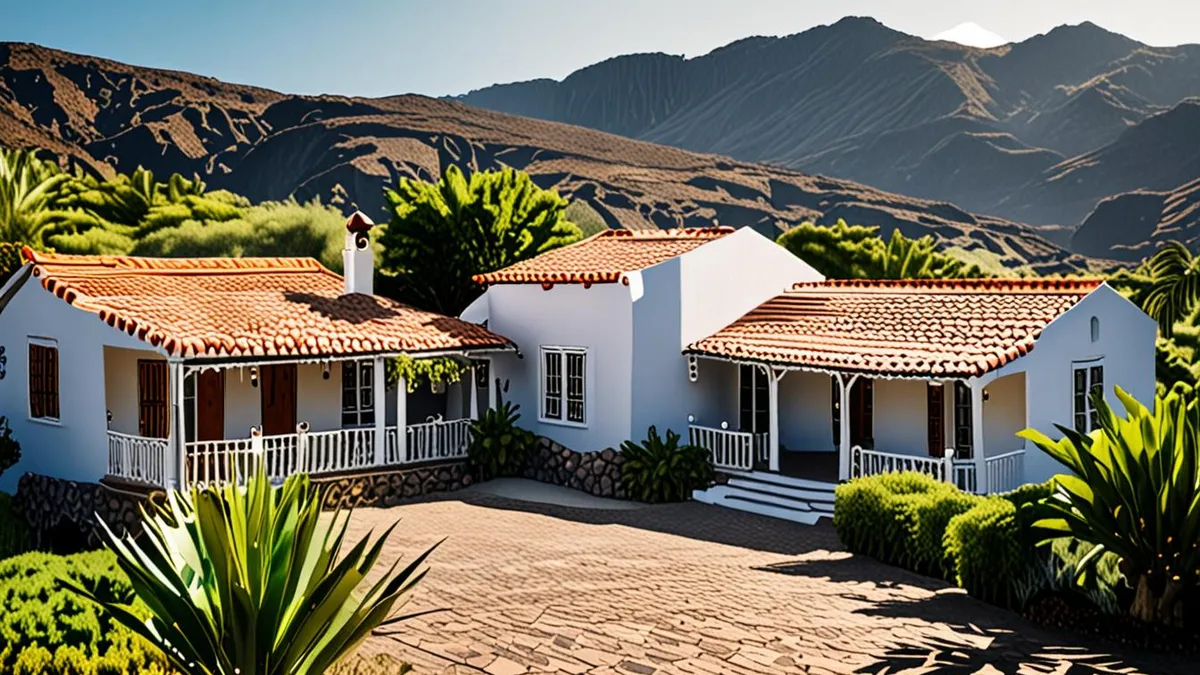
The north coast feels like a different island. Around Puerto de la Cruz and up into the Orotava Valley, villas sit among banana plantations and terraced hillsides rather than resort strips. The towns here are the real deal: cobbled streets, historic churches, small bars serving local wine, and black-sand coves where waves crash rather than lap. If your idea of a holiday involves wandering a market in the morning and reading by the pool in the afternoon, this side of Tenerife fits well.
What the Weather Means for Your Villa Choice
There is a catch, and it matters. North coast temperatures run about 3-5°C cooler than the south, with cloud and light rain common from November to March. That rarely ruins a holiday, but it changes the pool question entirely. An unheated pool in Puerto de la Cruz in January can feel bracing, so if you are traveling in winter, prioritize villas with heated pools and check this before you book rather than assuming.
In summer, the trade-off flips in your favor. While southern resorts can feel intense, the north stays comfortably warm, and the greenery that winter clouds produce is exactly what makes the landscape so attractive the rest of the year.
The Value Argument
Price is the north coast’s strongest card. A comparable villa costs 20-40% less here than in the south, which often means more bedrooms, a bigger plot or a better view for the same budget. Many travelers find that space and authenticity matter more than being a short walk from a sandy beach, especially when the south’s resort towns are still reachable in roughly 1-1.5 hours by car. For culture lovers, hikers and anyone watching their budget, the north coast delivers serious value.
Weather and Seasons: When Each Coast Shines
Timing shapes your villa experience on Tenerife almost as much as geography does. Peak season runs from mid-June to early September, plus the Christmas-New Year stretch, and on both coasts villa rates climb 40-60% above shoulder-month prices. The south feels the squeeze hardest simply because demand for guaranteed sunshine is highest when everyone else wants it too.
If your dates are flexible, aim for May, early June or October. These shoulder months deliver the best price-to-weather balance on either coast: the sea is warm from months of sun, the crowds thin out, and you get far more villa for your money. October on the south coast can feel like a second summer, while the north is at its greenest and most photogenic.
Winter: which coast earns your booking?
Winter is where the two coasts genuinely diverge. If you are chasing winter sun, stick to the south, where cloud and rain are rare even in the darkest months. The north runs noticeably cooler and cloudier from November to March, which suits hikers exploring the Anaga hills or culture travelers wandering La Orotava’s old town just fine, but it is not beach-lounging weather.
One practical note for winter stays: pool temperatures matter more than air temperatures, especially in the north. Confirm with your host or operator whether the villa pool is heated before you commit, and check current seasonal details with your booking platform, since availability and conditions vary from property to property.
What Tenerife Villas Cost on Each Coast
The price gap between the two coasts is real and consistent. For a like-for-like villa in the same season, expect to budget roughly 20-40% more on the south coast than you would pay in the north. That difference comes from demand: the south’s resort towns pull in far more holidaymakers, and owners know they can charge for the sunshine.
To give you a rough baseline, a two-bedroom villa in shoulder season often starts around €120-180 per night on the north coast, while an equivalent property in the south typically begins around €160-250 per night. Larger villas with private pools scale up from there on both coasts. If you have rented villas elsewhere in Europe, the logic is similar to comparing villa rental costs in Croatia: location and season matter more than the property itself.
Whichever coast you choose, add car hire to your budget early. Both coasts reward having your own wheels, and Teide National Park sits about an hour by car from either side, so no villa location saves you that rental.
- Extras add up quickly: ask whether cleaning fees, linen, pool heating and a refundable damage deposit are included in the nightly rate, as these can shift the real price by a noticeable margin.
- Group size changes the math: the per-person cost of a large north coast villa often undercuts booking several south coast apartments, which is why bigger groups tend to find better value in the north.
- Shoulder months soften the gap: the 20-40% premium for the south is measured within the same season, so traveling in May, early June or October lowers prices on both coasts.
Matching the Coast to Your Travel Style
The right coast depends less on the villa and more on how you spend your days. Tenerife’s two sides cater to genuinely different travel styles, and matching them up is the single best way to avoid a disappointing booking.
Families with young children usually fit the south best. Costa Adeje and Los Cristianos offer calm, sandy beaches, water parks within easy reach and walkable resort infrastructure, so you are rarely more than a short stroll from restaurants, playgrounds and the sea. Everything is designed around convenience, which matters when you are juggling kids, towels and snacks.
Couples and slow travelers often prefer the north. Puerto de la Cruz and the villages around the Orotava Valley deliver serious gastronomy, hiking in the Anaga hills and quieter evenings without karaoke bars or all-inclusive crowds. If your idea of a holiday involves a long lunch and a coastal walk rather than a beach schedule, the north will feel like a better fit.
- Mixed-interest groups: if half your party wants beach days and half wants exploring, base yourselves on the south coast and day-trip north, since the drive between the south resorts and towns like Puerto de la Cruz takes roughly 1-1.5 hours.
- Remote workers and long stays: the north’s lower prices and authentic town life suit extended stays, while the south’s density works better for short, beach-focused trips.
- Celebration trips: milestone birthdays and anniversaries often work well in south coast villas with sea views and easy restaurant access, avoiding the need to drive after dinner.
How to Book the Right Tenerife Villa
Booking a villa in Tenerife is straightforward if you follow a few practical steps. The main variables are timing, pool heating and realistic drive times, and getting all three right saves both money and holiday frustration. None of the checks below takes more than a few minutes, yet together they prevent the most common villa disappointments, from arriving to a freezing pool to discovering the “five-minute beach” is actually a twenty-minute drive.
- Book early for the south in summer. Reserve south coast summer villas 4-6 months ahead, because the best properties near Costa Adeje and Los Cristianos get snapped up first for the peak weeks. Last-minute bargains are rare there in high season.
- Relax the timeline for the north. Two to three months ahead is usually enough for a north coast villa in shoulder season, when demand is lighter and availability is wider. You can often afford to be choosier about views and layout.
- Ask about pool heating before you commit. If you are booking a north coast stay between November and March, confirm whether the pool is heated; unheated pools can be too cool for comfortable swimming in the cooler, cloudier winter months. A small heating supplement is usually worth it.
- Check drive times yourself. Use a map tool to verify the actual drive to your priority spots, whether that is the beach, Teide National Park or the airport, rather than trusting listings that claim to be close to everything.
- Read the fine print on extras. Confirm what is included in the rate, from air conditioning to cleaning, before you pay the deposit.
Do these checks in order before you pay any deposit, and the booking itself becomes the easy part of planning the trip. A few minutes of due diligence protects the holiday you have already spent weeks choosing.
South or North: Making Your Choice
So which coast should you choose? If sunshine, sandy beaches and easy family logistics top your list, the south is the safer bet. If you care more about price, green landscapes and genuine Canarian character, the north is likely to win you over. Neither coast is wrong — they simply serve different kinds of holidays, and knowing your priorities makes the decision far easier than any map ever will.
Remember that the season matters as much as the coast itself. Traveling in the shoulder months softens most of the differences, giving you good weather and better rates on either side of the island. Whichever side you pick, booking early and matching the villa to your travel style is what really decides the holiday. If this helped you weigh up Tenerife’s two coasts, leave a comment or share the article with a fellow traveler.