Cyprus looks simple on a map, but choosing where to stay is anything but. The island has dozens of beach towns, and each one suits a different kind of traveler. Pick the wrong base and you can end up an hour from the nightlife you wanted, or on a rocky shore when your kids needed shallow sand. The right choice among Cyprus resorts depends on whether you prioritize calm water, history, city conveniences or a short airport transfer.
This guide breaks the island down by coast so you can match it to your trip. We compare the southeast beaches of Protaras and Ayia Napa, the harbors and archaeological sites around Paphos, and the city-beach mix of Limassol and Larnaca. You’ll also find advice on when to book for the best prices, what mid-range beachfront rooms typically cost, and a simple checklist for choosing between Cyprus resorts before you commit.
Cyprus Resorts at a Glance: Which Coast Fits Your Trip
Cyprus divides neatly into four base areas, and each attracts a slightly different crowd. Before comparing individual resorts, it helps to decide which coast matches your travel style, because driving from one side of the island to the other takes well over an hour and most visitors rarely switch hotels mid-trip. Picking the right region first also saves you from comparing hotels that could never suit your plans in the first place.
The main decision comes down to what you want from your days: lively beach life, quiet sightseeing, city comforts or the shortest possible transfer from the plane. A couple traveling for a week of swimming will want a very different base from a family with small children or a group chasing nightlife after dark. Here’s how the four areas differ:
- Southeast coast (Ayia Napa and Protaras): home to the island’s calmest, shallowest swimming water, with a string of Blue Flag beaches and a resort strip where hotels, tavernas and water sports sit within walking distance of the sand. Families gravitate here for exactly that reason.
- Southwest coast (Paphos): a UNESCO-listed archaeological park, a working fishing harbor and a slower, more grown-up pace, with beachfront hotels spread between the town and the Coral Bay area further along the coast. It suits travelers who want culture mixed in with their beach days.
- Limassol: a sizeable city with a long promenade, a marina and a wide restaurant scene, sitting roughly midway between the two airports so you can fly into either Larnaca or Paphos without a long drive.
- Larnaca: the closest base to its own airport, with a long sandy town beach straight along the seafront and some of the more budget-friendly beachfront rates on the island. It works well for shorter stays.
Once you know which of these profiles sounds like your trip, the sections below go into detail on each coast, from beach quality and entry types to transfer times and booking windows. Read them with your own priorities in mind, and the choice usually becomes obvious.
Protaras and Ayia Napa: Calm Water and Beach Life
Protaras is the island’s family capital, and Fig Tree Bay is the reason why. The sand here shelves gently into shallow, clear water, so children can wade out a long way before it deepens. Resorts along this stretch are built around exactly that: family rooms, kids’ pools and easy access to the beach path that links the bay with neighboring coves.
Ayia Napa: nightlife and water sports
Ayia Napa, just down the coast, draws a younger crowd. Nissi Beach is the headline act, with a sandbar, beach bars and a full menu of water sports from jet skiing to parasailing. After dark, the town’s bars and clubs keep going until the early hours, so light sleepers should look at hotels on the quieter edges of town or lean toward Protaras instead.
One practical advantage ties the two towns together: both sit about 50 minutes from Larnaca airport, making transfers simple and inexpensive by taxi or shuttle. If you’re weighing Cyprus against other Mediterranean coastlines, our guide to Croatia coast resorts for beach holidays covers a similar mix of calm water and resort towns.
When to book
July and August bring the island’s highest occupancy to this coast, and the best family-facing hotels fill first. Book three to six months ahead if you want a specific beachfront property in peak season, especially one with sea views or rooms suited to a family of four.
Paphos: Resorts for History and Relaxed Days
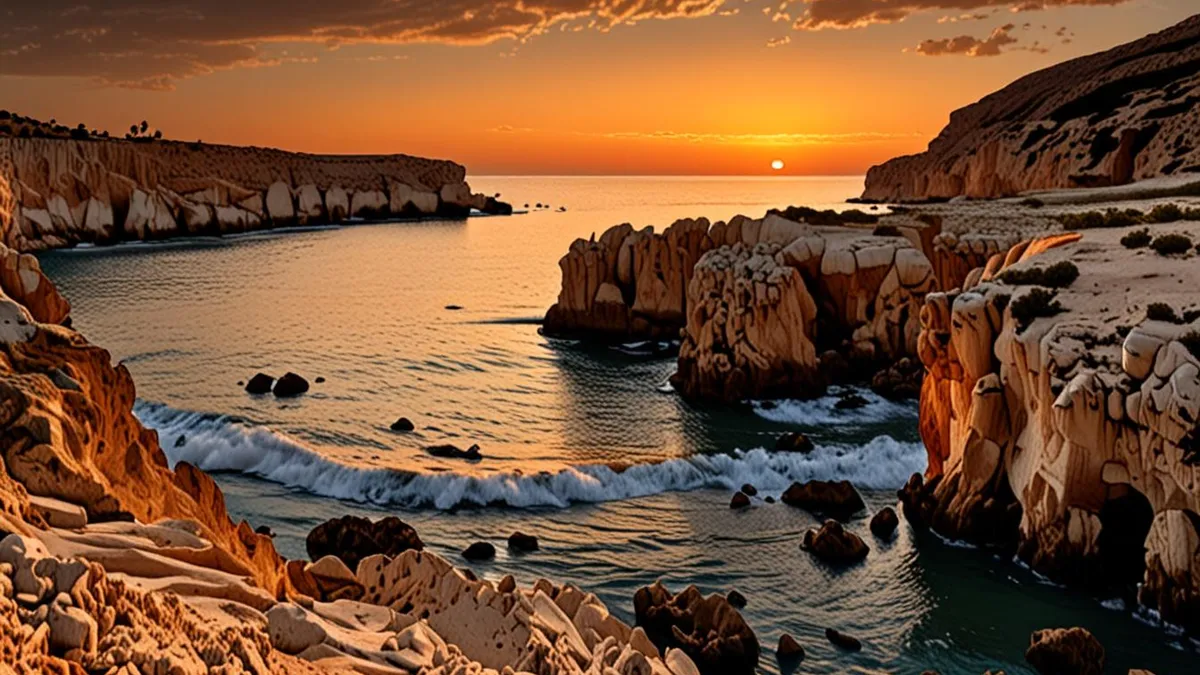
Paphos suits travelers who want their beach holiday with a side of history. The town is built around a working harbor lined with tavernas, and the archaeological park at its edge holds some of the finest Roman mosaics in the Mediterranean. Beachfront hotels cluster in two spots: near the harbor and lighthouse, and along Coral Bay, a sandy stretch about a short drive out of town.
Transfers are straightforward. Paphos airport sits roughly 30-40 minutes from the resort areas, so you can be on the seafront within an hour of landing. Coming from Larnaca airport instead takes around 1.5-2 hours by road, so it pays to check which airport your flight uses before booking a hotel here.
Beaches: what to expect underfoot
This is the one trade-off to know about. Pebble-and-rock entries are common on the Paphos coast, and some hotel “beaches” mean a platform over rocks rather than a stretch of sand. If swimming is your top priority, check specifically for sandy beach access or a lagoon-style entry before you book; Coral Bay is the safest bet for sand. Families who want shallow, soft-sand swimming may prefer the southeast coast, or even a different destination entirely, such as the lakeside and alpine beaches covered in our guide to Austria Alps resorts for summer holidays.
Why shoulder season works so well here
Paphos rewards off-peak travel more than most resort towns. In May-June and September-October, rates typically run 20-40% lower than in August, the sea is still warm enough for comfortable swimming, and the archaeological sites are far more pleasant to explore without peak heat. For a mixed beach-and-sightseeing trip, those months are the sweet spot.
Limassol and Larnaca: City Beaches and Easy Transfers
Limassol is the practical pick for travelers who want more than a beach. The city has a long, lively seafront promenade, a huge choice of restaurants and cafes, and a marina area that is pleasant for evening strolls. It sits roughly midway between the island’s two airports, with a drive of around 1 hour from either Larnaca or Paphos, which makes it convenient if you are combining regions or arriving from either side.
Larnaca for short stays
Larnaca works well when you want a simple, budget-friendly base. Nightly rates tend to be lower than in the main resort towns, and the long sandy town beach sits right in front of the hotels and apartments along the seafront. You can land at Larnaca airport and be on the beach in well under an hour, which is ideal for trips of just a few nights.
The honest caveat: both Limassol and Larnaca are working cities first and resort towns second. Their beaches are generally less scenic than the ones on the southeast coast, and the water is not as calm and shallow. Where they shine is as bases for day trips — into the Troodos foothills, to ancient sites, or along the coast — rather than as destinations for a pure beach holiday.
When to Book Cyprus Resorts for the Best Prices
Cyprus has one of the longest beach seasons in the Mediterranean, running roughly from May to October. The sea reaches its warmest in August, at around 26-28°C, which is about as bath-warm as European swimming gets. But timing matters for more than just comfort: the same beachfront hotel can cost noticeably more in peak weeks than it does a month earlier, so when you travel shapes both your budget and your patience.
July and August are the island’s peak months. Expect the highest rates, the fullest beaches and the most competition for sunbeds, especially on famous stretches like Fig Tree Bay and Nissi Beach. If warm water is your priority and you don’t mind sharing the sand, those months deliver — but they demand early planning and a bigger budget, since popular seafront rooms tend to sell out first.
The shoulder months are where smart travelers save. May, June, September and October still offer reliably good swimming weather, with the sea well warmed by late spring and staying pleasant through early autumn, while resort prices sit noticeably below their August peak. Availability is also more flexible, so you can often still find good beachfront deals close to departure rather than booking half a year ahead.
One trade-off to keep in mind: late-October seas are cooler than they are in August. If swimming comes first, aim for the peak; if value matters more, the shoulder season is hard to beat.
How to Choose Between Cyprus Resorts
Choosing between Cyprus’s resorts comes down to four practical questions: what kind of trip you want, what you can spend, how you’ll enter the water, and how far you’re willing to ride in a transfer van. Work through them in order and one coast usually makes itself obvious. Skipping a step is how travelers end up at a lovely hotel that’s wrong for them — a party hotel for a quiet family, or a remote resort for someone who wanted restaurants within walking distance.
- Match the coast to your travel style. Families with young children are happiest in Protaras, where the water is calm and shallow. Nightlife seekers should pick Ayia Napa with its bars, clubs and beach parties. Travelers who want ruins, harbors and a slower rhythm belong in Paphos.
- Set your nightly budget. Mid-range beachfront rooms typically run €100-200 per night in high season. Knowing this range up front helps you decide whether a beachfront hotel is realistic or whether you should look one street back from the shore, where rates often drop noticeably.
- Check the beach entry, not just the beach. Some Cypriot hotels sit in front of rock or pebble entries, which matters if swimming is your main activity. Look for properties advertising direct access to sandy beaches, especially if children are coming along.
- Compare transfer times. The southeast resorts of Ayia Napa and Protaras are easiest to reach from Larnaca airport, Paphos hotels from Paphos airport, and Limassol works from either airport since it sits about an hour from both. A short transfer can be worth more than a marginally cheaper room.
Once you’ve answered all four, book accordingly: popular high-season beachfront rooms need several months of lead time, while shoulder-season stays are far more forgiving. If two coasts tie, let the airport you’re flying into break the tie — that one decision can save you an hour or more of driving each way. And if you’re still torn, remember that the calmest swimming water on the island is found around Larnaca and Protaras, which settles the question for most families traveling with small children.
Wrapping Up Your Cyprus Resort Choice
Where you base yourself shapes the whole feel of a Cyprus beach holiday. The southeast coast around Protaras and Ayia Napa is the pick for families and swimmers, thanks to calm, shallow water and genuine sandy beaches. Paphos blends beach time with archaeology and a relaxed harbor atmosphere. Limassol and Larnaca suit travelers who want city conveniences, short transfers, or a base for exploring the island.
Timing shapes your budget just as much. May-June and September-October deliver warm seas at rates often 20-40% below August prices. For a beachfront room in July or August, reserve 3-6 months ahead; mid-range options typically run €100-200 per night in high season. Pick the coast that fits how you like to travel, lock in your dates early for peak summer, and your Cyprus base will feel right from the first morning. If this helped you plan, leave a comment or share the article with a fellow traveler.