Many travelers book a snowy lodge escape only to find themselves shivering in a draughty cabin with weak heating and paper-thin walls. The photos showed a roaring fire and snow-covered pines, but the reality is single glazing, cold floors and a stove that dies the moment you stop feeding it. That gap between expectation and experience usually comes down to one thing: lodge heating and insulation.
This guide walks you through what actually keeps a winter lodge warm, from underfloor heating and wood stoves to triple glazing and wall insulation. You will learn which heating systems to look for when booking, the insulation features that separate cozy lodges from cold ones, and the questions worth asking hosts before you pay. We also cover destinations where lodges are genuinely built for sub-zero conditions, plus how to time and budget your trip so peak weeks do not burn a hole in your wallet. By the end, you will know how to spot a warm lodge before you ever feel the first draught.
Why Lodge Heating and Insulation Matter in Winter
There is a particular kind of disappointment that comes with sitting in a beautiful log cabin, watching snow fall outside, while wearing every layer you packed. Older log cabins can lose heat remarkably fast through single glazing and thin walls, and even a stove burning steadily may leave the far corners of the room cold. Evenings that should be spent reading by the fire turn into a battle against creeping chill, with everyone migrating closer to the stove and giving up on the bedroom until the very last minute.
What good insulation actually gives you
A well-insulated lodge behaves completely differently. Good insulation keeps indoor temperatures stable at around 20-22°C without constant fire-tending, which matters enormously after a full day on the slopes. You want to come home, shower, cook dinner and relax, not spend the evening feeding logs into a stove every forty minutes just to keep the living room habitable. Stable temperatures also mean the bedroom is warm when you finally get there, rather than an icebox you have to brave.
The telltale signs of a cold lodge
If you arrive and immediately spot condensation on the inside of the windows, or feel a distinct draught around the frames, you are looking at the clearest signs of a poorly insulated lodge. Condensation forms when warm indoor air meets cold glass, so its presence tells you the windows are doing almost nothing to hold heat in. Draughts around frames work the same way, letting heated air escape and cold air sneak in. Checking for these signs on arrival, or asking about them before booking, can save your whole trip.
Heating Systems to Look For When Booking
The heating system in a lodge shapes your entire stay, so it deserves as much attention as the view or the hot tub. Different systems suit different spaces and different travel styles, and the best lodges usually combine two or more of them rather than relying on a single source of heat.
Underfloor heating is common in modern Scandinavian lodges, and once you have experienced it, it is hard to go back. It warms bathrooms and open-plan living zones evenly from the ground up, which means warm tiles under bare feet in the morning and no cold pockets in a large living space. If you are researching Nordic destinations, our guide to winter lodges in Sweden for snow travelers shows what to expect from Scandinavian builds.
Wood stoves deserve a realistic assessment too. They create wonderful atmosphere and usually heat a main living area of around 40-70 square meters, but they rarely reach the bedrooms. That is perfectly fine if the lodge has backup radiators elsewhere; less fine if the stove is the only heat source and you are sleeping two rooms away.
- Zoned electric controls: Panel systems often let you set different temperatures per room, so you can keep a bedroom cool for sleeping while warming the bathroom before you wake up.
- Heat pumps in mild cold: Air-source heat pumps work efficiently in sub-zero conditions and can both heat the lodge and, in some models, cool it in summer, making them useful year-round.
- Stove plus system combos: The most comfortable lodges pair a stove for atmosphere in the evenings with underfloor heating or radiators doing the steady background work.
- Warm-up times: Underfloor heating responds slowly, so ask whether the host pre-heats the lodge before your arrival on a cold check-in day.
Electric panel radiators and air-source heat pumps offer reliable, controllable heat in lodges without a stove. You lose some of the crackling-fire charm, but you gain precision, timers and no need to haul logs. For many travelers, especially those out skiing all day, that trade is an easy one to make.
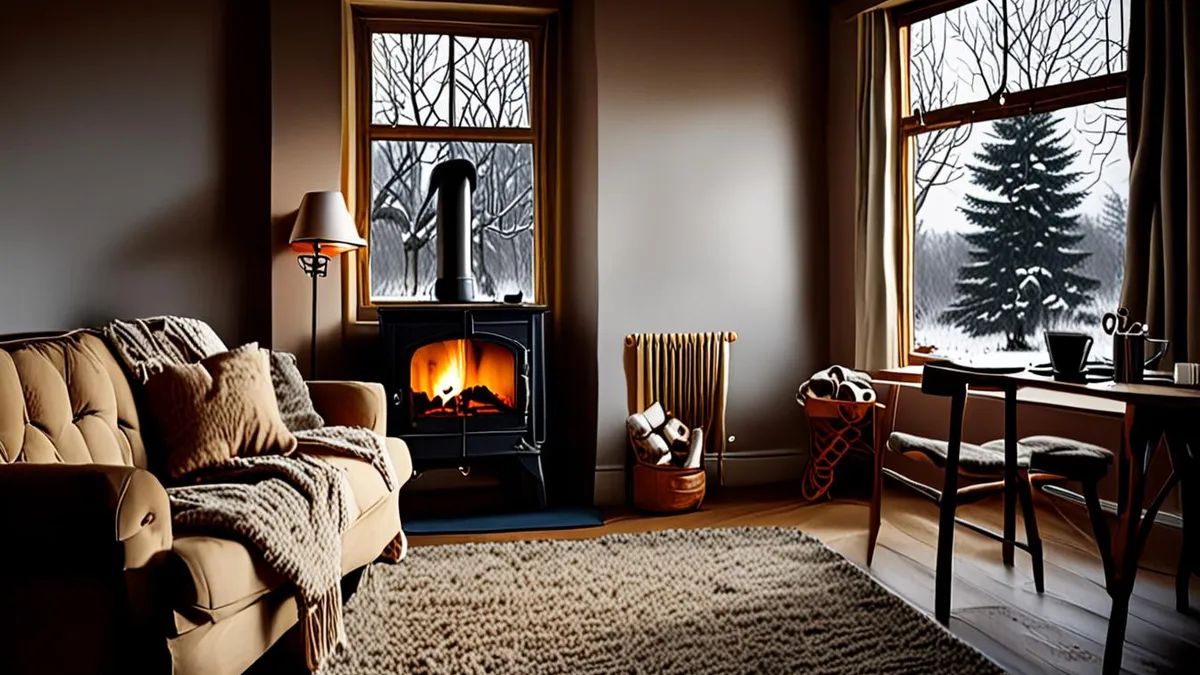
Insulation Features That Separate Warm Lodges from Cold Ones
Two lodges can look identical in listing photos and perform completely differently in a snowstorm. The difference lies in the building details that never make it into the gallery: the glazing, the walls, the floors and how air moves through the rooms. Knowing what to look for turns you into a much sharper booker.
The benchmarks that matter
Triple glazing and 20-30 cm wall insulation are the benchmarks for lodges built for genuine winter use. Triple-glazed windows keep the glass itself close to room temperature, which eliminates both the chill you feel sitting near the window and the condensation that plagues lesser builds. Thick wall insulation, meanwhile, means the lodge holds its temperature for hours rather than dumping heat straight outdoors. If a listing mentions neither, treat that as useful information in itself. Our guide to choosing a ski lodge in the Alps for winter trips covers how to weigh build quality against location.
Details that stop the draughts
Sealed entrance porches and insulated floors prevent the cold zones that make cabins feel draughty. A porch acts as an airlock, so every time someone comes in from the slopes with ski gear, the cold stays outside instead of rolling through the living room. Insulated floors matter just as much: heat rises, but your feet stay down, and a cold floor can make an otherwise warm room feel uncomfortable.
Modern timber lodges often add one more feature that older cabins lack: heat-recovery ventilation. Because a well-sealed lodge barely leaks air, fresh air has to come from somewhere. Heat-recovery systems extract stale air, capture its warmth, and use it to warm the incoming fresh air. The result is a lodge that stays warm while keeping air fresh in sealed rooms, so you wake up clear-headed instead of stuffy. It is the kind of detail that signals a lodge was designed for winter from the ground up, not just decorated for it.
Questions to Ask Hosts Before You Book
A lodge can look gorgeous in the photos and still leave you shivering by midnight, so the booking stage is where you protect yourself. A few direct questions to the host will tell you more than any listing description ever will. Photos rarely show insulation, heating costs or how a cabin performs on a genuinely cold night, and marketing copy tends to gloss over exactly the details that matter most in winter. Hosts who run genuine winter lodges answer these questions quickly and confidently, often with specifics they are used to providing every season. Vague, evasive or overly general replies are a warning sign in themselves, and it is usually better to keep searching than to gamble your winter week on a host who cannot explain how their lodge stays warm.
- Is heating included in the rate? Some lodges include all heating in the price, while others meter electricity separately and bill by usage after your stay. This matters most in lodges that rely on electric panel radiators or heat pumps, where costs can add up quickly over a week of sub-zero nights. Ask for a rough idea of typical winter consumption from previous guests so you can budget honestly rather than discovering a surprise invoice at checkout.
- How is the wood stove supplied? A stove is only useful if there is wood to burn in it. Confirm whether logs are included in the rate, sold locally at an extra cost, or whether you are expected to source your own. If you arrive late on a snowy evening, you want to know the answer before you set out, because the first hours in a cold cabin set the tone for the whole trip.
- Is the lodge winterised year-round? Some cabins close in deep winter because they simply are not built for it. A lodge that stays open through the coldest months of the season is far more likely to have genuine insulation, sealed windows and a heating system that can handle a real cold snap without drama.
Send these questions together in a single message before you pay a deposit, and keep the replies in writing so there is no confusion later. The quality and speed of the answers usually tell you exactly what kind of host, and what kind of lodge, you are dealing with. A host who answers within a day, with clear and specific detail, has almost certainly managed winter guests before. One who takes a week to reply, or who answers “it’s cozy” without explaining how, has given you your answer too.
Choosing Destinations Where Lodges Are Built for Cold
The single biggest factor in how warm your lodge feels is where you book it. Regions that deal with serious cold every winter build to a different standard than places where frost is an occasional novelty.
Nordic countries: insulation as standard
In Norway, Sweden and Finland, lodges are designed for sub-zero temperatures from December to March, so solid insulation is not an upgrade but a baseline. Triple glazing, thick walls and underfloor heating are common in modern Scandinavian lodges, especially in bathrooms and open-plan living zones. If staying warm with minimal effort is your priority, the Nordics are the safest bet.
The Alps and milder winter options
Alpine ski lodges offer a different mix. Many balance the charm of a wood stove with modern heating systems, and the best of them are extremely comfortable. The catch is age: older huts and converted chalets can vary widely in comfort, with draughty corners and thin walls that no amount of stove-tending fully fixes. Check the build details rather than trusting the mountain views.
If you want a winter break without the deep freeze, the Canary Islands trade snow for mild temperatures. Lodges and villas there need far less heating, and your evenings can move outdoors instead. You lose the log-fire atmosphere, but you gain daylight, warmth and no worries about icy roads.
Timing and Budgeting a Warm Winter Lodge Stay
Once you know what to look for in a lodge, the next job is timing your booking. Winter availability moves fast, and prices swing sharply depending on the week you choose.
Peak weeks and what they cost
Peak weeks around Christmas and February half-term push rates 30-60% above shoulder-season prices, and the best lodges are the first to go. These weeks sell out because everyone wants the same thing: a warm, well-located base close to the slopes. If you are tied to school holidays, accept the premium and book early rather than settling for whatever is left.
Why booking ahead matters
Booking 3-6 months ahead secures the best-insulated, best-located lodges before they sell out. This matters more in winter than in summer, because the lodges that are genuinely built for cold are a smaller pool, and returning guests often rebook them year after year. Last-minute winter bargains do exist, but they tend to be in the lodges nobody wanted.
January is the quiet sweet spot in the Alps and the Nordics. Stays often combine lower prices with reliable snow and fewer crowds, so you get the slopes and the fireside evenings without the peak-week bill. If your dates are flexible, it is the month to aim for.
Wrapping Up Your Warm Winter Lodge Plan
A snowy lodge escape should end with hot chocolate by a crackling stove, not with shivering under a duvet in a draughty cabin. The difference comes down to lodge heating and insulation. Before you book, scrutinise the glazing, the walls and the heating system, because those three details decide whether your winter break is cozy or miserable.
It also pays to ask hosts the right questions about heating costs, wood supply and whether the lodge is genuinely winterised. Once you have done that, book peak winter weeks 3-6 months ahead to lock in one of the best-insulated lodges before someone else does. If this guide helped you plan a warmer winter stay, leave a comment or share it with a fellow traveler.