Planning a trip to Istria often hits the same snag: you want a villa that puts you close to the coast for swimming, but also within reach of the hill towns where truffles, olive oil and local wine come from. Picking the wrong base or the wrong week can mean long drives, missed restaurant reservations or paying peak prices for weather you could have had cheaper.
This guide walks through why Istria villas work so well for combining food and coastline, which towns make the best bases, and how the booking calendar and pricing change through the year. You’ll also find advice on planning food-focused days from your villa, matching the property to your group, and a short wrap-up to pull the plan together.
Why Istria Villas Suit Food and Coastline Trips
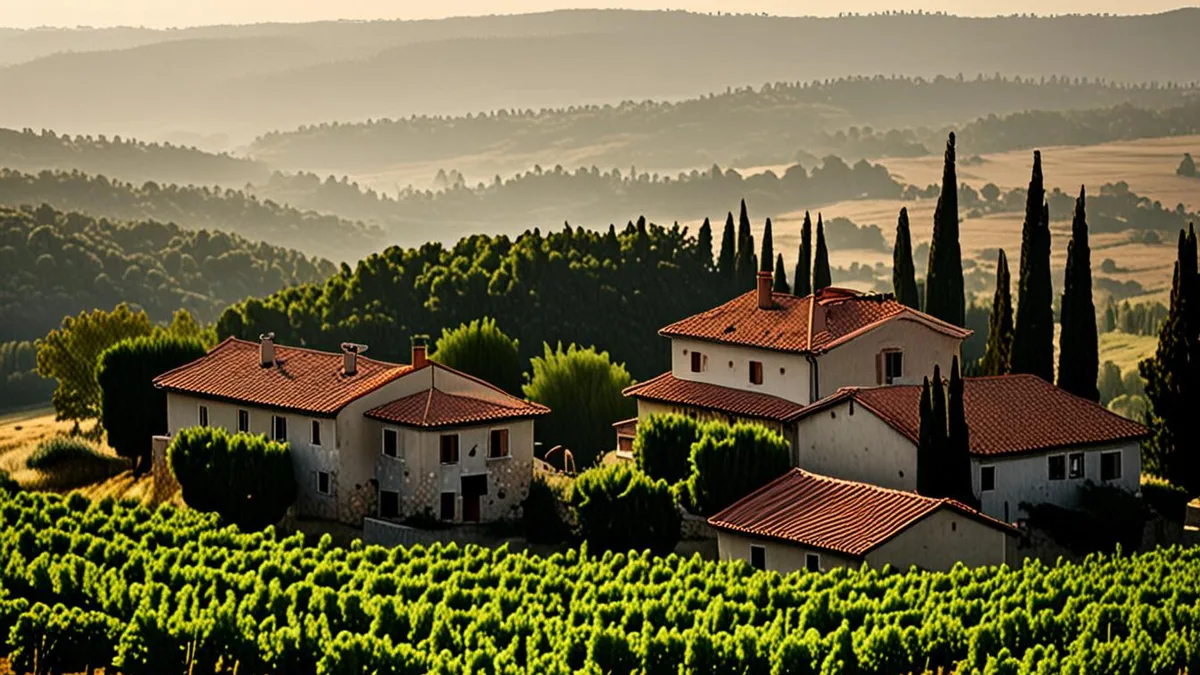
Istria is small enough that you don’t have to choose between the Adriatic and the countryside. The peninsula pairs a short, indented coastline with rolling inland hills dotted with stone towns, so a single villa base can serve both beach mornings and afternoon drives into truffle or wine country. That flexibility is rare, and it’s the main reason food-loving travelers keep returning here.
Compact drives, easy arrivals
Logistics help too. Pula airport is the main gateway, and most villa areas sit within about 40-60 minutes’ drive of it. That means you can land, pick up a rental car and be unpacked on your terrace the same afternoon, even if your villa is deep in the hills rather than on the coast.
Cook with what the region grows
Villas also change how you eat. With a proper kitchen and an outdoor dining terrace, you can shop at local markets for seasonal vegetables, buy olive oil and wine directly from producers, and cook simple meals between restaurant outings. Many travelers find this mix of self-catered lunches and tavern dinners becomes the highlight of the trip, especially when the produce is this local.
Best Areas to Base Your Istria Villa
Istria’s main villa bases each suit a different mix of food and coast priorities, so it helps to match the town to your travel style before you book. Rovinj and Poreč are the coastal picks, with harborside restaurants and beaches within walking distance or a short drive. If evenings spent near the water and easy seafood dinners matter most, these towns are the natural starting point.
Motovun and Grožnjan sit inland, about 25-30 km from the coast, roughly a 30-40 minute drive. They trade beach access for hilltop views, truffle country and nearby wine routes, which makes them especially appealing in autumn. If you’re weighing these trade-offs, it helps to read up on how to choose a villa rental in Croatia before committing to a base.
The Kamenjak peninsula near Premantura is the third option, and the most rugged. It suits travelers who want wilder coastline, fewer crowds and a nature-focused stay rather than restaurant-lined streets.
- Rovinj: the old town clusters around a fishing harbor, so you can walk to waterfront konobas serving the day’s catch without driving after dinner.
- Poreč: generally a better fit for families, with gentler beaches and a long seafront promenade connecting restaurants and cafes.
- Motovun: sits at the edge of the truffle-hunting forest area, making it a practical base if white truffle season is the reason for your trip.
- Grožnjan: a small artist town surrounded by wineries, handy for tasting-room visits without long drives.
- Kamenjak near Premantura: a protected peninsula at Istria’s southern tip, good for cove swimming, cycling tracks and quiet days away from resort strips.
When to Book Istria Villas for Food and Coast Weather
Timing shapes both the price and the feel of an Istria villa trip. Late June to late August is peak season: the sea is at its warmest and every beach club and konoba is open, but that’s also when rates and crowds peak. If your trip is built around swimming, this window still makes sense, just expect to pay for it.
The shoulder-season case
May, June, September and early October offer milder weather, lower rates and noticeably easier access to restaurants, where you won’t need to plan dinners weeks ahead. For food-focused travelers, September and early October are especially attractive because they overlap with the start of white truffle season. If you want a fuller picture of what you’ll pay in each window, see this guide to villa rental costs in Croatia.
How far ahead to book
For peak summer dates, book 4-6 months ahead, since the best pool villas in Rovinj and Poreč go early. Shoulder-season stays are more flexible and can often be secured 1-2 months out, which suits travelers who decide on a truffle-season trip on shorter notice. Check cancellation terms either way, as policies vary by property.
What Istria Villas Cost
Villa pricing in Istria follows a fairly predictable seasonal pattern, and knowing it helps you budget realistically. In the shoulder months, a mid-range villa typically costs around €90-150 per night. That gets you a comfortable stone property, often with a terrace and a proper kitchen, though not always a private pool.
Peak season is a different story. From late June to late August, larger villas with pools commonly reach €250-500+ per night, and the most sought-after coastal properties can climb higher. If you want a pool and sea proximity in July or August, expect to pay top rates or book well ahead.
Per-person value for groups
The math changes quickly once you travel as a group. Most Istrian villas offer 2-4 bedrooms and comfortably sleep 4-8 people. Split a €300 peak-season villa among six travelers and you are paying roughly €50 per person per night for private rooms, a pool and outdoor dining space — a figure that is hard to match with hotel rooms in the same towns.
Shoulder season stretches that value even further. A group of four sharing a €120 villa pays about €30 per person, leaving plenty of budget for truffle menus, wine tastings and fish dinners. Check what is included in the rate, too: air conditioning, final cleaning and pool heating are sometimes billed separately, and those extras matter more in peak heat than travelers expect.
Planning Food-Focused Days from Your Villa
Istria rewards travelers who plan their days around the table, and a villa gives you the flexibility to do it properly. The single biggest calendar decision is truffle season: white truffles run roughly from September to December, with the Motovun forest as the focal area of the hunt. An autumn villa stay puts you close to truffle menus, seasonal festivals and the taverns that serve fresh pasta shaved with truffles the same morning they are unearthed.
Building a day around food
A good rhythm is to alternate coast and inland. Start with a morning market run for olive oil, cheese and vegetables, then drive to a farm tavern for a long lunch of homemade prosciutto and local wine. On another day, head the other way and book a coastal fish restaurant in Rovinj, where harborside tables serve the day’s catch. Inland wine routes near Grožnjan make an easy afternoon loop, with small cellars pouring Malvazija and Teran a short drive from your villa.
This is where the villa itself earns its keep. Choose a property with a real kitchen and a shaded outdoor dining area so you can mix restaurant meals with self-catered market produce — grilled fish on the terrace with a bottle from a cellar you visited that afternoon. If you are comparing villa regions across countries, the same logic applies elsewhere, as covered in this guide to the best areas to rent a villa in Portugal.
Choosing the Right Villa Type for Your Group
The right villa depends heavily on who is traveling with you. Couples and small groups tend to do best with 2-bedroom stone houses in hill towns like Motovun, where you get atmosphere, terrace views and walking-distance taverns instead of space you will not use. Families and larger groups should flip the priorities: a private pool and a coastal location near Rovinj or Poreč matter far more than old-town charm when kids need somewhere to burn off energy between beach trips.
Before booking, do one simple exercise: check drive times to both the coast and the inland food towns. Inland villas trade beach access for scenery, and while hill towns like Motovun and Grožnjan sit only around a 30-40 minute drive from the shore, those minutes add up over a week of daily beach runs. A coastal villa makes the reverse trade, so decide which direction you will drive more often and pick accordingly.
Quick checklist before you commit
- Pool access for families: confirm whether the pool is private or shared, and whether it is fenced or shallow enough for younger children.
- Parking in hill towns: stone houses in Motovun and Grožnjan often sit on narrow lanes, so ask where you will park relative to the entrance.
- Air conditioning coverage: some restored stone houses cool only the bedrooms, which matters in peak summer.
- Bedroom configuration: check whether the 2-4 bedrooms are true doubles or include sofa beds, since this changes how comfortably 4-8 people actually fit.
Wrapping Up Your Istria Villa Plan
A single villa in Istria really can cover both sides of the peninsula’s appeal: mornings by the Adriatic, afternoons in truffle and wine country. The key is matching your base to your priorities. Rovinj and Poreč work best for harborside restaurants and beaches, Motovun and Grožnjan put you in the heart of the hill towns and truffle season, and the Kamenjak peninsula near Premantura suits travelers who want rugged coastline and a quieter pace.
Timing matters just as much as location. Booking 4-6 months ahead for peak season secures the best pool villas, while targeting the shoulder months of May, June, September and early October gives you milder weather, lower rates and easier restaurant reservations. Whichever mix of food and coast you choose, one well-placed base makes the whole trip simpler. If this helped you plan, leave a comment or share the article.