Scroll through resort listings and you’ll keep spotting the same two words in the rate description: half-board. It sounds appealing, but many travelers hesitate at the booking page. What meals are actually included? Is the supplement worth the money? And will a fixed dinner time clash with the way you like to travel?
This guide walks through half-board resorts step by step. We’ll explain exactly what the package covers, how its cost compares with room-only and all-inclusive rates, and which travelers get the most value from it. We’ll also look at who should book room-only instead, how dietary requirements are handled, and a simple way to decide whether the meal plan makes sense for your specific trip. By the end, you’ll know whether to tick that half-board box or leave it unchecked.
What Half-Board Actually Includes at Resorts
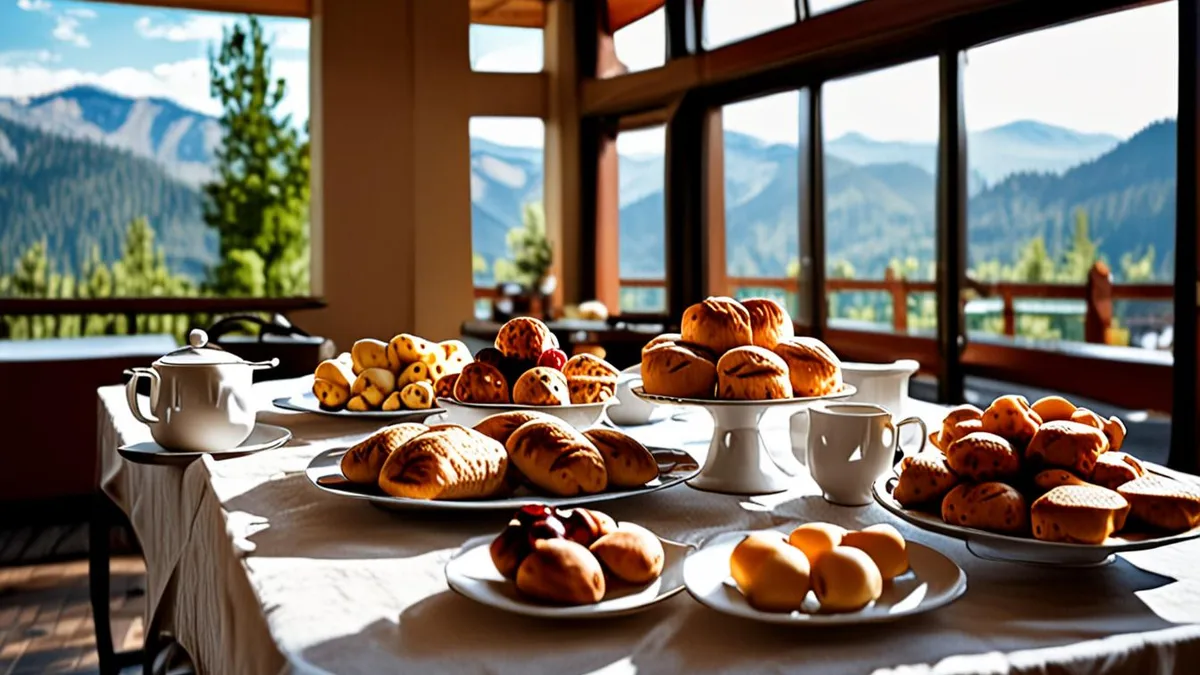
At most resorts, half-board follows a standard formula: a buffet breakfast in the morning plus dinner in the evening, either as a set menu or another buffet spread. Lunch is not included, so you’re on your own for the midday meal. That structure works well for travelers who spend their days out and about and return to the resort to eat.
Drinks are where many guests get caught out. At breakfast, coffee, tea and juice are typically included in the buffet. At dinner, however, drinks are usually charged separately, so a bottle of water or a glass of wine adds to your bill each evening. Ask the resort how drinks are handled before you book, and check whether a drinks package can be added.
Flexibility options worth asking about
Some resorts build in useful flexibility. A common option is a lunch-to-dinner swap, where you can trade your dinner credit for a lunch meal on a given day. Others offer a packed lunch for hiking or excursion days, often for a small supplement. These options matter most if your plans change from day to day, so it’s worth confirming what’s available when you book.
One more thing to know: half-board must usually be booked for all nights of your stay, not added per day. If you want to eat out on two evenings of a seven-night trip, you’ll generally still pay for those dinners. Check the resort’s policy, as a few are more flexible than others.
How Much Half-Board Costs Compared With Other Meal Plans
Half-board is priced as a supplement on top of the room-only rate, and it typically adds roughly €15–€35 per person per night. The exact figure depends on the destination, the resort’s standard and whether dinner is a buffet or a served set menu. Alpine and family resorts tend to sit at the higher end because their kitchens cater to large evening crowds.
All-inclusive sits one tier up. It adds lunch and most drinks, and it typically costs €25–€50 more per night than half-board. If you plan to drink alcohol and eat every meal at the resort, all-inclusive can pay off; if you only want two covered meals, half-board is usually the better fit.
Children’s pricing makes a real difference for families. Resorts often let young kids eat free or at a steep discount, with 30–50% off for ages 6–12. Ask for the exact age cutoffs when you request a quote.
- Run the à la carte comparison. Look up the resort’s dinner prices for non-package guests and multiply by your number of nights. If two à la carte dinners cost more than the full supplement, the package saves you money even if you skip a dinner or two.
- Factor in breakfast value. A generous resort breakfast can easily replace a paid café stop, so part of the supplement is effectively already spent on food you’d buy anyway.
- Watch for seasonal supplements. Some resorts raise the meal-plan price during peak weeks, so ask whether the quoted supplement applies to your exact travel dates.
Who Half-Board Resorts Suit Best
Half-board works best when your evenings are predictable and your days are full. For many travelers, that combination turns the supplement into one of the best-value parts of the booking, because it removes the nightly question of where and what to eat. Instead of researching restaurants after a long day of activities, you simply show up, sit down and enjoy a meal you have already paid for.
Families with children are the classic fit. Instead of dragging tired kids through unfamiliar streets hunting for a restaurant that will still seat you at 19:30, you walk straight into the resort dining room. Family resorts often let young children eat free or at a steep discount, and older kids typically get a reduced rate, which lowers the effective cost per person even further. Early dinner sittings and children’s menus make the whole evening easier to manage.
Hikers and skiers benefit just as much. Alpine resorts serve dinner in a fixed window, commonly 18:00–20:30, which lines up neatly with early starts on the mountain. A hot cooked dinner and a full breakfast before a day on the trails is exactly the rhythm these resorts are built around, which is why they push the package hardest during the winter season.
- Long stays in remote areas. If you’re staying 4 or more nights somewhere where the nearest alternatives are a 20-minute drive away, the resort kitchen may be your only realistic dinner option most nights.
- Couples on a fixed budget. Half-board lets you lock in two meals a day, so your daily spending forecast has one less variable while you keep full freedom over lunches, excursions and activities.
- Travelers who value routine. Knowing that a table is waiting at a set time each evening removes daily decision fatigue, which many guests find is worth the supplement on its own.
Who Should Skip Half-Board and Book Room-Only Instead
Half-board is a great deal only if you actually eat both meals at the resort. For some travelers, that simply never happens, and paying for dinners you skip is money down the drain. Before adding the meal plan, be honest about how you like to travel.
The clearest mismatch is the food-focused traveler. If researching restaurants is half the fun of a trip for you, a fixed dinner at the resort each night gets in the way. A similar problem comes up on short trips: with only one to three nights in a town that has plenty of dining choices, you can easily eat every meal out and skip the supplement entirely. On a beach or city break, where lunch is cheap and casual and dinner out is part of the experience, room-only usually wins. Coastal destinations are a good example, and our guide to Croatia coast resorts for beach holidays shows how much good eating awaits outside the hotel gates.
Timing matters too. Dinner at half-board resorts is commonly served in a fixed window, often 18:00–20:30, so late eaters and anyone with an unpredictable schedule risk arriving after service ends. Ask yourself these questions before booking:
- Do you eat dinner after 20:30 regularly at home? If so, a fixed early window will feel restrictive within a day or two.
- Are you booking day trips or excursions that often run past dinnertime? Excursion operators rarely guarantee a return before the kitchen closes.
- Is the resort within walking distance or a short taxi ride of a town center? If yes, you have realistic alternatives every night.
- Would you rather pay per meal? Room-only lets you splurge on one standout restaurant and go cheap the next night, which half-board does not allow.
Dietary Requirements and Meal Options at Half-Board Resorts
Most resorts can handle vegetarian, vegan and allergy-friendly meals without much fuss, but the key word is “requested.” Kitchens typically need 1–3 days’ notice before arrival to plan around special diets, so mention your needs when booking rather than at check-in. A quick email to the resort confirming the arrangement in writing saves awkward conversations at the dinner table.
Family-oriented resorts go further with children’s menus and early dinner sittings, often starting well before the adult service. If you are traveling with young kids, ask which time the first sitting starts and whether high chairs and warming facilities are available. These small details make a bigger difference to your evening than the menu itself.
Buffet or set menu: check before you book
The format of dinner varies widely between resorts, and it changes the experience significantly. A buffet lets you build a meal around what you like and skip what you don’t, which is a real advantage for picky eaters and mixed dietary groups. A fixed set menu offers less choice, sometimes with only one or two options per course, so confirm which format your resort uses before committing.
One more question worth asking: how often does the kitchen rotate its menus? A resort running a short rotation can feel repetitive by night four, and by a 7-night stay you may be able to recite the weekly cycle from memory. Resorts with a genuinely weekly rotation, or à la carte options within the half-board plan, hold up much better over longer stays.
How to Decide If Half-Board Is Worth It for Your Trip
Deciding whether half-board pays off comes down to a few simple checks you can do before you book. Work through them in order, and the answer usually becomes obvious within ten minutes.
- Count your planned dinners out. Look at your itinerary honestly and estimate how many nights you expect to eat away from the resort. If that is more than half your stay, the meal plan will mostly go unused, so skip it.
- Check the dinner window against your schedule. Resorts set specific serving hours for the evening meal, and you need to know whether your own evenings will line up with them. This matters most for winter ski trips, when resorts push half-board hardest between roughly December and March and early starts make early dinners convenient. If your days tend to run long or end unpredictably, ask yourself whether you can realistically be seated on time every night.
- Do the math against local prices. Ask the resort for the exact per-person nightly supplement, then compare it with the cost of a main course plus a drink at restaurants near your destination. Remember the plan also covers breakfast, which you would otherwise pay for separately, so the real saving is smaller than it first appears.
- Get policies in writing. Before paying, confirm the resort’s cancellation terms for the meal plan and its rules on dietary requests. A written confirmation protects you if arrangements change or the kitchen cannot accommodate a requirement.
Travelers who eat at the resort most nights and value a predictable daily budget usually find the numbers work in their favor. Those who treat dinner as the highlight of exploring a new place almost always regret the supplement. Your own itinerary, not the resort’s brochure, should make the call.
The Bottom Line on Half-Board Resorts
Half-board is easier to understand than it first appears. The plan covers breakfast and dinner, with lunch and most drinks left out of the deal. Whether the supplement is worth paying depends less on the numbers and more on how you actually travel.
The plan works best for families, hikers, skiers and anyone spending several nights in a remote spot with few restaurants nearby. Short city or beach trips usually suit room-only bookings better, since eating out is half the fun and you keep your evenings free to wander.
Before you commit, check two details that shape most people’s experience: the fixed dinner time window and how the kitchen handles dietary requests. Ask both questions when you book, not at check-in. If half-board has worked well (or badly) on your trips, share your story in the comments below.