So you’ve booked a glamping trip, opened the weather app, and there it is: rain icons stretching across your entire stay. Before you start wondering whether to cancel, take a breath. Glamping in the rain can be genuinely enjoyable, and with a few smart decisions before and during your trip, a wet forecast might even improve it.
This guide walks you through everything you need to know, from why rainy-season stays can actually work in your favor, to choosing a unit that shrugs off a downpour, packing the right gear, keeping the inside of your tent dry, and planning activities around the weather. We’ll also cover how to book smart for a wet-weather trip and wrap up with the mindset that turns gray skies into part of the experience. A little rain doesn’t have to ruin your escape; handled well, it can make it cosier.
Why Rain Can Be a Glamping Advantage
If your reaction to a rainy forecast is pure disappointment, it might help to reframe the whole picture. Wet-weather travel has real perks, and glamping is one of the few accommodation styles where rain can genuinely add to the experience rather than subtract from it.
Lower prices and quieter sites
The most obvious advantage is your wallet. Rainy-season stays often cost 20-40% less than peak summer rates for the same unit, so the exact same dome or yurt you’d pay a premium for in July becomes far more affordable in the wetter months. Operators also tend to have more flexibility, which means easier last-minute availability between October and March. Spontaneous weekend trips, nearly impossible during high season, become realistic when fewer people are competing for the same sites.
Quieter is another word for it. With fewer guests around, you get more space, more privacy, and a slower pace that many people find is exactly what they needed.
The sound of rain on canvas
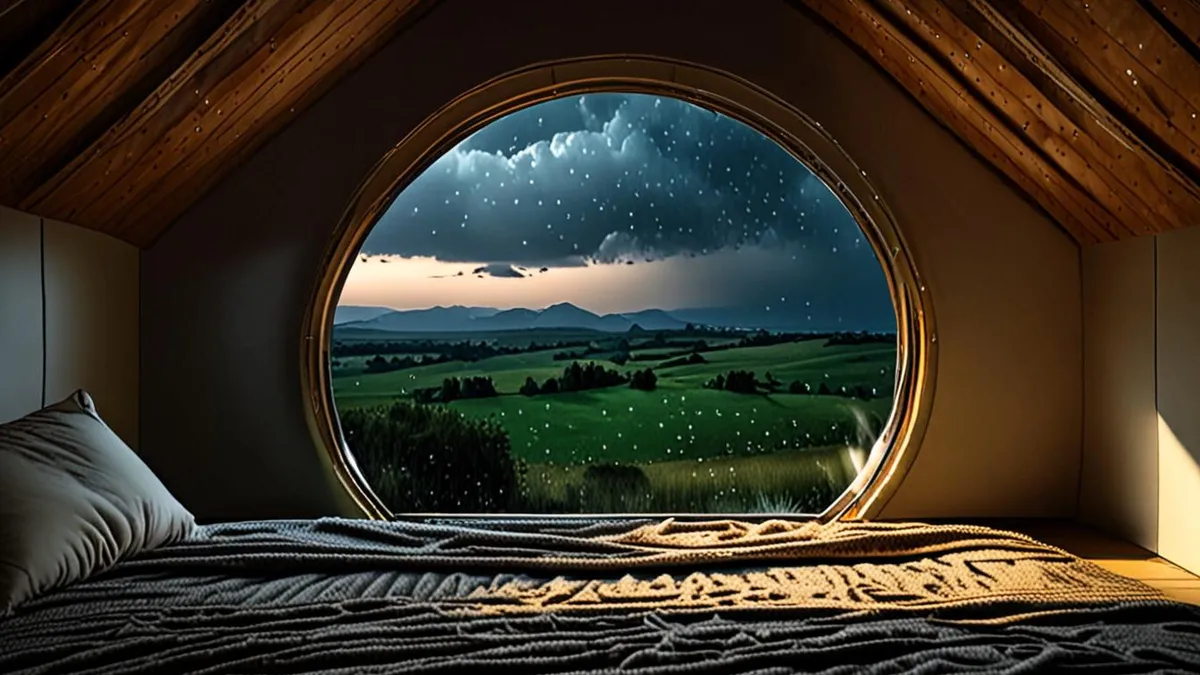
Then there’s the atmosphere itself. Rain drumming softly on canvas or a dome shell creates a cozy, almost meditative feeling that’s hard to replicate in dry weather. Inside a well-built unit with a stove ticking away, a downpour becomes background music rather than a problem. For many seasoned glampers, this is the whole point of traveling in the wetter months.
Choosing a Rain-Proof Glamping Stay
Not all glamping units handle rain equally well, and your choice of accommodation matters more in wet weather than in any other conditions. As a general rule, yurts and geodesic domes cope with sustained rain better than basic bell tents, thanks to sealed seams and raised platforms that keep water moving away from the structure. If you’re weighing your options, it helps to understand the key differences between yurts, domes and safari tents before you commit.
Beyond the type of unit, look closely at how it’s set up. A unit sitting on a wooden platform will stay drier than one pitched directly on grass, and thoughtful operators add features specifically to manage runoff and keep guests comfortable in wet conditions.
- Covered porches: a sheltered outdoor space gives you somewhere to shake off raincoats and remove muddy boots before stepping inside, which protects both the floor and your bedding from damp.
- Gutters or drip lines over doors and windows: these channel water away from openings, so you can come and go without a shower of collected runoff landing on your head.
- Indoor communal spaces: a shared lounge, games room or covered common area gives you somewhere to spend a wet afternoon beyond the confines of your own unit.
- Wood-fired stoves or hot tubs: a stove dries the air inside the tent and takes the chill off, while a hot tub in the rain is one of glamping’s great pleasures.
Finally, don’t be shy about asking operators direct questions. Canvas ages, and older fabric loses its water resistance. Well-maintained canvas should be reproofed periodically, and a good operator will know the answer off the top of their head. A useful benchmark: reproofed canvas should shed water within 24-48 hours of a downpour. If the operator hesitates or doesn’t know when the canvas was last treated, treat that as useful information too.
Packing for Wet Weather
Good packing makes the difference between tolerating wet weather and genuinely enjoying it. The biggest mistake is cotton: t-shirts, jeans and cotton socks hold moisture, dry slowly, and leave you cold and clammy. Choose quick-dry synthetic or merino layers instead, and pack more of them than you think you need, since damp air inside a tent slows everything down. A waterproof shell jacket rated at least 10,000 mm will handle sustained rain rather than a brief drizzle, and waterproof trousers are worth the extra space if you plan to spend real time outdoors.
Footwear deserves its own strategy. Pack two pairs: waterproof boots for the outdoors, and dry camp shoes or slippers that live inside the tent and never touch mud. Slipping into warm, dry slippers after a soggy walk back from the shower block is a small luxury you’ll appreciate more than almost any other item you bring. Toss a plastic bag in your boot storage too, so wet pairs don’t soak anything else overnight.
For a full rundown of everything else worth bringing, this complete glamping packing checklist covers the basics in detail. Below are the wet-weather items that deserve special attention.
- Microfibre towels: they wring out almost dry and pack down small, unlike bulky cotton towels that stay damp for a day or more in humid tent air.
- Dry bags for electronics: phones, cameras and e-readers are vulnerable in damp conditions, and a roll-top dry bag offers better protection than a ziplock bag alone.
- A headlamp: rainy days mean darker interiors, and a headlamp keeps your hands free for cooking, reading or dealing with a stove while the sky outside stays gray.
- Sealant spray or seam repair tape: a small repair kit can save a trip if a tent seam starts to leak, letting you patch the problem in minutes instead of sleeping under a drip.
Keeping the Inside of Your Unit Dry
Once you’re settled in, the biggest threat to comfort isn’t the rain outside — it’s the moisture you bring in with you. Wet gear has a way of migrating onto bedding and furniture, and before long your cozy tent smells like a damp locker room. The fix is simple: create a dry zone and stick to it.
Set Up a Dry Zone at the Door
Most well-designed glamping units have a porch, vestibule or covered entry area for exactly this purpose. Leave wet boots, rain jackets and dripping umbrellas there, or on a designated mat just inside the door. Never drape wet clothing over bedding or against canvas walls — canvas absorbs moisture quickly, and a damp patch can linger for days in cool weather. If your unit has a small rack or hooks, use them; if not, a cheap folding drying rack takes up almost no space in your car.
Ventilate and Wipe Daily
It sounds counterintuitive, but opening vents or windows for 15-20 minutes each day — even while it’s raining — is the single best thing you can do to prevent condensation and musty smells. People produce a surprising amount of moisture overnight through breath and body heat, and sealed-up canvas or a dome traps all of it. A short burst of airflow resets the interior.
Condensation also pools fastest on cold transparent surfaces, so window panels and dome shells deserve special attention. Give them a quick wipe with a microfibre cloth each morning while the droplets are still easy to remove. It takes two minutes and keeps the views clear and the interior dry for the rest of the day.
Planning Activities Around the Forecast
Rainy-weather glamping works best when you stop fighting the forecast and start planning around it. A little flexibility turns a week of showers into a trip with structure: active mornings, cozy afternoons and no wasted days. The trick is to accept that some plans will shift, and to build your itinerary so that shifting them costs you nothing. Here’s a simple way to do that, whether you’re heading away for a weekend or a full week.
- Check the forecast 3-5 days before departure. This is the sweet spot: far enough out to make bookings, close enough that the forecast is reasonably reliable. Look for the overall pattern rather than obsessing over individual hours, and check more than one forecast source if the models disagree.
- Book one indoor backup activity. Reserve a spa session, a brewery tour or a museum visit for the wettest-looking day. Having one confirmed indoor plan means a downpour becomes a highlight instead of a problem, and you won’t be scrambling for ideas in the moment or paying walk-in prices for whatever is left.
- Schedule outdoor excursions for dry windows. In showery weather patterns, mornings are typically the most reliable stretch, with showers often building later in the day. Plan hikes and longer drives for early starts and keep afternoons flexible. Pack a compact picnic so a delayed walk doesn’t derail lunch.
- Build in at least one slow day. Don’t fill every hour. A board game, a good book and a stove-heated tent while rain drums on the canvas is genuinely part of the appeal — many people book glamping trips in the rain for exactly this feeling. Treat that slow day as a plan, not a gap.
If you’re still deciding where to base yourself, it helps to choose the right glamping site for your first trip with wet-weather facilities in mind. A site with good indoor options nearby makes this kind of flexible planning far easier, whatever the sky decides to do.
Booking Smart for a Rainy Trip
Rainy-season glamping is one of the better value plays in travel, but only if you book with a bit of strategy. Prices for the same units typically drop well below peak summer rates between October and March, yet the most weather-resistant accommodations — domes and yurts in particular — still get snapped up for popular shoulder-season weekends. That means the cheapest dates and the best-built units don’t always line up automatically. The key is knowing what to reserve, when to reserve it, and what to check before you pay a deposit. A little extra research at the booking stage saves a lot of misery later.
As a baseline, expect typical glamping prices in the range of $100-300 per night, with transparent domes sitting at the top of that range. Rates vary widely by region, season and unit size, so treat any figure you see as a starting point and confirm current pricing directly with operators before committing.
- Book 2-3 months ahead for shoulder-season weekends. Even though rainy season is quieter overall, weekends with rain-resilient units like domes and yurts fill up first. Midweek stays are usually easier to arrange last minute.
- Read reviews with rain in mind. Filter or search recent reviews for mentions of leaks, drainage and heating. A glowing summer review tells you little about how a unit performs during a week of October downpours.
- Check cancellation and rescheduling terms before paying a deposit. Weather policies differ between operators: some offer flexible rescheduling if conditions turn severe, others are strict once you’ve booked. Get this in writing before you commit.
- Ask about heating before winter stays. A wood stove, electric heater or heated floor makes a significant difference in comfort during colder wet months, and some units include it in the rate while others charge extra.
Wrapping Up: Making the Most of a Wet Glamping Trip
A rainy forecast does not have to derail your glamping plans. In fact, the wettest stretch of the year, usually October to March, comes with rates typically 20-40% lower than peak summer and far quieter sites. Pack a quality waterproof shell, stick to a simple daily ventilation routine, and your stay can feel every bit as dry and comfortable as a summer one.
Before you go, book a rain-resilient dome or yurt 2-3 months ahead, line up one indoor backup activity and build in a slow day or two. Then let the rain do what it does best: drum on the canvas while you relax inside with a hot drink. If you have a wet-weather glamping story or a tip of your own, share it in the comments below.