The standard room: one space that does everything
A standard resort room is exactly what it sounds like: a single space that serves as your bedroom, living area and everything in between. These rooms typically measure around 20-30 m² and usually come with a small balcony or, at the lower end, just a window. There’s no separate zone to retreat to, so if one person naps, everyone else is in the same room.
For most travelers, that’s perfectly fine. You’re at the resort to use the pool, the beach and the restaurants, not to sit indoors. The room is where you sleep, shower and store your bags.
The suite and the bungalow
A suite adds a separate living area on top of the bedroom, typically spanning 40-60 m² in total. Some suites are true two-room setups with a door between them, and many come with a larger terrace. That separation is the whole point: kids can sleep while adults stay up, or you get a genuine lounge space instead of sitting on the bed.
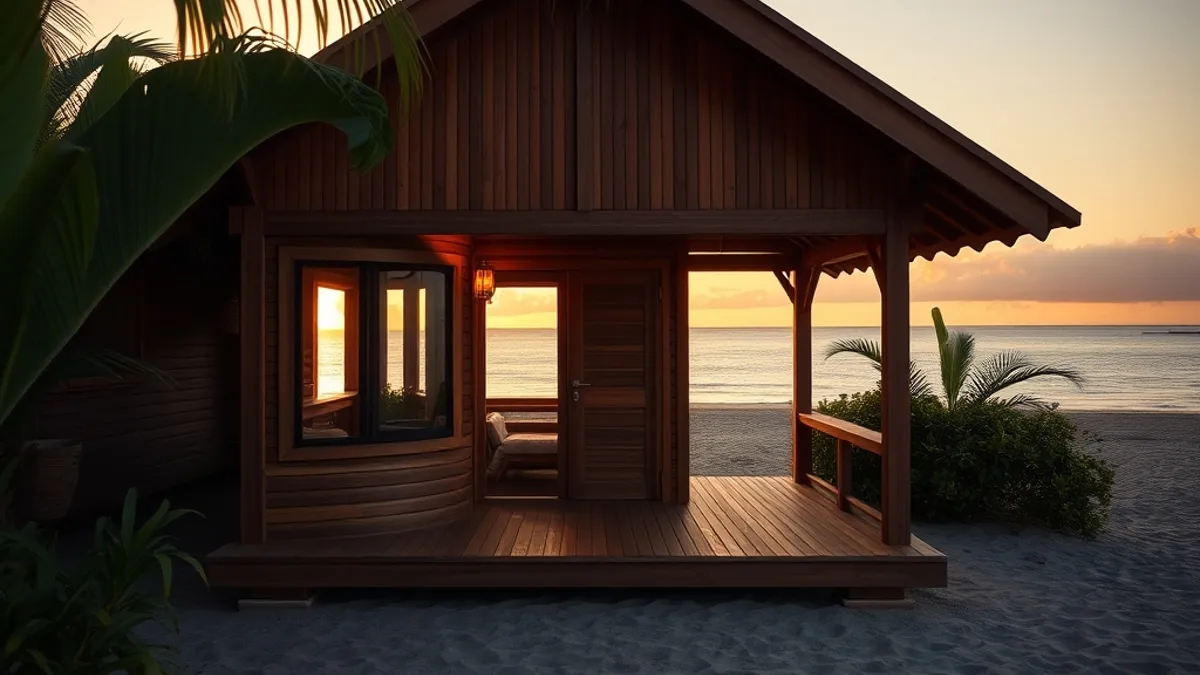
A bungalow plays a different game entirely. It’s a standalone unit, often with its own entrance, a veranda or even a small garden. You trade some of the convenience of the main hotel building, like being steps from reception and elevators, for privacy and outdoor space that no room or suite can match. Bungalows suit travelers who see the accommodation itself as part of the holiday, not just a place to crash.
Resort Rooms vs Suites vs Bungalows: The Core Differences
A standard room earns its keep on short trips. If you’re staying 2-4 nights and spending most of the day at the pool, on the beach or out on excursions, the room is basically a place to sleep and shower. Paying extra for space you’ll barely use during daylight hours rarely makes sense.
The financial argument is just as strong. Couples and solo travelers who book a standard room save the 30-50% premium that suites typically cost at the same resort, without losing any access to the facilities. Your pool, breakfast and beach loungers are exactly the same whether you sleep in 20 m² or 60 m².
It also helps to think about how you actually use a room on a short break. Most guests unpack a suitcase, charge their devices, take a shower and head out again. A well-designed 20-30 m² room that sleeps 2-3 guests comfortably covers all of that, and the money you save can go toward a nicer dinner, a spa treatment or an extra excursion instead.
Before you book, do a quick check on the specifics, because entry-level rooms can be surprisingly compact:
- Bed configuration: Some entry-level rooms only offer one large bed, so two friends traveling together may need to request twin beds well in advance, and availability isn’t guaranteed.
- Balcony size: A “balcony” at this level can mean a standing-width ledge with two chairs or a genuine terrace; photos often don’t make the difference obvious, so read room descriptions carefully.
- Floor and location: Standard rooms are often the first to be placed near elevators, service areas or the parking side of the property, so it can pay to add a location request to your booking.
When a Standard Resort Room Is the Smart Choice
Families of 3-5 are the clearest winners when it comes to suites. One suite with a sofa bed or a second room almost always beats booking two separate standard rooms, both in cost and in practicality. You share one bathroom cluster, keep an eye on the kids without hallway trips, and pay for one unit instead of two. Since suites usually span 40-60 m² and cost 30-50% more than a standard room at the same resort, run the numbers per person before assuming two rooms are cheaper.
The separate living area also changes the feel of longer trips. On stays of 5+ nights, having a distinct space means kids get a sleeping zone and adults get an evening to themselves, instead of whispering in the dark at 8:30 pm. Anyone who has done a week in one room with two children knows exactly what this is worth, and it often justifies the premium on its own.
There’s a timing catch, though. Suites sell out first for July-August, so waiting for a last-minute upgrade is a gamble you’ll usually lose:
- Book 3-6 months ahead for summer: Family suites and connecting rooms are the most requested category for July-August, and the small inventory at most resorts disappears early.
- Don’t count on upgrade offers: Resorts occasionally offer paid upgrades at check-in, but during high season they rarely need to, since demand for suites is already there.
- Check the sofa bed’s real size: A “sleeps five” suite sometimes means two adults in the bedroom and three kids on a compact sofa bed; ask about actual bed dimensions before committing.
Who Should Pay for a Suite
If you are traveling with three to five people, a suite usually beats booking two separate rooms. A sofa bed or a second sleeping area keeps everyone under one roof, and you pay one booking instead of juggling two room numbers, two check-ins and two sets of keys. For many resorts, the math also works in your favor once you compare the price per person rather than per unit.
The separate living area is what makes a suite genuinely useful on longer trips. On stays of five nights or more, kids can sleep in one zone while adults keep the lights on and talk in the other, which matters far more than it sounds after a long day of sightseeing or swimming. In a single room, one parent often ends up whispering in the dark by 9 pm.
Timing is the other piece. Family suites and connecting rooms are among the most requested categories for July-August, and the inventory is limited at most resorts. If you want one for peak summer, book 3-6 months ahead instead of counting on a last-minute upgrade, which is rarely offered when the resort is full.
- Ask specifically whether the “sofa bed” is a real sleeper with a proper mattress or a fold-out that suits only small children, since resorts use the term loosely.
- Check whether the suite’s second sleeping area counts toward the official occupancy limit, because some properties cap guests even when the space clearly fits more.
- Confirm whether breakfast or club access is bundled with suite rates at your resort, as this can offset part of the 30-50% premium over a standard room.
Why Bungalows Cost More and When They Are Worth It
Bungalows are usually the priciest category on a resort’s rate sheet, and for good reason. Expect to pay a 20-40% premium over a standard room, and what you get in return is privacy: your own entrance, no shared corridors, no hearing neighbors through the wall. That premium also buys outdoor space, since most bungalows come with a veranda, terrace or small garden that effectively becomes an extra room.
Where bungalows truly earn their price is on longer, slower trips. A stay of a week or more changes the math, because the veranda stops being a nice extra and becomes part of your daily routine: morning coffee outside, an afternoon read in the shade, dinner with the doors open. This is especially true at beach and lake resorts, where a standalone unit a few steps from the water or shore delivers the kind of holiday a main-building room simply can’t. Lake destinations are a great example, and you can see how this plays out in Serbia lake resorts for peaceful holidays, where quiet surroundings are the whole point of the trip.
The catch is availability. Bungalow inventory is tiny, often just a handful of units per resort, and at popular beach and lake properties the high-season allocation can be released and gone as much as a year ahead. If a bungalow is the reason you picked a resort, book early rather than hoping for a cancellation.
- Check what “standalone” actually means on the resort map. Some bungalows sit 50-100 meters apart with real green space between them, while others are semi-detached units that offer less separation than the photos suggest.
- Ask about housekeeping and dining logistics. Because bungalows sit away from the main building, some resorts run reduced in-room service or longer breakfast walks, which matters more on a two-week stay than a weekend.
- Look at shade and orientation. A west-facing veranda gets hot afternoon sun, so if you plan to spend real time outdoors, ask which units have covered or shaded outdoor space before you commit to a specific bungalow.
How to Compare Prices Between Room Types
The single most useful habit when comparing room types is to stop looking at the price per unit and start calculating price per person per night. A suite that looks expensive at first glance often works out cheaper than two standard rooms once you divide it across four guests. Run the numbers before dismissing the bigger category, because resorts price suites for occupancy, not just for square meters.
Timing matters just as much as room type. The shoulder-season months of May-June and September routinely cut suite and bungalow rates by 20-30% compared to peak summer, which means the upgrade you couldn’t justify in August may fit your budget in June. If your travel dates are flexible, shifting the trip by a few weeks is often the cheapest way to move up a category.
Finally, weigh what the premium actually buys you. A bungalow’s veranda and a suite’s second room are features, not just extra square meters, and their value depends on how you travel. A family that needs a separate sleeping zone for kids gets real, daily use from that second room; a couple out on excursions all day may never use it.
- Compare the same board basis across categories. A suite quoted with breakfast included can look pricier than a room-only rate, so make sure every option you compare includes the same meals before judging.
- Factor in what you’d spend elsewhere. A suite with a sofa bed or second room can replace paying for kids’ club add-ons, extra sunbed rentals or a second booking, savings that don’t show up in the nightly rate.
- Watch how resorts price by occupancy. Some charge the same for a standard room whether it holds two or three guests, which can make an entry-level room the best per-person deal for a small family.
- Check cancellation terms per category. Suites and bungalows sometimes carry stricter deposit or cancellation rules than standard rooms, which affects the real cost if your plans might change.
Matching the Room Type to Your Trip and Destination
The right room type depends heavily on where you’re going, not just who you’re traveling with. Beach and lake holidays favor bungalows, because the whole appeal is stepping straight from your veranda toward the water, and a standalone unit fits that barefoot rhythm. At city-adjacent resorts, where you’ll spend your days sightseeing, and at mountain resorts, where evenings are for indoor downtime, a suite with a separate living area is usually the better upgrade.
Special occasions and couples
Couples celebrating something special generally get more value from a suite with a view than from a detached bungalow far from the main facilities. A suite overlooking the pool, sea or valley puts you in the middle of the atmosphere, close to the restaurant and bar, while a distant bungalow can feel isolated on a short trip. If romance and convenience are the goal, prioritize the view and location over the novelty of a standalone unit.
Winter and ski trips
Ski and winter trips reward rooms and suites located in or near the main building. Bungalows can mean long walks in snow and ski boots, often on unlit paths, and hauling gear back and forth gets old fast when temperatures drop. In cold-weather destinations, treat proximity to the main building as a feature worth paying for, and only choose a bungalow if it sits genuinely close to reception, dining and the slopes. When in doubt, ask the resort how far the detached units are from the facilities and whether paths are cleared and lit in winter.
The Bottom Line on Picking Your Resort Stay
So which one do you book? Rooms suit short and budget-focused stays, suites suit families and longer trips, and bungalows suit privacy seekers with a bigger budget. If you are staring at three options at the same resort, start with your trip length, group size and season, because those three factors usually make the answer obvious.
Remember that availability is part of the decision: booking 3-6 months ahead often decides whether the suite or bungalow you want is even there. And whichever type you choose, comparing price per person and shifting to shoulder-season dates turns any of the three options into better value. If this helped you decide, leave a comment or share the article.