Split is the perfect base for a Dalmatian Coast trip, but choosing the right villa area and timing can make or break the holiday. Book the wrong stretch of coast in the wrong month and you can end up far from the beach, stuck in traffic, or paying peak-season prices for a pool nobody can reach. The good news is that villas near Split come in enough shapes and locations that there is a genuinely good fit for almost every group.
This guide walks through the decisions that matter most: why Split works so well as a base, which areas deliver beach mornings versus old-town evenings, when to book for the best rates, what villas typically cost, how to match a property to your group, and which day trips are within easy reach. By the end, you should know exactly where to start looking and when to hit that booking button.
Why Base Your Dalmatian Coast Trip in Villas Near Split
Split punches above its weight as a travel hub. The city has an international airport, a major ferry port serving the islands, and motorway links running up the coast and inland, which means day trips to Hvar, Brač, Trogir or the waterfalls all start from one place. Instead of repacking suitcases every two nights, you unpack once and radiate outward.
Space that hotels around the Riva can’t match
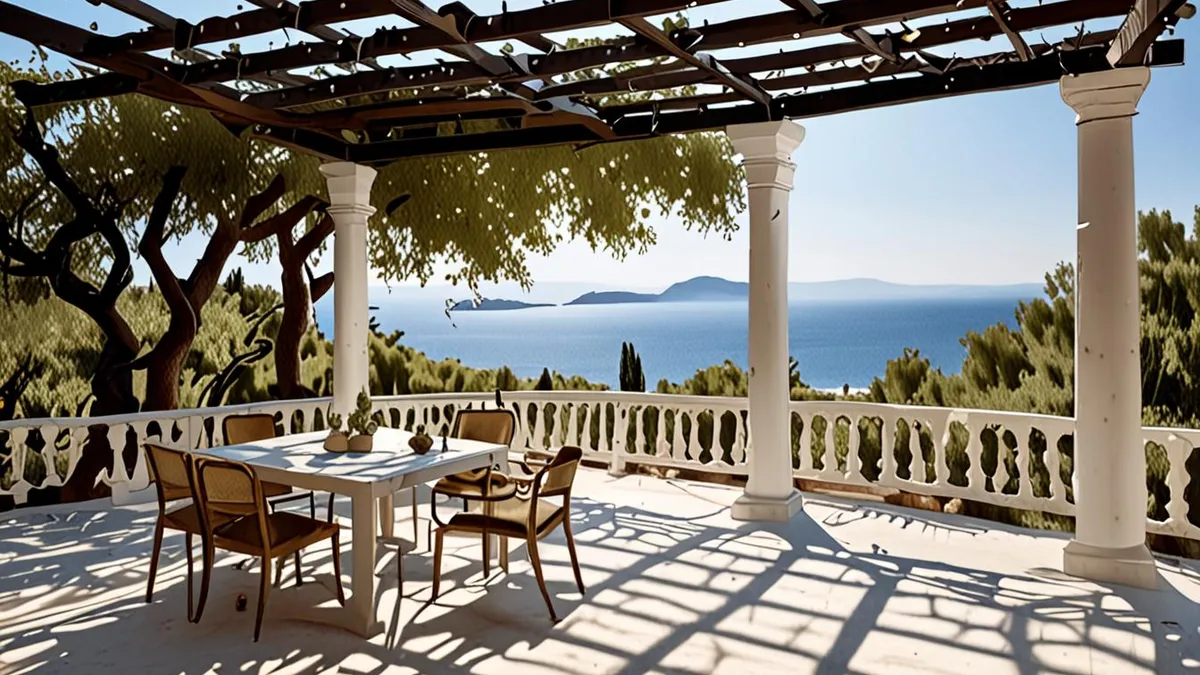
City hotels along the Riva waterfront are charming but tight: one room, one bathroom, and a queue for the breakfast lift. A villa flips that equation. You get multiple bedrooms, a living area where the group can actually gather, and usually a private pool with a terrace. Many properties also offer sea views over the Adriatic, something only a handful of Riva hotels can promise at any price.
The rhythm of a villa stay near Split is the real selling point. You can swim and drink coffee on a quiet terrace in the morning, drive or walk into the old town for dinner under Diocletian’s Palace walls in the evening, and retreat to peace and quiet afterward. It’s the mix of lively city nights and calm coastal mornings that makes this base style so addictive for returning visitors.
Best Areas to Find Villas Near Split
The area you pick around Split shapes your whole trip. Beach-focused families, old-town wanderers and island escapers all have different ideal postcodes, so it pays to match the location to your group before falling in love with a particular pool photo. The good news is that most Dalmatian villas sit within 20–60 minutes by car of Split’s old town and ferry port, so nowhere feels truly remote.
Podstrana and Stobreč are the classic family picks: beachside villages a 15–20 minute drive from Split, with a deep stock of family-friendly villas and pebble beaches on the doorstep. The Trogir side trades beach buzz for atmosphere, putting you near a UNESCO-listed old town and within 20–30 minutes of the airport, which is handy for late arrivals. If you want the same flexibility in another country, our guide to the best regions for renting a villa in Portugal shows how the same logic applies elsewhere.
- Marjan hillside and Split outskirts: villas here sit on forested slopes above the city, so you get panoramic sea views and can often walk to old-town restaurants in 20–30 minutes without needing a car for dinner.
- Brač and Šolta islands: ferry-served escapes roughly 50–60 minutes from the mainland, where villas trade easy city access for olive groves, quieter coves and a genuine slow-down feeling.
- Stobreč specifically: it sits at the mouth of a small river with a sheltered beach and a campsite-village feel, often meaning slightly more affordable villa options than Podstrana’s premium seafront rows.
When to Book Villas Near Split: Seasons and Lead Times
Timing drives both price and experience on the Dalmatian Coast. From late June to late August you get peak prices, booked-out pools and busy beaches, plus a booking market where the best villas vanish early. It’s a wonderful time to swim, but it demands the most planning and the biggest budget.
The shoulder-season sweet spot
May–June and September–October are when the coast shows its better side. Sea temperatures sit around 20–24°C, warm enough for proper swimming days, while rates drop noticeably and beaches, ferries and restaurants breathe again. For couples and groups without school-age children, shoulder season usually delivers a better villa for the same money.
How far ahead to book
Lead times matter as much as the month. For July and August stays, reserve 4–6 months ahead, especially if you need a specific feature like a heated pool, sea view or fenced garden for toddlers. For shoulder-season trips, 2–3 months ahead is typically enough, though large groups wanting several adjacent villas should still move earlier. Check current availability and rates with your chosen platform or host, as popular properties can shift their calendars quickly.
What Villas Near Split Cost
Villa prices near Split swing more with the calendar than with the property itself. In shoulder season, rates for a comfortable two-bedroom villa typically start around €120 per night, especially in villages like Stobreč or on the Trogir side where the villa stock is deep. The same villa in late July can easily double that figure.
Peak season is when the numbers climb sharply. Sea-view villas with private pools commonly exceed €400 per night from late June through late August, and the best-positioned properties are often booked solid months in advance. If your dates are flexible, shifting your stay to May, June, September or October is the single biggest saving you can make, and the sea is still pleasantly warm at 20–24°C.
Is a villa cheaper than hotel rooms?
For families and groups of friends, usually yes. A four-bedroom villa sleeping eight often costs less per person than booking three or four separate hotel rooms in Split’s old town, and you get a pool, kitchen and living space included. Run the per-person math before you dismiss villas as expensive, and for a fuller breakdown of seasonal pricing, see this guide to villa rental costs in Croatia.
How to Choose the Right Villa for Your Group
Two villas with similar photos can behave very differently once you arrive, so it pays to interrogate the listing before you pay the deposit. Start with the practicalities: how you reach the property, what the pool is actually like, and how the bedrooms are equipped. Owners in Dalmatia are generally honest when asked directly, and a quick message often reveals details the listing omits.
Location questions matter most. Some villas near Split sit on quiet hillsides with sweeping views but no shop, beach or konoba within walking distance, which means every coffee run or dinner out requires driving. Others sit a few minutes’ stroll from a pebble beach and a handful of restaurants. Neither option is wrong, but your group should agree on which one it wants before booking.
- Pool heating: unheated pools can sit below 20°C in May, June and September, so ask whether heating is available and whether it carries a supplemental charge.
- Shade around the pool: south-facing terraces with no pergola or umbrellas become unusable in the afternoon sun, especially for toddlers and older travelers.
- Parking: confirm the number of private spaces if you are renting two cars; hillside properties sometimes have only one tight spot.
- Grill and outdoor kitchen: many Dalmatian evenings end with a barbecue, so check for a proper grill and covered dining table rather than a token charcoal stand.
Air conditioning deserves special attention. In August, bedrooms without it make for miserable nights, so confirm it is installed in every bedroom, not just the living room. Families with small children should also ask whether the pool is fenced or has a locked gate, and whether the nearest beach shelves gently into shallow water rather than dropping off after a meter.
Day Trips From Your Split-Area Villa
One of the best arguments for basing yourself in a villa near Split is how much you can reach without ever repacking. Most Dalmatian villas sit within an easy drive of Split’s old town and ferry port, which puts islands, waterfalls and medieval towns all within striking distance of your morning coffee by the pool.
Islands are the classic choice. Split’s ferry port and the port in Trogir both run regular services to Hvar, Brač and Šolta, so you can plan anything from a half-day swim on Šolta to a full day exploring Hvar town. If your villa is on Brač or Šolta itself, remember the crossing adds 50–60 minutes each way from Split, so build that into your mainland day trips.
- Krka National Park: a long but doable day drive from the coast; arrive early to beat the crowds at the wooden walkways around the waterfalls, and check current entrance fees online before you go.
- Plitvice Lakes: further afield and best treated as a very full day, with an early start and pre-booked tickets; the tiered lakes and falls reward the effort.
- Trogir: a compact UNESCO-listed old town on its own islet, close enough for a relaxed evening stroll and dinner rather than a full-day expedition.
- Šibenik: under an hour by car, with a handsome cathedral, fortress views and a quieter, more local feel than the bigger coastal names.
A practical tip: pick one anchor trip per day rather than trying to combine islands with inland waterfalls. Roads along the coast are scenic but slow, and distances that look short on a map can take longer than expected in summer traffic. The whole point of a villa stay is returning in time for a swim before dinner, so leave a comfortable buffer for the drive back and check ferry timetables the night before if you’re crossing to an island.
Planning Your Dalmatian Coast Villa Stay
Villas near Split suit travelers who want space, pools and a central coastal base. Split’s combination of airport, ferry port and motorway links makes it the natural starting point for a Dalmatian Coast trip, and a villa gives you the room and sea views that city hotels rarely match. The key is matching the area to your group: beach villages like Podstrana and Stobreč for families, the Marjan hillside or city outskirts for walkable access to Split, Trogir for old-town atmosphere near the airport, or a ferry-served island retreat on Brač or Šolta.
Timing matters just as much. Shoulder season in May–June and September–October brings sea temperatures around 20–24°C and noticeably lower rates, while peak season from late June to late August demands early booking, ideally 4–6 months ahead for July and August. Book early, choose the right area, and your villa stay becomes the easy, comfortable base the Dalmatian Coast deserves. If this helped your planning, leave a comment or share the article.