Most of us book a hotel out of habit. It is only on day two of the trip — stuck in a taxi back to the city after dinner, or paying for a pool we never see — that the resort vs hotel question suddenly feels urgent. Choosing the wrong stay type rarely ruins a trip, but it can quietly drain your budget and your patience.
This guide walks through the real differences between the two, from what you actually get for your money to where each one is located. We will look at the trips where a resort makes sense, the ones where a hotel is clearly better, and how costs compare once meals, transfers and hidden extras are counted. Then we will cover how to decide and when to book, so you can match your stay type to your trip style before you pay the deposit.
What Separates a Resort From a Hotel
The core difference comes down to what is included. A hotel is primarily a place to sleep. You get a room, a bed, housekeeping, a reception desk and often breakfast, and that is roughly the deal. Everything else — dinner, entertainment, activities — happens outside the property, usually in the city or town around it.
One building versus one destination
A resort bundles lodging with everything else in one location: swimming pools, several restaurants, sports facilities, a spa, and evening entertainment. The idea is that you rarely need to leave. Many resorts are deliberately built as self-contained destinations in scenic spots — a coastline, a lakeshore, an alpine valley — where the setting itself is part of the attraction.
Hotels, by contrast, sit where the action is. They are found in cities and towns, close to museums, restaurants, train stations and airports. Their value is location and convenience, not on-site facilities.
Think of it this way: at a hotel, the destination is outside your door. At a resort, the destination is the property itself. Neither is better — but the distinction shapes your whole trip, from how much you spend on meals to how much time you lose in transit. Once you know which experience you want, the choice between the two becomes much simpler.
When a Resort Makes Sense for Your Trip
Resorts earn their higher price tag when you actually use what they offer. If your ideal day involves stepping out of your room straight into a pool, a spa or a ski lift, a resort turns those activities into a walk down the corridor instead of a planned excursion. That convenience matters most when you are staying several nights, since you have time to settle in and make the most of everything on-site. Here are the trip types where that trade-off pays off.
- Beach holidays spent mostly on-site: if you plan to rotate between the pool, the private beach area and the water sports desk all day, on-site facilities become the whole point of the trip rather than a bonus. Coastal resorts hit their stride in high season, which typically runs June to August.
- Family trips with kids: supervised kids’ clubs, shallow pools a short walk from your room and organized activities give children structure and give parents an actual break — something a standard hotel room cannot provide.
- Winter ski weeks: ski-in/ski-out access means you clip into your skis at the door, and on-site equipment storage saves you hauling boots and boards to a locker in town each evening. For a closer look at what is on offer in the mountains, see this guide to Slovakia ski resorts for winter trips.
- Wellness and spa-focused stays: when treatments, saunas and fitness facilities are the main attraction, you want them steps from your room — ideally included in your rate rather than booked separately across town.
The common thread is simple: the more of your day happens on the property, the more a resort justifies itself. Before booking, scan the facility list and honestly count how many hours you will spend using it. If you picture yourself leaving the grounds daily for restaurants, sights or nightlife, keep reading — the next section is for you.
When a Hotel Is the Better Choice
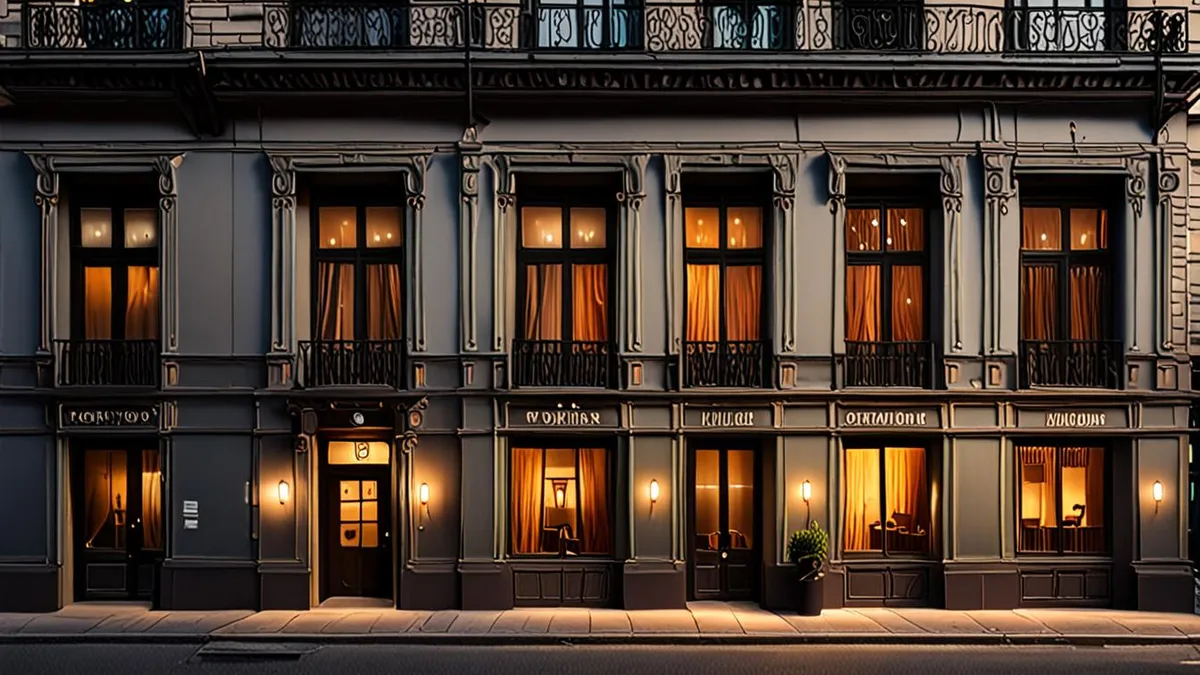
If your trip is really about the destination rather than the property, a hotel is almost always the smarter pick. City hotels exist precisely for travelers who need a comfortable base and nothing more — and they cost considerably less for the privilege. Instead of paying for facilities you will not use, you put your money where it counts: location, convenience and freedom to explore.
On a city break, your days fill up with sightseeing, museums and long dinners. You return to your room exhausted, sleep, shower and head out again. Paying a resort premium for pools and entertainment you never touch makes little sense here. City hotels in European capitals commonly run 80-180 EUR per night for a double room, while comparable resorts in the same region charge noticeably more — money that could cover an extra museum pass, a food tour or a nicer dinner.
- Food and nightlife-focused trips: if your evenings are planned around restaurants, bars and local culture, an isolated resort can kill the mood — its own restaurants and entertainment replace the very scene you came for.
- Short stays of 1-3 nights: with only a couple of nights on the ground, you will barely unpack, let alone use a spa, three pools and a tennis court. A simple central hotel keeps the trip lean.
- Walkability as a priority: a hotel steps from a tram stop or a metro station lets you drop bags midday, change for dinner and skip the taxi fares entirely.
- Tight budgets: every euro saved on the room goes toward the experiences you actually booked the trip for.
One practical tip: book city hotels around 4-8 weeks before your trip, and you will rarely pay a penalty outside major events or festivals. That flexibility is another advantage over resorts, which reward early planning far more heavily.
The rule of thumb is simple: if most of your itinerary happens outside the front door, pay for location, not facilities. A well-placed hotel turns the city itself into your entertainment — and that is exactly what a city break should be.
Comparing Costs: Room Rates, Meals and Hidden Extras
The nightly rate is only the starting point when you compare a resort with a hotel. In the same region, resorts typically cost 20-40% more per night than comparable city hotels, and that gap widens once you add meals, drinks and activities. The higher price buys a lot, though — pools, sports facilities, entertainment and multiple restaurants are all part of the package.
All-inclusive packages: expensive up front, cheaper in practice
All-inclusive resort packages usually run 150-300 EUR per person per night in peak season, which sounds steep until you do the math. If you would otherwise eat three meals a day out — plus snacks, coffee and a drink or two in the evening — an all-inclusive rate can cut your food spending by 30-50%. For families with teenagers who eat constantly, that difference alone can close the price gap.
Hotels look cheaper on paper, but the bill grows. City hotels commonly charge less per night, yet you pay separately for dinners out, parking, airport transfers and any excursions you book. A modest 80-180 EUR room in a European capital can easily double in total trip cost once you add these extras.
Transfers deserve their own line in your budget. Resorts usually sit 20-60 minutes from city centers, often requiring a transfer or rental car, so a remote deal can lose its appeal once you price the journey. Ask whether the resort offers a shuttle before you book, and compare the true total cost, not just the headline rate.
Location and Atmosphere: Secluded Grounds vs City Streets
Where you stay shapes how your days feel, sometimes more than the room itself. Resorts and hotels sit in fundamentally different environments, and each one pushes your trip in a certain direction before you have made a single plan.
Resort life: quiet grounds and slow evenings
Resorts favor nature settings — lakes, coasts, alpine valleys — where the property itself is the destination. Evenings tend to be calm: sunset walks on the grounds, dinner at one of the on-site restaurants, maybe a drink by the pool. The trade-off is that walkable dining and nightlife outside the property are often limited, so plan to spend most of your time within the resort. If that sounds appealing rather than restrictive, a nature-focused stay such as a quiet resort escape in the Slovak countryside shows how much a secluded setting can add to a relaxed trip.
Hotel life: the city at your doorstep
Hotels put you steps from museums, cafés, shops and public transport. You can drop your bags after a morning of sightseeing, rest for an hour, and head out again without planning a drive. For travelers who want to explore on foot and improvise their days, a central hotel is hard to beat.
The deciding factor is your trip pace. Relaxation-focused trips — reading by the pool, spa afternoons, unhurried meals — suit resort grounds, while sightseeing-heavy itineraries with long days out suit central hotels. Match the setting to the rhythm you actually want, not the one in the photos.
How to Decide and When to Book
Choosing between a resort and a hotel comes down to an honest look at how you actually spend a travel day, then a bit of timing discipline when you book. Most travelers skip both steps and end up paying for facilities they never use, or staying somewhere too remote for the trip they planned. Work through the three steps below in order, and the right answer usually becomes obvious before you even open a booking site.
- List your daily activities first. Write down what you picture yourself doing each day — swimming, spa treatments, sightseeing, restaurants, museums. Be specific and count how many of those activities happen inside the property versus outside it. If more than half happen on-site, choose a resort; if most happen elsewhere, choose a hotel.
- Match the booking window to the stay type. Book resorts 3-6 months ahead to lock in the best rates, especially for June-August coastal stays and December-March ski weeks when demand peaks. City hotels can be booked 4-8 weeks out with little price penalty, so you can stay flexible.
- Check what the rate actually includes. Before comparing headline prices, confirm whether breakfast, airport transfers, parking and facility access are covered. Two rates that look similar can differ sharply once you add a daily breakfast or a required shuttle.
Timing matters as much as choice. Resort prices climb steadily as peak season approaches, family rooms and sea-view categories sell out first, and last-minute deals on the best rooms are rare — early booking is where the real savings sit. City hotels, by contrast, reward flexibility: watch for major events and conferences in your destination, since a single trade fair can double rates for a few nights, and shift your dates by a day or two if you spot one. Once you know your itinerary and your dates, book the stay type that matches how you actually travel, not the one with the prettiest pictures on the listing page.
The Bottom Line: Matching Stay Type to Trip Style
So, which one wins? Neither, on its own. A resort is the right call when the property itself carries the trip — family beach weeks, ski holidays, spa and wellness escapes where you want everything within walking distance. A hotel is the smarter pick for city breaks and short stays, when you spend your days out sightseeing and just need a comfortable room to come back to.
Before you book, compare the total cost of the trip rather than the nightly rate alone — add meals, transfers and any extras on both sides, and the “cheaper” option isn’t always the one with the lower price tag. And if you do settle on a resort for peak season, book early to lock in the best rate. If this helped you decide, leave a comment or share the article with a friend who’s planning a trip.