You want a quiet, romantic escape, but every resort seems to call itself “adults-only.” That label sounds promising until you arrive to find a bachelor party by the pool, a group of friends dominating the swim-up bar, and singles heading out for a loud night. Adults-only simply means children are excluded; it says nothing about the kind of adults you’ll share the resort with.
That’s where couples-only resorts come in. These properties go a step further, generally accepting only two adults traveling together, which changes the entire feel of a stay. In this article, we’ll explain what couples-only resorts actually mean, how they differ from adults-only in rules and atmosphere, what each stay type typically costs, and how to choose between the two for your trip. We’ll also share practical booking tips, look at where each option works best, and sum up the key differences at a glance.
What Couples-Only Resorts Actually Mean
A couples-only resort is exactly what the name suggests: a property where the booking policy is built around two adults sharing a room. Single travelers are typically turned away, and so are friend groups booking multiple rooms. It isn’t just an age rule; it’s a rule about who you travel with and why.
This means the label targets romantic travel specifically. Honeymoons, anniversaries, proposals and simple couple getaways shape the whole guest experience, from dining arrangements to entertainment to the general pace of the day. Everything is designed around pairs.
A stricter filter than a simple age rule
Some properties verify that guests are both 18 or older and traveling as a couple, which is a stricter filter than the age check you’ll pass at an adults-only resort. In practice, this often means two adults per room and a cap on multi-room bookings, so large groups rarely appear. If guaranteed quiet and a romantic atmosphere are the reason you’re booking, this distinction matters more than any marketing label, and it’s always smart to confirm the exact policy before you reserve.
How Adults-Only Resorts Differ in Rules and Atmosphere
Adults-only sounds similar to couples-only, but the rule behind it is different. At an adults-only resort, the policy is usually just an age minimum, commonly 16+ or 18+, not a restriction on who you travel with. Anyone past that age can book, whether they arrive as a pair, alone or with eight friends.
What that means for the atmosphere
Because groups of friends, solo travelers and party weekends are all welcome, noise levels vary far more from day to day and from pool to pool. One week might feel relaxed, the next might revolve around a bachelor party. That’s not necessarily a bad thing, but it’s a gamble if guaranteed calm is your priority.
Scale plays a role too. Adults-only resorts are often large properties, frequently with 200 or more rooms, which supports more entertainment, bars, themed nights and social events than a couples-only boutique stay could offer. If you like having options and meeting new people, this is a real advantage. If you don’t, look closely at room counts and event calendars before booking.
Price and Value: What Each Stay Type Costs
Price is one of the clearest differences between the two. Couples-only resorts commonly run 10-20% above comparable adults-only properties in the same destination, largely because of their smaller scale and the extras they include, such as à la carte dining or couples’ experiences.
Where adults-only can win on value
Adults-only mega-resorts often bundle all-inclusive packages, and the economies of a 200+ room property can lower the per-night cost for longer stays. If you plan to eat most meals at the resort and enjoy the entertainment on offer, the math often favors the bigger property.
Timing matters for both. Shoulder-season dates in May-June and September-October typically cut rates by roughly 20-30% compared with July-August peaks, and you get calmer grounds thrown in. A couples-only stay that feels expensive in midsummer can be surprisingly reasonable in early October, which is also when small properties have more availability. Always compare your specific dates across both stay types before deciding.
How to Choose Between the Two for Your Trip
The right choice depends less on the destination and more on what you want from the days between breakfast and bedtime. If the trip marks an anniversary, a honeymoon or a proposal, couples-only is usually the safer bet. These properties are built around quiet dinners, spa appointments and long, unhurried mornings, so you are far less likely to share the pool or the sunset deck with a rowdy bachelor party.
If you travel as a pair but genuinely enjoy meeting other people, adults-only will feel more fun than restrictive. Larger resorts run group activities, themed nights, fitness classes and lively bar scenes, which makes it easy to socialize during the day and still retreat to your room when you want privacy. Many couples find this balance suits a longer stay better than a smaller, quieter boutique setting would.
Before you commit, run through a few practical checks:
- Minimum-stay rules: couples-only resorts often require 2-4 nights, especially over weekends, which matters if you are planning a short escape.
- Marketing language: “adults-only” and “couples-only” are used loosely across booking sites, so read the actual policy page rather than the headline.
- Party composition rules: a stricter check applies at some resorts, where staff confirm guests are 18+ and traveling as a couple, so a booking for two friends may be declined at check-in.
- Entertainment schedule: if quiet evenings are the priority, ask whether the resort hosts nightly shows or DJ sets that carry into guest areas.
A five-minute email to the resort confirming who can book and what the atmosphere is like can save you from an expensive mismatch. Ask specifically about your travel dates, since weekday stays often feel calmer than weekends at both types of property. It also helps to request a written copy of the guest policy before paying a deposit, because summaries on booking sites are not always up to date. Ten minutes of homework is a small price for ending up in the right room.
Booking Tips for Couples-Only Resorts
Couples-only resorts are small by design, and that works against late planners. With inventories of roughly 20-80 rooms, the best room categories can disappear months before peak dates. A little forward planning goes a long way, and a couple of smart questions at booking time can protect both your budget and the quiet atmosphere you are paying for.
- Book 3-6 months ahead for July-August stays. Small properties sell out first in peak summer, and late bookers are usually left with the least desirable rooms or no availability at all. Because these resorts have so few rooms to begin with, even a handful of early bookings can lock out an entire room category, so the earlier you commit, the more choice you actually have.
- Ask about group caps before coordinating friends. Many couples-only resorts limit multi-room bookings to 2-3 rooms to protect the intimate feel, so a larger group may need to split across properties. Get this answer in writing before anyone books separately.
- Check the minimum-stay requirement. Weekend dates often carry 2-4 night minimums, so build your dates around that rule instead of discovering it at checkout. If your schedule is tight, ask whether midweek arrivals carry a shorter minimum.
- Confirm the couple policy in writing. If the resort verifies that guests are traveling as a pair, make sure both names are on the booking from the start. This avoids awkward conversations at check-in and protects your reservation if plans change.
If you end up at a larger adults-only resort instead, the same logic applies in reverse: request a room category away from the pools and bars if privacy matters more than being in the middle of the action. A room at the quiet end of the property can change the entire feel of the stay. It is also worth asking about room location relative to elevators, restaurants and event spaces, since those areas tend to draw foot traffic late into the evening. A short email to the resort before arrival usually costs nothing and can make the difference between a restful stay and a noisy one.
Where Couples-Only and Adults-Only Resorts Work Best
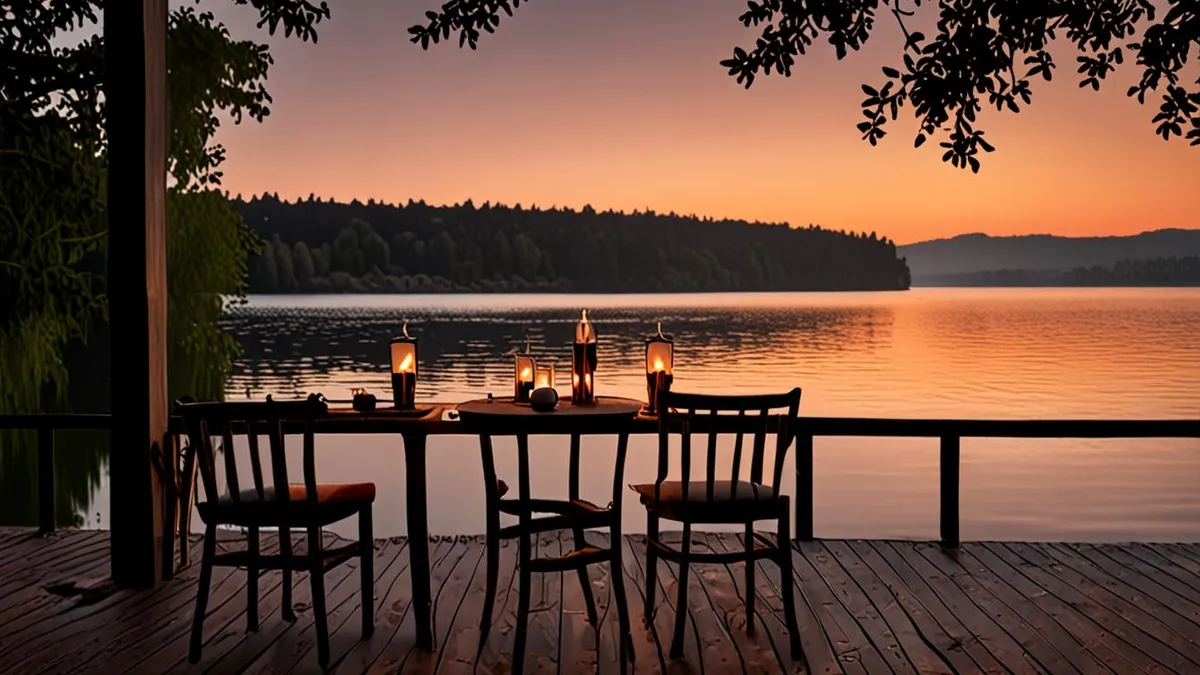
Setting shapes the experience more than most travelers expect. Lake and mountain destinations are a natural fit for couples-only boutique stays, because the scenery does the entertaining. Days revolve around views, walks and spa treatments rather than poolside activities, so a small property with 20-80 rooms feels complete rather than limited. You trade the buzz of a big resort for quiet terraces, forest trails and a pace that suits two people traveling together.
Coastal and island stays
Coastal and island destinations favor larger adults-only resorts, where pools, beach clubs and social scenes are the main draw. With 200+ rooms, there is usually a choice of restaurants, bars and daytime activities, and meeting other guests comes naturally. If that sounds appealing, a relaxed island option worth researching is Croatia island resorts for laid-back coastal stays, which combine clear water with a slower pace than many Mediterranean hotspots.
The off-peak advantage
Timing can narrow the gap between the two resort types. In shoulder months like May-June and September-October, even large adults-only properties feel noticeably calmer, since crowds thin out and the social scene softens. If your dates are flexible, an off-peak adults-only resort can deliver much of the quiet you would get from a couples-only stay, often at a lower price and with more space to spread out. Check current rates and availability directly with the property or your booking platform, as seasonal pricing varies by destination and year.
The Key Differences at a Glance
The answer to the labels problem is simple once you know what each term actually means. Couples-only resorts are built around romance: bookings are made for pairs sharing a room, so single travelers and friend groups are typically turned away before they ever check in. Adults-only means an age minimum only, usually 16+ or 18+, and nothing about who you travel with. If guaranteed quiet is your priority, that distinction matters more than anything else on the booking page.
The two stay types also feel different on the ground. Couples-only resorts are smaller, quieter and typically 10-20% pricier, trading scale for intimacy and included extras. Adults-only properties offer scale and social energy, with larger pools, more bars and a livelier calendar of events. Match the choice to your trip: guaranteed quiet versus a lively adult atmosphere. If this helped you decode the marketing, leave a comment or share this article with your travel partner.