Many travelers book an Egyptian beach stay without realizing how much the choice of resort area shapes their access to reefs and dive sites. Pick the wrong base and you may find yourself far from the sites you came for, or stuck on long boat rides when you could have been snorkeling straight off the beach. The Red sea resorts in Egypt vary widely in character, from lively Hurghada to the quiet bays of Marsa Alam, and each suits a different kind of traveler.
This guide walks you through what makes the Red Sea such a strong diving and snorkeling destination, then compares the four main resort areas. We also look at house reefs versus boat trips, the best time to visit, what a week is likely to cost, and how to match a resort to your skill level. By the end, you should have a clear shortlist for your own trip.
Why the Red Sea Is a Diving and Snorkeling Destination
The Red Sea has earned its reputation among divers and snorkelers for one simple reason: the water is remarkably clear. On many reefs, visibility often exceeds 20-30 meters, which means you can see coral walls, fish schools and the sandy bottom far below you. For underwater photographers and first-time snorkelers alike, this clarity makes every swim feel like drifting over an aquarium.
What sets the region apart from many tropical destinations is how close the reefs sit to land. Coral formations run right up to the shore along much of the coast, so on many beaches you can put on a mask and fins and be over living coral within a few strokes. There is no long wade through shallow, featureless water before anything interesting appears.
Warm water all year
The sea stays comfortable in every season, ranging from about 22°C in February to 29°C in August. Even at its coolest, the water is mild enough for a comfortable swim, while summer temperatures make long snorkeling sessions effortless. A shorty or thin wetsuit covers most of the year, with thicker protection only really needed on the coolest winter dives.
The reef life delivers the rest. Turtles graze on seagrass beds, rays rest on sandy patches, and dolphins are regularly spotted by snorkelers and divers. Above the coral, large schools of fish sweep past in shifting silver and yellow clouds, often dense enough to momentarily block the light.
Choosing Your Base: Hurghada, El Gouna, Sharm El Sheikh and Marsa Alam
Egypt’s Red Sea coast stretches for hundreds of kilometers, and the four main resort areas each have a distinct personality. Where you base yourself affects how long it takes to reach dive sites, how lively or quiet your evenings are, and what kind of reef is right outside your door. The good news is that there is no single wrong answer, only better or worse matches for your travel style.
Hurghada is the workhorse of the coast and the easiest all-round choice. It offers the largest selection of resorts and dive centers, so you can find everything from budget-friendly packages to high-end beachfront properties. Its marina sends out daily dive boats in every direction, and competition among operators keeps standards reasonably high.
Sharm El Sheikh, on the Sinai side of the gulf, sits near Ras Mohammed at the southern tip of the peninsula. This proximity to one of the region’s most famous protected areas makes it the natural base for divers chasing wall dives and dramatic reef drop-offs.
- El Gouna: a purpose-built, well-organized town roughly 25 km north of Hurghada, with calm lagoons, wide walkways and a slower rhythm that appeals to divers who want to relax between dives rather than party.
- Marsa Alam: about 250 km south of Hurghada, it puts you closer to the southern reefs, which are less visited, and to shallow bays where dugongs are occasionally seen grazing on seagrass.
- Sharm El Sheikh’s dive scene: beyond Ras Mohammed, the area’s reefs drop away steeply, so drift diving and wall diving dominate the local daily boat schedule.
- Marsa Alam’s bays: many of its sheltered, sandy-bottomed coves allow easy shore entries, which suits snorkelers who prefer calm water over open-reef currents.
If you want maximum choice and easy logistics, start with Hurghada. If you want famous walls, look at Sharm El Sheikh. If quiet and southern reefs matter most, Marsa Alam or El Gouna will fit better.
House Reefs vs Boat Trips: What Red Sea Resorts in Egypt Offer
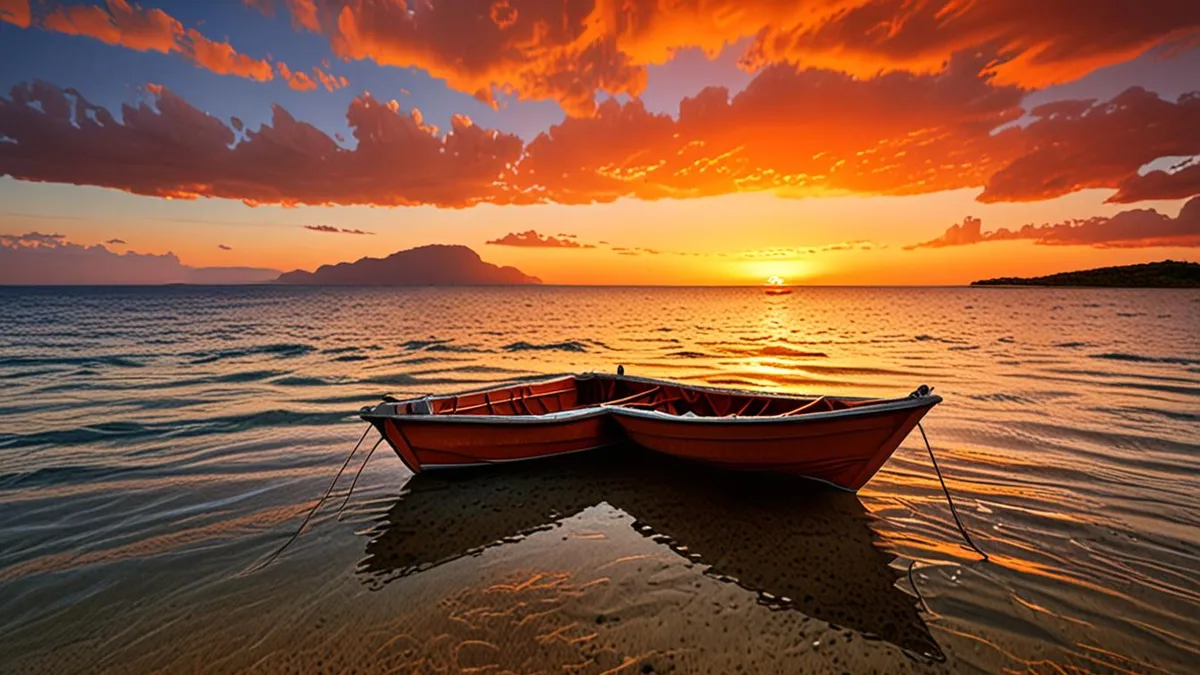
One of the biggest practical differences between resorts is how you get to the water. Many properties along the coast have a house reef reachable directly from the beach, which means you can snorkel every morning before breakfast without booking anything. This is the single biggest quality-of-life factor for snorkelers, and it is worth confirming before you book that the reef is genuinely accessible and in good condition.
Why boat trips still matter
House reefs are convenient, but they cannot show you everything. The Red Sea’s most celebrated sites, including offshore reefs and several well-known wrecks, lie beyond swimming distance from shore. Boat trips, typically organized as daily excursions with one or two dives or snorkel stops, are how you reach these sites. For many divers, a week without at least a couple of boat days would feel incomplete.
If you plan to dive, check whether the resort has an on-site dive center or works with one nearby. An on-site center makes logistics simple: equipment stays in place, briefings happen at the hotel, and boat pickups are often direct. A partner center a taxi ride away adds friction to every dive day.
Your travel group should shape the balance you strike. Families with children usually prefer house-reef resorts, where kids can snorkel safely and adults can take turns watching from the beach. Dedicated divers, on the other hand, may prioritize proximity to famous offshore sites and daily boat departures over a showpiece house reef. Some resorts manage both, but most lean one way or the other, so decide which matters more before you commit.
Best Time to Visit for Diving and Snorkeling
The main diving and snorkeling season on the Red Sea runs from October to April. During these months, air temperatures are pleasant rather than punishing, and sea conditions are generally good for both boat trips and shore snorkeling. This is when most European travelers arrive, and it is easy to see why.
Summer flips the picture. The water reaches its warmest at up to 29°C in August, which is wonderful for long snorkeling sessions, but air temperatures inland can be uncomfortably hot. If you do travel in summer, plan your water activities for the morning and keep midday shaded.
Booking ahead for winter
The winter weeks, especially around the holidays, are the busiest of the year. Resorts fill up quickly and prices rise with demand, so it pays to book 2-4 months ahead if you want a good room at a reasonable rate during peak season.
If you are new to snorkeling, aim for spring or autumn. Sea conditions are generally calmest in these shoulder months, with gentler waves and easier entries from the beach. If your holiday plans are flexible, you could also consider a cooler alternative such as the Austrian Alps for a summer break and save the Red Sea for its best months.
Budgeting: What a Red Sea Resort Stay Costs
A week at an all-inclusive Red Sea resort commonly costs somewhere between about €500 and €1,500 per person, depending on the season and the standard of the property. That is a wide range, but it reflects real differences between simple family resorts and upscale properties with private beaches and multiple restaurants.
Timing matters a lot. Peak winter dates, especially around the holidays, push prices toward the top of that range, while shoulder-season weeks in autumn and spring often sit closer to the lower end. If your dates are flexible, shifting your trip by a week or two can make a noticeable difference to the total.
One thing that surprises first-time visitors: the room rate is rarely the whole cost. Boat dive packages, snorkeling excursions and day trips are usually priced separately, so budget extra if you plan to be on the water most days.
All-inclusive is usually the sensible choice here, because many larger resorts sit some distance from outside restaurants and shops, and taxis into town add up.
- Ask whether dive packages are cheaper when booked for several days at once, as many dive centers offer multi-day rates rather than single-trip pricing.
- Check if snorkeling gear is included or rented per day, since rental costs for masks and fins over a week can add up for a family.
- Confirm what drinks are covered by the all-inclusive plan, as some resorts charge separately for imported brands and fresh juices.
- Factor in tips for boat crews and dive guides, which are customary on Red Sea day trips and not part of the advertised price.
How to Pick the Right Resort for Your Skill Level
The right resort depends heavily on what you want to do in the water, and it is worth being honest about your skill level before you book. A property that thrills a seasoned diver can feel frustrating for a nervous snorkeler, and the reverse is true as well.
For beginner snorkelers
Look for resorts set on shallow, sheltered bays with lagoon-style beaches. These give you calm, waist-deep water to build confidence in, and the coral often starts just a short swim from the shore. Before booking, check how you enter the water: some resorts use stairs over the reef, while others offer a gentle sandy slope. That detail matters enormously for less confident swimmers and for anyone in your group who is not comfortable stepping off a platform into deeper water.
For certified divers and mixed groups
Certified divers should prioritize resorts near dive centers that run daily boats to wrecks and drop-offs, so you spend your days diving rather than transferring. Ask how long the boat ride is to the main sites, because this can make or break a diving-focused trip.
Mixed groups have the hardest job. The best solution is a resort with both a house reef and a proper pool area, so divers can head out on the boat while non-divers snorkel from the beach or relax by the pool. That way, nobody in the group feels like they paid for a holiday they cannot fully enjoy.
Wrapping Up Your Red Sea Resort Choice
An Egyptian beach stay works best when the resort area matches what you actually want to do in the water. The Red Sea rewards a little planning: the water stays warm most of the year, visibility on many reefs often exceeds 20-30 meters, and plenty of resorts let you snorkel straight from the beach. Hurghada, El Gouna, Sharm El Sheikh and Marsa Alam each suit a different travel style, from lively all-rounders to quiet southern bays.
Before you book, match the resort’s house reef and dive access to your skill level, and aim for the October to April window if you can. For peak winter weeks, booking 2-4 months ahead makes a real difference. Get these two things right and the rest of the trip tends to fall into place. If this helped you plan, leave a comment or share the article with a fellow traveler.