Scroll through any booking site and you’ll see the words lodge and chalet used almost interchangeably. A “mountain lodge” might turn out to be a ski chalet, and a “chalet” on a lake might actually be a single-storey cabin. That loose labeling makes it genuinely hard to know which one fits your trip, your budget and the season you’re traveling in.
This guide on lodges vs chalets clears up the confusion. We’ll define what each one actually is, compare their structure and layout, and look at how catering differs between a self-catered lodge and a hosted alpine chalet. Then we’ll match each type to the right season, go through typical price ranges and booking lead times, and give you a simple way to choose between the two. By the end, you’ll know exactly which questions to ask before you book.
Lodges vs Chalets: What Each One Actually Is
The confusion starts because both words describe wooden buildings in scenic settings, so listings borrow them freely. But the two types were built for very different purposes, and knowing the original design tells you a lot about what your stay will actually be like.
The traditional chalet
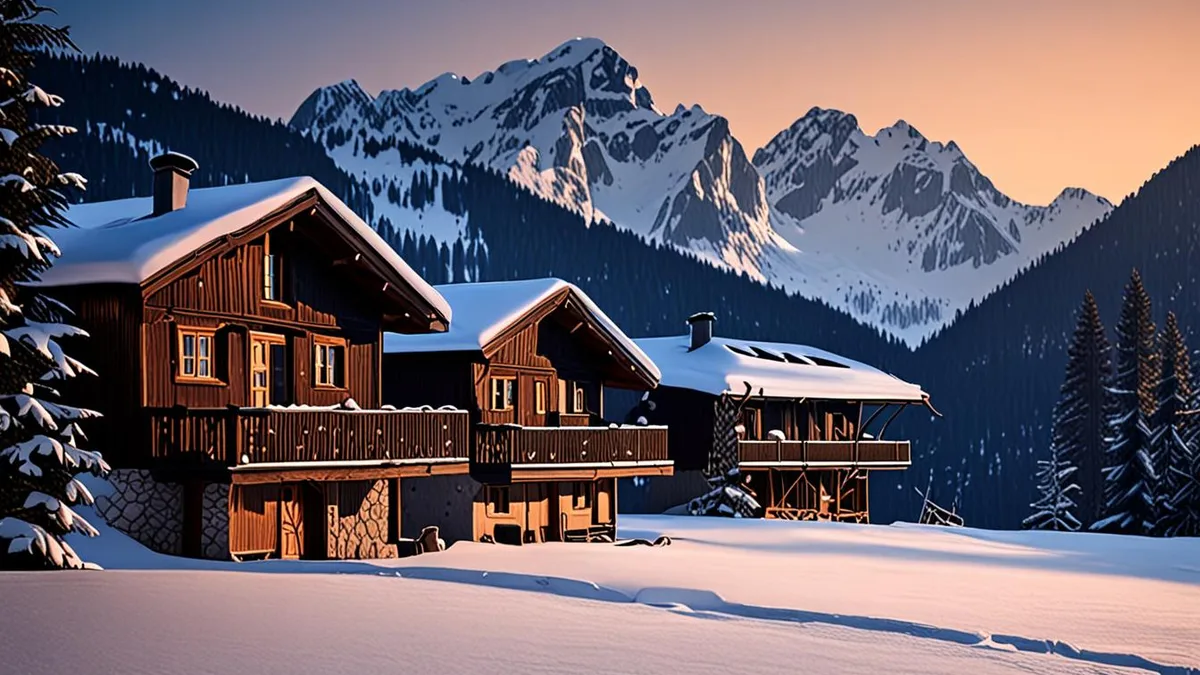
A chalet is traditionally an alpine timber house, built to handle serious mountain weather. Its defining feature is a steep pitched roof that sheds heavy snow, paired with thick, insulated timber walls. This design is common throughout the Alps, where chalets have been the standard mountain home for generations. When you book a chalet, you’re usually booking a multi-storey house in a mountain resort or village.
The classic lodge
A lodge is usually a single-storey or low-rise wooden cabin, and its setting matters more than its height. Lodges are built into lakeside, forest, coastal or parkland landscapes, often arranged as individual units on a larger site. You’ll find them beside fishing lakes, on the edge of national parks and along quiet stretches of coast.
That’s the other key difference: chalets are tied to mountain destinations, while lodges appear across very different landscapes. You can stay in a lodge by a Norwegian fjord or on a Canary Islands coastline, but a true chalet almost always means you’re heading for the snow line. If a listing calls a lakeside cabin a chalet, the label is doing marketing work rather than describing the building.
Structure, Space and Layout Differences
The internal layout is where the two types diverge most clearly, and it directly affects how many people you can comfortably host. Chalets are built like family homes, with space spread vertically across several floors. A typical chalet offers 3–5 bedrooms, which makes it well suited to groups of 6–12 sharing one property, whether that’s two families or a large group of friends on a ski trip.
Lodges work the opposite way. They’re usually compact, 1–3 bedroom units arranged side by side across a site rather than stacked into floors. That keeps each unit private and self-contained, which suits couples and small families far better than a shared house.
The features inside also reflect each building’s origins. Chalets were designed around winter living, so they come equipped for wet boots and cold days. Lodges are designed around outdoor enjoyment in milder months, so the good stuff tends to be outside. Look for these differences when you read a listing:
- Boot rooms and drying areas: common in chalets, giving you somewhere to leave wet ski gear, gloves and boots overnight so they’re dry by morning.
- Saunas: a classic chalet feature in the Alps, ideal after a day on the slopes and often included in higher-end properties.
- Outdoor decking and terraces: standard on lodges, built for morning coffee with a lake view or an evening outdoors in warm weather.
- Hot tubs: far more typical of lodges, usually private and positioned on the deck to make the most of the natural setting.
Catering: Self-Catered Lodge vs Hosted Chalet
Catering is one of the biggest practical differences between the two, and it shapes your whole daily routine. Most lodges are fully self-catering, which means you get a complete kitchen and you’re responsible for shopping and cooking yourself. That’s part of the appeal: you eat when you want, cook what you want, and a lakeside barbecue or a slow breakfast on the terrace is entirely up to you. Pack for a food shop on arrival day, since lodge sites are often a drive from the nearest supermarket.
How hosted chalets work
Alpine chalets frequently come half-board, or with a live-in host who cooks dinner, especially in the winter season. After a full day on the mountain, coming home to a cooked evening meal, with no shopping trip through slushy streets, is exactly why many skiers choose a chalet over an apartment. Half-board typically covers breakfast and dinner, leaving lunch flexible on the slopes.
Self-catered chalets do exist, so don’t rule them out if you prefer cooking for yourself in the mountains. But they’re less common in peak ski weeks, when hosted stays dominate the market. If you want a chalet without catering, book early and read the listing carefully, because many operators only offer the hosted format during the busiest weeks.
Seasons and When Each Type Makes Sense
Chalets are winter-first accommodations. The alpine ski season typically runs from mid-December to early April, and most chalets are built, staffed and priced around that window. A smaller summer season runs from June to September, when the same properties cater to hikers and mountain bikers, but availability is usually thinner and some hosts take the summer off entirely.
Lodges follow a different rhythm. In most European lake, forest and coastal regions, lodge stays peak between May and September, when the water is warm enough for swimming and the trails are dry. That said, winter lodge destinations do exist, particularly in Nordic countries, where frozen lakes, snowshoe trails and northern lights hunts keep cabins busy from December onward.
The simplest way to decide is to match the accommodation type to your season and activity. If your trip revolves around snow, a chalet is almost always the better fit. If it revolves around water, trails or quiet evenings on a deck, a lodge usually wins. A few things to weigh:
- Snow sports travelers should prioritize chalets for their proximity to lifts, boot rooms and hosted dinners once the lifts close for the day. Before committing, it helps to read how to pick the right ski lodge in the Alps for your winter trip.
- Hikers and cyclists often get better value from lodges in summer, when alpine chalets may be closed or charging peak prices for a season that is not their specialty.
- Fishing and lake holidaymakers benefit from lodges positioned right on the water, often with private jetties, rowing boats or fish-cleaning facilities included.
- Shoulder-season travelers in May, late September or October may find lodges cheaper and quieter, while chalet villages can feel half-shut outside the defined ski and summer windows.
Price Ranges and Booking Lead Times
Lodges are generally the cheaper of the two, and the spread is wide enough to suit most budgets. Budget lodge stays commonly range from €60–€110 per night, which makes them realistic for couples traveling outside school holidays. Mid-range lodges, typically larger units with hot tubs, saunas or premium lakefront positions, fall between €110–€200 per night. Because you cook for yourself, food costs stay off the booking price entirely.
What ski chalet weeks actually cost
Chalets are priced per person for a week, not per night, and the figures look very different. Ski chalet weeks commonly run from €400–€1,200 per person on a half-board basis during peak winter weeks. The lower end usually means a shared-room spot in a modest property booked well ahead; the higher end buys en-suite rooms, better slopeside locations and a more experienced host. Remember that half-board covers breakfast and dinner, so you still budget for lunches and drinks.
How far ahead to book
Lead times differ sharply. For peak winter weeks, especially Christmas, New Year and February half-term, reserve an alpine chalet 4–6 months ahead, since popular hosted properties fill with returning guests first. Lodges usually need 2–3 months’ lead time for summer dates, though lakeside spots in July and August can book out earlier. If you are flexible on dates, last-minute lodge deals do appear, but relying on them in peak season is a gamble.
How to Choose Between a Lodge and a Chalet
The right choice comes down to who is traveling and what the trip is for. If you are organizing a group ski trip of six or more people, a chalet is hard to beat: multiple bedrooms across several floors, a shared living room for evenings together, and a host handling dinner means nobody gets stuck cooking for ten after a day on the mountain. The per-person pricing also makes splitting costs straightforward.
Couples and small families usually get more out of a lodge. You get privacy, a full kitchen so you can eat when and what you like, and a nature setting on a lake or forest edge rather than a resort street. For a family of two adults and one or two children, paying per person for chalet half-board rarely makes financial sense compared with a self-catered lodge night.
One warning before you book: listings often misuse both words. A “chalet” on a booking site may simply mean any wooden cabin, and a “lodge” can describe a large hotel. Verify the details rather than trusting the label:
- Check the floor plan in the listing photos or description to confirm whether you are getting a single-storey unit or genuinely multiple floors with the bedroom count you need.
- Confirm the catering arrangement in writing, because some “hosted” chalets only include breakfast, while some lodges offer optional meal add-ons you may not expect.
- Verify the actual location on a map, since “lakeside” or “ski-in” claims sometimes mean a drive or a shuttle ride away from the water or the nearest lift.
- Read recent reviews specifically mentioning noise, heating and shared spaces, which matter far more in a multi-floor chalet than in a standalone lodge.
Wrapping Up the Lodge vs Chalet Decision
If you’ve been scrolling through listings where “lodge” and “chalet” seem to mean the same thing, the distinction comes down to this: chalets are multi-floor alpine homes built around winter, often with hosted catering, while lodges are low-rise, self-catering cabins set beside lakes, forests and coastlines. The words get used loosely, so the details on the listing matter more than the label.
Three factors settle the choice: your season, your group size and your catering style. A ski trip of six or more in mid-December points to a chalet; a summer break for a couple or small family points to a lodge. Get those three answers clear and the right property type becomes obvious. If this helped you sort out your next booking, leave a comment or share the article with someone planning the same trip.