Choosing between a ski lodge vs ski hotel is one of the trickiest decisions when planning a winter trip, and many travelers book before they truly understand the difference. A lodge might look like the budget-friendly option, while a hotel promises comfort and convenience, but the reality depends on your group size, how you like to spend your evenings and how far you are willing to travel to the lifts each morning.
This guide breaks down both options in detail. We compare what each type of accommodation actually offers, run through a realistic cost comparison, and look at atmosphere, social life and access to the slopes. We also cover the best time to book and travel, so you can match your choice to your budget and skiing style. By the end, you should know exactly which base suits your next trip to the snow.
What a Ski Lodge Really Offers
A ski lodge is a self-contained timber or chalet-style building, usually sleeping between 6 and 10 guests. Each person or couple gets a private bedroom, but the kitchen, dining table and living room are shared with the rest of your group. It feels much more like a home in the mountains than a place of hospitality, which is exactly why many skiers love it.
How the self-catering model saves money
Because lodges come with a full kitchen, you cook for yourself instead of eating out every night. For groups of 6 to 10 people, self-catering typically works out at roughly EUR 25-50 per person per night, a fraction of what you would spend on restaurant dinners and hotel meals. The trade-off is that someone has to plan meals, shop for groceries and handle the washing up, so it helps to travel with people who enjoy that routine.
Location is the other thing to understand before booking. Most lodges sit slightly away from the lifts, so expect a walk, a drive or a shuttle ride of around 10-15 minutes at the start and end of each ski day. Also note that in peak weeks, lodge stays usually run Saturday to Saturday, which fixes your trip length at a full week whether you like it or not.
What a Ski Hotel Delivers
A ski hotel works very differently from a lodge. You book by the night, so you can arrive on a Tuesday and leave on a Friday if you want, and services such as daily housekeeping and front-desk support come as standard. Nobody in your group has to cook, shop or clean, and if something goes wrong with your room, there is staff on hand to fix it.
Half-board and what it really costs
Most alpine ski hotels offer half-board packages, which typically cost EUR 70-150 per person per night including dinner. That covers your evening meal, removes the need for grocery shopping and means you can eat well after a tiring day on the slopes without driving anywhere. Breakfast is usually included too, though check exactly what your package covers before you book.
Location and comfort are where hotels often justify their higher price. Ski-in/ski-out hotels sit directly on the piste and command 30-50% higher rates, but they eliminate the daily transport to the lifts entirely. Most alpine ski hotels also include wellness areas such as pools, saunas and spas, which are a genuine highlight after a cold day outside and something a self-catering lodge almost never offers.
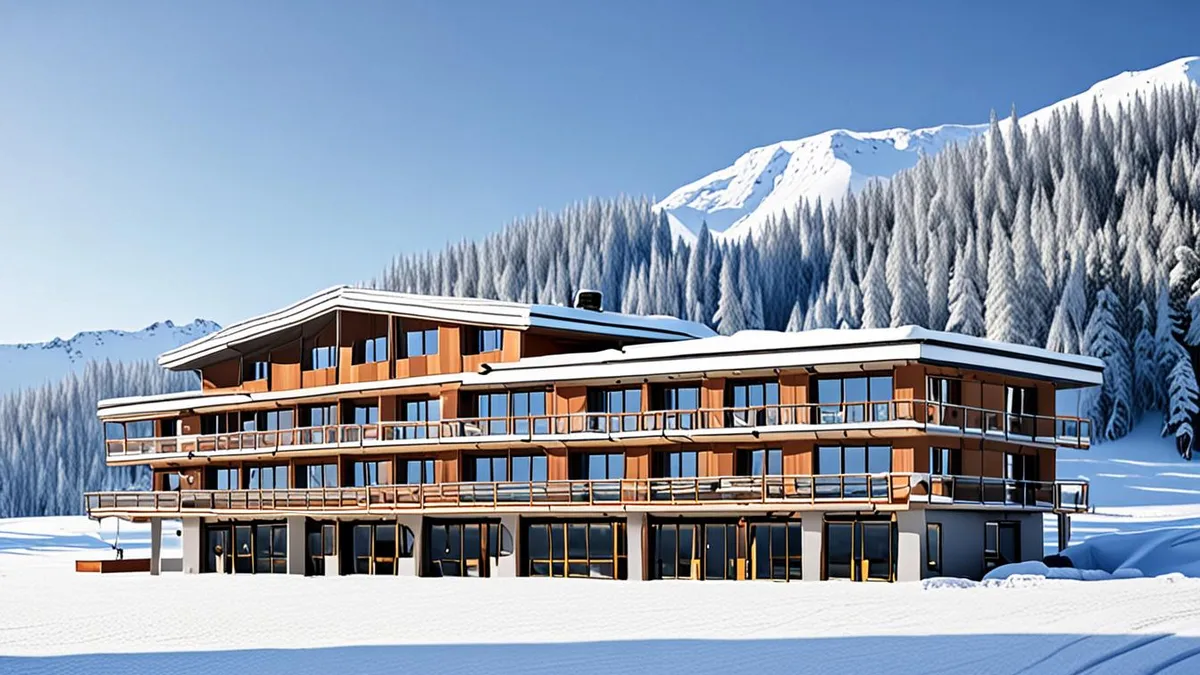
Ski Lodge vs Ski Hotel: Cost Comparison
On paper, hotels typically run 20-40% more per night than a comparably sized lodge in the same resort. For a group of 6 to 10 people, the maths usually favors the lodge: splitting a self-catering chalet-style building between everyone almost always beats paying EUR 70-150 for half-board, and the gap widens further over a full week. Cook a few big dinners together instead of eating out, and the saving becomes large enough to cover lift passes for part of the group.
For solo travelers and couples, the picture often flips. Lodge minimum stays assume full occupancy, so a small group ends up paying for beds nobody uses, and a hotel room for two frequently works out cheaper overall. Before you commit either way, factor in the hidden costs that a lodge price tag does not show:
- Groceries and drinks: a week of self-catering for a large group means a serious supermarket shop, plus wine and snacks for evenings by the fire, none of which appear in the nightly rate.
- Ski transfers: if the lodge sits 10-15 minutes from the lifts, you may need an airport or resort transfer service that hotels near the gondola never require.
- Car rental and winter gear: driving to the lifts means renting a car fitted with winter tires or chains, plus paying for parking, which adds a daily cost to your lodge budget.
Run the numbers for your own group size before booking. A spreadsheet with the nightly rate, food budget and transfer costs takes ten minutes and usually settles the lodge-versus-hotel debate on its own.
Atmosphere and Social Life
The biggest difference between a lodge and a hotel often has nothing to do with price and everything to do with who you share your evenings with. A lodge gives your group a private living room, a log fire and a dinner table that belongs entirely to you. If the plan is cooking together, playing cards until late and laughing over the day’s falls on the piste, that shared space is exactly the point. You are not there to meet strangers; you are there to spend a week with your own crowd.
Why travelers pick a hotel for the social side
Hotels flip that dynamic. There is a bar with other guests to talk to, staff on hand all day if something goes wrong, and no pressure to organize anything yourself. If you are traveling solo or as a couple and enjoy chatting with people from other countries over an après-ski drink, a hotel makes that easy. Many alpine hotels also run their own evening entertainment, which keeps things lively without you lifting a finger.
Couples chasing a quiet, romantic base often prefer a smaller lodge over a busy hotel lounge. You get privacy, a fire and no noise from the bar downstairs. If that sounds like your kind of trip, have a look at romantic lodges in Sweden made for couples for inspiration.
Families with children usually get more out of a hotel. Kids’ menus, flexible meal times and staff who can warm a bottle at 7 pm take real pressure off parents. In a self-catering lodge, those jobs fall on you, which works for some families and exhausts others.
Location and Access to the Slopes
Location is where the lodge-versus-hotel decision gets practical fast. A ski-in/ski-out hotel puts the piste at your doorstep, so you click into your bindings steps from your room. Most lodges, by contrast, are set a little away from the lifts, which usually means a walk, drive or shuttle ride each morning. That may sound minor, but with ski boots, poles and children in tow, it adds up over a week.
Convenience has a price tag. A piste-side location can add 30-50% to nightly rates compared with accommodation a short distance from the lifts, so it is worth deciding honestly how much that morning walk bothers you. If your budget is tight, a lodge farther out plus a bit of daily logistics often wins. If you would rather pay for zero hassle, a slope-side hotel earns its premium.
Before booking a lodge, ask two questions: is a shuttle included, and do you actually need a rental car in winter conditions? Mountain roads with snow and ice are not for everyone, and a car you never use is wasted money. Hotels near gondola stations remove the whole morning routine of driving and parking while carrying ski gear, which is a genuine quality-of-life upgrade.
- Shuttle schedules matter: some lodges run a free bus at fixed times, so a late return from the slopes could mean a long wait or an expensive taxi.
- Winter tires and parking: if you rent a car for a lodge stay, confirm it comes with winter equipment and that the lodge has covered parking, since snow and ice are the norm in the season.
- Luggage and gear transfer: lodges away from the piste mean hauling skis, boots and bags from car to door, so check how far the parking is from the entrance.
- Gondola-adjacent hotels: staying near a lift station also makes half-days easier, since you can ski a few hours in the morning without committing to a full day’s logistics.
When to Book and When to Travel
Timing your booking matters as much as choosing the right property. For Christmas, New Year and February half-term, book 4-6 months ahead; both lodges and hotels sell out first in those weeks, and the best-value rooms and cabins go earliest. Leave it late and you will be choosing from whatever is left, usually at the top of the price range.
Quieter weeks, lower prices
January and late March are the sweet spots for value. Rates drop, the slopes are noticeably quieter, and 1-2 months’ notice is often enough to find good availability. If your dates are flexible, shifting your trip by a single week out of the school holidays can change both the price and the atmosphere of the whole holiday.
Keep the accommodation type in mind when you plan. Many chalet-style lodges rent Saturday to Saturday for a full week in peak season, which fixes your trip length and rules out midweek flights. Hotels are far more flexible, allowing shorter stays and midweek arrivals, which can also mean cheaper lift passes and transfer options. If you want a shorter or off-peak break, a hotel is usually the easier booking.
The alpine season runs roughly December to April, with the best value typically found in January. For ideas beyond the big-name resorts, this guide to winter lodges in Sweden for snow travelers is a good starting point. Whenever you travel, check current prices and availability directly with operators, since they shift with the snow forecast and demand.
Choosing the Right Base for Your Winter Trip
The right choice comes down to who you are traveling with and how you like to ski. Groups of 6-10 usually get the best value and atmosphere from a shared lodge, while couples, solo travelers and families who want daily services and slope-side convenience will feel more at home in a ski hotel.
Budget matters too. Compare the 20-40% hotel premium against the lodge extras you would pay for yourself, like groceries and transfers. Whichever you pick, booking 4-6 months ahead secures the best rates for peak winter weeks. If this helped you decide, leave a comment or share the article.