Amsterdam hotels near canals are easier to choose once you realize the canal ring is not one uniform place. On a map, the waterways look seamless, but each district around them offers a different atmosphere, price level and walking distance to the main sights. The postcard stretch along Herengracht and Prinsengracht is not the same experience as the smaller canals of the Jordaan, and neither feels like De Pijp further south.
This guide breaks the choice down area by area. We compare the classic Grachtengordel, the village-like Jordaan and the budget-friendly De Pijp, then look at when to book, how to weigh canal views against a quiet night’s sleep, and which area matches your trip style. By the end, you should know exactly where your money is best spent.
Grachtengordel: The Classic Canal Ring
The Grachtengordel is the Amsterdam you have seen in every photograph: a 17th-century ring of elegant canals running along Herengracht, Keizersgracht and Prinsengracht, arched bridges included. The area is a UNESCO World Heritage site with about 17 km of waterways, and staying here puts you right inside the postcard. Most hotels in this district sit within a 10–15 minute walk of Dam Square, so sightseeing rarely requires public transport.
What you will pay
This is the most sought-after address in the city, and the rates reflect it. Expect the highest prices in Amsterdam, typically €150–€300 per night in high season, with premium water-facing rooms at the top of that range. If your budget stretches this far, few places in Europe let you sleep this close to world-famous scenery.
Getting the right room
Not all rooms in a canal hotel are equal. When booking, ask specifically for a room facing the water, either at the back or the front of the building. Street-facing rooms can be noisy until late, especially on weekends, when terraces and passing cyclists keep the streets lively. If the hotel cannot promise a water view, a rear room is usually the safer pick.
The Grachtengordel is best suited to first-time visitors who want classic canal views and everything walkable. If that sounds like you, book early and be specific about the room you want.
Jordaan: Village Feel on Smaller Canals
The Jordaan sits just west of the main canal ring, where the waterways narrow and the buildings shrink with them. Courtyard houses, small bridges and quiet side canals give the neighborhood a residential feel that the Grachtengordel cannot match. It is less touristed, too, even though the Anne Frank House sits on its edge.
Why couples love it
This is the district for slow travelers. Independent boutiques, art studios and brown cafés line the streets, and the Saturday Noordermarkt draws locals for organic produce and flowers. For couples, an evening stroll along a small canal with barely another soul around is exactly the romantic Amsterdam people hope for. Rooms here often cost 10–20% less than the main canal ring for a very similar central location, which makes the trade-off even easier.
What to check before booking
The charm comes from small, historic buildings, and that has practical consequences. Many Jordaan hotels have few or no lifts, and rooms tend to be smaller than in larger modern properties elsewhere. If space matters to you, check the stated room size in square meters before booking rather than relying on photos. A cozy room on a quiet canal can be wonderful, but a cramped one after a long flight is less so.
If your ideal trip involves long café mornings, market browsing and evenings that end early, the Jordaan is likely your match.
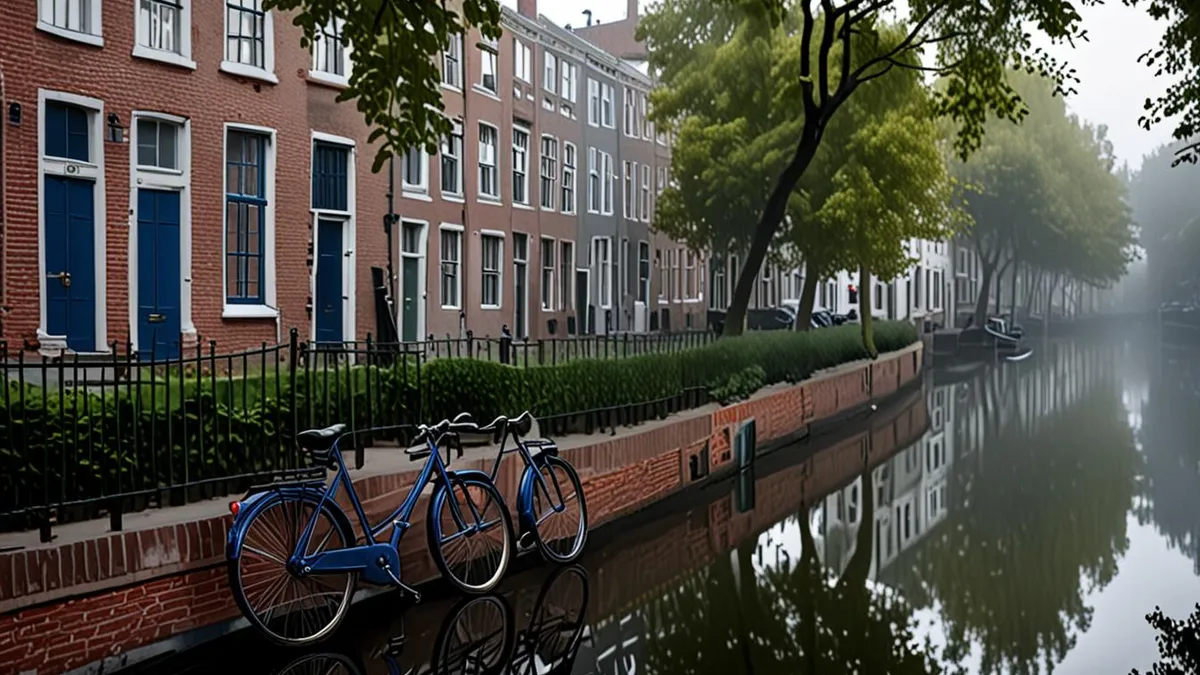
De Pijp: Budget-Friendly and Local
De Pijp sits south of the canal ring, roughly 15–20 minutes by tram from the center. That extra distance comes with a clear reward: noticeably lower rates than the canal districts, often for rooms that are larger and more modern. For travelers watching their budget, this is the neighborhood where the nightly price starts to make real sense.
Food and market energy
De Pijp is one of the city’s best eating districts. The Albert Cuyp Market runs through its heart, and the surrounding streets hold a dense strip of cafés, restaurants and bars, from Dutch pancake houses to spots serving food from around the world. Younger travelers tend to feel at home here, and the atmosphere works well for longer stays where price per night matters most. Having a kitchen-equipped apartment or a hotel near this food scene can save real money over a week.
One thing to verify
Canal frontage is limited in De Pijp, so do not assume you will get water views just because the listing mentions canals. Some properties sit on small waterways, others on ordinary streets. Verify the exact address on a map before booking, and check which side of the building your room faces if a view is important to you.
If you would rather spend your money on meals and experiences than on an address, De Pijp delivers Amsterdam’s best value without cutting you off from the center.
When to Book Amsterdam Hotels Near Canals
Amsterdam’s canal-side hotels rarely stay cheap for long, and rates can shift noticeably from one week to the next. Since the canal ring is a UNESCO World Heritage site spanning about 17 km of waterways, demand for rooms along the water stays strong nearly year-round, and last-minute bargains are uncommon. Timing your booking matters as much as choosing the right neighborhood, especially if your heart is set on a room overlooking the water. A little planning goes a long way here, and the strategies below can easily save you a significant chunk of your accommodation budget.
- Book 3–6 months ahead. This window usually secures the best canal-side rates before demand tightens. It matters most for April–August stays, when the city fills up and prices climb steadily as summer approaches.
- Avoid the yearly price peaks. King’s Day on 27 April turns the whole city into one street party, and hotels raise their rates accordingly. Major conference weeks have a similar effect, so check the events calendar before locking in dates.
- Consider the low season. Between November and March, excluding holidays, rates can drop 20–30% while availability stays just as good. Pack a rain jacket and you may get the same canal views for a fraction of the summer price.
- Pay for flexible cancellation. Amsterdam’s rates move quickly, and a booking you can change or cancel for a small premium often saves money in the end. If prices dip after you book, you can rebook at the lower rate.
One last practical note: set a price alert for your dates if the booking platform allows it, and compare a few platforms before committing. Canal-side rooms in popular areas can sell out months ahead, so once you find a good rate with free cancellation, it is often smart to grab it and keep watching. If a better deal appears later, rebooking is painless when you chose a flexible option. And if your dates are flexible by even a few days, shifting your stay away from a weekend or a public holiday can make a visible difference in the nightly rate.
Choosing Between Canal Views and Quiet Rooms
Not every canal-district room is created equal, and the difference between two rooms in the same hotel can be bigger than the difference between two hotels. Before you book, think about what matters more to you: waking up to the water or sleeping through the night. Both are valid choices, but they rarely come in the same room at the same price.
Water-facing rooms command a premium, and hotels know it. Rear rooms on inner courtyards are usually quieter and cheaper, and in older canal houses they can be surprisingly charming, with views over gardens and rooftops instead of tourists taking photos below your window. If a water view is non-negotiable for your trip, expect to pay for it and book early.
- Expect street noise on canal-side rooms. Bicycle bells ring from early morning until late, terraces fill up in warm weather, and weekends bring the most late-night chatter. Ask specifically for a room not facing a terrace if you book a front room.
- Choose upper floors with double glazing. These rooms balance views and sleep quality better than ground-floor street rooms. You still hear the city, but it fades to a murmur once the window closes.
- Check the breakfast situation. Some canal-district hotels serve a full breakfast, while others rely on nearby cafés, and options vary widely from street to street. If breakfast matters, confirm it is served on-site before booking rather than assuming.
- Read recent reviews for noise complaints. Guests often mention specific rooms, such as those above a bar entrance or next to a bridge. Two reviews mentioning the same room type is a useful warning sign.
If you are torn, a good compromise is a water-facing room on a quiet side canal rather than a main canal like Herengracht. You still get the postcard view, but with far less foot traffic passing beneath your window. Side canals also tend to have smaller bridges and fewer tour boats, which means the noise level drops noticeably after dark. When in doubt, email the hotel directly and ask which rooms they would recommend for light sleepers; front desk staff usually know exactly which rooms to avoid and are happy to note your preference on the reservation.
Matching the Area to Your Trip Style
The best area for you depends less on the canals themselves and more on how you travel. A first-timer, a couple on a weekend break and a budget traveler on a two-week trip all want different things from the same city. Amsterdam is small enough that no choice is a disaster, but the right base makes every day smoother, so it pays to think about your priorities before booking: sightseeing efficiency, atmosphere, food, or price.
- First-timers: Grachtengordel. The classic canal ring puts you close to Dam Square and the main sights, so you can explore on foot all day without relying on trams. You pay a premium for that location, but you save time and transport costs, and stepping out of your hotel straight onto a canal is hard to beat.
- Couples: Jordaan. The village-like atmosphere, small boutiques and café terraces suit a romantic trip, and rooms often cost 10–20% less than the main canal ring. The Saturday Noordermarkt makes a lovely slow morning, and evenings here feel more local than touristy.
- Budget and food-focused travelers: De Pijp. The Albert Cuyp Market and the dense strip of cafés and restaurants give you plenty to eat and see, at noticeably better nightly rates. The tram ride to the center takes roughly 15–20 minutes, which is a fair trade for the savings.
- Repeat visitors: Plantage or Eastern Islands. These areas offer green space near the canals without the crowds of the ring. They suit travelers who have already seen the postcard sights and want a calmer, leafier base with easy access back to the center.
Whichever area you choose, spend a few minutes checking how you will actually spend your days. If your plans revolve around museums and the historic center, stay close to them; if they revolve around markets, food and neighborhood wandering, the outer districts will serve you better and cost less.
Wrapping Up Your Canal District Choice
So which canal district suits you? If you want the postcard Amsterdam experience and don’t mind paying for it, the Grachtengordel delivers the classic canal ring at the highest prices. The Jordaan trades some of that polish for village charm and rooms that often cost 10–20% less, while De Pijp suits budget travelers and longer stays, sitting roughly 15–20 minutes by tram from the center.
Whichever area you choose, timing matters as much as location. Booking 3–6 months ahead and traveling in low season keeps canal-area rates manageable, even in a city where prices move quickly. Match the neighborhood to your trip style, check the room details before you commit, and you’ll get the Amsterdam you were hoping for. Have a favorite canal district, or a question about your trip? Leave a comment or share this article with a fellow traveler.