With hundreds of fjord-side places to stay, how do you find the Norway fjord lodges that actually deliver the postcard view from your window? Many listings claim “stunning fjord views,” but some face a parking lot, sit too far back from the water, or hide the panorama behind a row of trees. The difference between a mediocre room and a jaw-dropping one often comes down to orientation, location and timing.
This guide walks you through what makes Norway fjord lodges worth the splurge, which regions offer the best scenery, and when to book for the ideal mix of views and prices. You’ll also find realistic price expectations, practical tips for spotting a genuinely view-rich lodge, and advice on getting there and pairing your stay with scenic rail and ferry routes. By the end, you’ll know exactly how to choose a lodge where the view does the talking the moment you open your curtains.
What Makes Norway Fjord Lodges Worth the Splurge
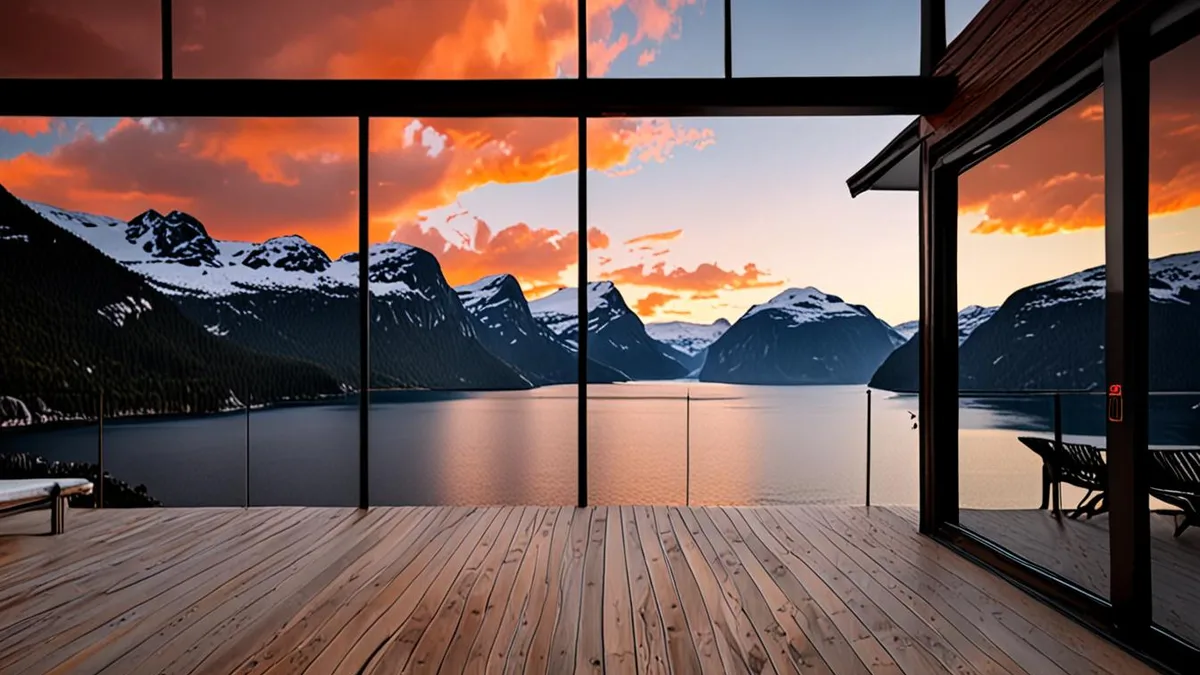
The single biggest factor behind the price of a fjord lodge room is not the spa, the restaurant or the room size. It is the window. Floor-to-ceiling or panoramic glass facing the water costs a premium, and lodges know travelers will pay for it. That means your booking strategy should be simple: prioritize orientation over amenities. A modest room with a wall of glass pointed straight at the fjord beats a fancy suite looking inland.
Location within the fjord matters just as much. Lodges inside the UNESCO-listed Geirangerfjord and Nærøyfjord command the highest rates in the country, but they also put you in the heart of the scenery everyone comes to see. Waterfalls, sheer cliffs and cruise-ship viewpoints are quite literally outside your window. If iconic scenery is your main goal, these are the lodges worth stretching for.
The budget-friendly secret: go small
Here is a tip many travelers miss. Smaller family-run lodges often sit closer to the shoreline than large resorts, which tend to build set back from the water with gardens and parking in between. A humble guesthouse at the water’s edge can offer a more intimate, closer view than a polished hotel further up the slope, often at a noticeably lower price. When comparing options, check the distance to the shore on a map before you check the star rating.
Best Fjord Regions for View-Focused Stays
Norway’s fjords are not all the same, and the region you choose shapes the view from your window more than any individual lodge. Some areas deliver dramatic, steep-sided panoramas where waterfalls drop hundreds of meters into dark green water, while others offer gentler landscapes of orchards, fruit farms and rolling hillsides. Picking the right region first, then choosing a lodge within it, saves you from paying a premium for scenery that does not match what you pictured. Here is how the main regions compare for a view-focused stay.
- Geirangerfjord: The classic choice, famous for waterfalls like the Seven Sisters cascading down sheer cliffs. Cruise ships pass through in summer, so you can watch them glide below from your window, though that also means the area gets busy at peak times.
- Nærøyfjord and Flåm area: One of the narrowest fjords in Norway, with steep walls rising dramatically on both sides. The Flåm railway connection makes it one of the easiest fjord regions to reach by train from Bergen, ideal if you would rather not drive.
- Hardangerfjord: Known for fruit orchards that blossom in spring, this region feels softer and calmer than the UNESCO fjords. It is often cheaper too, making it a smart pick for travelers who want beautiful water views without the crowds.
- Lofoten and the northern fjords: Rugged peaks rise straight from the sea in a way western Norway cannot match. Sitting above the Arctic Circle, these areas enjoy midnight sun in June and July, so the view stays lit around the clock.
Think about the atmosphere you want before you book. Geirangerfjord and Nærøyfjord deliver the postcard image everyone recognizes, with sheer cliffs and waterfalls that photograph beautifully from a lodge terrace. Hardangerfjord rewards travelers who prefer orchards, quiet villages and a slower pace, and its softer landscape still gives you plenty of water views from your room. Lofoten, meanwhile, feels like a different country altogether: Arctic light, fishing villages perched on the shoreline and peaks that seem to rise straight out of the sea. Match the region to your priorities, and almost any well-chosen lodge within it will deliver a memorable view.
When to Book for the Best Views and Prices
Timing shapes both your view and your bill in Norway. Peak season runs from June to August, bringing the mildest fjord weather and, in northern areas like Lofoten, 24-hour daylight. The trade-off is price: lodges charge their highest rates in these months, and the rooms with the best windows go first.
The shoulder-season sweet spot
May and September are the smart traveler’s months. Rates drop noticeably, crowds thin out, and the views remain just as reliable since the fjords and waterfalls do not take a holiday. In May you often catch fruit blossoms along Hardangerfjord, while September brings autumn colors to the hillsides. For most travelers chasing views on a sensible budget, these two months hit the balance perfectly.
Whenever you aim to travel, book early. Reserve fjord-view rooms 3 to 6 months ahead for summer stays, because the best-orientated rooms sell out first. A lodge may still show availability in August, but by then the remaining rooms are often the ones facing away from the water. Lock in your window early, and the view is one travel detail you will not have to gamble on.
What You Can Expect to Pay
Fjord lodges in Norway are not cheap, but the spread between budget and premium is wider than most travelers expect. For a standard double room, plan on roughly 1,200 to 3,500 NOK per night. The lower end of that range typically gets you a clean, comfortable room that may or may not face the water, while rooms with floor-to-ceiling fjord views sit at the top of the range and sometimes above it.
The good news is that price and view quality do not always move together. Cabins and self-catering lodges are often the smartest choice for families or anyone staying more than a few nights. You pay less per person, get a kitchen to cut food costs, and many of the best-located cabins sit right at the shoreline with their own terrace facing the water.
Timing matters just as much as room type. The same room that commands peak rates in July can sit noticeably below that price in May and September, when crowds thin out and the scenery is still in full form. Before you book, it helps to know which room categories actually deliver the view you are paying for:
- Standard double rooms at the lower end of the price range often face inland or toward the parking lot, so confirm the orientation before assuming any room in the lodge has a fjord view.
- Premium view-facing rooms usually cost the most within a lodge, and at the most sought-after properties they can exceed the typical range entirely, especially for rooms with direct water frontage.
- Cabins and self-catering lodges let you split costs across a family or group, and having a kitchen means you can cook rather than pay lodge restaurant prices for every meal.
- Shoulder-season bookings in May and September can bring the same room type down noticeably below peak-season rates, effectively letting you buy a view room for the price of a standard one.
- Longer stays in a self-catering lodge often work out cheaper per night than repeated hotel bookings, which matters if you are planning a week or more along one fjord.
How to Spot a Genuinely View-Rich Lodge
Not every lodge that promises “stunning fjord views” actually delivers them from your bed or balcony. Some properties sit back from the water, have their best angles blocked by trees, or reserve the true panorama for the lobby rather than the guest rooms. Others photograph beautifully but turn out to face a service road or a neighbor’s boathouse. A few simple checks before booking will save you from paying a view premium for a parking lot.
- Study guest photos, not the gallery. Marketing shots are taken from the single best angle on the property, often with a wide-angle lens. Guest photos show what the view actually looks like from ordinary rooms, in ordinary weather, and they reveal obstructions the lodge would rather you didn’t notice. Pay attention to recent uploads, since renovations and new construction can change a view from one year to the next.
- Search listing text for the right keywords. Terms like “fjord-side”, “waterfront” and “panoramic” signal genuine proximity or orientation, while vague phrases such as “close to the fjord” or “fjord area” can mean a drive or a hike to the shoreline. Read the fine print on room categories too, because a lodge may offer both view rooms and standard rooms at very different rates.
- Verify the location on a map. Zoom in and check the elevation and the distance from the building to the shore. A lodge perched a few meters above the waterline will look very different from one halfway up a hillside, and both are worth knowing about before you commit.
- Think about which way the rooms face. South- and west-facing rooms catch the best evening light over most western fjords, which matters if you plan to sit by the window with dinner as the light softens. East-facing rooms, on the other hand, reward early risers with misty morning scenes on the water.
- Ask the lodge directly about your specific room. A short email asking whether your chosen room number faces the water can settle the question in a way no listing description will. Most small lodges answer quickly and are happy to confirm, and their reply is something you can reference if anything is disputed at check-in.
Doing this homework takes perhaps twenty minutes, and it is the difference between a room where the fjord fills the window and one where you crane past a tree to glimpse it. Travelers who check guest photos and map positions consistently end up happier with what they paid for, and in a destination where the view is the whole point, that check is the most valuable step of the entire booking process.
Getting There and Pairing Your Stay
Most travelers arrive in Norway through Bergen, and it works naturally as a fjord lodge base for planning purposes. The city sits roughly 2 to 3 hours’ drive from major fjord areas like Voss and the Nærøyfjord, which means you can land, pick up a car, and be watching the water from your lodge terrace the same evening. Bergen itself is worth a day or two, but the fjords are the reason you came, and the drive out of the city is already scenic.
Why a rental car opens up the best lodges
Public transport in fjord country connects the main towns well enough, but many of the most view-rich lodges are small family-run places sitting directly at the shoreline on quiet stretches of road. Buses and trains rarely stop at their doorsteps, and a taxi from the nearest town can get expensive in remote areas. Renting a car gives you access to these small shoreline lodges, plus the freedom to chase light and weather, pull over at viewpoints, and stock up on groceries for a self-catering cabin. Roads along the fjords are generally good, though narrow in places, so build in extra time rather than trusting straight-line distances.
Seeing the fjord from both land and water
A lodge stay pairs beautifully with a scenic rail or ferry leg. The train journey between Bergen and the Flåm area is one of Norway’s famous rail experiences, and car ferries cross and cruise several of the western fjords, letting you look up at the cliffs you have been looking down at from your window. A simple pattern that works well: drive to your lodge and use it as a base for a few nights, then continue your route by rail or ferry for a leg of the trip before picking up transport back. You get the intimacy of waking up beside the water and the perspective of seeing the same peaks from sea level, which honestly changes how you understand the landscape. Check current timetables with the operators before you travel, since ferry and rail schedules vary through the year.
Wrapping Up Your Fjord Lodge Choice
Norway offers no shortage of fjord-side lodges, so narrowing down the ones that genuinely deliver a postcard view comes down to a few simple filters. Start with the region itself: Geiranger and the Nærøyfjord for the iconic UNESCO-listed scenery, Hardangerfjord for quieter, often better-value stays, and Lofoten if you want rugged peaks rising straight out of the sea above the Arctic Circle. Each area has its own character, so think about whether you prefer classic panoramas, gentler orchard landscapes or dramatic northern light.
Once you have a shortlist, take a closer look at how each lodge actually sits on the water. A property positioned right at the shoreline, with rooms facing the fjord rather than the parking lot, will reward you every time you draw the curtains. Cross-check recent guest photos against the lodge’s own descriptions, since real travelers tend to show the view exactly as it is. Do that homework, and the scene outside your window should look very much like the brochure promised. If this helped you plan your fjord trip, leave a comment or share the article.