You’ve found a villa that promises ski-in ski-out access, only to arrive and discover the lifts are a ten-minute walk down an icy road, or worse, a shuttle bus ride away. It’s one of the most common disappointments in winter travel, and it happens because the term gets stretched to cover almost any property near a mountain.
Genuine ski-in ski-out villas are scarcer than listings suggest, and knowing how winter villa access actually works helps you spot the difference before you pay. In this guide, we explain what the term really means, how slope access holds up through the season, and how altitude affects snow reliability. We also cover when to book, what these villas typically cost compared to standard chalets, how to verify a listing against the resort’s piste map, and which types of travelers get the most out of true piste-side accommodation.
What Ski-In Ski-Out Villas Actually Mean
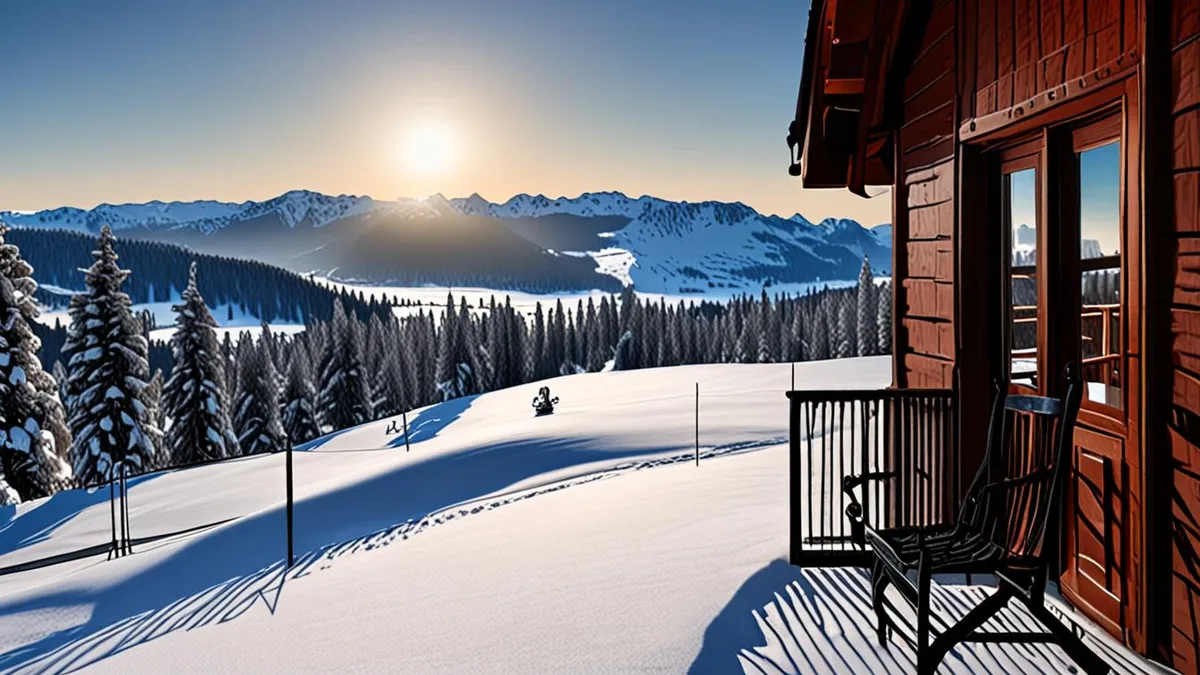
True ski-in ski-out means exactly what it sounds like: the piste reaches the villa door. You ski down to your terrace, click out of your bindings, and you’re home. On the return side, a genuine property lets you finish a run within roughly 50-100 meters of the door, so the morning routine is boots on, skis over the shoulder, and a few strides to the snow.
Why so many listings stretch the term
The problem is that the phrase has become marketing shorthand. Many listings use it to describe slope-side properties that border a run but sit several hundred meters from the nearest lift, ski-bus properties with a stop outside the gate, or simply villas within a short walk of the village. Some of these are excellent choices, but they aren’t ski-in ski-out, and the difference shows up every single morning when you’re hauling gear instead of gliding to a lift. Always check the exact distance to the nearest lift, and treat anything described as “near the slopes” with healthy skepticism.
One more question to ask
Access can also work differently on foot than on skis. Some villas connect to the piste but have no practical walking route to the village, which matters if anyone in your group plans to browse shops, visit a restaurant, or skip a ski day. Ask whether access is on skis only or whether a groomed path also allows walking to the village in ski boots. That single question often separates the truly convenient properties from the ones that look great in photos.
How Winter Villa Access Works on the Mountain
Slope access has two directions, and both need checking. On the ski-in side, the villa sits beside a piste or a short blue run that connects to the main lift network. Ideally, that connection is an easy run most of your group can manage at the end of the day, because finishing a ski-in with a steep or icy descent is less charming than it sounds.
The morning ski-out
The ski-out side is where properties more often fall short. Morning access usually depends on a home run or a dedicated path to a lift station, and that route is typically the first thing a resort grooms and the first thing thin snow affects. Ask the owner or operator exactly which run or path serves the villa in the morning and how low-snow weeks change it.
Snow reliability through the season
Snow reliability matters more for villas than for hotels because your entire value proposition is direct slope access. Properties above 1,500 m keep access open most reliably from January to March, when high-altitude snow cover is at its most dependable. Lower villas can lose their slope connection much earlier in a warm season.
It’s also worth knowing that some villas lose slope access in warm late-March weeks when lower runs close, shifting them to shuttle-only operation. A villa that offers genuine piste-to-door skiing in February can become an ordinary shuttle property by the end of the season, so if you’re traveling after mid-March, ask directly whether the home run has stayed open in recent warm springs.
Choosing the Right Resort and Altitude
Altitude is the single biggest factor in whether a villa’s slope access survives your travel dates. High-altitude villages above 1,500 m suit February and March trips best, because snow cover at that elevation is the most dependable in the European season. If your holiday falls after New Year, choosing a high village dramatically reduces the risk that your “ski-in ski-out” villa turns into a walk-to-the-road property.
Lower valley villas cost less, and in December or early January that trade can make sense. But once mid-March thaws begin, lower runs close first, and these properties often rely on ski buses for the rest of the season. Budget the extra morning time and the shuttle schedule into your decision, not just the price.
Match the ski area to your group
The right resort also depends on who is skiing. Beginners need gentle nursery slopes near the villa, and mixed groups need linked lift networks so nobody spends the week waiting at meeting points. Before booking, look at how the villa’s home run connects to the wider area:
- Beginner families: Look for villas bordering nursery slopes or easy blue runs, so children can ski home without navigating busy main pistes at the end of the day.
- Mixed-ability groups: Check that the villa sits on a route connecting beginner areas with lift hubs serving advanced terrain, so stronger skiers aren’t retracing long easy runs to get home.
- Non-skiers in the group: Confirm the villa has a practical walking route to the village, since slope-only access leaves anyone skipping the ski day stranded or dependent on lifts.
When to Book and What Ski-In Ski-Out Villas Cost
Timing matters more with ski-in ski-out villas than with almost any other accommodation type, because demand for direct piste access is intense and supply is limited. The weeks around Christmas, New Year and February half-term sell out first, and the best slopeside villas are often reserved a full season in advance. For these peak weeks, plan to book 6-9 months ahead to have a realistic choice of properties rather than whatever is left.
Why off-peak weeks are the smart traveler’s secret
If your dates are flexible, January and mid-March weeks typically cost roughly 30-60% less than peak season. Availability is also far easier: booking 2-3 months out is often enough for these quieter stretches. As a bonus, January usually brings the most reliable snow and emptier slopes, while mid-March offers longer daylight and milder mornings on the terrace.
Be prepared for a premium over a standard chalet of the same size. Direct piste access is genuinely scarce in most resorts, and owners know it, so comparable villas with true slope access can command noticeably higher weekly rates. Treat that premium as the price of skipping the morning drive and boot-room queues.
Before you commit, confirm exactly what the quoted weekly rate includes. Heating can be a significant extra in winter, hot tub upkeep is sometimes billed separately, and final cleaning fees occasionally appear only at checkout. Ask for a full cost breakdown in writing so the headline price matches what you actually pay.
Checking Villa Listings Before You Pay
Listings photos can flatter a property, so verify every access claim before paying a deposit. The most reliable check is the resort’s own interactive piste map: pull it up, find the villa’s approximate position and see whether a named run genuinely borders the property. If the nearest piste looks closer to the road than to the villa, ask questions. A property can look slope-adjacent from an angle that hides a service road or a car park in between.
Then get specific with the owner or agency. A short phone call or email exchange will usually reveal whether the marketing matches reality, and any hesitation about simple questions is a signal worth noting. Honest operators answer these details quickly:
- Photos of the exact ski-out route: request images taken mid-winter, not autumn shots, so you can see whether the path is groomed, steep or icy in practice.
- Low-snow performance: ask what happens to the route in lean weeks, since some villas lose slope access entirely and fall back on shuttle buses.
- Boot-room and drying facilities: confirm there is heated storage for skis and boots, plus racks or a drying room for gloves and outerwear, so gear is ready each morning.
- Non-skiing guests: check whether walkers can reach the village safely on foot or by shuttle, and whether the villa has spa facilities, a good lounge or views to keep non-skiers happy.
Finally, measure the walking distance to the nearest lift rather than trusting the description. As a rule of thumb, anything 500 m or more from a lift is usually a slope-side or ski-bus property, not true ski-in ski-out. If the listing is vague about meters, ask for the figure directly, and compare the answer against the piste map yourself before you commit to a deposit.
Who Ski-In Ski-Out Villas Suit Best
The appeal of stepping out of the door and onto the piste is universal, but different travelers get very different value from it. The guests who benefit most are those who lose the most time to the traditional villa routine: parking, shuttles, gear hauling and waiting at busy lift stations.
Families and mixed groups
Families with young children gain the most obvious wins. Instead of driving to parking each morning, you carry gear a few meters from boot room to snow, which means less wrangling of poles, sleds and small children in bulky clothing. It also makes lunch-at-home days easy: a parent can ski back with a tired child without organizing a shuttle.
Groups of mixed abilities save time when the villa sits between beginner slopes and advanced lift hubs. Less confident skiers can reach gentle nursery runs without committing to the main network, while stronger skiers head straight to the lift hubs for the bigger terrain. Nobody waits in the villa for a bus, and the group can regroup at the door at the end of the day.
Couples chasing quiet luxury
Couples after a serene, high-end week should target January. Slopes are typically at their emptiest, rates dip well below peak levels, and the hot tub and terrace feel properly private. Pair a January date with a high-altitude resort and you get reliable snow, quiet runs and a luxury villa at its best, all in one booking.
Wrapping Up Your Ski-In Ski-Out Villa Search
Most ski-in ski-out disappointments come down to one thing: the label was stretched. A genuine doorstep property has a piste that starts or ends just a few steps from the villa door, so verify every listing against the resort’s piste map before you pay. Anything a shuttle ride or long walk from the lifts is a different kind of property, and it should be priced and described as such.
Once you find a genuine one, timing matters. Book 6-9 months ahead for peak weeks, and target January or high-altitude resorts above 1,500 m for the most reliable snow. Finally, match the villa’s slope access to your group’s ability level before committing, so beginners and experts alike can make the most of that doorstep skiing. If this guide helped you plan your trip, leave a comment or share it with your travel crew.