Anyone booking a beach or lake resort has asked the same quiet question at check-in: are the kayaks and paddleboards lined up by the pool actually free, or will they quietly appear on the final bill? Resort watersports sit in a confusing middle ground between included amenities and paid extras, and the answer often depends on the property, the equipment and even the time of day.
This guide breaks down what you can typically expect. We look at which non-motorised gear is usually included, what jet skiing, parasailing and diving realistically cost, how all-inclusive rates change the picture, and when the season is best for booking. We also share practical steps for avoiding surprise charges, from confirming inclusions in writing to handling equipment deposits, so you can budget your time on the water with confidence.
What Resort Watersports Are Usually Free
At most beach and lake resorts, the equipment you can take out yourself is the equipment that comes free. Kayaks, stand-up paddleboards and pedal boats top the list, and you will usually find them racked near the main beach or pool with a staffed watersports hut nearby. The catch is that “free” rarely means all day. Most properties run rotating sessions of roughly 30-60 minutes, so you sign up, take your turn, then hand the gear back for the next guest. It sounds restrictive, but in practice the rotation works in your favor: gear stays in good condition, nobody hogs a paddleboard for three hours, and you can simply book a second session if the queue is short.
Beach resorts typically round out the free lineup with snorkeling gear and bodyboards, though some ask for a deposit held on your card while you borrow them. Lake resorts work differently: with no surf or reef to speak of, they lean toward rowing boats and paddleboards instead, and the calmer water means sessions often run more smoothly than on the coast. A few things worth knowing before you queue up:
- Popular gear like paddleboards often runs on a sign-up sheet at the watersports hut, so mornings and late afternoons fill first.
- Life jackets are usually provided with kayaks and pedal boats, and wearing one is commonly required for children regardless of swimming ability.
- If a deposit is taken, ask whether it is a cash deposit or a card hold, since card holds can linger on your statement after checkout.
- Some resorts limit free gear to calm conditions, so a windy day can mean the hut stays closed and sessions are cancelled.
- Ask about session limits when you arrive rather than mid-paddle, so you can plan your day around the rotation instead of cutting a session short.
Motorised Watersports That Cost Extra
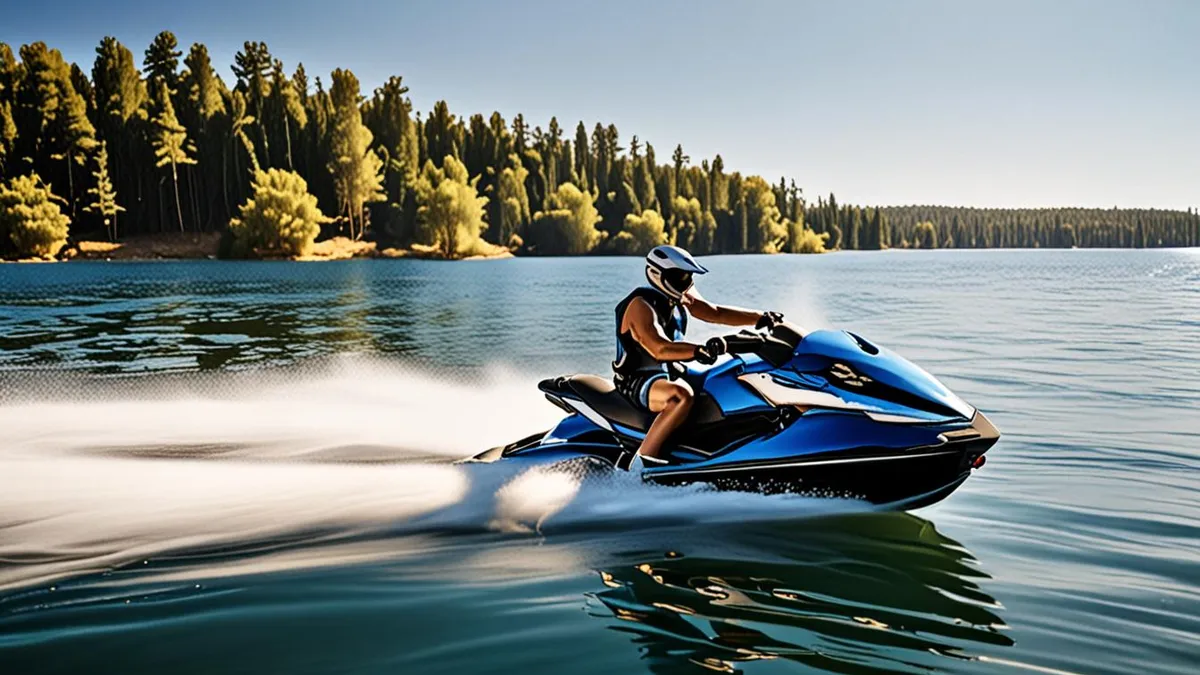
The moment an engine or a tow rope is involved, expect to pay. Jet ski rentals are the classic example, typically running €40-80 for 15-30 minutes, and prices climb at peak season when demand is highest. Most resorts either operate the jet skis themselves or host an independent operator on-site, and in both cases you will usually get a short safety briefing and a designated riding area before you set off. Ask whether fuel, life jackets and any mandatory guide time are included in the quoted price, because these details vary from one operator to the next and can change what you actually pay.
Towed activities work on a per-session or per-person basis. Water skiing, wakeboarding and banana boat rides generally fall in the €20-40 range each, with banana boats often cheaper because several people share the ride. Parasailing sits higher, generally €50-90 per person for a 10-15 minute flight behind the boat. A few practical details to check before you commit:
- Some parasailing operators set a minimum weight requirement, and solo riders below it may be asked to fly in tandem with another guest.
- Jet ski sessions often require a brief instruction run with a guide first, which can cut into your paid time on the water.
- Peak-season slots for towed activities fill quickly, so signing up at the watersports desk on arrival day improves your chances of getting your preferred time.
- Ask whether the price covers photos or video, as operators sometimes charge separately for footage of your flight or ride.
Weather matters more for motorised activities than for the free gear. Strong wind or choppy water can ground jet skis and cancel parasailing flights at short notice, so it is sensible to keep a flexible day in your plans rather than pinning your only beach afternoon to one booked slot. If your flight is cancelled, most operators will reschedule or refund, but policies differ, so confirm the arrangement when you pay rather than assuming.
Sailing, Diving and Guided Tours
Sailing sits in a gray zone between free and paid. Catamarans and Hobie Waves are frequently included at all-inclusive resorts, but at standard properties you should expect to pay roughly €20-50 per hour. Many resorts also ask for a short competency check before handing over the tiller, especially if the boat is a larger catamaran. It is usually a quick supervised sail around the bay rather than a formal test, but if you have never sailed before, budget for a paid lesson first.
Diving and certification
Scuba is nearly always a paid extra, even at all-inclusive properties. Guided dives commonly cost €50-100 per dive depending on the site and equipment, while beginner certification courses start around €300. If you are curious but not ready to commit, many dive centers offer a shallow, instructor-led discovery dive that lets you try the equipment in safe conditions before signing up for a full course.
Boat trips and cruises
Sunset catamaran cruises and guided snorkel boat trips are almost always charged separately, typically €30-70 per person. These excursions usually include a guide, transport to the snorkelling site and sometimes a drink, which is why they sit outside the standard watersports package. Book them at the activities desk early in your stay, as the popular sunset slots tend to sell out first in high summer.
How All-Inclusive and Standard Resorts Differ
The biggest difference between resort types shows up in what the room rate actually covers. All-inclusive properties typically bundle non-motorised watersports into your package, so you can grab a kayak or paddleboard whenever a slot is open without reaching for your wallet. At standard resorts, the same equipment usually sits behind a paywall, and you pay per activity or per rental session.
That said, all-inclusive does not mean everything on the water is covered. Motorised sports like jet skiing, scuba diving and any boat trip that leaves the resort’s own beach or jetty remain paid extras nearly everywhere. These activities require fuel, instructors, dive boats or external operators, so expect a separate charge even at properties that advertise free watersports as a headline feature.
Watch out for deposits on free gear
Even genuinely free equipment often comes with a catch: a refundable deposit. Resorts commonly place a card hold of €50-200 when you borrow a kayak or paddleboard, simply to make sure the gear comes back. The charge never actually goes through if you return everything on time, but it can make your daily balance look alarming for a few days.
Before you book, ask the resort two direct questions: which watersports are included in the rate, and whether free equipment requires a card deposit. If you get answers in writing, you can compare resorts on real totals rather than marketing claims, and you will know exactly what to expect on your final bill.
When and Where Watersports Are Worth Booking
Timing matters more than most travelers expect. The main watersports season at many European resorts runs from May to September or October, when water temperatures stay comfortable and operators are fully staffed. Outside that window, kayak racks and dive centers may be closed, running on reduced hours, or limited to whichever activities the weather allows. If watersports are a priority for your trip, aim for that season rather than hoping for luck in the shoulder months.
Booking ahead in high summer
In peak summer, popular sessions fill quickly. Motorised activities like jet skiing and dive slots are the ones to book, and 1-2 days ahead is usually enough if you plan early in your stay. Morning sessions go first, since the sea is calmer and the sun less intense, so ask for the first slots of the day if you have your heart set on them.
Location also changes both the price and the experience. Lake resorts in Slovenia, Austria and Slovakia offer calmer, cheaper watersports than most coastal destinations. There are no waves or currents to fight, beginners feel more relaxed, and paddleboard rentals at lake properties often run €10-20 per hour. If your goal is quiet time on the water rather than adrenaline, a lake resort stretches your budget further while still delivering plenty of activity.
How to Avoid Surprise Charges on Your Bill
Most surprise watersports charges are not scams; they are simply details nobody mentioned at check-in. A kayak that was “free” comes with a card hold you forgot about, or an extra session gets logged to your room number without anyone telling you. A little preparation before you travel and a few habits during your stay will keep your bill clean and easy to verify at checkout.
Start before you even book the room. Email the resort and ask for a written list of which watersports are included and what the session limits are. A reply that says “kayaks and paddleboards are free, one 60-minute session per guest per day” is worth far more than a brochure that just says “watersports available”. Then, when you borrow free gear, ask whether the deposit is refunded on the spot or released after checkout. Card holds can take days to clear after you leave, which matters if you are watching your balance mid-trip.
Your checkout checklist
- Photograph kayaks, paddleboards and snorkel sets from a couple of angles before you take them, so any pre-existing dings or scratches are documented with a timestamp.
- Keep a note of the session times you signed for, including the return time the attendant logged, so you can match it against your final bill line by line.
- Review your folio the evening before checkout rather than at the desk, giving you time to raise discrepancies calmly while staff can still check the equipment log.
If a charge looks wrong, show your photos and notes at the desk. Resorts resolve these disputes quickly when the guest has clear evidence, and most front desk teams would rather correct a log entry than lose a good review.
Wrapping Up: Budgeting for Resort Watersports
The answer to the question most travelers start with is simple: the kayaks and paddleboards by the pool are usually included, but with session limits, while anything motorized or guided will appear on your final bill. Jet skiing, parasailing and diving typically add €40-100 per activity, so a week of extras can add up quickly if you don’t plan for them.
All-inclusive rates cover more watersports, though motorized and guided options stay paid everywhere. Confirming inclusions in writing before you book, and traveling within the May-October season window, keeps your watersports budget predictable. If this helped you plan, leave a comment or share the article with a fellow traveler.