Many travelers write off Poland mountain resorts as a winter-only destination, assuming the country’s mountains go quiet once the ski lifts stop running. It’s a common mistake, and it means missing out on some of Central Europe’s best-value alpine trips. The same resort town that serves skiers in January offers hiking, cable cars and spa hotels in July, often at a noticeably lower price.
This guide shows how the Polish mountains work in every season. We’ll look at why the main ranges suit year-round travel, compare the best areas from Zakopane to the quieter Sudetes, and break down what winter and summer stays actually involve. You’ll also find practical advice on stay types and budgets, plus timing and transport tips to help you plan. Whether you want snowy slopes or green ridgelines, the same resort can deliver both if you know when and where to book.
Why Poland Mountain Resorts Work in Every Season
Poland’s mountains are built for two seasons rather than one. The Tatras, the Sudetes and the Beskidy ranges each have two distinct high seasons: December through early April for snow sports, and late June through September for hiking. Outside those windows, the towns don’t shut down the way some alpine resorts do.
The key reason is infrastructure. Resort towns like Zakopane, Szklarska Poręba and Karpacz run their cable cars, spas and trail networks year-round, so facilities rarely close between seasons. A hotel with a wellness center fills its rooms with skiers in February and hikers in August, which keeps restaurants, lifts and shuttle services operating continuously.
Why shoulder months are the smart traveler’s secret
If you care more about scenery than snow or peak-season buzz, aim for May–June or September–October. These shoulder months bring the same mountain views and mostly working facilities, but prices typically drop 20–30% below peak rates. Trails are quieter, restaurants take walk-ins, and you can often upgrade your room for what a standard one costs in high season. The trade-off is that some high-altitude lifts and trails may run reduced schedules, so check current operating details before you go.
Poland has three main mountain regions, and each suits a different kind of traveler. Picking the right one matters more than picking the right hotel, because the atmosphere varies a lot between them.
Zakopane, at the foot of the Tatras, is the liveliest base of all. It sits about 110 km from Kraków, roughly a 2-hour drive, and offers the widest choice of lifts, restaurants and nightlife in the country. The Tatras themselves are dramatic alpine peaks, and the town has the infrastructure to match.
The Sudetes, on the Polish-Czech border, take a gentler approach. Towns like Karpacz and Szklarska Poręba are quieter and cheaper than the Tatras, with rolling forested mountains that suit families and travelers who prefer gentle hiking over steep alpine terrain.
- Zakopane: the best base if you want variety in one trip, from high-altitude cable cars to thermal bathing, all within a short taxi ride of your hotel.
- Karpacz: home to a chairlift up Śnieżka’s slopes and family-friendly walking paths, plus a distinctive wooden church that draws visitors even in bad weather.
- Szklarska Poręba: a good pick for waterfall walks and cross-country trails, with a more spread-out, residential feel than Karpacz.
- Wisła and Szczyrk in the Beskidy: low-key and budget-friendly, with a strong tradition of cross-country skiing and dense forest trails that stay pleasant even in summer heat.
If you’re unsure, Zakopane works for first-timers, the Sudetes for families, and the Beskidy for travelers who want quiet and low prices above all.
Best Areas for Poland Mountain Resorts
Poland’s mountain resorts cluster in three distinct ranges, and picking the right one shapes your whole trip. Zakopane, sitting about 110 km from Kraków (roughly a 2-hour drive), is the country’s most famous mountain town and the liveliest base by far. It has the widest choice of lifts, restaurants, shops and evening entertainment, which makes it the natural pick for travelers who want plenty going on after a day on the slopes or trails.
If crowds and prices put you off, head west to the Sudetes. Karpacz and Szklarska Poręba offer a calmer pace, lower costs and terrain that suits families and anyone who prefers gentle hiking over steep alpine routes. The Beskidy range, in towns like Wisła and Szczyrk, is even more low-key and budget-friendly, with a strong reputation for cross-country skiing and quiet forest trails rather than big ski areas.
- Zakopane: The town spreads along Krupówki street, the pedestrian center lined with restaurants, regional eateries and stalls selling oscypek smoked cheese, so you can plan evenings on foot without a car.
- Karpacz: Its main draw is the Śnieżka massif on the Czech border, with trails that families with school-age children regularly walk, plus a bobsled-style track that keeps kids busy on rest days.
- Szklarska Poręba: This former glassmaking town sits near waterfalls and forested valleys, making it a good match for photographers and travelers who want scenery without serious altitude.
- Wisła: A classic Polish resort town with a strong ski-jumping tradition, popular with domestic visitors, which keeps prices down compared to the Tatras.
- Szczyrk: Combines a modern lift-served ski area with a traditional village feel, so you get serious slopes without Zakopane’s crowds.
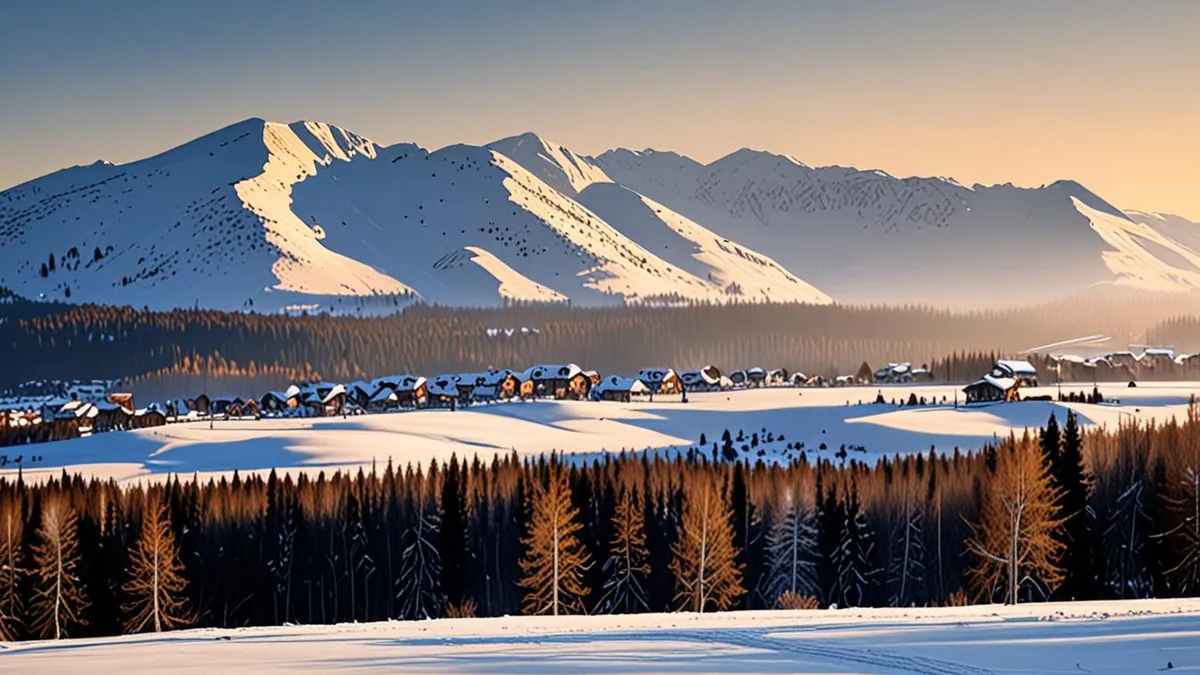
Winter Stays: Skiing and Snow Season
Winter is the more famous season, and for good reason. The ski window typically runs from December to early April, with January and February offering the most reliable snow cover. Early December can be hit-or-miss at lower elevations, while March often brings sunny spring skiing on well-maintained slopes.
Where to ski
Szczyrk and Białka Tatrzańska offer the largest modern ski areas, with newer lift infrastructure and terrain that suits confident intermediates. Zakopane works differently: it’s a collection of varied small slopes rather than one big linked area, which makes it a good fit for mixed groups where some people ski, some snowboard and some just want to stroll the town or soak in a spa.
If you want to compare options across the border, it’s worth reading about Slovakia ski resorts for winter trips, since the High Tatras continue directly into Slovak territory and some travelers combine both in one trip.
Booking strategy
Book winter weekends 2–3 months ahead. Polish holiday demand is intense, and the best-value rooms fill first, especially around school breaks. Midweek stays are easier to find and usually cheaper, so if your schedule allows it, a Monday-to-Thursday trip stretches your budget considerably further than a weekend of the same length.
Summer Stays: Hiking and Green-Season Travel
Summer is when the Polish mountains show a completely different side. From late June to early September, high mountain trails and cable cars operate at full capacity, which means you can ride the Kasprowy Wierch cable car and walk ridge routes that are closed or impractical the rest of the year. Huts open, marked paths are clear, and the famous alpine scenery around Zakopane is at its best.
Where to base yourself
Zakopane is the natural choice if you want proper alpine day hikes, with trailheads and lifts close to town. Expect company on the popular routes, especially in August. If you prefer gentler walking and fewer crowds, pick Karpacz in the Sudetes instead. The routes there are shorter and less demanding, which makes the area a good fit for families or hikers who want scenery without a full-day climb.
Whatever base you choose, pack for changeable weather even in July and August. Mountain storms are common in the afternoons, so start hikes early, carry a rain layer and warm clothing, and be ready to turn back if the sky builds up. A clear morning rarely guarantees a clear afternoon in the Polish mountains, and the trails feel very different in wind and rain.
Choosing the Right Stay Type and Budget
Poland’s mountain resorts offer a wider range of accommodation than many travelers expect, and picking the right type matters as much as picking the town. Prices vary a lot by season and location, but as a rule of thumb, expect roughly 250–500 PLN per night for a mid-range double room in Zakopane or Szklarska Poręba during high season. Check current rates before booking, since they shift with demand and holidays.
The character of each range shapes what you’ll find on the ground. The Beskidy and the Sudetes are dominated by pensions and family-run guesthouses, many of them offering half-board with home-cooked dinners. These suit travelers who want quiet evenings, a set routine and a personal host rather than a hotel lobby.
- Pensions with half-board: common in the Beskidy and Sudetes, often including a three-course dinner, which removes the need to drive to restaurants each evening in small villages.
- Self-catering apartments: plentiful in Zakopane and Szklarska Poręba, usually with a kitchenette, which cuts food costs on longer stays of a week or more.
- Spa hotels: clustered in Zakopane and Szklarska Poręba, with pools, saunas and treatment menus, a good match for wellness-focused trips or rainy-day recovery after hikes.
- Family guesthouses: frequently offer family rooms rather than standard doubles, which can make a big difference to the total cost when traveling with children.
Apartments and spa hotels cluster in the bigger resort towns, so if your trip is longer than a few nights or centered on wellness, Zakopane and Szklarska Poręba are the practical picks. For a shorter, quieter and often cheaper escape, a pension in the Beskidy or Sudetes will usually give you more comfort for your money.
Planning Your Trip: Timing and Transport
A little planning goes a long way in the Polish mountains, because demand is concentrated around peak ski weeks and the summer holiday rush, while transport between the ranges is straightforward once you know your options. The good news is that a car-free trip is realistic if you base yourself in Zakopane, and the main viewpoints are reachable by lift even if nobody in your group wants a long climb. The three steps below cover timing your booking, choosing the smartest route for your chosen range, and using the cable cars and funiculars to get more out of each day.
- Book your room early for peak periods. Winter weekends and the July–August holiday peak see the strongest domestic demand, and the best-value rooms tend to disappear first. Reserving well ahead of your dates is the simplest way to secure a good rate without compromising on location.
- Choose your route to Zakopane. Direct buses and trains run from Kraków to Zakopane in around two hours, which makes arriving without a car entirely realistic. If you’re heading to the Sudetes or the Beskidy instead, renting a car is usually the more practical option, as public transport between the smaller towns is less frequent.
- Use the lifts to shortcut the climbs. The Gubałówka funicular and the Kasprowy Wierch cable car operate in both winter and summer seasons, letting you reach major viewpoints without long hikes. This works well for mixed groups, families with small children, or anyone short on time who still wants the big panorama.
One last tip: if your dates are flexible, shifting your trip into the shoulder months of May–June or September–October usually brings accommodation costs down noticeably compared to peak rates, while the trails and lifts are still running. The weather is generally mild enough for walking, the towns are calmer, and you won’t be competing with school-holiday crowds for restaurant tables or lift tickets. Combine that flexibility with an early booking and you’ll typically get the best overall deal of the year, whichever range you choose. Just remember that mountain weather can change quickly in any month, so build a spare day into your itinerary rather than planning every hike back to back.
Wrapping Up Your Poland Mountain Resort Trip
Polish mountains are far from a winter-only destination. The resort towns that fill with skiers between December and early April switch gears for the late June to early September hiking season, with cable cars, trails and spas running in both. That means one trip-planning framework covers the whole year, and the value stays strong whichever window you pick.
Match the destination to your style: Zakopane works best for first-timers who want the widest choice of lifts and restaurants, the Sudetes towns suit families after gentler slopes and trails, and the Beskidy deliver quiet, budget-friendly escapes. To save money in any season, remember two simple moves: book 2–3 months ahead for peak periods, and consider the quieter in-between stretches of spring and autumn, when prices often drop 20–30%. If this helped you plan your trip, leave a comment or share the article.