Booking a trip that lasts longer than a week brings a familiar dilemma: should you stick with a regular hotel, hunt for a furnished apartment, or try something in between? Many travelers assume a hotel is the safe choice, only to watch the nightly rate pile up into a shocking total. Others worry that an apartment means deposits, credit checks and a lease they do not want. Extended stay hotels sit right in the middle, and for many trips they turn out to be both cheaper and far more practical than either option.
This guide walks through how extended stay hotels actually work, from the weekly booking rhythm to the kitchenette in your room. You will find realistic price ranges, a clear comparison against regular hotels and apartments, and practical booking tactics that can shave real money off a long trip. We also cover the hidden costs and trade-offs, like doing your own dishes between weekly cleanings, so you can commit with your eyes open. A quick recap at the end pulls everything together for easy planning.
What Counts as an Extended Stay Hotel
Extended stay hotels are built for trips of a week or more, and the rooms reflect that from the moment you walk in. Instead of a standard hotel layout, you get something closer to a small studio apartment: a sleeping area, a compact living space, and room to actually unpack your suitcase rather than live out of it. The design goal is simple: make a room livable for weeks, not just a night or two.
What you typically find in the room
The defining feature is a kitchenette, which in most extended stay rooms includes a microwave, a stovetop and a full-size fridge. That combination is enough to cook simple meals, store a week of groceries and skip a restaurant budget entirely. Beyond the kitchen, expect a proper work desk, a larger refrigerator than you would find in a regular hotel room, and noticeably more storage space, such as closets and drawers designed for longer visits.
Where they sit in the market
Major chains position these properties deliberately between hotels and furnished apartments. You get hotel-style services like a front desk and on-site laundry, but with apartment-style amenities and pricing that rewards longer visits. Best of all, there is usually no minimum stay contract: you can book a week or two without signing a lease, paying a broker fee or committing to a fixed move-out date. If your plans change, you simply extend or shorten your stay, which is a flexibility furnished apartments rarely offer.
How Extended Stay Hotels Work Day to Day
The biggest difference shows up in how you book. Extended stay hotels price by the week rather than strictly per night, and the rate drops once your stay crosses the 5-7 night threshold that qualifies for a weekly rate. Book six nights and you may pay noticeably less per night than someone in the identical room staying three. This is the core mechanic of the whole category, so it pays to plan your dates around it.
Housekeeping on a weekly rhythm
Daily housekeeping largely disappears. Instead, cleaning happens once a week, and between visits you keep your own towels, dishes and linens in use. Daily cleaning is often skipped entirely or available for an extra fee, so if you want mid-week service, ask about it when you book. The trade-off is more independence in exchange for a bit of self-service.
Living like a temporary resident
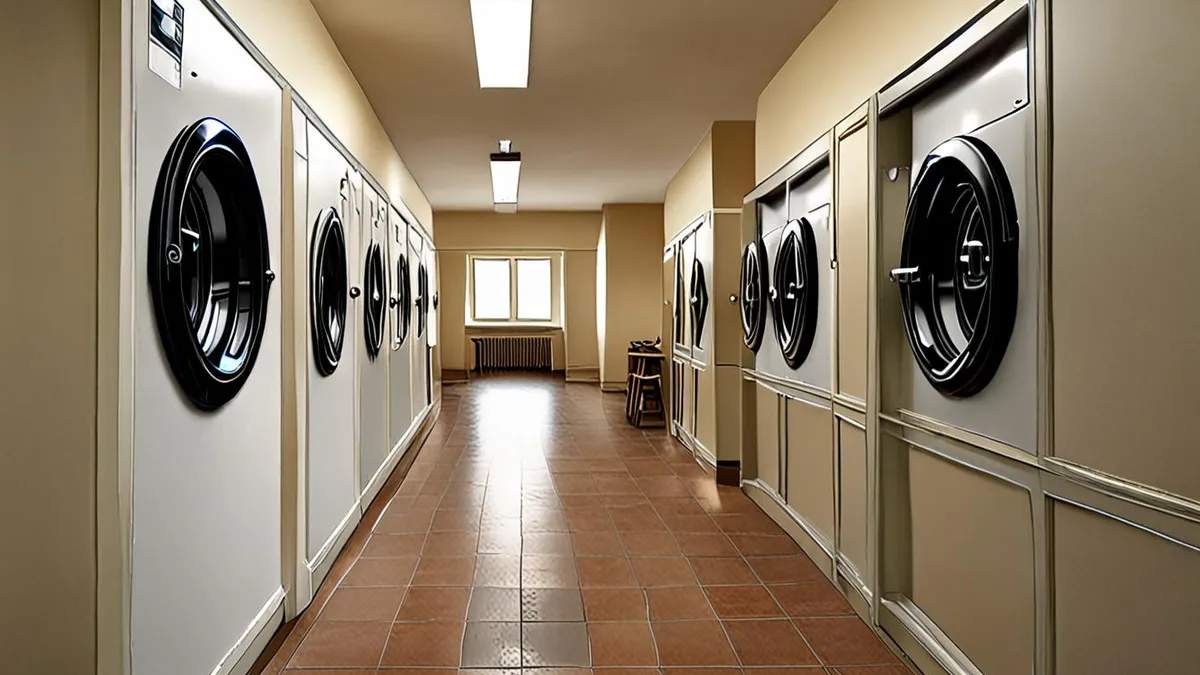
On-site laundry replaces the daily linen service you would find at a conventional hotel, and most properties offer machines that are free or coin-operated, which saves real money compared with hotel laundry service. Front desks at extended stay properties also tend to handle longer-term logistics: accepting mail and packages, helping with parking arrangements, and generally treating you more like a temporary resident than a passing guest. If you are relocating for work or waiting on a housing situation to settle, that level of everyday support makes a long stay far smoother than it would be at a standard hotel.
What Extended Stay Hotels Cost
Extended stay pricing sits in a wide but predictable band. Budget extended stay brands typically run around $70-130 per night, while upscale extended stay brands usually charge $120-200. The exact figure depends heavily on the city, the property’s age and how close you are to a downtown or business district, so treat these as planning ranges rather than quotes.
The real savings come from the length of your stay. Weekly rates typically work out 20-40% cheaper per night than the same room booked nightly, and longer bookings of 30+ nights often unlock monthly rates that cut the nightly cost even further. A two-week trip booked as two weekly rates can cost hundreds less than the identical stay priced night by night.
Timing matters just as much as length. Weekly rates tend to rise 30-50% during peak summer and major holiday periods, so shifting a long stay by a few weeks can change the total dramatically.
- Location premium: properties near business centers, hospitals or universities usually price at the top of their brand’s range, while suburban locations along highway corridors often sit at the bottom.
- Room size tiers: many properties offer studio and one-bedroom layouts, with the one-bedroom commanding a noticeably higher weekly rate for the extra separation of sleeping and living space.
- Seasonal demand patterns: cities with big event calendars or seasonal work surges can push long-stay rates up outside the usual summer window, so check your specific destination’s rhythm.
- Length flexibility: if your dates allow it, asking the property to quote both a 28-night and a 35-night stay can reveal which side of the monthly-rate threshold gives you the better per-night price.
When an Extended Stay Beats a Regular Hotel or Apartment
Extended stay hotels hit their sweet spot on trips of one to four weeks. That is long enough for the weekly discount to matter, but short enough that signing a lease, paying a deposit or buying furniture would be a waste. You get a kitchenette to cook real meals, a work desk and enough storage to actually unpack, all without any long-term commitment.
If your trip is shorter than five nights, a regular hotel usually wins. The weekly rate never kicks in, so you would be paying extended stay prices for a room you barely use. A standard hotel with daily housekeeping and a front-desk restaurant often makes more sense for a long weekend.
When a furnished apartment makes more sense
For stays of two months or longer, furnished apartments can beat extended stay hotels on price, often with more space and a proper residential feel. The trade-off is paperwork: most landlords want applications, credit checks or references, and they expect longer commitments. If you would rather skip that process and keep flexibility, an extended stay property is the simpler route. For a different angle on long trips, some travelers also look at options like student homestays in Sweden for extended travel, which trade privacy for a deep local experience.
How to Book an Extended Stay for the Best Rate
Getting a good rate on an extended stay is mostly about timing and a little arithmetic. Prices for these properties behave differently from regular hotel rates, so it pays to know how to ask. Because weekly rates usually work out 20-40% cheaper per night than the same room booked nightly, even a small effort before booking can add up to real money over a multi-week trip. Here is a simple process to follow.
- Book two to four weeks ahead for standard dates. That window is usually enough to lock in availability and a fair weekly rate. For peak summer or major holiday periods, book earlier, since weekly rates can rise 30-50% as rooms fill.
- Contact the property directly for longer stays. Bookings of 30+ nights often need a conversation with the front desk or manager, because monthly rates that cut the nightly cost further are not always visible on booking sites. A quick call can uncover rates you cannot find online.
- Do the math on the weekly quote. Take the nightly rate, multiply it by the number of nights in your stay, and compare that total to the weekly rate. This confirms the real saving instead of trusting a “discounted” label.
- Ask about repricing after you book. Many properties will adjust a long stay to a lower rate if prices drop before your arrival. It never hurts to ask, and some will honor the better rate without any fuss.
One more habit worth building: check the rate again a few days before check-in. If it has fallen, a friendly email to the property is often all it takes to capture the difference on a long booking. It also helps to be flexible about your start date. Shifting a week-long stay by a night or two can sometimes move you across a pricing boundary, especially around holidays, and some properties will match a competitor’s weekly quote if you mention it politely. None of these tricks takes more than a few minutes, and together they can easily shave a noticeable amount off a stay of several weeks.
Hidden Costs and Trade-offs to Check Before You Commit
The nightly rate on an extended stay looks simple, but a few small costs and trade-offs add up over a week or more. None of these are dealbreakers for most travelers, yet knowing them in advance makes it much easier to compare properties fairly. Two rooms with similar weekly quotes can end up costing very different amounts once cleaning, laundry and parking are factored in. Ask about each of the items below before you commit, especially on stays longer than a month where the extras compound quickly.
- Housekeeping upgrades. Weekly cleaning is standard, so between visits you handle your own dishes, trash and tidying. If you want daily or mid-week service, many properties offer it for an added fee.
- Laundry costs. On-site laundry is usually free or coin-operated, which is far cheaper than hotel service, but budget a few dollars per load if the machines are paid.
- Parking and pet fees. Urban properties in particular may charge daily or weekly parking, and pet-friendly rooms often carry a one-time or weekly surcharge. Together these can add roughly $10-30 per week.
- Deposits and payment terms. Some properties require a higher deposit for long bookings or ask for payment week by week rather than upfront. Confirm the terms when you reserve so there are no surprises at check-in.
One practical habit is to request an itemized quote that separates the room rate from these add-ons. That way you can weigh the trade-offs against the nightly savings and see which property actually comes out ahead for the length of your trip. A little extra questioning at booking time is usually all it takes to avoid an unwelcome line item on your final bill.
Quick Recap for Longer Trips
So, is an extended stay hotel the right call for a trip longer than a week? For most travelers, yes. These properties are built for exactly this kind of stay: you get a kitchenette, more storage, and weekly housekeeping instead of a bare hotel room, without signing a lease or paying apartment-style deposits.
On price, the math usually works in your favor. Weekly rates typically save 20-40% per night compared with booking the same room nightly, and stays of 30+ nights can unlock monthly rates that cut the cost even further. Just weigh the trade-offs first: you’ll handle your own dishes and trash between cleanings, use on-site laundry, and should check for parking, pet, or housekeeping fees before committing. If the numbers still add up after that, book it. Have a longer trip coming up? Share your plans or questions in the comments below.