Planning one resort holiday that keeps toddlers, teens, parents and grandparents happy at the same time feels impossible until you know exactly what to look for. The truth is that a successful multi-generational trip depends far less on luck than on choosing a resort designed for mixed ages from the ground up. Get the layout, rooms and facilities right, and three generations can share one holiday without stepping on each other’s toes.
This guide walks you through the decisions that matter most: what a resort needs to offer a group spanning several generations, which room configurations work best, how to judge pools, beaches and kids’ facilities, what to check about dining and entertainment, and how to book smartly as a group. By the end, you’ll have a clear checklist for comparing resorts and picking the one that keeps everyone from the youngest grandchild to the oldest grandparent genuinely happy.
What a Multi-Generational Trip Really Needs From a Resort
Three generations rarely want the same things from a holiday, and that’s exactly why resort choice matters so much. Young children need safe, enclosed space to play. Parents need genuine downtime, not a second shift of supervision. Older relatives need short distances, shade and somewhere comfortable to sit. A good resort delivers all three at once, and a poor one forces your family to compromise every single day.
The simplest test is distance. Aim for resorts where rooms, pools and restaurants sit within a 5-minute walk of each other, ideally with lifts and step-free access throughout. If grandparents face a long trek to breakfast or a staircase to the pool, that walk shapes the whole trip. Flat, well-paved paths matter more than any brochure photo.
Togetherness or privacy?
Decide early how much time together you actually want. Some families thrive on shared suites, communal tables and group excursions; others need separate rooms and quiet zones to recharge. Neither approach is wrong, but the resort you pick should match your answer. Resorts built for groups offer both social hubs and calm corners, so look for that balance before you look at anything else.
Room Configurations: Interconnecting Rooms, Family Rooms and Suites
Room configuration is the decision that shapes every other part of a multi-generational trip, so start here. Interconnecting rooms suit families with young children best: parents get their own space while a door stays open to the kids next door. Family rooms with sofa beds work well for one couple plus kids, but they can feel cramped for longer stays, so check the actual floor area before committing. A room that looks spacious in photos may hold little more than the beds themselves.
For a grandparents-plus-parents group, the two most reliable setups are booking 2-3 interconnecting rooms, which gives everyone privacy with a shared internal door, or choosing one large suite with a separate living area where the whole group can gather. Expect these options to cost 20-40% more than standard rooms, and expect them to sell out first at family-oriented resorts. If your budget stretches to it, booking two standard rooms side by side can be a workable fallback, provided you accept the loss of that internal door.
Before you book, verify the details that resorts don’t always make obvious:
- Bed types: a “family room” with one double bed and one narrow sofa bed may not sleep two adults and two children comfortably, so ask for exact bed configurations in writing.
- Maximum occupancy: some rooms legally cap at three guests even when a sofa bed exists, which can force an awkward split at check-in.
- Connecting versus adjacent: rooms that are simply next to each other are not the same as rooms with an internal door, so confirm the connection exists rather than assume it.
- Interconnecting availability: many resorts have only a handful of these rooms, so request them by name when you book and again before arrival.
Pools, Beaches and Facilities for Every Age Group
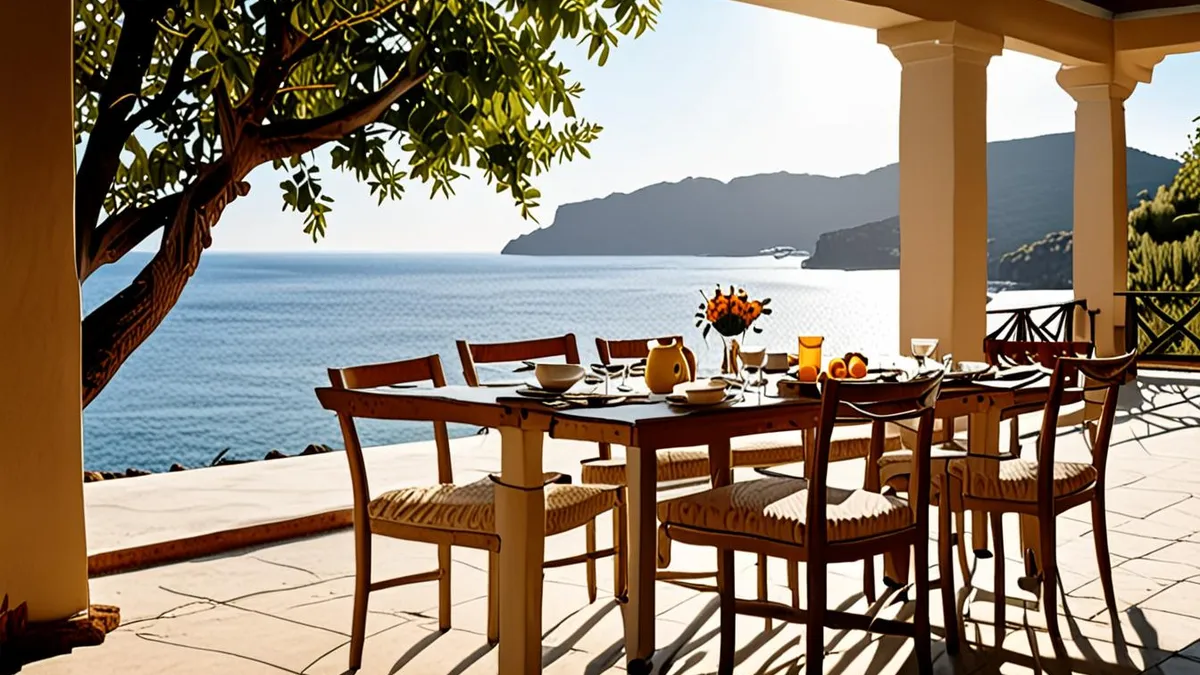
Pools are where a multi-generational group spends most of its resort time, so this is where you should scrutinize the layout hardest. The best setup offers three layers: a lagoon or main pool with plenty of space for swimming and floating, a shallow kids’ pool where toddlers can splash safely, and a quiet adults-only area where parents and grandparents can actually relax. Resorts with 3+ pools covering these three functions suit mixed-age groups best, because nobody has to tolerate someone else’s idea of pool time.
If you want to understand the differences between pool types before you compare resorts, this guide to lagoon, infinity and kids’ pools explains what each style offers and who it suits.
What grandparents need poolside
Grandparents benefit most from small details that brochures rarely highlight: shaded loungers close to the water, pool steps or gentle beach access points instead of ladders, and flat, paved walkways between the pool, rooms and restaurants. Check recent guest reviews specifically for comments on shading and walkways, because these details make the difference between grandparents joining the fun and watching it from a distant terrace.
Beach access deserves the same scrutiny. A Blue Flag or private beach adds real safety and convenience, but check how far the beach sits from the rooms; a stunning beach reached by a shuttle or a long flight of steps loses its appeal quickly. Finally, look at the watersports and activities on offer and ask which ones different ages can join separately or together. Paddleboarding for the teens, a gentle snorkeling session for grandparents and a family kayak trip can all coexist at a well-run resort, and that variety keeps every generation engaged without forcing anyone into a single shared program.
Kids’ Clubs, Teen Activities and Evening Entertainment
Most resorts run kids’ clubs for children aged 4-12, which is exactly the age range where a supervised club earns its keep. Before you book, confirm the opening hours, because a club that closes at mid-afternoon leaves you with bored children for the rest of the day. Also check whether sessions are included in your rate or charged separately, since this varies a lot between resorts and can quietly inflate your budget.
Teenagers are the group most often forgotten. At larger resorts, look for teen programs for ages 13-17, gaming rooms, sports courts and dedicated teen-only hangouts. A teen who has somewhere to go in the evening is far less likely to spend the week glued to a phone by the pool.
Evening entertainment matters more than you might expect. Family-friendly early shows let grandparents and grandchildren enjoy something together before bedtime, while late-night adult programs give parents a reason to stay up. Ask for the schedule before you commit, especially if you travel outside peak season.
- Ask whether the club runs daily year-round or only in high season, since shoulder-month travelers often find reduced schedules or weekend-only sessions.
- Check the staff-to-child ratio and whether registration is required on arrival, because popular clubs can fill up during school holidays.
- Find out if meals and snacks are included during club hours, or whether you need to collect your child for lunch.
- Confirm the minimum age and whether potty-trained toddlers are accepted, since some clubs admit younger children with restrictions.
If you want a deeper breakdown of what clubs actually offer at each age, this guide to resort kids’ clubs by age group explains the differences in detail.
Dining for Mixed Ages: Buffets, À La Carte and All-Inclusive
Buffet restaurants are the safest choice for a group spanning three generations. Timing is flexible, so grandparents can eat early while parents join later, and the variety means fussy children, vegetarian teens and older relatives with smaller appetites all find something. There are no long waits, which matters enormously when you are managing hungry kids and tired grandparents at the end of a beach day.
Set-menu à la carte dining works differently. The food is often better, but reservations, fixed sittings and longer waits make it harder with young children. Many resorts require you to book à la carte restaurants days in advance, sometimes through an app that fills up fast, so ask about the reservation system before you commit to a package.
Is all-inclusive worth it for a large group?
All-inclusive packages typically cost 30-50% more than room-only rates, but they simplify budgeting for a big group and remove daily spending surprises. With ten or more people, one predictable bill is often easier to manage than a stack of restaurant and bar receipts. If you want to understand how the two systems compare meal by meal, this article on all-inclusive food and how buffets and à la carte work breaks it down clearly.
Practical details to check before booking
Ask about kids’ dining hours, because some children’s buffets close early or offer a limited menu. Confirm highchair availability if you travel with toddlers, and check whether children’s menus exist at the à la carte venues. For older guests, ask about dietary options such as low-salt, diabetic-friendly or soft-textured dishes; a good resort will answer these questions readily, and hesitation is a useful signal.
Booking Strategy: Timing, Group Rates and Comparing Resorts
Booking a resort for eight or more people is a different exercise from booking a couple’s holiday. The rooms you need are scarcer, the stakes are higher, and a mistake costs more to fix. A structured approach keeps the process manageable and stops the loudest voice in the family chat from deciding everything. It also protects the budget, because large parties have less room for error when a booking goes wrong.
- Book 9-12 months ahead if you are traveling in July-August, at Christmas or at Easter. Interconnecting rooms and large family suites sell out first, sometimes a full season before standard rooms do, so early booking is not optional for big groups. Put a reminder in your calendar so the date does not slip past you.
- Ask about group rates once your party reaches 8 or more guests. Resorts and tour operators often offer negotiated rates or perks such as a free room, late check-out or a complimentary group dinner, but you usually have to request them. Get any agreed perk confirmed in writing before you pay a deposit.
- Build a side-by-side checklist and compare two or three shortlisted resorts on the same points: room configurations, pool setup, dining options and activities for each age group. This keeps the comparison honest instead of letting one glossy photo decide the winner. Share the shortlist with the family so everyone feels heard before the decision is made.
- Read the cancellation terms carefully before paying any deposit. Multi-generational plans change more often than couples’ trips, because illness, work commitments and school schedules can pull one family out at short notice. Flexible or refundable rates are usually worth the small premium.
Finally, put one person in charge of the booking and the correspondence with the resort. Splitting the communication between several family members leads to missed emails and duplicated requests, while a single point of contact keeps deposits, rooming lists and special requests in order. That person should also keep a simple written record of what was promised and when, so nothing depends on memory alone.
Wrapping Up Your Multi-Generational Resort Choice
Getting toddlers, teens, parents and grandparents onto the same sun lounger without anyone sulking sounds like a miracle, but it comes down to knowing what to check before you book. A resort that works for a multi-generational trip offers varied room setups, layered pool areas, flexible dining and activities that split by age, so each generation gets something built for them instead of a compromise nobody loves.
The practical side matters just as much. Reserve well ahead for peak school holiday weeks, ask about group rates if your party is large, and run your shortlisted resorts through the same checklist so nothing slips through. Do that, and what began as a logistical headache turns into a trip everyone will remember for the right reasons. If this guide helped you plan your own trip, leave a comment or share it with the family members who need convincing.