Summer crowds have gone home and prices have dropped, but winter hasn’t quite arrived yet. That in-between stretch is exactly why autumn lodge breaks deserve a spot on your calendar. If you’ve been wondering whether the season is actually worth booking, the short answer is yes: shoulder-season rates typically drop 20-40% compared with July and August peak prices, and you get quieter trails, calmer lakes and cozy evenings by the fire thrown in.
Of course, a good autumn break depends on picking the right window and the right setting. In this guide, we’ll cover why the season works so well for lodge stays, when foliage peaks and how to time your trip around it, plus where to go, from forest and mountain lodges to lakeside and coastal options. We’ll also share how to book for the best value, what to pack for shorter days, and how to wrap up your autumn plans with confidence.
Why Autumn Works for Lodge Breaks
Autumn is the season when lodge prices quietly fall while the experience often improves. Once the summer holidays end, many lodges move into shoulder-season pricing, with rates typically dropping 20-40% compared with July and August peak prices. The same cabin with the same view, hot tub and wood-burning stove simply costs less, which means you can either save money or stretch the budget to a bigger lodge or a longer stay.
Quieter trails and facilities
The crowds thin out just as noticeably as the prices. Once schools go back in early September, popular hiking trails, viewpoints and photo spots lose the summer bottleneck, and you can often walk for an hour without passing more than a handful of people. Lodge spa areas, pools and saunas calm down too, so a morning swim or an afternoon in the sauna feels relaxed rather than scheduled around other guests.
The weather still plays along in early autumn. September brings daytime temperatures of 15-20°C in much of central and southern Europe, which is comfortable for hiking, cycling and kayaking without the overheating you get on summer trails. Add crisp mornings, golden light for photos and evenings long enough for a barbecue or a soak outdoors, and the case for an autumn lodge break writes itself.
The Best Autumn Season Window and Foliage Timing
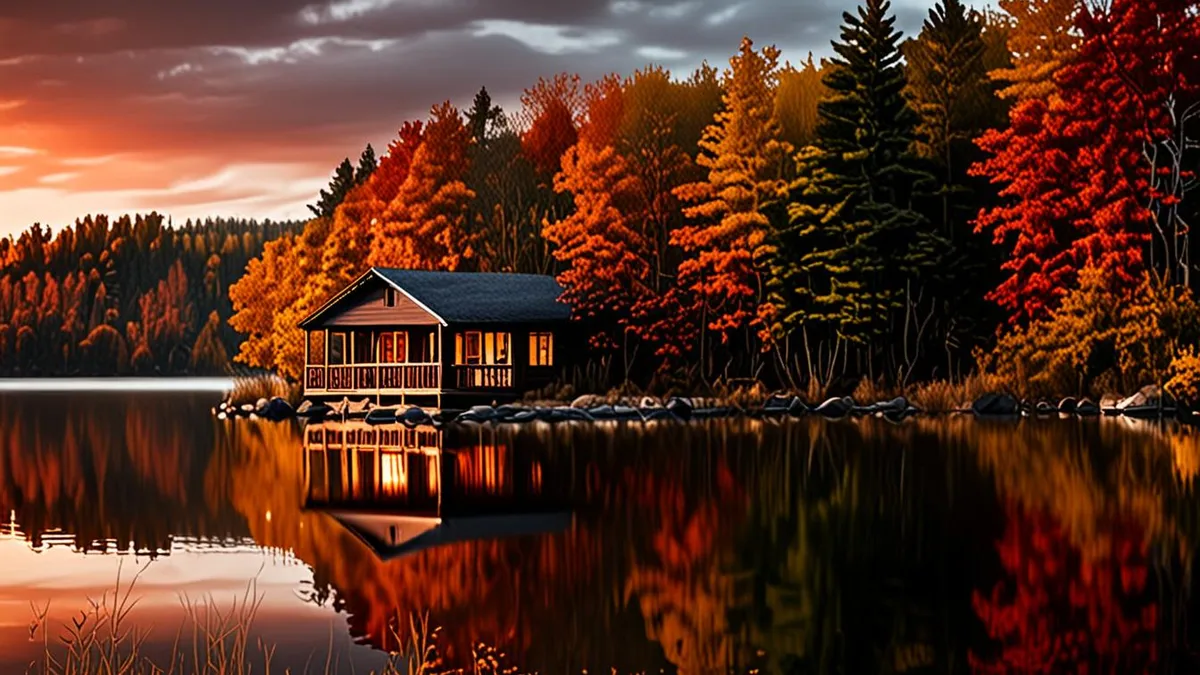
If your goal is scenery, aim for the window from late September to mid-October. This is when forest and lakeside regions put on their strongest foliage displays, with canopies turning gold, copper and deep red around the very lakes and valleys where most lodges sit. Timing your stay inside this window means the view from your deck or breakfast table is part of the experience, not just a backdrop.
November is a different kind of trip. By then, most trees are bare and the weather turns properly cold, so you will not get the colorful landscapes that make October so photogenic. That does not make it a bad month for a lodge break, though. It simply shifts the appeal from scenery to comfort: wood stoves, saunas, long evenings indoors and frosty morning walks. Book November if coziness is the priority; skip it if you are chasing leaf color.
North peaks first, south lingers longer
Latitude matters more than most travelers expect. Northern regions such as Scandinavia reach their foliage peak earlier, often in late September, because colder nights arrive sooner. If you want Nordic lakes and birch forests at their best, plan for the end of September rather than mid-October. Southern destinations work the other way around, with color developing later in the season, so an early- or mid-October stay gives you better odds there.
A practical tip: check a foliage forecast or recent traveler photos for your specific region in the weeks before you book. Peak color can shift by a week or two from one year to the next, and local reports will tell you whether the display is starting early or running late.
Where to Go: Forest and Mountain Lodges in Autumn
Autumn suits mountain and forest lodges in different ways depending on where you point yourself. Albania has become a quiet favorite for forest stays: the woods around destinations like the Divjaka pine forests and the slopes near Llogara Pass offer mild autumn days, empty walking paths, and some of the lowest lodge prices you will find in Europe this season. If that sounds appealing, our guide to forest lodges in Albania for quiet retreats covers the regions in more detail.
Wales works well if you want drama with your foliage. Mountain lodges in Snowdonia (Eryri) and the Brecon Beacons (Bannau Brycheiniog) put you under copper-colored slopes, and most major trails stay accessible through October. Spain is the warmer option: lodges in the Pyrenees and the Sierra de Gredos still feel pleasant through September and October, while the summer crowds that fill these ranges thin out noticeably.
- Albanian lodges often include home-cooked meals with seasonal produce like chestnuts and late figs, so ask about half-board when you enquire.
- In Wales, routes such as the Aber Falls path or Cadair Idris remain walkable in October, but check daily forecasts, since mountain weather can shift fast.
- Spanish Pyrenees lodges often sit near national park trailheads, so you can hike in the morning and be back for a long afternoon on the terrace.
- Villages around Gredos celebrate autumn harvest traditions, which can add local food markets to a lodge-based stay.
Lakeside and Coastal Autumn Options
Autumn is when the coast gets dramatic, and Ireland is the place to see it. By October and November, Atlantic weather systems roll in with real force, and coastal lodges here are built for exactly that: big windows facing the sea, wood-burning stoves and short walks between the sofa and the view. If you enjoy watching squalls sweep in from the warmth of a fire, our guide to Ireland coastal lodges for wild Atlantic trips covers the options in detail.
Lakeside stays: make the most of September
Lakeside lodges are a different story. They work best in September, when the water is often still warm enough for a swim and daylight lasts well into the evening. You can kayak before breakfast, swim in the afternoon and still eat outside without needing a jacket. Once October arrives, the swimming stops, but the foliage reflecting off the water more than makes up for it.
For a mix of both, consider Gothenburg’s coastal lodges. The archipelago islands put on lovely autumn sea views, and the city itself is close enough for a half-day trip. In autumn the museums, cafes and botanical garden are noticeably quieter than in summer, so you can pair a morning of storm-watching with an afternoon of city wandering and be back at your lodge for dinner.
How to Book Autumn Lodge Breaks for the Best Value
Autumn lodge prices are already lower than summer, but how you book determines whether you get the genuinely good deals. The 20-40% shoulder-season drop applies broadly, yet the details of your booking decide how much of that saving you actually capture. Foliage weekends are the exception to the quiet-season rule: they sell out fast, and last-minute bargains are rare. A little planning goes a long way, so follow these steps in order.
- Book 2-3 months ahead. This is the window that secures both availability and rate. Foliage-season weekends in popular forest and lakeside regions fill up early, and by the time the colors peak, your choices are limited to what others turned down. If you already know your preferred region, shortlist two or three lodges now and check their calendars before dates firm up elsewhere.
- Choose weekday nights where you can. Weekday stays in autumn are often 15-25% cheaper than weekend nights, and lodges are quieter too. Even shifting a two-night stay from Saturday-Sunday to Monday-Tuesday can meaningfully cut the bill. If you work remotely, a Monday-to-Thursday stay gives you the best of both: lower rates and empty trails.
- Check heating and hot tub policies before paying. Some lodges treat heating and outdoor hot tubs as out-of-season extras and charge supplements for their use. Ask what is included in the nightly rate so the total cost doesn’t surprise you on arrival. A seemingly cheap lodge with a paid heating supplement can end up costing more than a slightly pricier all-inclusive option.
- Read the cancellation terms. Autumn weather is less predictable than summer, and flexible booking gives you room to move dates if a storm week looks likely. Favor rates that allow free changes up to a week or so before arrival, and note any deposit deadlines in your calendar as soon as you book.
Do these things and autumn becomes the easiest season to book well. The lodges that command premium rates in July and August are often the most affordable in October, provided you get in early and stay flexible about which nights you take. Compare a few weekday options before committing, and the savings compound quickly.
What to Pack and Plan for Shorter Autumn Days
Autumn lodge trips fail for one of two reasons: people plan their days as if it were summer, or they pack as if it were still September. By late October, northern Europe is down to 9-11 hours of daylight, which changes the rhythm of a lodge break completely. The fix is simple: put your walks, viewpoint visits and outdoor activities in the mornings, and let the afternoons slow down.
Packing matters just as much. Autumn trails are wet, leaf-covered and often muddy, and a slippery forest path in trainers is no fun at all. Beyond the basics, a few items earn their place every time:
- A headlamp or small torch. Dusk arrives early, and if you walk back from a viewpoint or the lodge hot tub after dark, phone torches are awkward and dim.
- A spare pair of shoes for evenings. Leaving muddy boots at the door keeps the lodge clean and gives your feet a break; slip-on trainers or thick socks work well.
- A thermos flask. Many lodges provide tea and coffee facilities, and a hot drink turns a short autumn viewpoint stop into a proper rest rather than a quick photo.
- A book or downloaded films. Long evenings are part of the appeal, and lodges that highlight fireplaces and saunas in autumn expect guests to settle in rather than fill every hour outdoors.
That last point is worth planning around rather than treating as a fallback. Ask what indoor facilities your lodge offers when you book, and build downtime into the itinerary deliberately: a sauna session after a wet morning walk, or an evening by the fire with dinner from the local village. The shorter days stop being a limitation and become the reason you came.
Wrapping Up Your Autumn Lodge Plans
So, is autumn a good time to book a lodge? If the hesitation was about empty trees, cold weather or closed trails, the season itself answers it. You get the same lodges at 20-40% lower rates than summer peak, quiet trails and viewpoints, and in most European regions the strongest foliage falls right in October. That combination is hard to beat.
The key is matching the region to your style and the month: forest and mountain lodges shine early in the season, lakeside stays work best in September, and coastal options come into their own later when the Atlantic gets dramatic. Book 2-3 months ahead and favor weekday nights, and you will usually secure the best value lodges before the foliage weekends fill up. Have you taken a lodge break in autumn, or are you planning one now? Share your plans or favorite spots in the comments below.