You spend months looking forward to a quiet pool, a long dinner and a morning without noise, then arrive at a regular resort to find splash battles, poolside games and a kids’ club loudspeaker at every turn. It is a common disappointment, and it is exactly the problem adults-only resorts are designed to solve.
This guide explains who these properties genuinely suit, what their age policies really mean, and what you can expect on site, from quieter pools to later dinner sittings. It also covers when to book for the best value, typical prices and what they buy you, and how to check a resort carefully before you commit. By the end, you will know whether an adults-only resort fits your travel style and how to pick one that actually delivers the calm you are paying for.
Who Adults-Only Resorts Actually Suit
Adults-only resorts work best for travelers whose ideal holiday revolves around calm rather than activity. If your perfect afternoon is a lounger by a quiet pool and your perfect evening is a late, unhurried dinner, these properties remove the main source of noise you would otherwise work around: other people’s children.
Couples are the most obvious fit, but they are far from the only one. Groups of friends often choose adults-only hotels because the common areas stay relaxed, with bars and lounges designed for conversation instead of children’s entertainment. Solo travelers also do well here, especially those who want to read, swim or simply switch off without feeling surrounded by family crowds.
- Couples: quiet pool time and late dinners become the default, not something you have to chase by picking the right corner of the pool.
- Groups of friends: calm common areas mean your evenings center on bars, terraces and conversation rather than scheduled kids’ shows.
- Solo travelers: you can enjoy the pool and lounge spaces without children’s entertainment filling the soundtrack of your stay.
- Honeymooners and anniversary travelers: privacy tends to outrank activities, with room options and settings built around two people rather than families.
Be honest about the poor fit, too. If you travel with children, enjoy a lively family atmosphere, or rely on children’s clubs and playgrounds to keep everyone happy, an adults-only resort will feel restrictive rather than restful. The whole point is the absence of what you would be missing.
What Age Policies Really Mean
The label “adults-only” hides a wide range of policies, and the difference matters more than most travelers expect. Many adults-only resorts set a minimum guest age of 16, 18 or 21, and the number on the door changes the atmosphere significantly. A 16+ property still welcomes teenagers, so pool areas can feel lively and, in some cases, not dramatically different from a family resort. Properties with an 18+ or 21+ minimum are the ones that deliver genuinely quiet stays.
Check the exact number, not the label
Always check the exact minimum age before booking rather than trusting the “adults-only” tag in a listing. Two hotels side by side can use the same marketing language while enforcing very different rules. This matters most in high season, when 16+ properties fill with older teens traveling with parents.
Some resorts take a middle path: they allow older teens during peak season but restrict them from certain pools, spa areas or restaurants. If a specific quiet pool is the reason you are booking, confirm that the age policy applies to every area you plan to use.
One rule for the whole booking
Age policies apply to all guests in a single booking, so mixed-age groups cannot split around them. If one member of your party is under the minimum age, the entire group typically cannot stay, no matter how the rooms are divided. Verify this with the resort directly if your group spans the threshold, and get the policy in writing for shoulder-season stays when rules are sometimes applied more loosely.
What to Expect On Site
The most noticeable difference appears at the pool. Without children’s clubs and family programming, pools stay quieter throughout the day, and entertainment shifts toward adults: live music evenings, wine tastings and similar low-key events rather than daytime shows and games. If you have ever planned your pool hours around a kids’ activity schedule, you will feel the change immediately.
Spa, dining and rooms
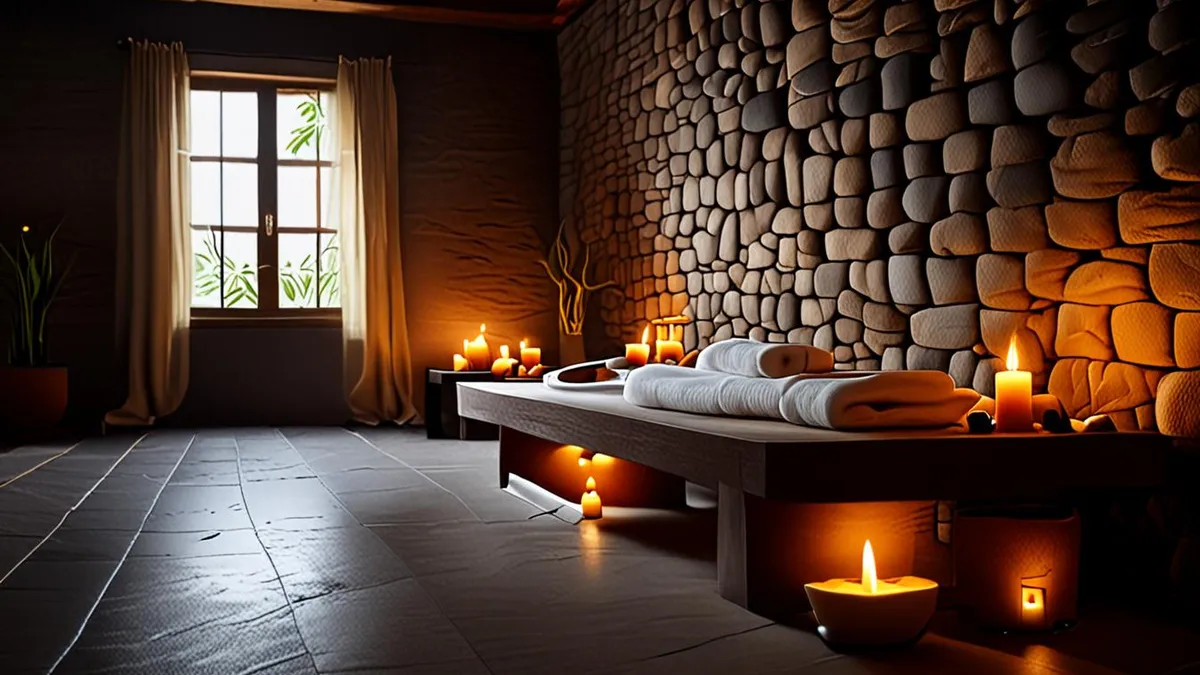
Spa and wellness areas are usually larger at adults-only properties, and access is often included in your rate or discounted for guests. This is one area where the premium over a standard resort frequently pays for itself, especially if you would use a sauna, thermal circuit or treatment rooms anyway.
Restaurants tend toward à la carte service and later dinner sittings instead of the early family buffet rush. Expect a more restaurant-like evening: booked tables, longer meals and a calmer dining room. If you like eating at eight or nine in the evening, this format suits you far better than a buffet that peaks at six.
Room categories often emphasize couples as well. King beds are standard, and many properties lean on terraces, swim-up rooms or sea-view options rather than family configurations with sofa beds and connecting rooms. Before booking, compare the room types on offer and pick the one that matches how you plan to spend your time, since the view and outdoor space often matter more than the square meters here.
When to Book for the Best Value
Adults-only resorts price their rooms like airlines: the earlier you book, the more choice you have. For peak season dates in June, July and August, aim to reserve three to six months ahead. That is when the most desirable categories — swim-up rooms, sea-view terraces, quiet corners of the pool deck — tend to sell out first, and late bookers are left with whatever remains.
If your dates are flexible, the shoulder months deliver the best combination of price and calm. May and late September through October typically run 20-30% cheaper than peak summer, and the pools and restaurants are noticeably emptier too. You lose a little guaranteed sunshine in some destinations, but you gain a resort that feels genuinely relaxed rather than merely child-free.
Late deals are the gamble. Rates appearing two to four weeks before arrival can be genuinely cheap, but you rarely get to choose your room type, floor or view, and popular properties may be full. This works best for travelers who care more about the price than the specifics of the stay.
- Compare all-inclusive against room-only honestly: all-inclusive packages at adults-only resorts usually cost 30-50% more. Rough out what you would actually spend on breakfasts, dinners, cocktails and spa drinks — heavy drinkers and guests who never leave the property often come out ahead, while light eaters may not.
- Watch for minimum-stay rules in peak season: many resorts require longer bookings in June through August, which can quietly raise the total even when the nightly rate looks reasonable.
- Check deposit and cancellation terms before committing early: booking six months out often means paying a larger deposit upfront, so make sure you can cancel or move dates if plans change.
Typical Prices and What You Get
Adults-only does not automatically mean expensive. In Central Europe, rooms at adults-only properties typically start around EUR 120-180 per night, which puts many of them in the same range as good standard hotels. At the top end, premium coastal adults-only resorts in high season generally range from EUR 200-350 per night, with suites and swim-up categories sitting above that.
Size matters more than star rating
The single biggest factor in how calm a resort feels is its size. Smaller properties of 50-150 rooms keep pools, restaurants and bars at a comfortable density — you can usually find a quiet lounger without a scramble. Large 400-room hotels that market themselves as “adults-focused” can feel almost as busy as a family resort, simply because of the sheer number of guests sharing the same facilities.
What the higher rates actually buy
It is rarely a bigger room. At the premium end of the price range, your extra money usually goes toward included spa access, better à la carte dining, and quieter, better-positioned pool zones. When comparing two resorts at different price points, look at what is bundled in rather than the room size alone — a mid-range rate with paid spa entry and buffet-only dining can end up costing more overall than a pricier resort where those things are included.
As always, treat these figures as starting points and check current rates for your specific dates, since prices shift with season and demand.
How to Check a Resort Before You Book
Marketing photos can make any resort look serene — calm water, empty loungers, not a splash in sight. The reality on arrival does not always match, because “adults-only” covers everything from genuinely silent 60-room retreats to lively 16+ properties with poolside DJs. A little digging before you book will tell you whether the calm is real, and it takes less than an hour. Work through these steps in order, and you will know far more than most guests do before handing over a deposit.
- Read recent reviews for specific noise mentions. Filter or search reviews for words like “noise”, “children” and “quiet”, focusing on the last few months rather than the property’s whole history. Management changes and renovation work alter a hotel’s atmosphere quickly, so a glowing review from three years ago may no longer apply. One complaint is an outlier; a repeated pattern of poolside music until late or kids spotted at the pool tells you what the label does not.
- Get the age policy in writing. Email the resort or your tour operator and ask them to confirm the minimum guest age for your exact travel dates. Some properties relax or tighten their rules depending on the season or the booking channel, so a screenshot of the written confirmation is your protection if you arrive to a different reality. It also removes any ambiguity about whether the policy applies to your whole group.
- Ask whether facilities are shared with a family section. Some adults-only accommodations are wings or zones within a larger family hotel complex, sharing the same pool, spa or restaurants. That can mean family noise drifting into “your” pool area at midday. If a shared setup does not bother you, fine — but you should know before you book, not after.
- Check the events calendar. Weddings and corporate conferences can temporarily fill a small resort with groups and music, which defeats the purpose of paying for a quiet stay. Ask directly whether any events are scheduled during your dates; most properties will answer honestly if you frame it as a planning question rather than a complaint.
Doing this homework takes one or two emails and a bit of review reading, and it dramatically improves your odds of getting the quiet break you are paying for. The travelers who end up disappointed are usually the ones who booked on the “adults-only” label alone.
Wrapping Up Your Adults-Only Resort Choice
If you have ever booked a regular resort hoping for a quiet week and found yourself surrounded by poolside families instead, an adults-only property is the straightforward fix. These resorts suit couples, groups of friends and solo travelers who prioritize calm over kids’ clubs and playgrounds. The trade-off is simple: you give up family facilities in exchange for quieter pools, later dinners and more peaceful common areas.
How quiet your stay really is comes down to three things: the age policy, the size of the property and the season you choose. A 16+ resort in peak season will feel livelier than a small 18+ hotel in May. For the best mix of price and peace, book 3-6 months ahead and aim for shoulder months, when rates drop and crowds thin out. Have you stayed at an adults-only resort recently? Share your experience in the comments or pass this article along to a travel partner.