Picking between Ibiza villas in the peaceful countryside and ones near the island’s famous nightlife is the decision that shapes your whole trip. Some travelers dream of waking up to birdsong in a quiet finca, while others want beach clubs and world-class DJ nights just minutes from their pool. Both versions of Ibiza are real, and both can be wonderful — but they rarely overlap.
This guide breaks down what “quiet” and “lively” actually mean in practice, from the rural north and center to Ibiza Town, Playa d’en Bossa and San Antonio. We’ll match each area to different types of groups, look at how location affects car hire and taxi budgets, and cover the best times to book and what you can expect to pay. By the end, you should know exactly which corner of the island fits your group.
Ibiza Villas: What Quiet and Lively Really Mean
The words “quiet” and “lively” mean something very specific on Ibiza, and understanding the difference is the first step to choosing well. Quiet villas are typically rural fincas — converted farmhouses and modern country homes — scattered across the island’s north and center. These properties sit among almond groves, pine hills and farmland, usually a 20-40 minute drive from the clubs and beach clubs that made the island famous. The trade-off is distance; the reward is genuine calm, especially in the evenings.
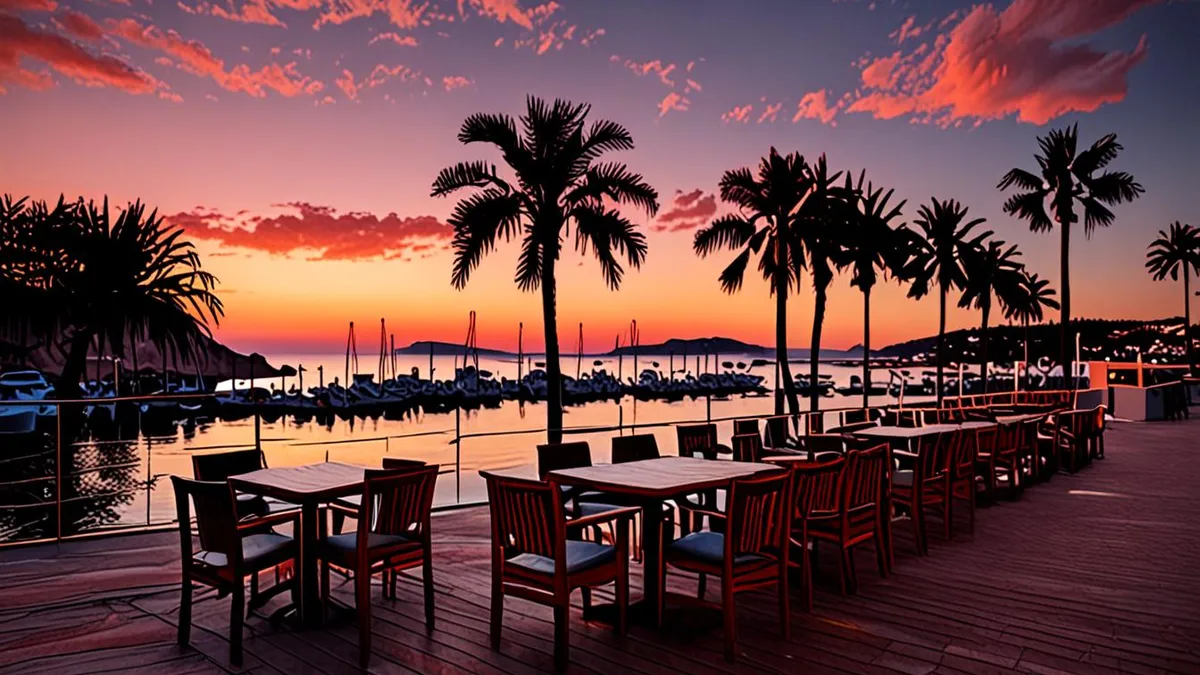
Lively areas sit in the south-west of the island and around Ibiza Town. Staying here puts you close to Playa d’en Bossa’s long beach and its cluster of beach clubs, the bars and sunset strips of San Antonio, and the restaurants, marinas and nightlife of the capital itself. Everything is walkable or a short taxi ride away, which changes the rhythm of your entire stay.
Noise is the real trade-off
The biggest practical difference between the two isn’t scenery or amenities — it’s sound. In July and August, lively areas carry music and traffic late into the night, often past two or three in the morning. Beach clubs thump bass across the sand, scooters buzz along coastal roads, and the party atmosphere follows you back to the villa. If you’re traveling with small children, or you simply value sleeping with the windows open, that background noise matters more than any view.
Quiet areas flip the equation. You trade convenience for stillness: no late-night bass, but also no bars within walking distance and longer drives for dinner out. Neither choice is better in absolute terms — the right answer depends entirely on what kind of holiday your group wants.
Quiet Areas: The North, Centre and West Countryside
Ibiza’s quiet side covers three distinct zones, each with its own character. What they share is space, greenery and a pace of life that feels a world away from the club scene — which is exactly why families and travelers seeking rest tend to start their search here.
The center: Santa Gertrudis and the interior
The central interior, with the village of Santa Gertrudis as its natural anchor, suits families and wellness-focused trips particularly well. Villas here sit in rolling farmland, yet you’re never far from a good village restaurant, a weekly market or a café serving breakfast to local residents rather than partygoers. Days revolve around the pool, long lunches and easy drives to both coasts. If you like the idea of a calm, countryside-based villa holiday, this part of the island has a similar feel to what you’d find browsing quiet coastal villas on Kefalonia — relaxed, green and family-friendly.
The north: San Miguel and Portinatx
The north, around San Miguel and Portinatx, offers the island’s most seclusion. Small coves, pine-covered hills and winding country lanes define the landscape, and development here has stayed modest compared with the south. The trade-off is transfer time: the north sits roughly 30-40 minutes’ drive from the airport, so factor that into your arrival day, especially with tired children in the car.
The west: hills above San Jose
The west near San Jose is the clever compromise within the quiet zone. Hillside villas here come with some of the island’s best sunset views, yet you still have reasonable access to Cala Conta and Cala Bassa — two of the most beautiful beaches on the island, both busy with beach clubs in summer. You get calm nights and the option of lively afternoons when you want them.
Lively Areas: Ibiza Town, Playa d’en Bossa and San Antonio
If your holiday revolves around restaurants, beaches with a soundtrack and nights that start at midnight, the south-west and Ibiza Town area is where you should be looking. Each of the three main lively zones attracts a slightly different type of traveler, and knowing the difference helps you pick the right one.
Ibiza Town: everything on foot
Ibiza Town is the island’s capital and its most polished base. The marina and the old town of Dalt Vila put restaurants, clubs and shopping within walking distance, which makes it ideal for couples who want nightlife without worrying about driving. You can dine at a marina-side restaurant, walk up into the cobbled streets of the old town for views, and still be home in minutes. It’s the most convenient — and generally the most expensive — option on the island.
Playa d’en Bossa: beach clubs on your doorstep
Playa d’en Bossa suits groups who want the island’s biggest clubs and a long stretch of sand lined with beach clubs, all within easy reach. This is the area for a trip where the party is the point: daytime beach beds, sunset drinks and late nights without lengthy taxi rides. Expect a busier, more energetic atmosphere right outside your door.
San Antonio: lively on a budget
San Antonio works well for budget-conscious groups and fans of the famous sunset spots along its waterfront strip. It’s about 25-30 minutes by car from Ibiza Town, so you’re connected to the capital’s nightlife but paying noticeably less for accommodation. The vibe is more backpacker and youth-oriented than Ibiza Town, with plenty of bars, boat trips and affordable eating options. If you’re weighing up lively coastal areas elsewhere in the Mediterranean, the same logic applies when choosing between villa areas on the French Riviera — nightlife access always comes with a premium.
Matching the Area to Your Group
The right area depends far more on who is traveling with you than on any general rule about the island. A villa that feels like paradise for a family with toddlers can feel isolating for a group of friends who want to be out until 3 a.m., and vice versa.
Families with children almost always do better in the north or the central interior. Villas there tend to come with more land, calmer pool areas and neighbors who are also winding down by 10 p.m., which makes early bedtimes painless. If you are weighing a private villa against a hotel for a family trip, it helps to compare the practical differences first — our guide on villa versus resort for families breaks down space, cost and freedom in detail.
Groups whose whole trip revolves around clubs and beach parties should stay south or west of Ibiza Town. The savings on late-night taxis alone can be significant over a week, and nobody has to volunteer as the designated driver after a long night.
Mixed groups — say, couples who want some nightlife plus friends who want peace — often find their best compromise on the west coast near San Jose. You get quiet hillside villas that are still within a 15-20 minute drive of lively beach clubs, so both halves of the group get what they came for.
- Families: look for villas with fenced pools, shaded terraces and a village like Santa Gertrudis within a short drive for groceries and casual dinners.
- Club-focused groups: count the number of bedrooms you actually need versus want, since south-coast villas near the action charge a premium per room in July and August.
- Mixed groups: agree before booking on a rota for who drives on party nights, so the west-coast compromise works for everyone.
Getting Around: Why Location Affects Transport and Budget
On paper, Ibiza looks small enough that location barely matters for transport. In practice, winding country roads, summer traffic and limited night buses mean your villa’s location shapes both your daily routine and your budget.
Outside Ibiza Town and San Antonio, car hire is effectively essential. Villas in the countryside and along the north coast are rarely walkable to shops or beaches, and taxi ranks thin out dramatically away from the towns. Book your rental early for July and August — demand is fierce, and prices climb as availability shrinks. A small car can also matter more than you expect: access roads to rural fincas are often narrow, unpaved in places, and parking near village restaurants is tight in high season.
The trade-off of staying quiet
Staying lively-side, near Playa d’en Bossa or Ibiza Town, saves real money on taxi fares to clubs because you can often walk or take a short ride home. In quiet areas, expect a long drive back after nights out, which adds up in both fare costs and fatigue if you are out every evening. Some larger villas work around this by arranging private drivers for the evening, though that needs to be organized in advance rather than left to chance on the night.
Remote villas also add a wrinkle to arrival and departure days: a longer transfer to and from the airport, plus a drive that can stretch when summer traffic builds. That is worth factoring into your plans, especially if you land late or have an early departure, and it makes a reliable pre-booked transfer or rental car non-negotiable. If your flight arrives in the evening, consider picking up groceries before heading to a remote villa — village shops close early and the nearest supermarket may be a significant drive away.
When to Book and What to Pay
Villa pricing in Ibiza swings more by week than most first-time visitors expect. The same property can cost several times more in August than in May, so when you book matters almost as much as where.
Peak season timing
For July and August stays, plan to book 6-9 months ahead. This is especially true for large villas that sleep big groups and for west-coast properties with sunset views, which are among the first to sell out. Leaving it later means choosing from what is left, usually at a premium.
Shoulder-season weeks in May, June and September are far more forgiving. Booking 3-4 months out is generally enough, and rates are noticeably lower across the board, with warm sea temperatures as a bonus.
What to budget
In high season, expect roughly €3,000 per week for a simple finca, while luxury estates can run €20,000 or more per week. Location plays into this too: quiet rural areas often cost less than equivalent villas close to Ibiza Town, so a secluded north-coast stay can be both the calmer and the cheaper option for the same budget.
Quiet or Lively: Making Your Final Choice
Choosing between a quiet and a lively Ibiza villa comes down to one honest question: what does your group actually want from the trip? Families and relaxation seekers will get more from a rural finca in the north or center, while club-focused groups and couples who want nightlife on foot should stay near Ibiza Town, Playa d’en Bossa or San Antonio. If you cannot pick a side, the west coast is the natural middle ground, with calm hillside villas still within reach of the island’s livelier beach clubs.
Timing matters as much as location. For July and August, book 6-9 months ahead to secure the villa you actually want; shoulder-season trips in May, June and September can usually wait until 3-4 months out. Once you have matched the area to your group and locked in your dates, the decision makes itself. If this helped you decide, leave a comment or share the article with your travel group.