You are booking a resort, the photos look tempting, and then you hit the classic dilemma: the standard room fits your budget, but the suite promises more space and perks. Deciding between resort rooms vs suites can feel like guesswork, especially when the price gap is significant and you are not sure how much you will actually use the extra room.
This guide breaks down what each option really includes, from the typical size of a standard room to what sets a suite apart. We will look at how much more suites usually cost, when a standard room is perfectly sufficient, and when the upgrade genuinely makes sense. You will also learn how to compare suite categories before booking, pick up practical tips for getting the best suite value, and finish with a simple way to choose between the two for your specific trip.
Resort Rooms vs Suites: What Each Type Actually Includes
Inside a standard resort room
A standard resort room puts everything in one space: sleeping area, storage and often a small seating corner with a chair or compact sofa. At around 20 to 35 square meters, the layout works well for two people with luggage, but there is little separation between where you sleep and where you sit. The bathroom is usually compact, with a walk-in shower or a shower-over-tub setup and a single vanity.
What you give up in space, you often gain in location. Many resorts place their standard rooms along the same wings as higher categories, so the difference is mostly square meters and layout rather than views or service.
What a suite adds
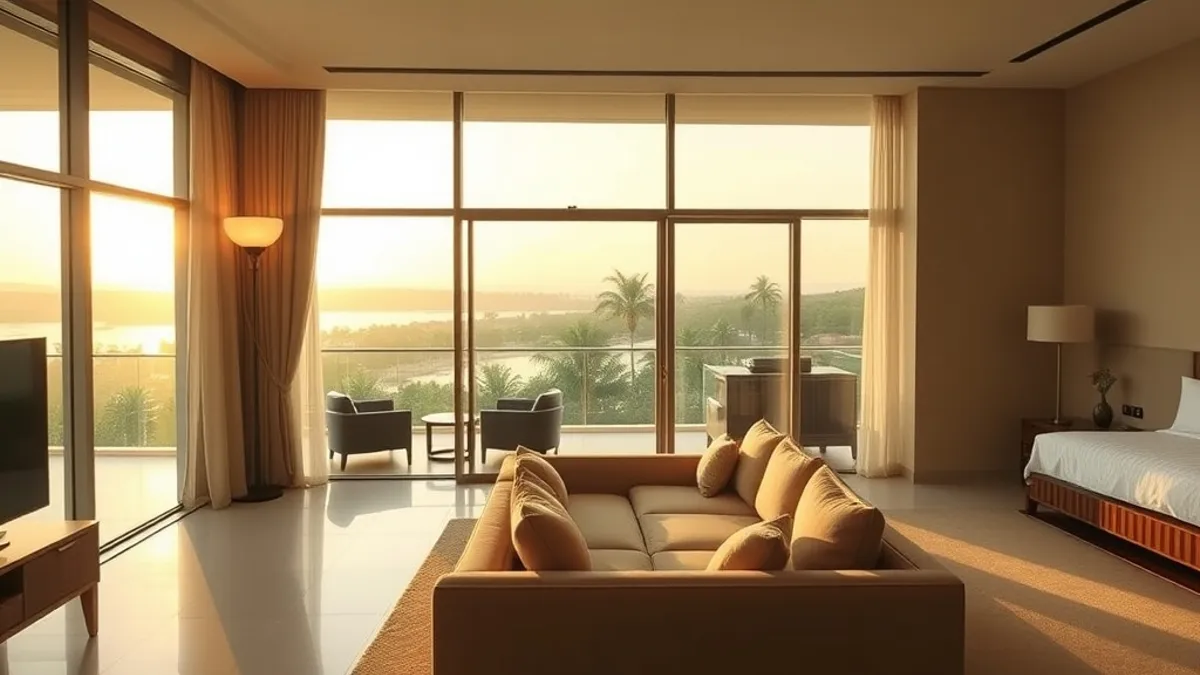
Suites commonly start around 45 to 50 square meters, and the defining feature is a separate living area, sometimes spread across two rooms. Many suites also come with a larger terrace or balcony, which effectively doubles your usable space in warm weather. In practice, this means one person can watch TV or work while the other sleeps, and wet swimwear can stay out of the bedroom.
Bathrooms tell a similar story. Suites often include a bathtub, a double vanity or occasionally a second bathroom, which makes mornings noticeably smoother for families or friends sharing. If you are comparing categories, look past the label and check the actual floor plan, since layouts vary widely between resorts.
Price Differences Between Rooms and Suites
The biggest barrier to booking a suite is the price tag, and it is a real one. Suite rates typically run 50 to 150 percent higher than standard rooms in the same resort, so a room that costs a certain amount per night can easily double once you move up to a suite with a separate living area. That gap explains why many travelers dismiss suites without a second look.
But the headline rate is not the whole story. Timing changes the math dramatically. In shoulder season, roughly May-June and September-October, suite rates often drop 20 to 40 percent below their July-August peak prices. A suite that feels wildly overpriced in midsummer can become genuinely affordable on a late-September date, when the weather at many beach destinations is still warm and the resort is quieter.
Check every category before you decide
Another surprise for many guests: pricing between categories is not always logical. Some resorts price their entry-level or mid-tier suites very close to their top standard rooms, especially in low-demand periods. A junior suite with a small separate sitting area might cost only slightly more than the best sea-view room on the property. If you only compare “standard room” versus “the big suite,” you can miss the sweet spot in between.
The practical approach is simple. Before assuming a suite is out of budget, pull up the full rate calendar for your dates and compare every room category the resort offers, including the ones in the middle of the range. Look at a few different weeks too, since shifting your trip by a couple of weeks into shoulder season can cut the suite premium substantially. And remember that rates change constantly, so always check current prices directly with the resort or your booking platform rather than relying on older figures.
When a Standard Room Is Enough
For many travelers, the honest answer is that a standard room covers everything they need. If you’re a couple heading away for 3 nights or less, you’ll likely spend your days at the pool, on excursions or at the beach bar, and use the room mainly for sleeping and showering. In that scenario, 20 to 35 square meters is plenty of space, and paying a 50 to 150 percent premium for a living room you’ll glance at twice makes little sense.
The same logic applies to travelers mixing a resort stay with activities or city sightseeing. On a 2-to-3-night trip filled with boat tours, dives, day trips or wandering a nearby town, your budget works harder when it goes toward experiences rather than extra square meters. A comfortable bed, a decent shower and reliable air conditioning are what you’ll actually remember using.
Solo travelers and couples who plan to eat every meal at the resort’s restaurants also get limited benefit from suite perks. Without groceries to store or a desire for in-room dining, that kitchenette, dining table and extra fridge space sit largely unused. Before upgrading, think honestly about your daily routine on past trips.
- You’re out before breakfast and back after dinner. If your typical day runs from an early excursion to a late evening show, even a spacious suite becomes little more than a dark room you collapse into.
- You shower and change at the spa or fitness center. Many resorts let guests use facilities until departure, so a late checkout matters less when you can freshen up there instead of lingering in the room.
- You’d rather spend the difference on one good dinner or a spa treatment. The nightly gap between a room and a suite often covers a memorable meal or massage, which for many couples delivers more enjoyment than a sofa they never sit on.
When Upgrading to a Suite Makes Sense
There are moments when a standard room simply is not enough, and knowing them helps you spend wisely rather than automatically. The clearest case is family travel. A family suite usually sleeps 4 to 5 guests comfortably, while a standard room is designed for 2 to 3. Booking two connecting rooms to fit everyone often costs more than one well-chosen suite, and you lose the shared space that makes evenings easier with children. With young kids, putting them down in one sleeping area while adults still have a living room to read or talk in changes the whole rhythm of an evening.
Length of stay matters just as much. On a trip of 5 nights or longer, the higher nightly rate of a suite gets spread across enough evenings that the extra cost per night starts to feel modest. A one-night splurge is a treat; a week in a suite is often a genuinely rational choice. You also settle in differently: unpacking properly, using the extra space for laundry or snacks, and having somewhere to sit that is not the bed all add up over a longer stay.
- Remote workers and evening relaxers: if you answer emails after breakfast or wind down indoors at night, a separate living area means one person can sleep while the other works or watches a show without whispering in the dark.
- Romantic breaks: suites often come with the extras couples actually use, such as a private terrace for sunset drinks, a bathtub instead of a walk-in shower, and sometimes a second bathroom so getting ready never becomes a queue.
- Longer dinners in: if you like ordering room service or having aperitifs before dinner, a suite’s living area turns that into an experience rather than balancing plates on the bed.
How to Compare Suite Categories Before Booking
Not every suite is created equal, even within the same resort. Category names like “junior suite” or “deluxe suite” can describe very different rooms, and a flattering label does not guarantee more space or comfort. Two resorts can use the same suite name for layouts that feel completely different once you step inside, so a few minutes of comparison before booking saves real disappointment later. The good news is that this homework takes little time and costs nothing. Work through these steps in order before you commit to the higher rate:
- Check the square meters and layout on the resort website. Suites commonly start around 45 to 50 square meters, but some “suites” fall well short of that. Look at the floor plan, not just the number, to see how the space is actually divided and where the windows sit.
- Confirm what “living area” really means. Ask or check whether it is a separate room with a door, or simply a sofa in the corner of the sleeping space. The difference matters enormously if you plan to use it in the evening.
- Compare views and floor level across categories. A sea-view standard room can beat an inland suite facing a car park. Decide which matters more to you before paying for the bigger category.
- Read reviews that mention the specific suite type. Quality can vary noticeably between suite categories in one resort, so search reviews for the exact name you are considering rather than judging the resort as a whole.
Ten minutes of this homework usually reveals which suite is genuinely worth its price and which one is riding on a flattering name. It also gives you a shortlist to compare directly with the resort’s best rooms, which is often where the real value hides. If the numbers look close, email the resort with your two or three favorite options and ask them to describe the practical differences — staff answers are often more honest than the marketing copy.
Booking Tips for Getting the Best Suite Value
Suites cost more, but the gap between paying full price and paying smartly can be substantial. Suite rates typically run 50 to 150 percent higher than standard rooms in the same resort, so timing and a little persistence matter. Book too late in peak season and you will likely pay the top of that range; plan ahead and the same suite can cost noticeably less. The difference between the two approaches often covers an extra night or a couple of resort dinners, which makes the booking strategy just as important as the category you pick.
For summer trips, especially to mountain destinations like the Austria Alps resorts for summer holidays, family suites are the first category to disappear. Reserve 2 to 4 months ahead for July and August stays if a suite is a priority rather than a hope. Shoulder-season dates reward you too: off-season and shoulder-season suite upgrades are often 20 to 40 percent cheaper than in July and August, for the very same room. Shifting your dates by even a week or two can therefore change the math completely, and it costs nothing to check both options before you commit.
- Ask directly before arrival: contact the resort a few days out and ask about free or paid upgrade offers. Resorts with unsold suites sometimes release them at attractive rates rather than leave them empty.
- Read the cancellation terms first: suite rates are often less flexible than standard rates. Before committing to the higher nightly price, check whether you can change dates or cancel without penalty if plans shift.
- Compare mid-tier suites against top rooms: some resorts price their entry-level suite close to the best standard rooms, so check every category before assuming a suite is beyond your budget.
Choosing Between a Room and a Suite
The answer comes down to your trip, not the category name. A standard room of 20 to 35 square meters suits short trips of up to 3 nights, couples, and travelers who spend their days out and about. If you only sleep and shower in the room, the upgrade money is better spent elsewhere.
A suite makes sense for families of 4 to 5, stays of 5 nights or longer, and anyone who values a separate living space in the evening. Before booking, weigh the 50 to 150 percent price gap against how much time you will actually spend in the room. Do that simple math, and the right choice usually becomes obvious. If this helped you decide, leave a comment or share the article with a fellow traveler.