Booking an all-inclusive resort should be simple, but one question trips up a lot of travelers before they even pack: is all-inclusive food self-serve, served at the table, or both? It matters more than you might think. The dining setup shapes your mornings, decides whether you need to book dinner days in advance, and affects how relaxed or structured your days feel. Some resorts lean heavily on a sprawling buffet, others build the experience around themed à la carte restaurants, and many blend the two.
This guide walks through the whole picture, starting with what all-inclusive food actually includes and how buffet dining works day to day, from breakfast through dinner. We then explain how à la carte restaurants fit into your package, including reservations and any limits on visits. You’ll find a comparison to help you match the dining style to your trip, plus what happens between meals with drinks and snacks, and how to check the setup before you book so you can choose with confidence.
What All-Inclusive Food Actually Includes
A standard all-inclusive package centers on the main buffet restaurant. Your stay typically covers breakfast, lunch, dinner and afternoon snacks, all served from the same large dining room with rotating stations and self-service drinks. For most guests, this buffet handles the majority of meals during the week — it’s the backbone of the package.
Drinks work on a similar “included but defined” principle. What’s covered is usually local beer, house wine, basic spirits and soft drinks, available during set hours that run roughly from 10:00 to 23:00. Outside those hours, or outside that drinks list, you pay as you go.
What usually costs extra
Even on a full all-inclusive package, some items are almost always billed separately. Imported spirits and premium wines sit at the top of most supplement lists, and fresh juices often fall outside the package too. Minibar items are another common exception — many resorts charge for them regardless of your board basis, so check whether yours is stocked free or priced per item.
Don’t confuse all-inclusive with half-board or full-board
These are different products, and mixing them up is a classic booking mistake. Half-board covers two meals only, usually breakfast and dinner. Full-board covers all three meals but does not include drinks beyond what’s served with them. If drinks matter to you, note that half-board guests usually pay around 15–30 EUR per day to upgrade to a full all-inclusive drinks package — sometimes it’s cheaper to book all-inclusive from the start.
How Buffet Dining Works Day to Day
Buffet dining runs on fixed serving windows, and knowing them shapes your whole day. Breakfast typically runs from around 7:00 to 10:00, lunch from 12:00 to 14:00, and dinner from 18:30 to 21:00. Between those windows, snack bars fill the gaps, so you’re rarely more than an hour from food — but if you like eating at 10:30 or 16:00, the buffet itself will be closed.
Menus change daily because buffets rotate themes. You might get a local specialty night one evening, Italian the next, and a grill night after that. The rotation keeps the week interesting, but most resorts repeat the cycle weekly, so a two-week stay means seeing the same menus twice.
Show cooking stations are the buffet’s best feature at busy times. Chefs prepare pasta, eggs and grills to order in front of you, which spreads the queue across several stations instead of funneling everyone through serving trays at peak hours.
- Arrive early at dinner for the freshest trays. Dishes are replenished constantly, but the first 30 minutes of a serving window usually offers the widest selection before popular items need restocking.
- Themed nights draw bigger crowds. Grill and seafood evenings tend to fill the dining room faster than standard nights, so shifting your dinner time by 30 minutes can mean a shorter line.
- Snack bars have a much smaller menu. Expect a handful of options like burgers, pizza and salads rather than the full buffet spread — useful for bridging hunger, not for a proper meal.
- Table turnover matters at peak times. Large buffet rooms seat hundreds, but families linger at dinner, so walking in right at opening time is the easiest way to get a table without waiting.
One thing that surprises many first-time guests: dress codes still apply at dinner, even in the buffet restaurant. Swimwear is out, and covered shoulders are required. Pack at least one presentable dinner outfit, because the rule is enforced at most resorts.
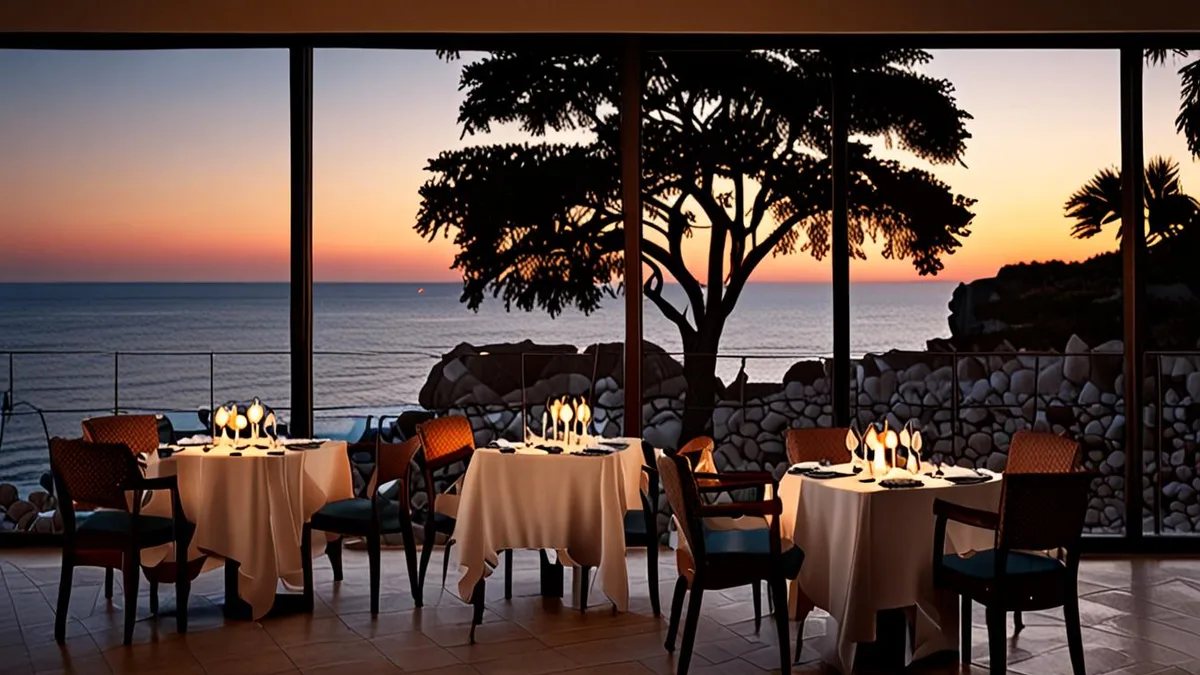
À La Carte Restaurants: What Counts as Included
À la carte restaurants are the upgrade tier of all-inclusive dining: plated service, a proper menu and a smaller room. Most all-inclusive resorts include 2–3 à la carte dinners per week in the standard package. If you want more visits than your allowance, extra dinners are typically charged at around 15–30 EUR per person — worth it for a special night, but it adds up quickly if you’d rather skip the buffet every evening.
How reservations work
Bookings usually open 1–3 days in advance, and popular venues fill within hours of the booking window opening. The practical takeaway is simple: book on arrival day. Ask at check-in how the system works — some resorts use a front desk or concierge, others an app — and secure your first slots immediately. Wait until day three and you may be choosing from leftover times at the least popular venue.
What the included menu actually covers
Here’s where expectations often clash with reality. The included à la carte dinner is frequently a reduced set menu rather than the full list. Steak, seafood and other premium dishes usually carry an a la carte supplement, charged on top of your package even though the restaurant itself counts as an included visit. Ask to see the included menu before you commit a slot, so you know whether the dishes you want cost extra.
Capacity is the other constraint. These venues often hold just 50–100 diners per evening, which usually means one seating per night rather than a rolling turnover like the buffet. That’s exactly why slots run out so fast — a 60-seat restaurant simply cannot absorb the whole resort in one evening. If a particular restaurant is your priority, treat its reservation like a limited resource and claim it early in your stay.
Buffet vs À La Carte: Which Suits Your Trip
Traveling with young children? The buffet will likely be your best friend. There are no reservation times to juggle around nap schedules, and picky eaters can build their own plates from endless kid-friendly options like pasta, fruit and plain grilled chicken. If a toddler melts down mid-meal, you simply get up and leave without feeling you have wasted a booking.
Why couples often lean toward à la carte
Couples tend to prefer the speciality restaurants for good reason. Plated service, a calmer pace and quieter dining rooms of roughly 50–100 seats create an evening that feels like a real night out rather than a canteen run. If your trip is as much about time together as the destination, it makes sense to use your included à la carte visits for the nights that matter most.
Matching the setup to your stay
Length of stay changes the math. On a week or longer, even a good buffet gets repetitive by mid-week, so resorts that offer both formats let you rotate between them and avoid buffet fatigue. On a short three- or four-night trip, you may happily eat buffet every day and never miss the à la carte scene.
One last detail for late eaters: check the dinner hours before you assume anything. À la carte seatings often end earlier than buffet service, so if you like eating at 21:00 or later, the buffet may be your only realistic option some nights.
Drinks, Snacks and Hours Between Meals
Most all-inclusive drink service runs from about 10:00 to 23:00, typically covering locally produced beer, wine, spirits and soft drinks. Order after that cutoff and the bar switches to normal billing, so a late-night cocktail can quietly appear on your final bill at checkout. If you enjoy a nightcap, ask on arrival whether your resort keeps one bar open around the clock or whether service simply stops for the night.
Between meals, snack bars typically operate from roughly 10:00 to 18:00 with a limited menu: burgers, pizza, salads and ice cream. They will not replace a proper lunch, but they save the day when you return from an excursion at 16:30 and the buffet is long closed.
- Pool bars usually serve drinks in plastic cups for safety around water, so do not expect your cocktail to arrive in a fancy glass by the pool.
- Lobby bars generally use proper glassware and carry the wider drinks list, including cocktails that the pool bar may not stock.
- Room service is rarely part of a standard all-inclusive package and usually carries a delivery fee, sometimes with a reduced menu after hours.
- Premium drinks such as imported spirits, top-shelf wines and fresh juices are commonly charged extra, so ask for the included list on day one.
A quick habit that pays off: photograph the drinks list and snack menu on your first day, then note which bar stays open latest. You will know exactly what is free, what costs extra and where to go at each hour, without hunting down a staff member every time you want a refill.
How to Check the Dining Setup Before You Book
A little research before booking saves a lot of disappointment at check-in. Dining setups vary enormously between resorts, and the booking site summary rarely tells the whole story. Two resorts can both advertise “all-inclusive dining” while offering completely different experiences: one with a single buffet and a small snack bar, another with several speciality venues and generous drink service. Since meals are a major part of what you pay for, it pays to spend a few minutes verifying the details before you commit. Here is a simple routine to follow.
- Read the hotel’s own dining page. The resort website lists the exact number of restaurants and how many à la carte visits are included, details that generic booking summaries often leave vague or get wrong. Look for the actual restaurant names and cuisines, not just a count.
- Filter recent reviews for keywords. Search reviews for words like “buffet”, “reservation” and “drinks” to spot recurring complaints about long queues, hard-to-get bookings or aggressive upselling of premium packages. Reviews from the last few months tell you more than a hotel’s marketing copy.
- Confirm how à la carte reservations work. Some resorts let you book speciality restaurants online before arrival, while others only take bookings at the front desk on check-in day, when the best slots may already be gone. Knowing the system in advance lets you act fast.
- Ask about dress codes and children’s policies. Many speciality venues require long trousers or covered shoulders at dinner, and some are adults-only, which matters if you are traveling with kids. A quick email to the resort settles any doubt.
Ten minutes of this homework tells you whether a resort truly matches how you like to eat. It also gives you realistic expectations: you will know in advance whether you are booking a resort with three speciality restaurants or one, and whether you will need to race to the front desk on arrival day. That small effort can be the difference between a dining setup you enjoy and one you spend the week working around.
Choosing Your Dining Style With Confidence
So, how does all-inclusive food actually work? In practice, it is a mix. Most of your meals come from the main buffet, while a limited number of à la carte dinners are included each week, often two to three visits that need booking one to three days ahead. Drinks are typically covered through the day and evening, roughly until 23:00, with imported spirits, premium wines and fresh juices commonly charged extra.
The two styles suit different moments of the same trip. Buffets give you flexibility and endless variety, ideal for families and relaxed days. À la carte restaurants bring atmosphere and plated service, but slots fill fast in dining rooms of 50–100 seats. Checking restaurant counts, included visits and dress codes before you book prevents most dining surprises. If this helped you plan your next trip, leave a comment or share the article.