You’ve found two lodges that both look perfect on screen: one with a deck stretching over calm water, the other tucked among tall trees with a trailhead at the gate. Both photos are gorgeous, both reviews are glowing, and now you’re stuck. Choosing between lakeside and forest lodges is a common dilemma, and the good news is that a clear decision is possible once you know what each setting actually delivers day to day.
This guide walks you through the choice step by step. We’ll compare what lakeside and forest lodges really offer, match each setting to the right season, weigh water sports against woodland trails, and look at how weather, light and comfort differ between the two. We’ll also cover budget and booking lead times, which travelers each lodge type suits best, and finish with a simple way to wrap up the lakeside vs forest choice for your specific trip.
Lakeside and Forest Lodges: What Each Setting Really Offers
Lakeside lodges sell a feeling of openness. You wake to light bouncing off the water, watch the sun come up over the shore, and step straight from your room toward swimming, kayaking or a boat moored at the dock. Evenings tend to revolve around the terrace: a drink in hand, the water going pink and then dark, maybe a fire pit near the shoreline. If your ideal day involves being on or beside water, this is the setting built for it.
What forest lodges give you instead
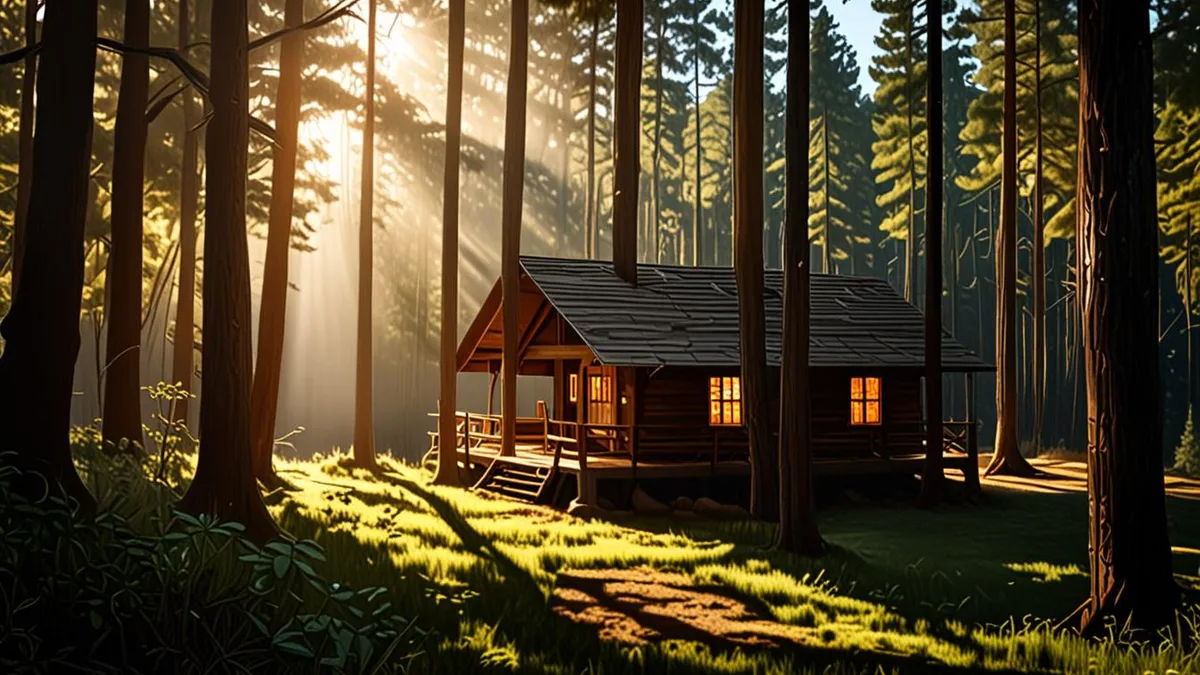
Forest lodges trade openness for enclosure in the best sense. You’re shaded, screened from neighbors by trees, and woken by birdsong or rustling canopy rather than boat engines. Trails usually start at the door, so a morning hike needs no driving, and wildlife watching becomes part of the routine rather than a planned excursion. The mood is quieter and more private, especially on weekdays.
Neither option is objectively better. A lakeside lodge dominates a trip built around swimming and sun; a forest lodge wins a trip built around hiking, reading and stillness. The honest question to ask yourself is which activities and moods will fill most of your days, not which photo looks nicer. Match the setting to that answer and the choice usually makes itself.
Match the Setting to Your Season
Season decides more about your experience than the lodge itself. Lakeside lodges are at their best from June to August, when the water is warm enough for real swimming and the shore is in full summer mode. May and September are the smart alternative: the water may be too cool for long swims, but you get quieter shores, easier parking at the dock and typically lower rates than peak summer.
Forest lodges work year-round, but two windows stand out. Late September to mid-October brings foliage at its peak, when the canopy turns and the trails are at their most photogenic. Winter is the second: snow on the trees, a wood stove going and that cozy cabin feel that lakeshores can’t match in the cold months.
- Check water temperature, not just air temperature. Lakes can stay chilly well into June even when the weather feels summery, so confirm swimming conditions with the lodge if a dip is the point of your trip.
- Book foliage dates far earlier than you’d expect. Autumn forest lodges sell out quickly because the peak color window is short and everyone targets the same two or three weekends.
- Ask about lake access in shoulder months. Some lakeside lodges scale back boat rentals or dock services in May and September, which matters if you’re planning on kayaking rather than just the views.
One clear warning: avoid lakeside in shoulder months if water activities are your main goal. The swimming season is short, and a September trip built around the lake can end up revolving around a terrace instead.
Activities: Water Sports vs Woodland Trails
Be honest about how you’ll spend your days, because that single answer usually settles the choice. Pick lakeside if your schedule centers on kayaking, paddleboarding, boat trips or an evening swim before dinner. The water is right there, gear is usually on site, and you can fit in an hour on the lake without any driving or planning.
Pick forest if you want hiking from the doorstep, birdwatching at first light, foraging in season and noticeably darker skies at night. Trail access without a car journey changes the shape of a trip: you can walk before breakfast, again after lunch, and still be back for a fire. Wildlife watching also tends to be richer where there’s continuous cover.
- Lakeside bonus: gear and guides on site. Many lakeside lodges keep kayaks, paddleboards or small boats for guests, and some can arrange guided boat trips, so you don’t need your own equipment or experience.
- Forest bonus: night sky quality. Tree cover blocks stray light from nearby roads and buildings, so stargazing from a clearing or deck is often far better than at an open lakeside property.
- Foraging and birdwatching need local knowledge. Ask the lodge about guided walks or trail maps marked with birding spots; a good local tip can turn a generic forest walk into the highlight of the trip.
For mixed trips, forest lodges near a lake shore give you both settings in one stay: trails from the door and water a short walk away. The trade-off is that these properties are fewer and further between, so expect a smaller choice and book earlier than you would for either pure type.
Weather, Light and Comfort Differences
Lakeside lodges trade shade for light, and that changes how your day feels from morning to evening. An open shore gets full sun for most of the day, plus a steady breeze off the water. That combination is hard to beat if you’re there to swim, sunbathe and read on a deck chair. The flip side shows up fast on a windy or rainy day: there’s nothing to break the weather, so exposed terraces can feel bleak and you’ll end up indoors more than you planned.
Forest lodges sit at the opposite end of the comfort spectrum. Tree cover cuts direct sun, which keeps summer afternoons around 3-5°C cooler than an open lakeshore. The canopy also shelters you during rain, so a drizzly afternoon doesn’t end your walk or your time on the porch. If you run hot or you’re traveling in a heatwave-prone region, that difference alone can decide the trip.
Light inside your room matters more than you’d think
Early summer mornings over water are bright and early, and lakeside rooms without good blackout curtains will wake you with the sun. Check reviews for mentions of curtains before you book, or pack an eye mask. Forest rooms have the opposite problem: heavy canopy means dim interiors by mid-afternoon, so look for lodges with generous windows or strong midday lighting if you like reading in your room.
Budget and Booking Lead Times
High summer is when the price gap between the two settings is widest. Expect lakeside rooms to cost 15-30% more than comparable forest rooms in July and August, driven by demand for water access and the fact that the swim season is short. If you’re dreaming of a water-focused trip, it’s worth seeing what that premium actually buys you before committing — a good starting point is this guide to lakeside lodges in Finland for a summer holiday. Look closely at what the rate includes, too: some lakeside properties bundle kayaks, saunas or boat use into the price, which can soften the gap more than the headline number suggests.
Lead times differ just as much as prices. The most desirable lakeside lodges — especially those with private shore access or their own docks — sell out long before the warm months arrive, so plan to book 3-6 months ahead for July and August dates. Forest lodges, by contrast, work year-round and stay flexible outside the short foliage window, which makes them far kinder to last-minute plans and budget tweaks.
- Private shore access is the scarcest feature. Lodges with their own beach or dock have the smallest inventory, so treat them as premium stock and commit early.
- Shoulder months soften lakeside pricing. May and September often bring quieter shores and lower rates, though swimming may be off the table — check water temperatures if that matters to you.
- Foliage season is the forest exception. The late September to mid-October color rush behaves like high summer: book those weeks as far ahead as you would a July lake stay.
- Spontaneous trips favor the woods. Outside foliage season, forest lodges are often bookable 4-8 weeks ahead, so a free weekend can turn into a real getaway.
Who Each Lodge Type Suits Best
The best way to choose is to picture your typical morning and your typical travel companion. If the image involves coffee on a terrace, a wide view and no particular plan until noon, a lakeside lodge will deliver exactly that. Water views reward slow travelers: the scenery changes with the light all day, and there’s real pleasure in doing very little while watching it.
When the forest is the better fit
Active travelers usually get more from a forest setting. Trailheads at the doorstep mean you can squeeze in a morning hike before breakfast, and birdwatching and foraging are simply better under canopy. Dog owners should lean forest too: shaded paths are kinder to paws on warm days, and woodland lodges tend to be more relaxed about four-legged guests — though always confirm the pet policy before booking. Quiet-seekers also do well here, since trees absorb sound and lodges are often spaced further apart.
Families with young children
Water is wonderful, but it demands supervision. Families with small children often do better at lakeside lodges that offer shallow, gently sloping swim spots close to the lodge itself, so parents can keep an eye on kids while relaxing nearby. Ask specifically about water depth and how far the swim area is from your room — those two details matter more than any amenity list.
Wrapping Up the Lakeside vs Forest Choice
When two lodge settings both look tempting online, the fastest way to decide is to picture your main daily activity. If your trip revolves around swimming, kayaking or boat trips, lakeside wins for water access, open views and summer energy. If you want shade, seclusion and doorstep trails, forest wins, and it holds its value across more of the year.
In practice, season, budget and booking lead time decide more than the setting itself. Match the lodge to your main activity, then book within the lead times covered above: several months ahead for peak lakeside summer, or a few weeks ahead for forest stays outside foliage season. If this helped you choose, leave a comment or share the article with a travel partner.