You’ve walked past that resort a dozen times—the one with the palm-fringed pool and loungers you’d love to sink into—and wondered whether you could enjoy it without paying for a night’s stay. That’s exactly what a resort day pass promises: a few hours of pools, beaches or spa time for a fraction of the cost of booking a room. The catch is that passes vary enormously in what they include and how much they cost, so the deal can be excellent or a complete waste of money depending on your plans.
This guide walks you through how day passes work, what’s typically included in the base price, and what you can expect to pay in European resort destinations. You’ll also find clear advice on when a resort day pass is genuinely worth buying, when you’re better off skipping it, and how to book one without falling for hidden extras.
What Is a Resort Day Pass?
A resort day pass is exactly what it sounds like: permission to use a resort’s facilities for a single day without booking a room. Instead of paying for an overnight stay, you pay for access to the parts of the property that day visitors can enjoy—swimming pools, beach areas, gardens and, at some properties, the spa. It’s a way to sample a resort you might otherwise never set foot in, or to upgrade an ordinary day of your holiday with proper loungers and a well-kept pool.
How long can you stay?
Most day passes run from roughly 9:00–10:00 in the morning until 17:00–18:00 in the late afternoon. That gives you a solid seven to nine hours, which is far more time than most people actually need to swim, sunbathe and unwind. Check the exact hours before you go, because some resorts restrict day visitors to shorter windows than overnight guests enjoy.
How do you get one?
Availability varies a lot from property to property. Some resorts sell passes openly on their websites, letting you reserve and pay in advance like any other ticket. Others only offer them to walk-in visitors, or release passes only on quieter days when the pools aren’t full. In practice, this means it pays to contact the resort directly if you can’t find anything online—many properties that don’t advertise day passes will still sell them, especially outside the busiest weeks of the year.
What Does a Resort Day Pass Usually Include?
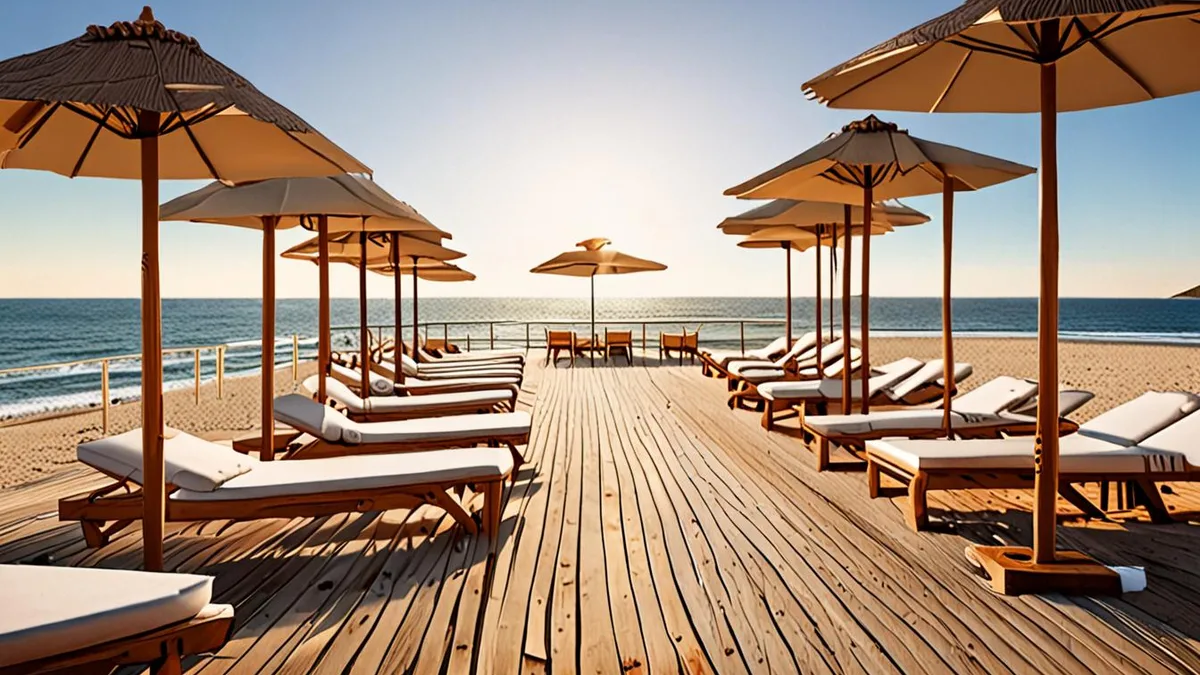
A base day pass usually covers the essentials: swimming pools, sun loungers, umbrellas and sometimes towels. At beach resorts, that typically means access to the designated day-visitor stretch of loungers along the shore or around the main pool. It’s a fair setup—everything you need for a comfortable day by the water is there—but the base pass is rarely the whole story.
Extras are where resorts make their margin. Spa treatments, private cabanas, lunch and drinks are typically charged separately, adding €10–€30 per person if you say yes to a few of them. That’s not necessarily a rip-off, but it changes the math considerably if you were budgeting for the pass price alone.
Wellness-focused resorts in Alpine areas work a little differently. Spa day passes there often range €30–€60, and that price usually includes saunas and thermal pools rather than just a lounger. In those cases the “extras” model is reversed—the wellness facilities are the main product.
Before you pay, it helps to know which items usually sit outside the base pass:
- Cabanas and premium loungers: front-row or shaded spots are often reserved for guests or sold as a paid upgrade, sometimes with a minimum spend on food and drinks.
- Towels: some resorts provide them free with the pass, others charge a rental fee or require you to bring your own—worth checking if you’re flying in with hand luggage only.
- Food and drink minimums: a few beach clubs fold part of the pass price into a credit you can only spend on-site, which sounds generous until you realize lunch prices reflect it.
- Spa areas at beach resorts: saunas, hammams and treatment rooms are almost always separate from a pool-and-beach pass, even at large properties.
How Much Does a Resort Day Pass Cost?
Day pass prices vary more by resort type than most travelers expect. Beach resorts usually sit at the lower end of the typical range, where your money mainly buys a lounger and pool or shore access. Spa resorts command the higher end, since you’re getting access to thermal pools, saunas and wellness areas that cost real money to run. Alpine wellness properties often price their spa passes somewhere in the middle of the spectrum, and the exact rate depends on how extensive the sauna and pool circuit is.
Timing changes the price
Prices peak in July and August, when demand is highest and resorts can afford to be picky about who gets in. Visit in shoulder season instead—May–June or September–October—and passes are usually the cheapest of the year, with the added bonus of thinner crowds around the pool. If your travel dates are flexible, shifting a resort day from mid-August to late September can save a meaningful amount per person.
The family budget reality
Day pass costs add up fast when you’re traveling with children. A family of four can easily spend well over a hundred euros on passes alone, before a single lunch, ice cream or drink is added on top. At that point, you’re approaching the price of a budget hotel night, so it’s worth asking whether the whole family will genuinely use the facilities all day. If the answer is yes, the math can still work—but if half the group will be bored by mid-afternoon, look for resorts with children’s rates or free entry for younger kids to soften the total. It also pays to check whether kids’ facilities are reserved for overnight guests, since that changes the value calculation considerably.
When a Resort Day Pass Is Worth Buying
The simplest way to decide whether a resort day pass makes sense is to think in hours rather than euros. If you plan to genuinely use the facilities for four hours or more—swimming, lounging, eating lunch on site, maybe squeezing in a sauna session—the per-hour value starts to look reasonable next to what you’d pay for a nice lunch or a museum visit. But that math only holds if you actually stay for the bulk of the day. Arriving mid-morning and leaving by noon changes the calculation completely, and at that point a public beach or municipal pool is usually the smarter choice.
Where day passes deliver the best value
Three situations stand out. First, the rainy-day pool upgrade: if you’re on a self-catering holiday and the weather turns, a resort pool with loungers and fresh towels beats a cramped apartment with bored kids. Second, a spa day in the Alps, where wellness passes often include saunas and thermal pools and are easy to stretch across a whole afternoon. Third, a beach-club day between city sightseeing—if you’re touring the coast, a single relaxed day at a resort can be the perfect counterweight to museums and old towns. Travelers exploring the Croatian coastline, for example, can mix sightseeing trips with a resort day at one of the many beach resorts along the Adriatic.
Timing matters too. Weekday visits outside July and August usually mean fewer crowds at the pool and often lower prices. Some resorts restrict passes to quieter days anyway, so a Tuesday in June is frequently the easiest and cheapest option. If your travel dates are flexible, aim for shoulder season and midweek, and you’ll get the resort experience at its most pleasant—calm water, available loungers and staff who aren’t stretched thin.
When You Should Skip the Day Pass
Day passes are only a bargain if the numbers work in your favor. The biggest mistake travelers make is buying one for a visit they expect to be brief. If you’d realistically stay just one or two hours, the hourly cost climbs well above what a public beach or a municipal pool charges—and those alternatives often cost only a few euros. Unless the resort offers something you genuinely can’t find elsewhere, a short visit rarely justifies the price.
There’s also the question of what you’re actually paying for. Some resorts keep their best features for overnight guests, so a pass may only cover a fraction of what the brochure promises.
- Kids’ clubs and supervised activities: these are frequently reserved for children of registered guests, so families may pay full price for a pass and still need to entertain their kids themselves.
- Evening entertainment and shows: since most passes end by 17:00–18:00, you’ll miss the events that give a resort its atmosphere anyway.
- Peak weekends in July and August: availability is often limited, prices sit at their highest, and pools and loungers can be crowded enough to undercut the whole point of a relaxing day.
Before buying, ask one honest question: will this pass give me a full, comfortable day that I couldn’t get cheaper nearby? If the answer is no, put the money toward a good lunch and a spot on the public beach instead.
How to Book a Resort Day Pass
Booking a resort day pass is usually simple, but the details vary a lot from one property to the next. A few minutes of preparation will save you from arriving to find no passes left—or paying extra for things you assumed were included. Here’s how to plan it properly.
- Check the resort’s website first. Many resorts sell passes online, which lets you compare options and secure a spot before you travel. Some properties, however, only release passes 1–3 days ahead, so don’t be surprised if far-off dates show nothing available yet. If the calendar looks empty, try again closer to your date.
- Book early for peak-season weekends. In July and August, popular resorts may need booking a week or more in advance, especially for Saturday and Sunday dates when demand is highest. Midweek passes are typically easier to get, and some resorts limit passes to weekdays or off-peak dates altogether—another reason to check the booking terms before you set your heart on a specific day.
- Confirm exactly what’s included before paying. Towels, parking and lunch are the most common hidden extras. Ask whether the base pass covers loungers and umbrella use, and whether food and drinks are charged to your wristband or paid separately at the bar.
- Check the access hours. Day passes generally give you the full day—most open in the mid-morning and close by early evening—so plan your arrival and departure around the window you’re actually paying for. Arriving at 15:00 for a pass that ends at 18:00 rarely feels like good value.
One last tip: if a resort doesn’t list passes online, call or email directly. Some properties only offer passes to walk-in visitors or on quieter days, and a quick message can tell you whether a same-day spot is realistic. Keep the confirmation handy on your phone, arrive early to claim a good lounger, and you’ll get the most out of the hours you’ve paid for.
The Bottom Line on Resort Day Passes
So, is a resort day pass worth buying? If you’re tempted to enjoy a resort’s pools, beaches or spa without paying for an overnight stay, the answer depends on how you use it. A day pass gives non-guests single-day access to those facilities, typically for €20–€80 per person in European resort destinations. It delivers the best value when you settle in for a long, leisurely visit in shoulder season and on weekdays, when prices are usually lower and crowds thinner.
On the flip side, it’s a poor deal for short stays of an hour or two, for peak weekends in July and August when pools fill up and passes may be limited, and for resorts whose best facilities—like kids’ clubs or evening entertainment—are reserved for overnight guests. Match the pass to your plans and it can be a genuinely affordable luxury. Have you bought a resort day pass lately? Share your experience in the comments or pass this article along to a fellow traveler.