Malta squeezes sandy beaches, megalithic temples and baroque city streets onto one small island, which makes choosing the right base surprisingly high-stakes. Pick the wrong spot and you can spend half your trip in transfers instead of swimming or sightseeing. The good news: because the island is so compact, a well-chosen resort lets you combine a morning at the beach with an afternoon in Valletta or Mdina without ever feeling rushed.
This guide walks you through why Malta resorts work so well for combined beach and culture trips, which areas suit which travelers, and what rooms realistically cost through the year. You’ll also find honest notes on beach access from each coast, the culture sights within easy reach of every base, and a simple framework for matching your resort to your trip style, whether you’re chasing nightlife, quiet coves or cathedral interiors.
Why Malta Resorts Suit Beach and Culture Trips
Malta’s biggest advantage for travelers is its size. The island runs about 27 km from end to end, which means a single resort base can realistically serve both a lazy beach morning and an afternoon wandering Valletta’s streets or Mdina’s silent alleys. Most sights sit within a 30-60 minute drive of any base, so you rarely face the long transfers that plague bigger destinations.
Two very different ways to stay
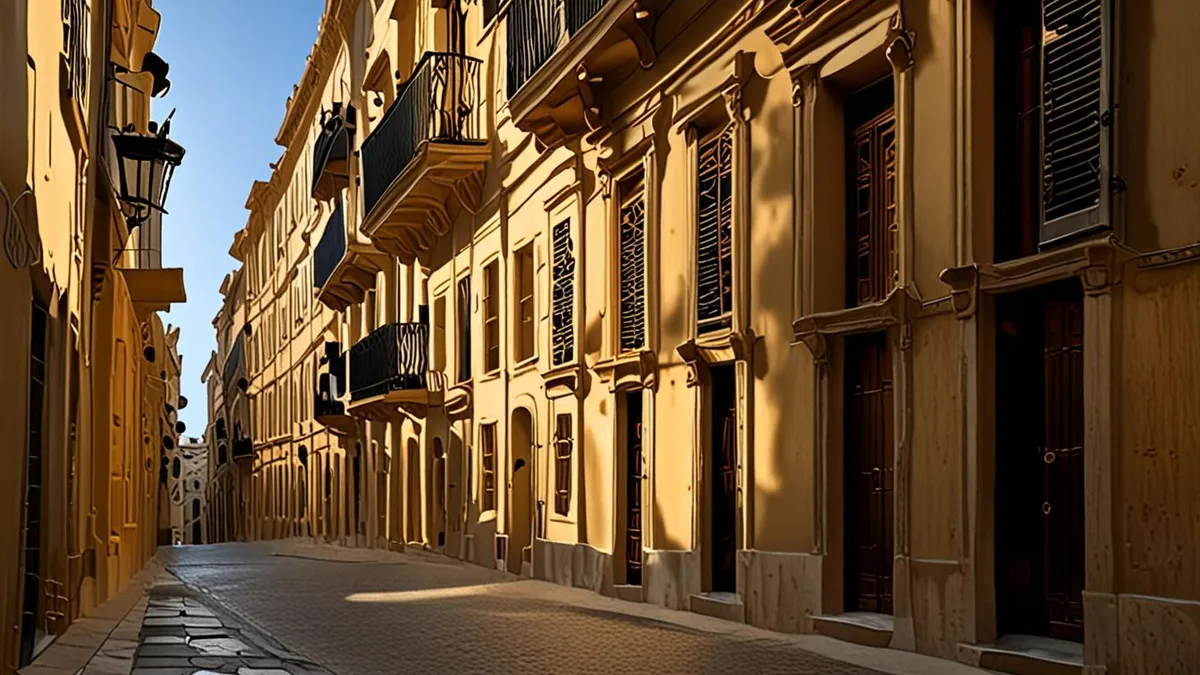
Resorts cluster along the northern coast, close to the island’s sandy beaches, and this is where most classic beach holidays happen. If culture is your priority instead, Valletta offers boutique stays inside the UNESCO-listed capital itself, letting you step out of your hotel straight into baroque architecture and harbor views. Many travelers mix the two, splitting a trip between a coastal resort and a city stay.
The sea season is another strong point. The water is typically swimmable from roughly late May to early October, giving you a long window to combine beach time with sightseeing. Even in the shoulder months, when the sea is cooler, mild weather makes walking around Valletta and Mdina comfortable, so a culture-heavy trip rarely feels like a compromise on the beach front.
Best Areas to Stay in Malta
Malta divides neatly into a handful of resort areas, each with a distinct personality. The trick is matching the base to what you actually want from your days, because a hotel in the wrong area can quietly reshape your whole trip. Here’s how the main contenders compare, starting with the liveliest stretch of coast.
St Julian’s and Sliema form the island’s liveliest resort strip, backed by seafront promenades that are perfect for evening walks. You’re only 15-20 minutes from Valletta by bus or car, so culture days stay easy. Mellieha and the northwest sit at the other end of the spectrum: quieter, family-friendly, and home to the closest access to Malta’s largest sandy beach. Valletta and the Three Cities flip the formula entirely, putting you inside the history but far from good swimming. St Paul’s Bay and Qawra sit in the middle ground, offering solid value and practical transport links.
- St Julian’s nightlife: the Spinola Bay area is ringed by waterside restaurants, and the Paceville district nearby concentrates bars and clubs, making this the pick if evenings matter as much as days.
- Mellieha’s village feel: the town sits on a hillside above the bay, so many rooms come with sea views, and small grocery shops and bakeries make self-catering easy for families.
- Three Cities atmosphere: Vittoriosa, Senglea and Cospicua see far fewer day-trippers than Valletta, and their narrow streets and marinas give a more local, lived-in feel.
- Qawra practicality: the promenade here connects to Bugibba on foot, and frequent buses along the coast make car-free trips genuinely workable in this area.
When to Book and What Malta Resorts Cost
Timing your booking matters more in Malta than in many Mediterranean destinations, because the island’s beachfront supply is limited and summer demand is intense. Reserve high-season beachfront rooms 3-6 months ahead for the widest choice, especially if you want a sea-view room or a family suite in the most popular coastal areas. Leave it later and you’ll often be choosing between what’s left rather than what’s best.
What you’ll pay through the year
High-season rates from June to September typically run €120-250 per night for resort rooms, with seafront positions at the top of that range. In the shoulder months of April-May and October, prices drop to roughly €70-150 per night, and you still get 20-25°C days that are comfortable for sightseeing. That combination of lower rates and milder weather is exactly why many culture-focused travelers shift their trips to spring or autumn.
One stretch of the calendar deserves a warning: the last two weeks of August bring the highest crowds and prices of the year, as European school holidays overlap with peak beach season. If your dates are flexible, aim for early June or late September instead. You’ll still find swimmable water, but with noticeably calmer beaches, easier restaurant bookings and more relaxed day trips to sights like the Blue Lagoon.
Beach Access: What to Expect from Each Coast
Malta’s beaches are not evenly spread, and where you stay determines how much sand you’ll actually see. The island’s best sandy stretches concentrate in the northwest, so if swimming on soft sand is your priority, look at resorts around Mellieha, Golden Bay and Ghajn Tuffieha rather than the busier east coast.
Mellieha Bay is the largest sandy beach on the island, with shallow water that suits families and long, slow swims. Golden Bay and Ghajn Tuffieha sit further south along the same coast, separated by a headland, and both deliver golden sand framed by cliffs. Ghajn Tuffieha tends to be quieter, though reaching it means a steep walk down (and back up) a long staircase.
If you base yourself on the east coast around Sliema or St Julian’s, adjust your expectations. These areas mostly offer rocky platforms and lidos rather than sand, which many travelers actually prefer for easy entry and clear water. Pack water shoes and check whether your resort has direct sea access or a rooftop or seaside pool as an alternative.
For a memorable day out, the Blue Lagoon on Comino is hard to beat: shallow, turquoise water between two small islands. Timing matters more than anything else here.
- Visit the Blue Lagoon in May-June or late September, when the water is still warm but peak-season crowds and the biggest tour boats thin out noticeably.
- At Golden Bay and Ghajn Tuffieha, arrive before mid-morning in summer, since parking is limited and the sand fills quickly on weekends.
- Rocky lidos on the east coast often charge a small fee for sunbeds or platform access, so budget for it if you plan several beach days from Sliema.
Culture Sights Within Reach of Your Resort
One of Malta’s biggest advantages is that culture and coast rarely compete for your time. The island is compact enough that half-day sightseeing trips are genuinely easy to plan: you can leave your resort after breakfast, explore a historic site, and still be back on a lounger by mid-afternoon.
Valletta is the anchor for most culture itineraries. St John’s Co-Cathedral, with its lavish baroque interior and Caravaggio painting, and the Grand Master’s Palace both sit within easy reach of the main resort areas, though the trip takes noticeably longer from the north than from the central coast. From Sliema or St Julian’s you can be there in minutes by bus or ferry; from Mellieha, budget closer to the better part of an hour.
Mdina and Rabat
The silent city of Mdina, a walled former capital on a hilltop, pairs naturally with nearby Rabat and its catacombs. From coastal resorts, the trip inland is short enough to make an easy afternoon outing, ideally combined with lunch overlooking the countryside before you wander back.
Megalithic Temples
Malta’s prehistoric temples are among the oldest free-standing structures in the world, and two of the best known pair well with a half-day from any base. Hagar Qim sits on a clifftop in the south with sea views, while Tarxien lies closer to the Grand Harbour area. Check current opening hours and conservation fees before you go, as these sites have limited capacity and details change from year to year.
A practical tip: group sights by direction rather than trying to see everything in one day. Mdina and Rabat work well together, as do Hagar Qim and the southern coast, leaving your mornings free for the beach.
How to Choose Between Malta Resorts for Your Trip Style
Malta is small enough that you can’t really choose wrong, but you can choose inconveniently for your travel style. The right base depends on what your days will actually look like, so match your resort to your priorities rather than to the prettiest lobby photo.
Couples who want nightlife, restaurants and a lively promenade should pick St Julian’s, where bars, dining and seafront walks cluster within walking distance. Travelers chasing quiet coves and a slower pace will be happier in Mellieha in Malta’s northwest, or using a base with easy access to Gozo for day trips to its quieter coves and villages.
If culture dominates your itinerary, weigh a boutique stay inside Valletta against a coastal resort plus short bus or ferry rides into the capital. A Valletta base puts you steps from the cathedral, palaces and harborside evenings, while a coastal resort gives you a pool and swimming options at the cost of a commute. Given the island’s 27 km length, neither option is exhausting, so it comes down to whether you’d rather wake up near the sea or near the sights.
Finally, check whether your resort offers an airport transfer before booking. Rides from Malta International take 20-40 minutes depending on your area, and a pre-arranged transfer can be worth it after a late arrival.
- Ask whether the transfer is included in your rate or charged separately, since policies vary between resorts and third-party booking sites.
- If you plan day trips to Gozo, compare bases near the northern ferry departure point against those closer to Valletta to cut daily travel time.
- Travelers without a rental car should check bus route frequency from their chosen area, as links are stronger along the main east coast corridor than in remote corners.
Planning Your Malta Stay
Malta packs beaches, megalithic temples and baroque cities onto one small island, so choosing the wrong base can cost you half your trip in transfers. Match your base to your priority: the north for beaches, Valletta for culture, Sliema for balance. Because distances across the island are so short, a well-chosen resort lets you spend your hours sightseeing instead of commuting, and you can cover far more ground than you would expect from a single spot.
Timing matters too. Travel in shoulder season for lower rates and milder sightseeing weather, and book early for summer beachfront rooms, when demand peaks. Once you are settled in, plan day trips around the island’s short distances and you will see far more with far less effort. If this helped you plan your Malta stay, leave a comment or share this article with a fellow traveler.