Booking a remote lodge usually starts with photos of a lakeside sauna or a cabin under the northern lights. What the photos rarely show is the last few kilometers: a narrow gravel track, a snowed-in road, or a car park that turns out to be half a mountain away. Lodge parking and access are the details travelers most often overlook, and they are exactly the ones that turn a dream stay into a logistical headache when discovered too late.
This guide walks you through what to check before you pay. We cover why access matters more in remote areas, which road types and vehicle requirements to confirm, the parking questions worth asking the lodge directly, how winter closures and shoulder-season conditions change everything, and what to do when no car can reach the door at all. You will also find a practical pre-booking checklist and some final thoughts on choosing a lodge you can actually get to. A few written questions to the host now can save you hours of hauling luggage later.
Why Lodge Parking and Access Matter More in Remote Areas
Remote lodges earn their name honestly. Many sit 2-10 km down unpaved tracks, well beyond the smooth roads shown on mapping apps, and that final stretch is where most access problems begin. If you are arriving in a hire car, check your rental agreement carefully: standard insurance often excludes damage on unpaved roads, which means a bent wheel or torn tire on a forest track can come entirely out of your own pocket.
Poor access planning also has a very physical cost. Some lodges have no parking near the buildings at all, so you leave the car at a distant lot and haul your bags on foot for 10-30 minutes. That is manageable with a small backpack in dry summer weather. It is a different story with ski gear, a cooler box, or a toddler in the rain.
Season matters more than distance
The same road can be an easy drive in July and nearly impassable in February. In northern Europe especially, access issues change drastically between November and April, when snow, ice and darkness transform both the roads and the logistics of getting there. A lodge that advertises easy summer driving may rely on snowmobiles or shuttles in winter, and that difference should shape both your booking and your packing. Always ask what the access road looks like during the exact months of your stay, not just at the time of year the photos were taken.
Road Types and Vehicle Requirements to Check Before Booking
Before booking, get specific about the road itself. Ask the host whether the final stretch is tarmac, gravel or a rough forest track, and how wide it is. A narrow, single-track gravel road with passing places is a very different proposition from a wide forest road, especially if you plan to meet oncoming traffic or tow a trailer. The surface type also determines whether your hire car insurance will cover the route at all.
Vehicle requirements change with the season. On mountain routes, snow chains or winter tires are typically required between November and April, and rental companies in Nordic and alpine regions usually fit winter tires as standard during those months. Confirm this with your operator rather than assuming, and check what the lodge itself expects guests to arrive in.
- Ploughing schedule: ask whether the lodge’s access road is ploughed after every snowfall or left uncleared all winter. An unploughed track can mean parking at the nearest cleared roadhead and arranging a pickup instead.
- Ground clearance: rutted gravel sections can scrape the underside of low sedans and sports cars. Ask if a higher-riding car or SUV is recommended, and whether ruts are graded regularly.
- Road width and passing places: on narrow tracks, note where you can pull over if you meet a tractor or an oncoming car, and ask whether the road is one-way in any sections.
- Winter-specific routes: if you are heading somewhere snowy, it helps to read up on what to expect when staying at Swedish winter lodges before you set off on Nordic roads in the coldest months.
Getting these answers in writing before you pay protects you if the reality does not match the listing. A host who knows their road well can usually describe it in one honest sentence, which tells you a lot about what to expect on the drive in.
Questions to Ask the Lodge About On-Site Parking
Once you know you can reach the property, the next question is where the car actually goes. Ask for the exact distance between the parking area and the lodge entrance, not a vague “just outside.” For luggage-heavy trips, aim for parking within 300 m of the entrance. Beyond that, every meter matters when you are carrying suitcases, ski bags or groceries up a slope in the rain.
Parking arrangements also vary more than most listings suggest. Some lodges offer free, reservable spots; others share a lot with day visitors, boat launch users or guests of neighboring cabins. A shared lot can fill up on weekends, leaving late arrivals with a long walk, so ask how parking is allocated and whether you can reserve a space in advance.
- Covered or sheltered parking: in winter or prolonged rain, a carport or covered bay saves you from scraping ice or loading wet luggage. Ask whether any covered spots exist and if they cost extra.
- EV charging: remote lodges may lack charging points entirely, which matters if you drive an electric car. Ask whether a charger is on site, or where the nearest public charging station is and how far that drive adds to your route.
- Arrival timing for shared lots: if parking is shared with day visitors, ask when the lot is busiest so you can arrive before spaces fill.
- Ground conditions: an unpaved or grassy parking area can turn muddy in wet weather. Ask whether the surface is gravel, gravel or gravel, or whether you should expect soft ground after rain.
These questions take the host five minutes to answer and can reshape your whole arrival plan, from the car you rent to the bags you pack.
Seasonal Access: Winter Closures and Shoulder-Season Conditions
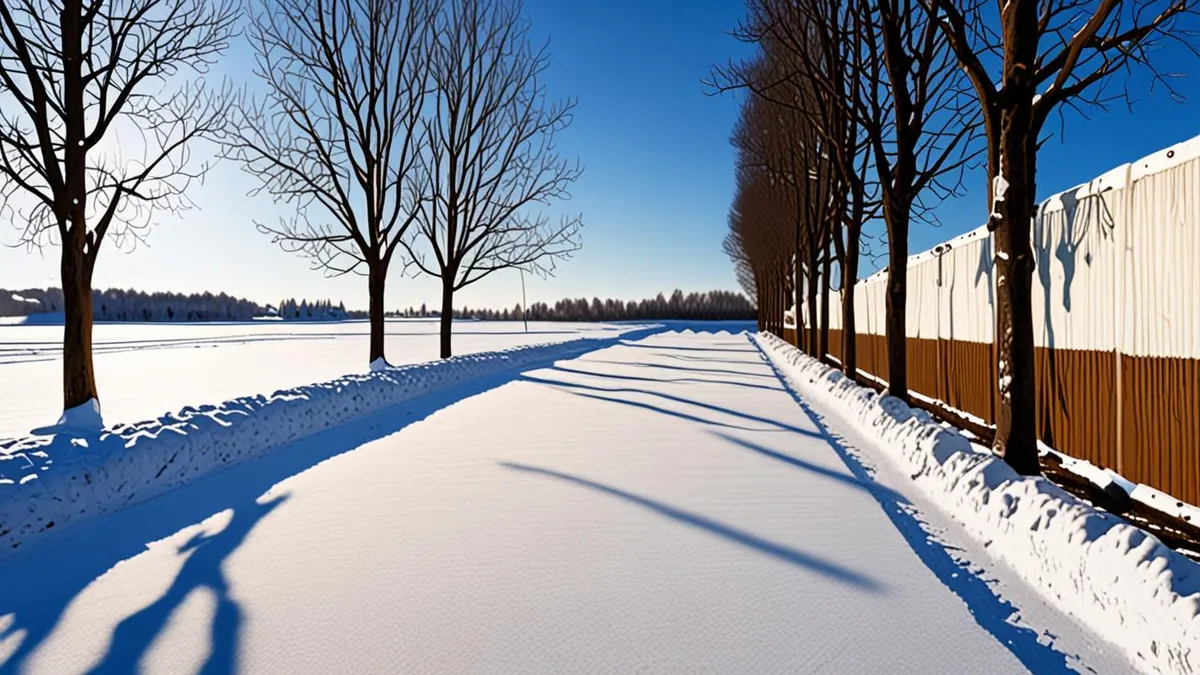
Season is the single biggest variable in remote lodge access. Many alpine and Nordic lodges restrict or close their roads entirely from November to April, switching to snowmobiles, shuttles or snowcat transfers to move guests and luggage. A track you could drive in July may simply not exist as a road in January.
This matters even if the lodge itself stays open all year. Before booking a winter trip, ask exactly how you will reach the property, whether your car can be left at a lower car park, and who handles the final leg. If you are planning a skiing trip, our guide on how to pick the right ski lodge in the Alps covers the winter-specific questions in more detail.
Spring thaw and shoulder-season windows
April and May bring their own problems. As snow melts, gravel tracks can turn into deep mud that standard cars struggle to pass, and some roads stay closed until they dry out. A lodge that claims year-round road access may still be unreachable by ordinary vehicle during the thaw.
For the easiest driving, aim for May, June or September. These shoulder-season months usually combine open roads, passable tracks and fewer other travelers competing for parking. If your trip genuinely requires special winter arrangements, such as a scheduled shuttle or snowmobile transfer, book at least 2-3 months ahead so the lodge can organize the logistics around your arrival.
When You Cannot Drive to the Door: Shuttles, Boats and Walk-Ins
Some remote lodges simply cannot be reached by car, no matter what you drive. Coastal and island properties often rely on boat transfers, while cliffside and forest lodges may sit a 10-30 minute walk from the nearest car park. Neither arrangement is a problem in itself, but both change how you pack and plan.
Shuttle and boat transfers
When a lodge provides a shuttle from the nearest roadhead, the cost typically runs between €10-40 per person each way, so factor it into your budget alongside the room rate. Ask whether the shuttle is shared with other guests, whether it runs on a fixed schedule, and whether it needs to be reserved in advance. Boat transfers work the same way, and weather can delay or cancel crossings, so build some flexibility into your travel day.
Timing is where most transfers go wrong. Boat and shuttle services in remote areas often run only a few departures per day, and missing one can mean waiting hours or overnight. Contact the lodge when booking and ask them to help align your arrival with the transfer schedule. Hosts at remote properties do this regularly and can usually tell you which ferry, train or bus connections work best.
Finally, pack for the walk or crossing. If your luggage needs to be hauled along a forest path or loaded onto a small boat, two manageable bags beat one enormous suitcase, and waterproof outer layers are worth their space.
A Pre-Booking Checklist for Remote Lodge Access
A few minutes of checking before you pay can save you a long, cold walk with your luggage. The steps below take less time than a single phone call to the lodge, and they cover the most common ways remote access goes wrong. None of them cost anything, and none of them require local knowledge. All you need is a short list of questions and the patience to get answers in writing before your card is charged.
- Get the road details in writing. Ask the lodge to confirm the road surface for the final stretch, the type of vehicle required, and any seasonal restrictions. Email or messaging apps are ideal because you keep a record you can refer back to if conditions on arrival turn out to be different from what was promised.
- Download offline maps of the whole route. Remote tracks often lack mobile coverage, so save the route for offline use before you leave home. Note where the last fuel stations are on the way in, since filling up becomes a genuine concern once you leave the main roads behind.
- Plan to arrive in daylight. Finding an unmarked track junction is far harder in the dark, and in winter the Nordic days can last only 5-6 hours, leaving little margin for delays. If your flight or ferry runs late, message the host rather than pushing on and hoping for the best.
- Save the lodge’s phone number. GPS frequently loses accuracy on the last few kilometers, so a direct call to the host is often the fastest way to get final directions. Do this before you lose signal, not after.
Treat this checklist as part of the booking process rather than an optional extra. Ten minutes of preparation covers nearly every access risk a remote stay can throw at you, from an unmarked junction to a track your hire car was never insured for. The travelers who arrive relaxed are usually the ones who asked these questions early, not the ones with the fanciest vehicle.
Final Thoughts on Choosing an Accessible Remote Lodge
That dreamy lodge photo rarely shows the last stretch of road, the snowy track in February, or the walk from a distant car park with two suitcases in tow. Yet these details decide whether a remote stay starts smoothly or turns into a logistical headache. Lodge parking and access deserve the same attention as views and price when you book, and a few minutes of checking saves hours of stress later.
The good news is that most problems are preventable. Check the road type, parking distance, seasonal rules and any transfer costs upfront, and put your questions to the host in writing before paying a deposit. A short list of written questions covers most access risks, and hosts of remote lodges are usually happy to answer them honestly. If this guide helped you plan a trip, leave a comment or share it with a fellow traveler.