Choosing between Tenerife vs Lanzarote is a familiar dilemma for anyone planning a Canary Islands escape. Both promise year-round sunshine, but they deliver it in very different ways: Tenerife packs variety into one island, from lively resort strips to dramatic mountain scenery, while Lanzarote offers a calmer, more otherworldly experience shaped by volcanic landscapes and low-key towns. If you’re torn between the two, you’re not alone.
This guide breaks down the comparison so you can decide with confidence. We’ll look at the core differences between the islands, their beaches and coastlines, and where to stay on each. We’ll also cover the best time to book and travel, the day trips and activities worth planning around, and how costs and atmosphere stack up. By the end, you’ll know which island matches the kind of holiday you actually want.
Tenerife vs Lanzarote: The Core Differences
Tenerife and Lanzarote are both Canary Islands with the same reliable year-round climate, but they feel surprisingly different once you arrive. Tenerife is the larger of the two and packs far more variety into its landscape: a green, subtropical north, the dramatic Mount Teide rising at the island’s center, and a busy southern resort strip that hums with entertainment well into the night. If you like having options — big resort towns, mountain roads, nightlife, shopping — Tenerife delivers more of everything.
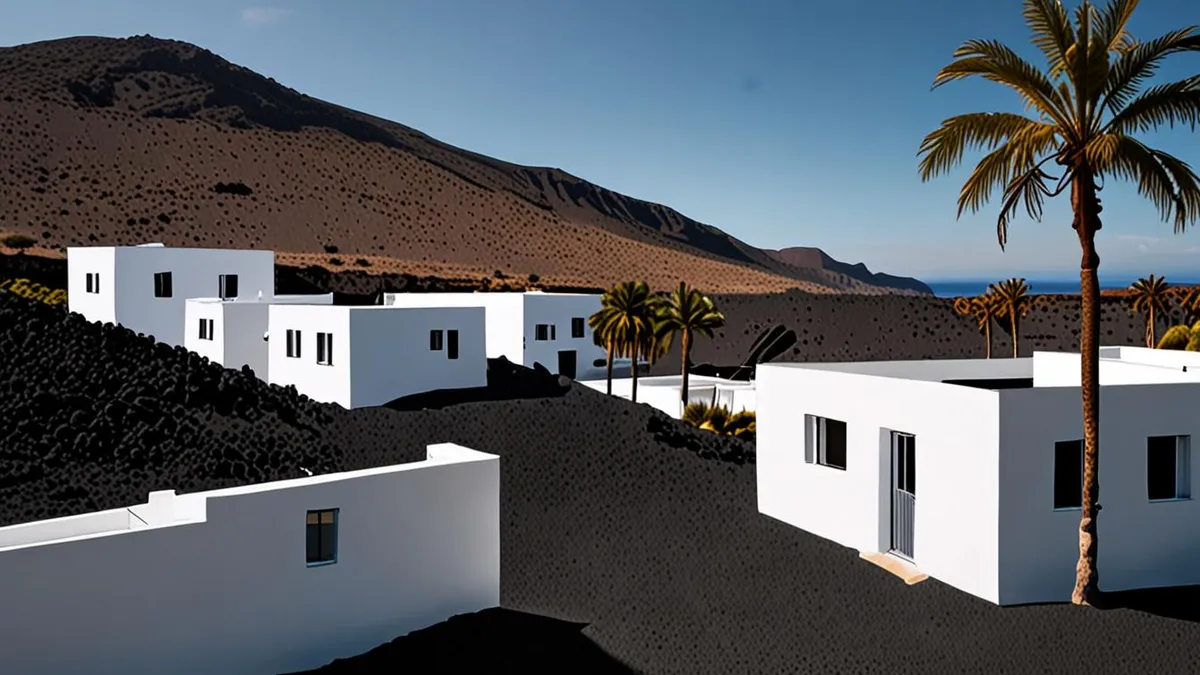
Lanzarote is smaller and flatter, and its character comes almost entirely from the volcanic terrain. Black rock fields, craters and César Manrique’s design legacy shape the whole island. Building rules keep resorts low-rise, so even the main strips of Puerto del Carmen, Playa Blanca and Costa Teguise feel more understated than Tenerife’s big southern hubs. Evenings tend to center on dinner and a stroll rather than shows and clubs.
How the pace of each island differs
In practical terms, Lanzarote suits short, relaxed breaks. The resorts sit within 15–35 minutes of the airport, the sights cluster close together, and you can settle into a routine of beach, lunch and a scenic drive without much planning. It’s an easy island to switch off on.
Tenerife rewards longer stays. The sheer range of day trips — from the 1.5–2 hour drive up toward Mount Teide to boat trips and the bigger resort scene — means a week barely scratches the surface. If you have ten days or more, or you’re traveling with a group whose interests vary, Tenerife’s variety earns its keep. For a five-night recharge with minimal driving, Lanzarote is usually the better fit.
Beaches and Coastline
If swimming and sunbathing top your list, Tenerife’s south coast has the edge. Beaches like Playa de las Vistas in Los Cristianos and Playa del Duque in Costa Adeje are wide, golden and well served with sunbeds, showers and beachfront cafés. The water here is generally calm and swimmable, which makes these beaches easy choices for families with children.
Lanzarote’s dramatic shoreline
Lanzarote takes a different approach. Its beaches often pair pale sand with striking black-volcanic backdrops, so even a simple swim stop comes with serious scenery. Playa Blanca in the south has calm, family-friendly bays, while Famara on the northwest coast is one of the most photogenic stretches on the island — long, wild and backed by cliffs. The catch with Famara is the surf: it’s a magnet for surfers, but the waves and currents typically make it better for watching and walking than for casual swimming.
The practical difference comes down to what kind of beach day you want. Tenerife offers more sheltered, family-oriented beaches where you can settle in with kids and swim without much worry. Lanzarote’s coastline rewards drama and activity — clifftop walks, surf spots and volcanic coves — rather than classic, gentle swimming. If your idea of a holiday is a reliable, comfortable beach right by your resort, Tenerife’s south is the safer bet. If you’re happy to trade some swim-friendliness for raw, otherworldly scenery, Lanzarote delivers it in spades.
Where to Stay on Each Island
Picking the right base matters more than picking the right hotel. Both islands are small enough that your chosen area shapes the whole feel of your trip — a calm bay town and a busy resort strip can sit just twenty minutes apart. Decide first whether you want nightlife, family-friendly calm or scenery, then look for a resort that matches.
On Tenerife, most visitors stay on the south coast, where the main resort towns sit roughly 20–30 minutes from Tenerife South airport. Costa Adeje is the upscale pick, home to the island’s most polished spa and five-star properties. Los Cristianos offers a balanced beach-town feel with a proper local center alongside the hotels. Los Gigantes, further west, trades some convenience for dramatic cliff scenery and a quieter pace.
Lanzarote’s three main strips all sit within 15–35 minutes of the airport, so no choice is a bad one for transfers. Puerto del Carmen has the longest beach-and-restaurant stretch, ideal if you want everything walkable. Playa Blanca centers on calm, sheltered family bays. Costa Teguise tends to offer better value and steady trade winds that suit windsurfers and kitesurfers.
- Costa Adeje: the best concentration of high-end spa resorts and fine dining, plus the departure point for whale and dolphin boat trips.
- Los Cristianos: a working town with a ferry port and promenade, so you get cafés and shops beyond the hotel strip.
- Los Gigantes: towering rock walls right beside the marina — book a sea-view room for the sunset payoff.
- Puerto del Carmen: split between an older harbor area and a newer beachfront strip, so check which end your hotel sits on.
- Playa Blanca: the closest resort to the Timanfaya fire mountains, handy if you plan repeated volcano outings.
- Costa Teguise: a purpose-built resort with several golf and water-sport operators nearby, popular with repeat visitors.
Whichever area you choose, keep transfer times in mind: on both islands, any resort is under about 35 minutes from the airport, so you can land and be poolside well within an hour of collecting your bags.
Best Time to Book and Travel
One of the best things about choosing either of these Canary Islands is that you genuinely don’t have to time your trip around the seasons. Both islands work year-round, with winter temperatures around 20–24°C and summer highs of 26–30°C. That means you can escape gray weather at home in January just as comfortably as you can plan a summer beach break.
The main thing that changes through the year is price and crowd level, not the weather. High season runs from June through September, plus the Christmas and Easter periods, when resort rooms fill up and rates climb. In May and October–November, peak-week prices typically drop by 30–50%, yet the sea is still warm and the days are long and sunny.
If you’re set on a specific resort or a sea-view room in high season, book 3–5 months ahead. That window usually secures the best rates and the widest room choice on either island. Last-minute deals exist, but they’re less reliable for popular family resorts in July and August.
- Winter sun seekers: December to February is the busiest winter window for Canarian resorts, so the same 3–5 month booking rule applies if you want a specific hotel over the holidays.
- Shoulder-month sweet spot: Late October often combines warm sea temperatures with the year’s lowest resort rates, making it a favorite for longer stays.
- Alternative for summer: If your dates are fixed to July or August and you want cooler air, the Canary Islands stay milder than much of mainland Europe — or consider Austria Alps resorts for summer holidays as a completely different kind of warm-weather escape.
Day Trips and Things to Do
Tenerife is the island for travelers who want a full itinerary. The headline attraction is Mount Teide, Spain’s highest peak at 3,715 meters, where the cable car lifts you toward the summit crater. Day trips from the southern resorts take about 1.5–2 hours each way, so plan a full day and check cable car availability before you go.
The south coast also makes whale and dolphin watching easy, with boat trips departing regularly from Costa Adeje — pilot whales are resident in the waters between Tenerife and La Gomera, so sightings are common though never guaranteed. Families with kids tend to build at least one day around Siam Park, widely regarded as one of Europe’s top water parks.
Lanzarote works differently. Its sights are spread across a compact island, with most within a 30–60 minute drive of the main resorts, so you can combine two or three in a single day without exhausting anyone. The Timanfaya fire mountains, Jameos del Agua and the viewpoints designed by artist César Manrique are the essentials.
- Timanfaya National Park: Take the guided coach route through the lava fields, and watch demonstrations of geothermal heat — water poured into the ground erupts as steam.
- Jameos del Agua: A lava tube turned into a concert venue, pool and restaurant; go in the late afternoon for softer light.
- Manrique route: The artist’s influence is everywhere — Mirador del Río, Cueva de los Verdes and his former home at Fundación César Manrique pair well in one driving loop.
- One-week verdict: Lanzarote’s highlights fit neatly into a single week; Tenerife rewards ten days or more if you want to add the green north and Anaga mountains.
Costs and Atmosphere Compared
The biggest atmospheric difference comes down to building rules. Lanzarote has long capped resort heights, so hotels stay low-rise and spread out, and evenings tend to feel calm — think waterfront dinners and sunset walks rather than party strips. Tenerife’s south is livelier by design: more entertainment venues, more shopping centers and a busier promenade scene, especially around Playa de las Américas.
How prices compare
In the shoulder months of May and October–November, rates on the two islands are broadly similar. The real difference is range: Tenerife stretches from simple budget apartments to five-star spa resorts, so it suits both ends of the budget spectrum. Lanzarote’s spread is narrower but consistent.
For a mid-range all-inclusive week, Lanzarote often edges slightly cheaper, particularly in Puerto del Carmen and Costa Teguise. If you want maximum choice — a splurge suite one year, a self-catering apartment the next — Tenerife is the more flexible pick.
Which vibe suits you
Couples and quieter travelers usually feel more at home in Lanzarote’s low-rise resorts, while families with teenagers and nightlife fans get more out of Tenerife’s south. Neither island is loud or quiet everywhere — the area you pick within each island matters as much as the island itself.
Which Island Should You Choose?
If you are torn between the two, ask yourself one question: do you want more to do, or more to unwind? Choose Tenerife for variety — bigger golden-sand beaches, Mount Teide, water parks and a livelier resort scene with plenty of entertainment and shopping. Choose Lanzarote for calm — compact drives between sights, striking volcanic scenery, low-rise resorts and quieter evenings.
Both islands share the same year-round Canarian climate, so timing matters less than picking the right area. Once you know which atmosphere suits you, the decision largely makes itself. If this helped you decide, leave a comment or share the article with a fellow traveler.