Booking lodge holidays with babies sounds simple until you start reading the listings. Photos show a hot tub and a forest view, but say nothing about stair gates, cot quality or whether the deck drops straight to the water. Parents end up emailing owners one question at a time, and the hazards that matter most are the ones no listing flags clearly.
Knowing what to check first saves the whole trip. This guide walks through the essentials: why lodges need extra scrutiny compared with hotels, the safety features to verify before you pay, sleeping layouts that actually work with little ones, kitchen and feeding facilities, transfer times and season choice, realistic budgeting, and a final checklist to run the week before you travel. Work through it once and you can book with confidence instead of crossed fingers.
Why Lodge Holidays with Babies and Toddlers Need Extra Checks
A lodge is not a hotel with a kitchen. There is no reception desk to hand you a cot at midnight, no restaurant for a forgotten dinner and no housekeeping team to notice a loose stair rail. Everything you would expect a hotel to provide — a proper travel cot, a highchair, somewhere to sterilise bottles — has to be verified with the owner before you book. Assume nothing, because self-catering means self-checking.
Why lodge features need a second look
The very things that make lodges charming are the things that make them tricky with a mobile toddler. Open-plan living areas mean the kitchen, stairs and wood-burner are all visible from one spot — lovely for adults, exhausting for parents. Log burners are common in forest and mountain lodges, and many get genuinely hot to the touch. Stairs are often open-tread, and lakeside lodges frequently have decks that step straight onto the water’s edge.
It is also worth remembering who lodges are usually marketed to: couples on a break, hikers, or families with older children. A lodge that suits those guests perfectly is not automatically toddler-proof, and listings rarely mention hazards because they are normal features of the property. A steep spiral staircase is a selling point in a photo and a problem with a two-year-old. That gap between the listing and your reality is exactly why a short list of checks before booking pays for itself.
Safety Features to Verify Before You Book
Safety kit is the one area where lodge photos are least helpful. Wide-angle shots of a stylish living room will not show you whether there is a stair gate at the top of the stairs, and no owner photographs a socket cover. These details only surface if you ask directly, so put them in writing before you pay a deposit. Stair gates and socket covers are the two most requested baby-safety items in lodge reviews, which tells you how often parents have been caught out.
Outside, the priorities change. With a toddler, a fenced terrace or gated deck matters far more than the view itself — a lodge can have a stunning lakeside position and still be unsuitable if the water is two steps from the door. Ask exactly how the deck and any balcony are enclosed, and whether lake access is stepped, gated or open. Indoors, be specific about the cot: a proper travel cot with a firm mattress is what you want, not a sofa-bed, a playpen substitute or a padded floor cushion described as “baby sleeping space”.
- Fireguard for the log burner: ask whether one is provided and whether it fits the specific stove, since a freestanding guard that wobbles is little use with a determined toddler.
- Stair gate fitting: confirm whether gates are pressure-fitted or screwed in, and whether they sit at both the top and bottom of the stairs, not just one end.
- Socket covers in every room: bedrooms and the open-plan living area matter most, since toddlers spend their evenings at floor level there.
- Deck and balcony enclosure: ask for the height and type of railing and whether any gate is self-closing, which is the detail that actually keeps a toddler contained.
Sleeping Arrangements and Layout That Work for Little Ones
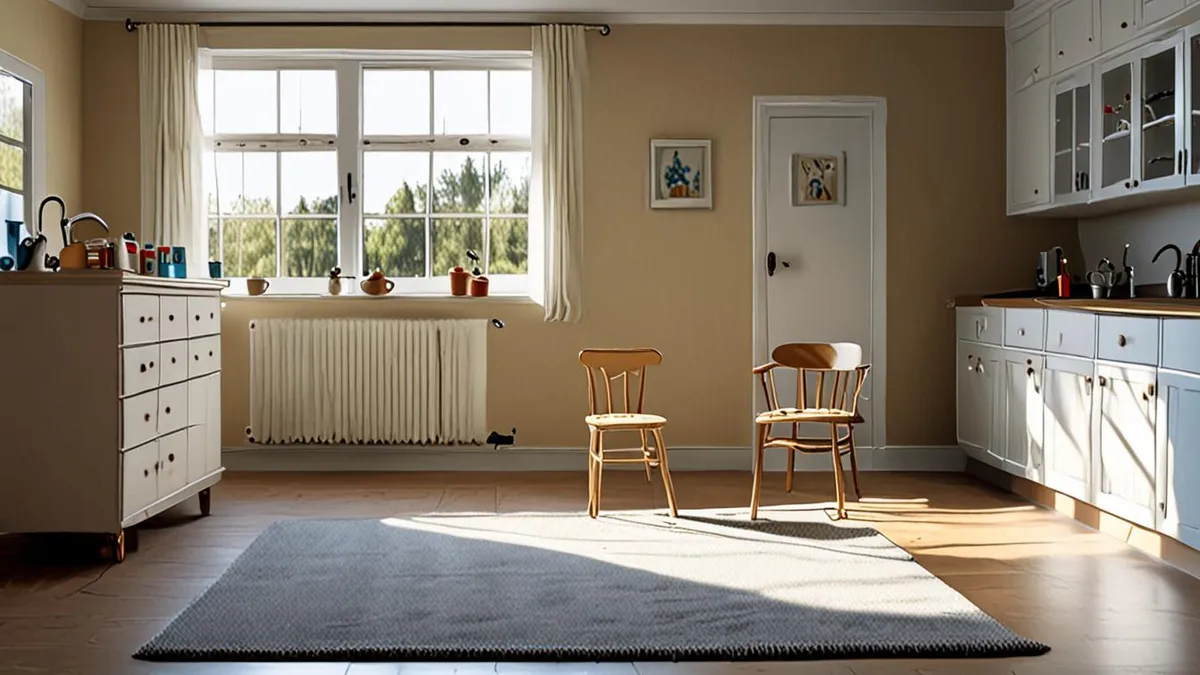
Sleep is the make-or-break issue on any lodge trip with a baby. A lodge with a genuinely separate bedroom lets you keep the evening routine intact — bath, feed, cot — while you still cook, eat and talk at a normal volume a few meters away. One-bedroom lodges with a cot typically sleep two adults plus the baby, which works well in the first year. Once you have a toddler, a two-bedroom lodge is usually the better fit: everyone sleeps in their own space, and naps are less likely to be disturbed by an early-rising parent making coffee.
Light, dark and the cot itself
Blackout blinds or curtains are worth confirming in writing, especially for summer stays in northern destinations where the sun can still be up well past a toddler’s bedtime. A bright bedroom at nine in the evening can stretch bedtime into a long negotiation. If the listing does not mention blackout lining, ask — it is a five-second question that can save you a week of broken nights.
Then check the practical detail most parents forget: is the cot made up on arrival, or is it folded in a wardrobe for you to assemble yourself? Arriving at eight in the evening with a tired baby and a cot frame in pieces is nobody’s idea of a holiday. Warm-weather families might also consider family lodges in Spain for an easy sunshine break, where the same layout questions apply. Ask about cot setup, linen for the cot mattress, and which bedroom the cot will sit in — the answers tell you a lot about how family-ready the lodge really is.
Kitchen and Feeding Facilities to Confirm
When you book a lodge, you are essentially renting someone’s holiday kitchen, so it pays to know exactly what is in it before you arrive. Start with the highchair: some owners include one as standard, others rent it or simply do not have one, and a wiggly toddler eating dinner on your lap for a week gets old fast. Ask directly rather than relying on the listing photos, which often show a beautifully styled table and nothing to sit a small child in.
Bottle-feeding parents should also confirm there is a microwave or at least a kettle, since both make preparing feeds and sterilising far easier than a hotplate and saucepan. A microwave steam-steriliser bag takes minutes; without any of these appliances, you will be improvising with cold water sterilising tablets in a sink you also need for washing up.
Think about the washing-up workload too. Cooking three meals a day for a family generates a surprising pile of dishes, cups and bibs, and a tiny galley sink with a single drainer turns every meal into a chore. A dishwasher, or at least a full-size sink plus a washing machine on site, makes self-catering with a toddler genuinely manageable instead of a nightly slog.
Finally, check where you will shop. Lodges in remote forest or fjord settings can sit 30-60 minutes from a decent supermarket, which turns a forgotten carton of milk into a half-day expedition.
- Ask whether the highchair is a proper adjustable one with a harness, or a basic plastic seat that a younger baby flops sideways out of.
- Confirm whether sterilising equipment is provided or whether you need to pack your own cold-water steriliser and a travel bottle brush.
- Check if the washing machine is in the lodge itself or shared in an on-site laundry block, which changes how you plan a washing day with a toddler in tow.
- Find out the opening days of the nearest shop; small village stores in rural areas often close early or shut for a day midweek.
- Ask if the kitchen has a small fridge or a full-size one, since bottle storage and milk for a toddler need real space.
Location, Transfer Times and Season Choice
A gorgeous lodge two hundred miles from anywhere is a hard sell with a toddler in the back of a hire car. Aim for a total transfer time of under 2 hours from the nearest airport, door to door, and treat that as a firm filter rather than a nice-to-have. A long, winding forest road can undo an otherwise perfect lodge choice, especially if your little one sleeps badly in car seats or you land in the evening close to bedtime.
Season matters just as much as distance. May-June and September give you mild weather, lower prices and quieter sites than the July-August peak, when family lodges fill up and the pool, playground and paths all feel busier. In northern destinations, shoulder-season dates also mean the midday sun is gentler on small children, and you are less likely to be managing a hot, overtired toddler at a picnic table.
Space to roam, but can you push it?
Lakeside and forest settings are wonderful for little legs, offering safe space to explore right outside the door. A lakeside lodge in Finland, for example, can give a toddler a whole shoreline to potter along while you keep everything in sight — our guide to Finland lakeside lodges for summer holidays covers what to expect from these stays. But before you commit, ask whether the paths between the lodge, the water and any play area are pushchair-friendly: gravel tracks, tree roots and steep banks turn a short stroll into a two-person carry. If the site has a beach or jetty, check how you actually get down to it, and whether a buggy with small wheels can make the trip at all.
It is also worth asking how far the lodge sits from its neighbors. Some parents love total isolation; others find that a lodge within sight of the site’s central facilities makes rainy days and dinner runs far easier with small children.
Budgeting and Booking Timing for Family Lodges
Family-equipped lodges usually cost a little more, and it helps to know that going in. Expect a price premium of roughly 10-25% over a standard lodge when baby equipment like a cot, highchair and safety gear is included, and weekly shoulder-season rates for family lodges commonly run from £450-£900 depending on size and location. That premium often works out cheaper than hiring equipment locally or lugging your own travel cot and highchair through an airport, so weigh it against your alternatives rather than dismissing it.
Timing your booking matters as much as the price. For summer school-holiday weeks, book 3-6 months ahead, because the handful of lodges that genuinely suit babies and toddlers get picked over quickly by families who have been burned before. Shoulder-season trips are more forgiving: family lodges often release discounts 4-8 weeks out, so if your dates are flexible and your child is not yet at school, waiting can pay off.
Before you pay anything, get the small print straight. Ask about linen hire for cots, whether it is charged per stay or per bed, and whether any minimum-stay rules apply, since these vary by owner even within the same site. A two-night minimum can quietly rule out a lodge you thought was available for a long weekend.
- Ask whether the baby-equipment premium is a one-off charge or added per night, as the total looks very different over a week.
- Check if cot linen and a cot mattress sheet are included or need to be brought from home; many owners supply the cot but not the bedding.
- Confirm the deposit and balance schedule, since some private owners ask for the full amount earlier than booking platforms do.
- Ask about the cancellation terms for families specifically, because illness with a small child is one of the most common reasons a lodge trip gets cut short.
- Find out whether a shorter break attracts a cleaning fee that makes a weekend poor value compared with a full week.
Final Checklist for Your Family Lodge Trip
A lodge with a baby or toddler can be a wonderful base, but the listings rarely tell the whole story. The trick is knowing what to check first: the safety kit, the sleeping setup, the kitchen facilities and the journey itself. Ask these questions before you pay, and you avoid the hidden hazards that turn a promising lodge into a stressful one.
In the final week before you go, reconfirm the stair gates, fireguard, cot type and highchair in writing so nothing is left to chance on arrival. Keep your transfer under 2 hours, aim for May-June or September, and budget for the small 10-25% premium that baby-equipped lodges usually carry. Get all of that right, and a lodge that passes the safety, sleep, kitchen and location checks becomes a genuinely easy holiday with a little one in tow. If this helped you plan your trip, leave a comment or share the article with other traveling parents.