Picking between Canary islands resorts can feel harder than picking the trip itself. Seven islands share the same Atlantic sunshine, yet they feel nothing alike: Tenerife packs in large beachfront hotels, Lanzarote keeps things low-rise among lava fields, and La Palma barely has big resorts at all. Add different budgets, travel seasons and trip styles into the mix, and it’s easy to book the wrong island for what you actually want.
This guide breaks the choice down island by island. We’ll explain why the islands differ so much in landscape and resort density, compare the big all-rounders Tenerife and Gran Canaria, look at beach-and-nature picks Fuerteventura and Lanzarote, and cover the quieter escapes of La Palma, La Gomera and El Hierro. Then we’ll match each island to your trip type, share realistic booking windows and price patterns, and finish with a simple way to pick your island.
Why Canary Islands Resorts Differ So Much From Island to Island
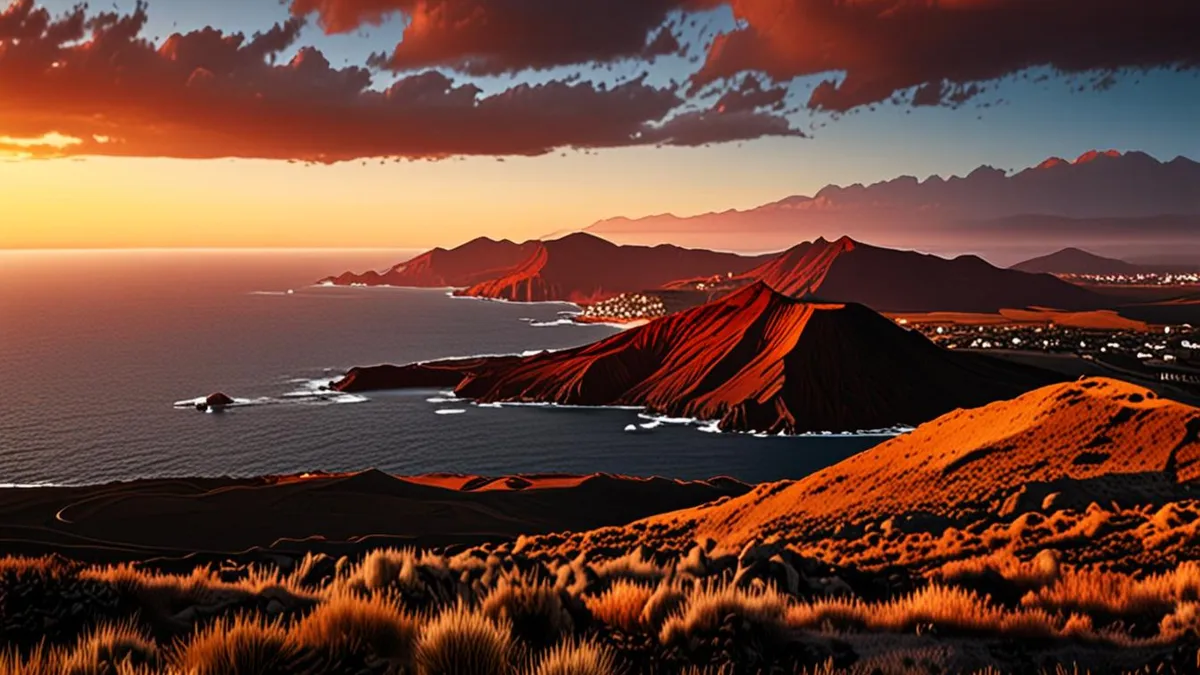
The Canary Islands aren’t one uniform beach destination. Each island has its own personality, shaped by dramatic differences in landscape. Tenerife rises around Mount Teide, a volcano whose summit sits high above the clouds, while Fuerteventura is defined by sand: its dunes and beaches stretch along more than 150 km of coastline. Lanzarote looks like another planet entirely, with black lava fields and whitewashed villages, and the western islands of La Palma and El Hierro are green, steep and forested.
Weather varies just as much within each island. Trade winds and altitude create microclimates, so the south coasts are typically sunnier and drier, while north coasts stay greener and often catch more cloud. That’s why so many resorts cluster on southern shores: you get the most reliable beach weather there, even when the north of the same island is under a soft blanket of cloud.
How built-up is each island?
Resort density is the other big difference. Tenerife and Gran Canaria are the most developed, with large hotel zones, promenades and plenty of restaurants and shops. La Palma and El Hierro stay quiet, with small towns, guesthouses and very few large resorts. Knowing which end of that scale you want is the first step to choosing well.
Tenerife and Gran Canaria: Best Canary Islands Resorts for All-Round Trips
If you want the classic resort holiday with everything on hand, Tenerife and Gran Canaria are the safest bets. Tenerife is the largest island, about 2,034 km², and it has the widest resort choice in the archipelago. In the south, Costa Adeje and Los Cristianos sit side by side along a stretch of coast lined with large beachfront hotels, palm-filled promenades and a long list of places to eat. Because the choice is so broad, it pays to decide early whether you want a big family hotel with pools and kids’ clubs or a smaller apartment complex a few streets back from the sea.
Over on Gran Canaria, Maspalomas is the standout for travelers who want a long beach backed by dunes, with a lively promenade connecting it to Playa del Inglés. The resort areas also sit roughly 30-60 minutes from Las Palmas airport, so transfer day stays simple. Both islands work year-round: sea temperatures hover around 19-23°C, warmest in August-October, and the shoulder months of November, March and May bring mild 22-26°C days with better rates. Expect prices to peak in high season, which runs mid-December to early January and again in July-August, and check current rates before you commit.
- Easy days out: from south Tenerife you can plan a day trip to Mount Teide, and whale and dolphin watching boats run regularly from the Los Cristianos and Costa Adeje area.
- Walkable resort zones: both Costa Adeje and the Maspalomas area let you reach beaches, restaurants and shops on foot, which keeps evenings simple without a car.
- Range of accommodation: these resort zones span everything from large family hotels to smaller apartment blocks, so you can match the stay to your budget more easily than on the quieter islands.
Fuerteventura and Lanzarote: Resorts for Beaches and Volcanic Scenery
If your ideal trip is wide-open nature with a beach attached, Fuerteventura and Lanzarote deliver. Fuerteventura is the beach island: sandy shores and rolling dunes stretch for more than 150 km around its coast, and two resort areas suit beach-focused travelers especially well. Caleta de Fuste is a purpose-built bay with shallow, calm water that’s easy for swimming, while Corralejo in the north sits near the famous dunes and works as a lively but relaxed base. If you’re torn between the two, think about what you want from your days: Caleta keeps everything walkable and sheltered, while Corralejo puts you closer to wide natural beaches and boat trips to the nearby islet of Lobos.
Lanzarote takes a different approach. The island has stricter low-rise building rules, so most resorts stay small and spread out, blending into the striking lava landscapes around them. Playa Blanca in the south offers calm bays and a walkable seafront, while Costa Teguise on the east coast is a compact resort town with several beaches nearby. Because development is low-key, renting a car pays off here; distances are short, but the most scenic spots are scattered.
- Water conditions: Caleta de Fuste’s man-made bay shelters swimmers from the open Atlantic swell, which makes it a comfortable choice for casual swimmers and less confident beach days.
- Scenery on the doorstep: from Lanzarote’s resorts you can reach the volcanic Timanfaya area and the island’s lava-field landscapes on short drives, with few places where nature feels this close.
- Quieter evenings: both islands trade big shopping centers and nightlife districts for seafront restaurants and small bars, so expect relaxed nights rather than party strips.
Quieter Islands: La Palma, La Gomera and El Hierro for Escapes
If your idea of a resort break involves more trail boots than pool loungers, the three westernmost Canary Islands are where the archipelago slows right down. Accommodation here leans toward family-run guesthouses, rural cottages and a handful of small hotels, rather than the sprawling beachfront resorts you find in the south of Tenerife or Gran Canaria. Large resort complexes are genuinely rare, so expect a more personal style of stay.
Hiking comes first here
La Palma is famous for its network of marked walking trails, from crater routes to paths through laurel forest, and it draws travelers who plan entire trips around hiking. El Hierro, the smallest of the main islands, is similarly quiet, with dramatic cliffs and excellent diving rather than big beaches. La Gomera offers rugged ravines and charming mountain villages, and it works well even on a short visit: the ferry from Tenerife takes about 50 minutes, which makes it an easy add-on if you are already staying in Tenerife.
Two practical points before you book. Nightlife is limited on all three islands, so evenings center on local restaurants and bars rather than entertainment programs. And because hotel capacity is small, rooms fill up quickly around popular travel periods, so booking early matters far more here than on the bigger islands.
Matching the Island to Your Trip Type
The right island depends heavily on who is traveling. A trip with young children, a romantic escape and a budget getaway all point in different directions across the archipelago, so it helps to match the island to your trip type before you start comparing specific resorts. Think about how you want to spend your days, too: some travelers want a pool and a buffet within steps of the sand, while others would rather base themselves somewhere small and drive to different spots each day.
Quick picks by trip type
- Family trips: South Tenerife and Caleta de Fuste in Fuerteventura stand out for calm, shallow beaches where children can paddle safely, and both areas have family-oriented resorts with kids’ pools and activities close by.
- Couples: La Palma or Playa Blanca in Lanzarote suit quieter, romantic settings, with scenic walks, sunset spots and a relaxed pace instead of busy entertainment strips.
- Budget trips: Lanzarote and Fuerteventura in shoulder season offer noticeably lower rates, and avoiding the December price peak can free up budget for a longer stay or a nicer room.
For families, staying near the beach matters more than anything else, since short walks back to the room for naps and snacks make days far easier. Look for resorts with connected rooms or family suites, and check whether kids’ clubs run during your travel dates rather than assuming they operate year-round. It also pays to confirm bed configurations before booking, as some European resorts still rely heavily on sofa beds for children.
For couples, the trade-off is usually fewer facilities in exchange for atmosphere and scenery. Adults-only sections and smaller properties often deliver a calmer feel than the big family complexes, even on busier islands.
For budget travelers, the island choice matters less than the timing: the same resort can cost very different amounts depending on the month you book. Traveling with a group of friends changes the math again, since self-catering apartments across all seven islands often work out cheaper per person than multiple hotel rooms.
When to Book Canary Islands Resorts and What They Cost
Timing has a big effect on both availability and price in the Canary Islands, and the rules of thumb are fairly consistent across the islands. The most important window is winter sun: if you want to travel between December and February, book 3-6 months ahead. That is when demand from northern Europe peaks, and the most popular beachfront resorts can sell out well before the season starts.
When prices drop
Shoulder-season rates in November, March and May often run 20-40% below high-season prices, and the weather is still pleasant, with mild daytime temperatures in those months. You sacrifice a little certainty about sunshine compared to midwinter, but you gain much better value and quieter pools and beaches. If your dates are flexible, shifting a trip by a few weeks can cut the cost significantly.
One more way to stretch your budget or add variety: split your stay between two islands. Inter-island flights between the main islands take 40-60 minutes, so a two-island trip is genuinely realistic rather than an exhausting detour. A common approach is a week split between a livelier island and a quieter one, with a short flight in the middle. Just remember that high season also includes July and August, when prices peak again, so the same booking-early advice applies to summer dates.
Wrapping Up: Picking Your Island
Seven islands with very different characters can make choosing feel overwhelming, but the decision comes down to what you want most from the trip. If all-round resort comfort is the priority, Tenerife or Gran Canaria fits, with the widest choice of beachfront hotels and everything within reach. If wide beaches and volcanic scenery matter more, Fuerteventura or Lanzarote deliver, from Fuerteventura’s long dune coastline to Lanzarote’s low-rise resorts set in lava landscapes. And if you want a genuine escape, La Palma, La Gomera or El Hierro offer quiet hiking and small guesthouses, though you should book early because capacity there is small.
Match the island to your budget and season as well as your style, and the choice becomes much simpler. Once you have shortlisted one or two, check current prices and availability for your dates. If this helped you decide, leave a comment or share the article with a fellow traveler.