You’ve probably done this before: you find a resort you love, check the price for one week, then look at the same room a month later and see a completely different number. Was it the season, the day of the week, or did you simply search too late? Figuring out when to book a resort can feel like guesswork, because both the calendar and your booking timing move the price, often at the same time.
This guide breaks the confusion into clear pieces. We’ll look at how the season calendar shapes resort prices, then cover summer stays, winter and ski-season resorts, and the lead times that actually pay off. You’ll also find practical tricks with midweek dates and stay lengths, plus advice on matching the season to the trip you really want. By the end, you’ll know which part of the price gap you can plan around and which part you can control.
How the Season Calendar Shapes Resort Prices
Resort prices are not random. They follow a yearly demand curve, and once you understand its shape, the quotes you see online start making sense. The single biggest factor is the season you travel in, not the resort itself.
Peak summer: the most expensive weeks of the year
Peak summer season, running June to August, pushes resort rates 30-50% above the yearly average. The effect is strongest near the coast and around lakes, where warm weather draws families, couples and event crowds all at once. During these weeks, you’re paying for demand, not for a better room.
Shoulder and low season: where the value sits
Shoulder months like May, September and October typically cost 20-40% less than peak summer, while the weather often stays pleasant enough for swimming and hiking. You get the same pool, the same beach and the same views, with fewer people sharing them. For many travelers, this is the sweet spot between price and conditions.
Low season, mainly November and late winter outside ski areas, brings the lowest rates of the year. The trade-off is practical rather than scenic: some resort facilities run on reduced hours, and certain restaurants, spas or kids’ clubs may operate on limited schedules. Check what’s actually open before you book, so the bargain doesn’t come with disappointment.
Summer Resorts: Timing Your Warm-Weather Stay
Summer is when resorts earn their year, and they price accordingly. If you want a specific room category in June, July or August, treating the booking like a last-minute errand is the fastest way to end up with whatever is left. A little forward planning goes a long way, and it also changes which rooms you can choose from, not just what you pay.
The 3-6 month rule for peak summer
For a June-August trip, book 3-6 months ahead. That window gives you both a fair rate and the room category you actually want, instead of choosing between an overpriced leftover and a compromise. Resorts release their summer inventory well in advance, and the best-value rooms rarely survive to the last minute.
Priority goes to family rooms and sea-view or lake-view categories. These sell out first in peak summer, often months before standard rooms do, because families and view-seekers book early and book big. If either of those matters to you, book at the front of that window, not the back. Interconnecting rooms, suites with kitchenettes and ground-floor rooms with terrace access tend to disappear even faster, since the demand for them is concentrated among families who plan school holidays around fixed dates.
Shift the dates, keep the sunshine
Here’s the easiest saving of all: shifting a summer stay from August into late May or mid-September keeps warm weather but trims a meaningful slice off the price. The pool is still open, the water is still swimmable, and the resort is noticeably calmer. Restaurants are easier to book, kids’ clubs have space, and staff have more time to actually help you plan excursions. Alpine destinations work the same way, and our guide to Austria Alps resorts for summer holidays shows how pleasant the shoulder weeks can be in the mountains, with hiking trails open and lifts running.
If your dates are fixed by school holidays, use the same logic within the peak itself: the first week of July and the last week of August are often calmer and cheaper than the mid-August crunch, when demand across Europe peaks at once.
Winter and Ski-Season Resorts: Booking on a Different Clock
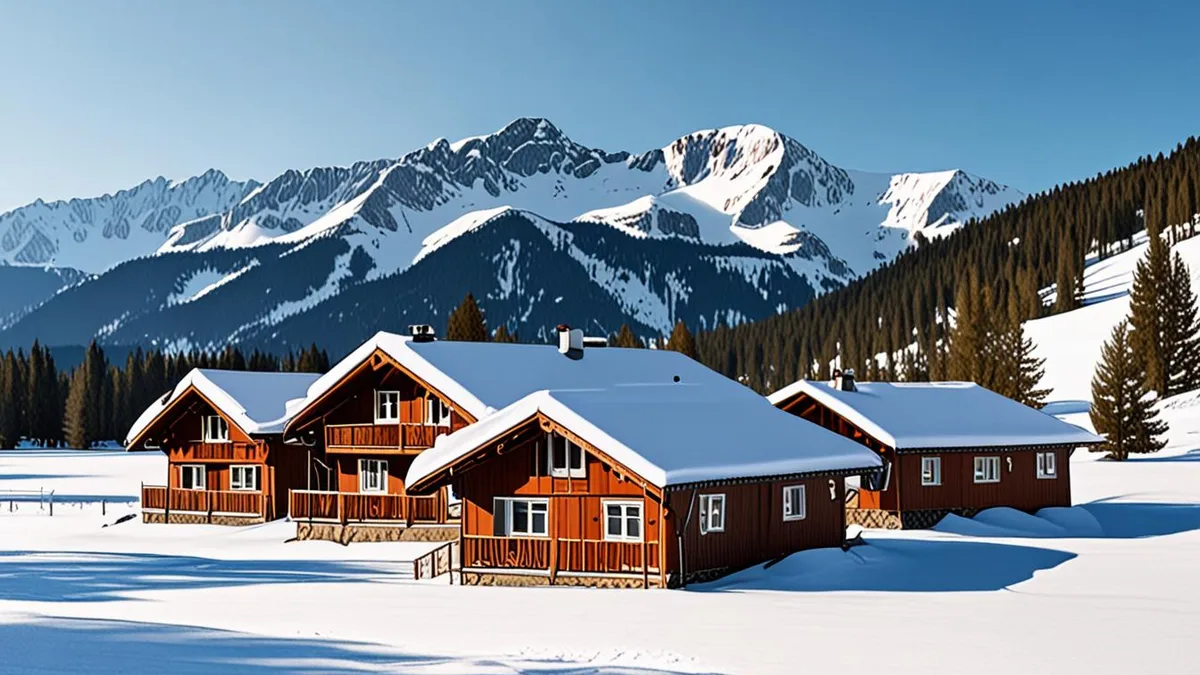
Winter mountain resorts don’t follow the summer playbook. Their demand curve peaks around school holidays and festive dates, not around sunshine, so the booking logic changes. If you plan a ski trip the way you’d plan a beach trip, you’ll pay for the mistake.
Know the winter price spikes
Ski-season resorts operate from December to March, and within that window three periods stand out: Christmas, New Year and February half-term. During these weeks, rates spike sharply and availability vanishes early, because demand is concentrated and largely non-negotiable for families with school-age children. A slope-side room in half-term can cost several times what the same room costs in a quiet week.
Book earlier than you would for summer
Plan winter mountain stays 4-6 months ahead. Slope-side rooms and family suites go first, often snapped up by returning guests who rebook the same week every year. If you wait until autumn to shop for a February half-term suite, you’ll mostly be choosing between leftovers at premium prices.
The good news is that the calendar offers built-in bargains. Early December and late March sit outside the peak weeks and offer quieter slopes and noticeably softer rates. Snow conditions are usually still solid in those windows, the lifts are less crowded, and destinations such as the Slovakia ski resorts for winter trips become especially good value outside the holiday rush.
When to Book a Resort: Lead Times That Actually Pay Off
Timing matters as much as the season itself. The right booking window depends entirely on when you plan to travel, because resorts release and price their rooms on different schedules for different demand periods. Book too late and you pay more for less; book too early and you may miss a price drop.
As a rule of thumb, summer trips need the longest runway, ski season follows a similar but slightly different clock, and shoulder-month stays are the most forgiving. Because demand is softer in May, September and October, waiting a bit longer before booking rarely costs you the room you want. Check the earlier sections for the exact booking windows that fit each season.
Last-minute deals are real, but they come with strings attached. Bookings made 1-2 weeks before arrival can cut prices by 10-30%, yet you will be choosing from whatever rooms are left, often the least desirable categories, with very little flexibility on dates.
Whatever window you choose, treat your booking as a moving target rather than a one-time decision. Rates for the same room can swing by double digits before they settle, so it pays to keep watching.
- Set a price alert for your exact dates and room category, so you get notified when the rate moves instead of checking manually every day.
- Re-check your dates every few weeks even after booking, since some resorts will honor a lower published rate or offer a rebooking if the price drops.
- Compare a few nearby date combinations, such as shifting arrival by a day or two, because the same room can be priced very differently on adjacent nights.
- Note whether your rate is refundable or prepaid; a slightly higher flexible rate can be worth it if prices might fall closer to your travel dates.
Midweek, Weekend and Stay-Length Tricks That Cut Costs
The day of the week you check in can matter as much as the month. At most resorts, weekend nights command a noticeable premium over midweek nights at the same property. That means a Sunday-to-Thursday stay stretches the same budget much further than a Friday-to-Sunday one, and you still get five nights instead of two.
Arriving on a weekday also changes the experience on the ground. Check-in tends to be easier and faster, the pool is emptier, and the dining rooms are quieter than on a Saturday, when the resort runs at full capacity. Staff have more time for you, and popular facilities like the spa or tennis courts are easier to book.
Make your stay length work for you
Longer stays often come with per-night discounts or added perks such as half board or a spa credit, especially outside peak weeks. Resorts would rather fill a room for seven nights at a small discount than leave it empty for the last two, so it never hurts to ask what a longer booking includes. Some properties also throw in late checkout or a room upgrade for guests staying through the quieter midweek stretch.
Before you commit, price out two shorter stays against one longer one. If the nightly rate drops or perks appear at the five- or seven-night mark, the math usually favors staying put, and you save the hassle of packing and moving twice. Compare the total cost, not just the headline nightly rate, and factor in whether the resort charges differently for weekend versus weekday nights when you run the numbers.
Matching the Season to the Trip You Actually Want
The cheapest month is not automatically the best month. The right season depends on what you actually want to do once you arrive, so start with your trip’s purpose and let that dictate the dates rather than the price calendar alone.
Beach-focused trips genuinely need the June-August window, when sea and lake temperatures are at their warmest and every beach facility is running. Hiking and sightseeing trips, on the other hand, work better and cheaper in May or September, when trails are pleasant, viewpoints are clearer, and shoulder-season pricing gives you a real discount without sacrificing good weather.
Quiet, wellness-oriented stays are the natural fit for low season. In the quietest months of the year, resorts are calm, spas are uncrowded, and rates sit at their lowest point, which is exactly what many travelers want from a rest-focused trip.
One caution before you book a bargain: check what is actually open in your chosen month. Some smaller resorts close entirely or scale back between mid-October and mid-December, which can mean fewer dining options or reduced facilities even where rooms are available.
- Email or call the resort directly before booking a low-season stay and ask specifically which restaurants, pools, and spa areas will be operating during your dates.
- If swimming matters to you, ask whether the pool is heated or indoor in the months you are considering, since outdoor pools often close outside summer.
- Look at whether nearby attractions, boat rentals, or lift facilities run year-round, because a cheap resort rate matters little if half the area is shut.
- Consider a split plan: a beach resort in summer for swimming, then a different destination in May or September for hiking, so each trip gets its ideal season.
The Takeaway: Seasons Set the Price, Timing Sets the Deal
If you keep seeing wildly different prices for the same resort region, the calendar explains most of it. Peak summer and ski holidays typically run 30-50% above shoulder and low season, so the same room can look like two different products depending on the week you search. That spread is normal, not a pricing trick.
Timing then decides the deal you get on top of that spread. Booking 3-6 months ahead covers most summer trips, with 4-6 months for winter ski season and shorter windows for shoulder-month stays. Add midweek dates, flexible months and a simple price alert, and the same resort becomes a noticeably cheaper stay. If this helped you plan your next trip, leave a comment or share the article with a fellow traveler.