Choosing between Cotswolds villas can feel overwhelming when every village seems to promise the same picture: honey-colored stone, a village green, and a country pub within walking distance. The reality is that locations differ more than listings suggest. Some villages sit deep in walking country, others are better placed for market towns and day trips, and the villa that looks perfect online may be a mile’s drive from anywhere you can park. This guide helps you match the right base to the kind of break you actually want.
We’ll cover why villas suit countryside and village stays, the best areas to base yourself, and how to decide between a village and a rural setting. You’ll also find practical advice on when to book and what villas typically cost, how to spot the best property for your trip, and ideas for planning days out from your base. Whether you’re after Bourton-on-the-Water’s riverside charm or quieter lanes near Stow-on-the-Wold, the sections ahead will help you narrow the choice with confidence.
Why Cotswolds Villas Suit Countryside and Village Breaks
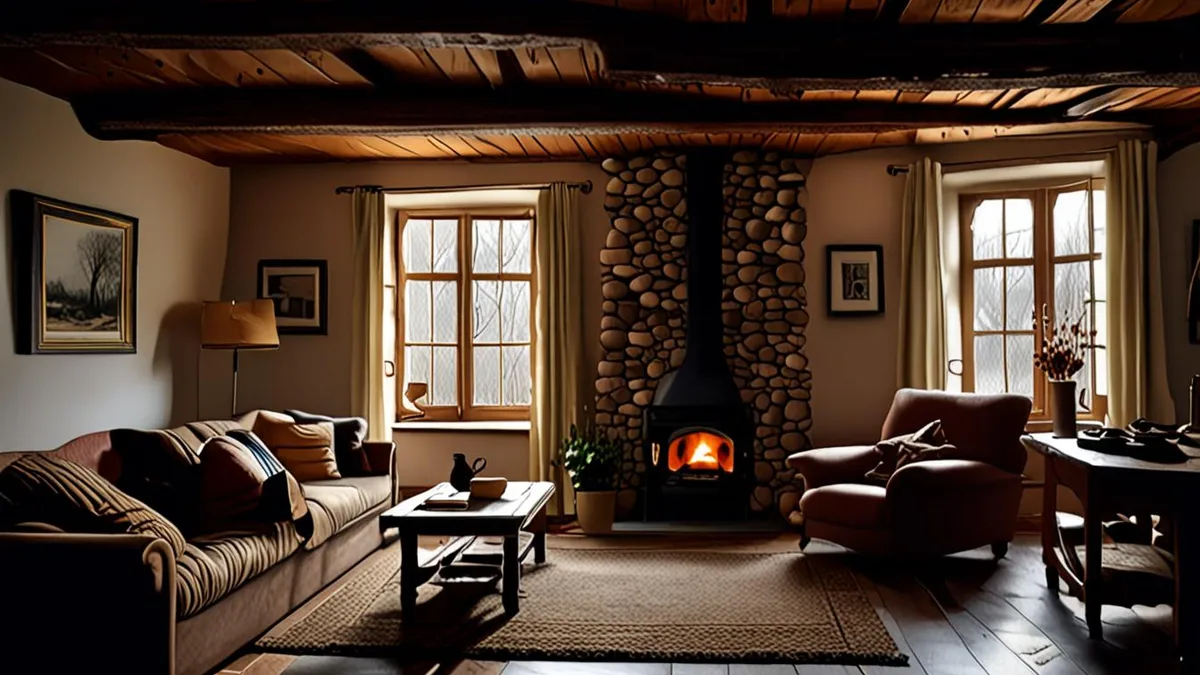
The Cotswolds has a villa and cottage stock unlike anywhere else in England. Many rentals are converted buildings rather than purpose-built holiday homes: honey-stone barns, old weavers’ houses, coach houses above a former stable yard. Expect thick walls, exposed beams, mullioned windows and, in a good number of properties, a private garden or courtyard where you can eat breakfast outside.
Freedom to set your own pace
Self-catering suits this region particularly well because days here rarely follow a fixed plan. One morning you might set off straight from the door onto a footpath, stop for a pub lunch in the next village, and cook at home that evening. The next day you can wander around a market town, pick up local produce, and eat late without worrying about restaurant sittings or set meal times. With most villas requiring a minimum stay of 3–7 nights, that flexibility matters over a longer visit.
Practicality is another strong point. Most villa and cottage rentals sit within walking distance of at least one village shop, pub or footpath network, so you can leave the car parked for much of your stay. That makes an evening pint or a morning loaf run easy on foot, and it puts the Cotswolds’ celebrated walking country — the region covers roughly 800 square miles of protected landscape — within reach of your front gate. For a countryside and village break, few accommodation types fit the setting as naturally.
Best Areas to Base Yourself in the Cotswolds
The Cotswolds cover roughly 800 square miles across five counties, so picking the right corner matters more than most first-time visitors expect. The region splits naturally into three bands: the honey-stone villages of the north, the river valleys in the center, and the quieter southern towns that put Bath within easy reach.
The northern Cotswolds are the picture-postcard heart of the region. Chipping Campden has one of the finest high streets in England, Broadway sits at the foot of the escarpment with a wide main street lined by galleries, and Stow-on-the-Wold makes a practical base for market-square mornings. Villas here book earliest and often carry the highest rates, so if this is your pick, plan well ahead for summer weeks.
The central valleys around Bourton-on-the-Water and the two Slaughters deliver the classic riverside scenery, with the River Windrush running through Bourton and streams threading past Lower and Upper Slaughter. These are the villages that draw the most day visitors, so a villa here trades convenience for crowds between mid-morning and late afternoon. Stow sits within a 30-minute drive, which makes day planning easy.
Head south and the lanes quiet down considerably. Tetbury, Malmesbury and Nailsworth work well for travelers who want fewer tour groups and straightforward access toward Bath. If budget or space is the priority, edge-of-region towns like Stroud or Cirencester typically offer larger properties and lower prices per night, though you will drive a little further for the famous villages.
- Chipping Campden puts you at the northern gateway, with the start of walking country on your doorstep and Broadway and Stow both reachable in under 20 minutes by car.
- Bourton-on-the-Water suits families, with attractions within the village itself and flat riverside walks that work for strollers and less confident walkers.
- Tetbury is a good compromise base: an antique-hunting town with a genuine local feel, positioned for day trips south to Bath without the northern villages’ peak-season crowds.
- Cirencester, the old Roman capital of the region, has a larger year-round population, so restaurants and shops stay open beyond the tourist season and villa options are broader.
- Nailsworth sits in a wooded valley with a foodie reputation, ideal if you’d rather base near good cafés and independent shops than beside a postcard village green.
If you’re weighing a villa base here against a coastal alternative, it can help to compare how different regions organize themselves — our guide to the best areas to rent a villa in Portugal breaks down the same north, center and south logic for a very different landscape.
When to Book and What Cotswolds Villas Cost
How far ahead to book
The best Cotswolds villas move fast. For summer weeks between June and August, aim to reserve 6–9 months ahead, especially if you want a honey-stone cottage in a popular village. Christmas and New Year are even tighter: those festive weeks are typically snapped up 9–12 months in advance, so put a reminder in your calendar the previous January.
Winter stays are far more forgiving. Booking 2–3 months out is often enough outside the holiday period, and you’ll sometimes find owners offering short-notice discounts on weeks that haven’t filled. Just double-check the minimum stay before you commit—most villas ask for 3–7 nights, with 7 nights the standard in July and August.
What you’ll pay per week
For a two-bedroom villa in peak season, expect roughly £900–£1,800 per week depending on location, standard of finish and how close you are to a village center. Shoulder months usually soften that considerably, with rates often dropping 20–30% for comparable properties. If you’re comparing villa markets more broadly, our guide to what villa rentals cost in Croatia shows how differently priced European regions can be.
May and September are my sweet spot. The walking weather is mild, the footpaths are quiet, and the villages see far fewer coach tours than in high summer. You get the same stone lanes and pub lunches without the crowds—and your budget stretches further too.
Choosing Between a Village and a Countryside Location
The first big decision after picking your dates is whether you want to wake up in the middle of a village or out in the fields. Both work well in the Cotswolds, but they give you very different breaks.
Village-center villas put everything on your doorstep. You can walk to the pub for dinner, pop to the shop for morning bread and join a footpath without moving the car. The trade-offs are real, though: parking is often limited to a single space or a nearby public car park, and honey-stone high streets can carry steady foot traffic, especially on weekends and in summer.
What countryside locations give you
Countryside properties flip the equation. You typically get bigger gardens, open views across farmland and genuinely dark skies once the sun goes down. The downside is simple: you will drive to every amenity, whether that is a pub dinner, a shop run or a walk that does not start at your gate.
Before booking any rural villa, check the lane access. Some farm-track properties sit at the end of rough, unpaved drives that can be hard on low-slung cars, especially after wet weather. Listings usually mention this, and owners will confirm it if you ask. If your car sits low or you are hiring one, a property with straightforward road access will make the whole stay easier.
How to Spot the Best Cotswolds Villa for Your Trip
Cotswold villas look charming in photos, but charm is not the same as suitability. A honey-stone cottage that photographs beautifully can still be a poor match for your group if the bedrooms are tiny, the parking is a struggle or the wifi drops every evening. A few practical checks before you pay the deposit will tell you whether a property actually fits your group, your car and your plans, and they take less than ten minutes to run through.
Start with bedrooms and bathrooms. Many stone cottages were built generations ago, and their second bedrooms are often compact, sometimes with small double beds rather than standard ones. Ask the owner or agency for actual bed sizes, not just the number of guests the villa sleeps. If four adults are sharing, aim for at least two bathrooms, or at minimum one bathroom plus a separate toilet, or you will spend the week queuing for the shower.
Key things to check before you book
- Off-road parking: village streets fill up quickly, so a dedicated space or private drive saves daily parking stress, particularly if you have two cars.
- A real garden or patio: if you want to eat outside or let children run around, confirm the outdoor space is private and usable rather than a shared courtyard.
- Heating quality: for stays between October and March, check the listing mentions central heating or a working wood burner, and read what past guests say about how warm the cottage stays.
- Footpath access: if hiking is a priority, confirm you can reach public footpaths directly from the door instead of driving to a trailhead each day.
Finally, read reviews specifically for wifi reliability. Thick stone walls are wonderful for character and terrible for signal, and some rural properties have weak or patchy coverage. If you need to work remotely or stream in the evenings, recent guest comments will tell you more than the listing description will. It is also worth messaging the owner with any specific questions before booking; a quick reply is usually a good sign of how the whole stay will be managed.
Planning Days Out From Your Cotswolds Base
The Cotswolds reward slow travel, but the lanes are narrow and the villages are small, so a little clustering goes a long way. Rather than criss-crossing the region each day, group your sightseeing by area.
The central villages work beautifully as a single day out. Bourton-on-the-Water, the two Slaughters and Stow-on-the-Wold all sit within a 30-minute drive of each other, so you can see riverside scenery, a model village and a market town without a long drive between stops.
Walking straight from your door
One of the best reasons to base yourself in a villa here is the path network. Sections of the Cotswold Way and the Windrush Way can be joined directly from many village bases, which means you can leave the car parked all day. Check with your accommodation owner which routes pass nearby, and pick a stretch that matches your fitness level, since some sections involve steady climbs along the escarpment.
For driving days, build in one pub-lunch village and one market town per day, and resist the urge to add more. The lanes between villages are slow, single-track in places, and part of the charm is not rushing. A relaxed lunch in a village pub, an afternoon browsing a market town and an easy drive back gives you a full day without over-scheduling. Leave one evening free for your own village pub, because that is the Cotswolds at its most enjoyable.
Wrapping Up Your Cotswolds Villa Break
Choosing a Cotswolds villa comes down to one simple order of decisions: pick your area first, whether that is the honey-stone villages of the north, the river valleys in the center, or the quieter lanes of the south. Then match the villa to your group, checking bedroom count, parking and garden space, and decide whether village walkability or countryside quiet matters more to you. Get those choices right and the break usually looks exactly like the one you pictured.
Timing does the rest. Summer weeks and the festive period see the best stone cottages go early, so booking 6–9 months ahead for summer, and 9–12 months for Christmas and New Year, gives you the widest choice. If this guide helped you narrow things down, leave a comment or share it with someone planning their own Cotswolds escape.