Figuring out where to stay in Lisbon is trickier than it looks. The city spreads across steep hills, a flat downtown grid and a long riverside, and each neighborhood has a completely different feel. Pick the wrong base and you could be dragging luggage up cobbled lanes or facing a tram ride every time you want dinner.
This guide compares Lisbon’s main hotel areas so you can match one to your trip. We look at Baixa and Chiado for central convenience, Alfama and Graça for old-world character, Avenida da Liberdade and Príncipe Real for upscale comfort, and Belém and Alcântara for riverside calm. You’ll also find practical advice on when to book, when to go and how to match each area to a city break, romantic escape, family trip or budget stay. Rates and travel times give you a rough framework, so always check current prices before you commit.
Baixa and Chiado: Central Convenience
Baixa and Chiado sit on the flat, rebuilt grid at the heart of Lisbon, which makes them the easiest districts in the city to walk. Streets run in a tidy pattern between Rossio and the Tagus, the Baixa-Chiado metro station links two lines in one spot, and most of the major sights — Praça do Comércio, the Santa Justa Lift, the Carmo area — are within a short walk. Trams rumble through constantly, including the famous route 28.
This is also where the city’s restaurant and shopping density is highest. Step out of your hotel and you can be eating grilled sardines, browsing azulejo shops or queuing for pastéis de nata within minutes. For first-time visitors who want everything on the doorstep, it’s hard to beat.
What you’ll pay and how to book smart
Typical double rooms cost €120–€220 per night in high season, though small guesthouses and large chains both sit in this area, so the range is wide. Prices climb for rooms with river views or rooftop terraces.
The trade-off for all this convenience is noise. Weekend nights bring bar crowds and late-night revelry, especially around Chiado’s nightlife streets. When booking, ask for an interior or upper-floor room — a small request that makes a real difference to your sleep.
Alfama and Graça: Old Lisbon Character
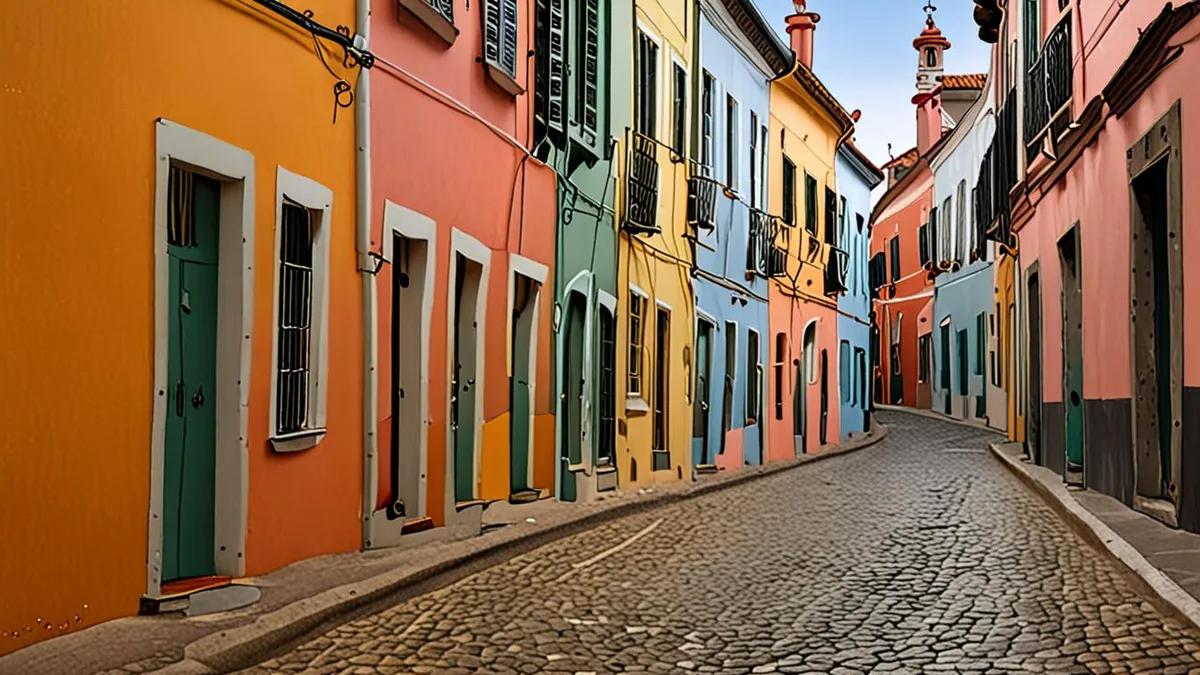
Alfama is the Lisbon of postcards: a maze of narrow lanes tumbling down the hillside toward the cathedral, laundry strung between windows and fado drifting out of tiny taverns after dark. Graça sits just above it, home to some of the city’s best-loved miradouros, the viewpoints where locals and visitors gather with a drink as the sun drops over the rooftops. From here it’s roughly 15 minutes on foot down to Baixa — uphill most of the way on the return, so plan your legs accordingly.
Character comes with caveats
The same geography that gives these districts their charm also shapes daily logistics. Streets are steep, narrow and often stepped, vehicle access is limited, and many hotels and guesthouses have no drop-off at the door. Expect to carry your luggage on foot for the last stretch, and pack light if you stay here.
In return, rates are friendlier than in the center. Hotels in Alfama and Graça often run €90–€160 per night, noticeably cheaper than the central districts, and small family-run guesthouses dominate rather than international chains.
This is the area for travelers who prioritize atmosphere over transport convenience. If you want to wake to church bells, eat where locals eat and watch fado in its home neighborhood, the uphill walk is a fair price to pay.
Avenida da Liberdade and Príncipe Real: Upscale Comfort
Avenida da Liberdade is Lisbon’s grand boulevard, a broad, tree-lined avenue built in the style of the Champs-Élysées, flanked by embassies, flagship stores and some of the city’s most polished hotels. Rooms here typically cost €150–€300 per night, reflecting the five-star brands, spacious layouts and service levels that cluster along this strip. Sidewalk cafés and the avenue’s central gardens make evening strolls easy.
Príncipe Real: the leafy counterpoint
One block up the hill, Príncipe Real offers a different flavor of comfort. Think leafy squares, independent boutiques, concept stores and a calmer, residential feel, with a good spread of restaurants around the garden at its center. It’s the kind of neighborhood where you can hear birds in the morning rather than traffic.
Transport is straightforward. The green metro line runs through both areas and connects directly to Baixa and Cais do Sodré, so the riverside and downtown are only a few stops away.
This district suits couples and travelers who want space, quiet and design-led hotels more than they want to step straight out into the tourist core. If your budget stretches to it, the combination of calm streets and easy metro access makes it one of Lisbon’s most comfortable bases.
Belém and Alcântara: Riverside Calm
Belém sits about 6 km west of central Lisbon, and getting there is easy: the tram along the river or the train from Cais do Sodré typically takes 20–25 minutes. You trade central buzz for river views, and many travelers find the exchange worthwhile once they wake up to the Tagus glittering outside their window.
The big draw is what surrounds you. The Belém monuments, riverside promenades and leafy parks are all close by, so you can spend whole days on foot without touching public transport. Evenings are quieter, though — nightlife is limited here, so this area suits travelers who are happy to head back toward the center after dinner or simply enjoy a calm night in.
Your wallet will thank you too. Hotel rates in Belém usually sit 15–25% below central Lisbon prices, which can make a real difference over a week-long stay.
Alcântara: the creative neighbor
Just to the east, Alcântara has its own personality thanks to the LX Factory, a converted industrial complex filled with bookshops, studios, cafés and street art. It draws a younger, creative crowd, and the riverside location keeps it feeling relaxed. If you like design, food markets and a slightly off-the-beaten-path base, this stretch of the river deserves a look.
When to Book and When to Go
Lisbon’s high season runs from June to early September, when the city sees its biggest crowds and hotels charge their highest rates. Summer is lively and sunny, but you will queue for viewpoints and pay a premium for the same room you could book cheaper in spring.
The shoulder months are the sweet spot for most travelers. April–May and late September–October bring mild weather, lighter crowds and noticeably lower prices, making them ideal for walking the hills without melting.
Timing matters as much as the season. For a summer stay, booking 2–3 months ahead gives you the best choice of rooms and neighborhoods; leave it later and the good-value options in popular areas tend to disappear first.
Winter brings the lowest rates of the year, but the trade-off is real: shorter days and more rain. If you are happy with museum-heavy days and cozy evenings, it can be excellent value.
- Festivals and events: popular celebrations and local festivities can push demand up in specific weeks, so check the events calendar before locking in dates.
- Room types sell unevenly: family rooms and apartments with views are limited in number and often sell out first in high season, even when standard doubles remain available.
- Refundable rates: if you are booking months ahead, a flexible rate protects you if plans change, usually for a modest premium over the cheapest non-refundable option.
Matching Your Hotel Area to Your Trip
The right Lisbon neighborhood depends less on the city and more on the shape of your trip. A couple on a long weekend needs something very different from a family with kids or a solo traveler watching every euro. Here is how the areas map onto common travel styles.
For short city breaks, Baixa or Chiado are hard to beat. You step out of your hotel and are instantly among restaurants, shops and tram stops, with metro links at Baixa-Chiado connecting you to everything else. When you only have two or three days, walkability is worth the higher price.
Romantic escapes work best in Alfama’s small guesthouses, where fado drifts up from the lanes below, or in the design-led hotels along Avenida da Liberdade, where space and style come standard.
The same logic applies anywhere you travel — if you are planning a Croatian coastal trip too, this guide to Dubrovnik’s areas and hotels follows a similar neighborhood-by-neighborhood approach.
- Family trips: Príncipe Real offers leafy squares and a calmer residential feel, while Belém adds parks and riverside space — both give children room to run that central Baixa cannot.
- Budget stays: Graça and Alcântara deliver the best value within easy reach of the center, with local cafés and a more residential rhythm than the tourist districts.
- Mixed groups: if your party wants different things, basing yourselves near a metro stop on the green line lets night owls and early risers share a base without compromising.
Choosing Your Lisbon Base
Lisbon’s hills, tram lines and very different neighborhoods can make picking a hotel base feel overwhelming, but the choice comes down to a simple trade-off. Central districts like Baixa and Chiado trade price for walkability, while outer areas such as Graça, Belém and Alcântara trade convenience for value. Neither approach is wrong; it depends on what matters most to you.
Before booking, match the neighborhood to your priorities: sights, atmosphere, calm or cost. And remember that timing stretches any budget further. Shoulder-season trips and booking a couple of months ahead can make even the pricier central districts far more affordable. If this guide helped you plan your stay, leave a comment or share it with a fellow traveler.